Category: A/R

  • Innovating Audio-Visual Digitization

    Innovating Audio-Visual Digitization

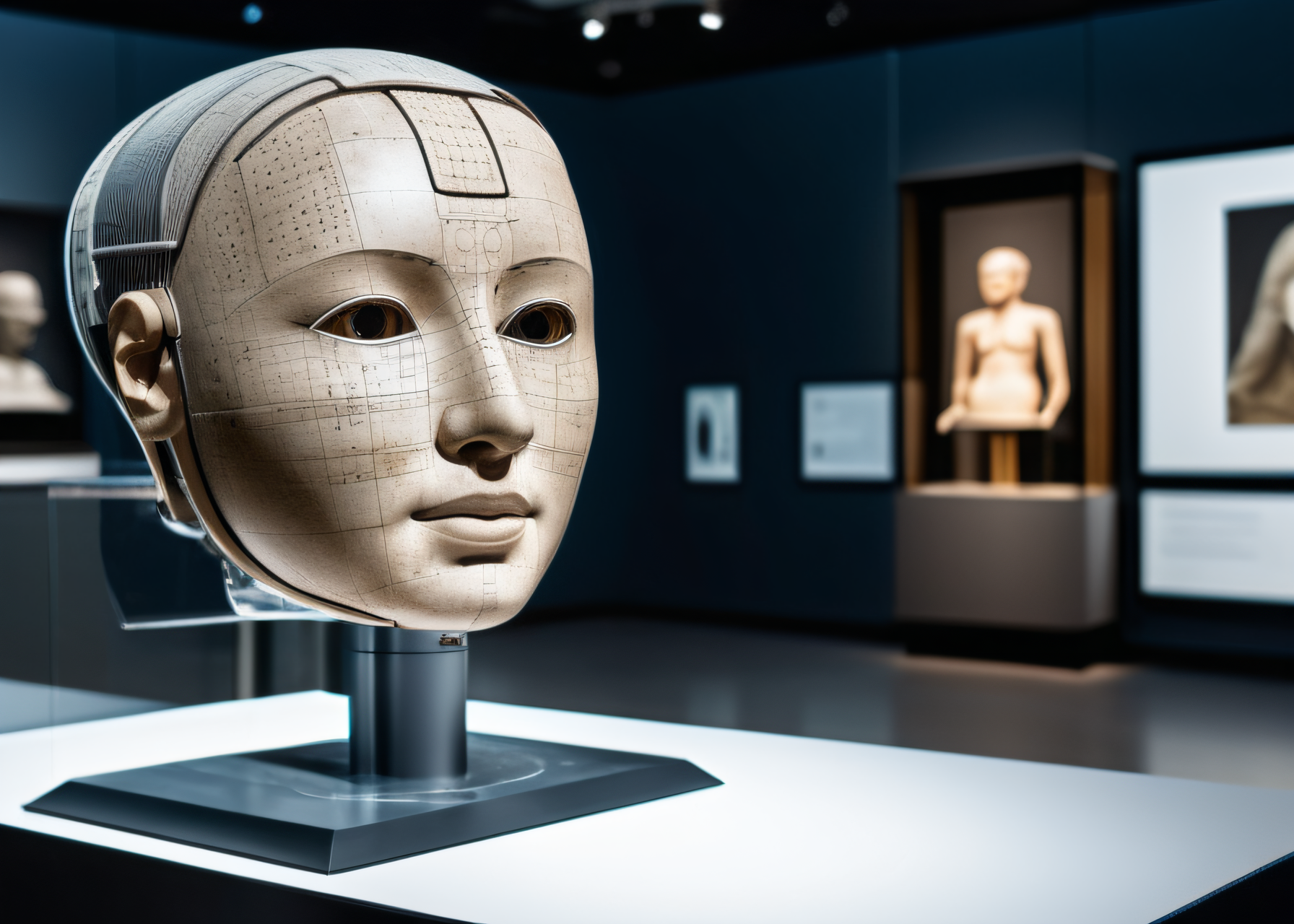
    Digitizing audio and video files in museums and libraries is a complex and multifaceted task that demands cutting-edge technologies and sophisticated methodologies. For insiders in the field, understanding and leveraging emerging technologies such as AI (Artificial Intelligence), AR (Augmented Reality), and digital recognition is crucial to overcoming the challenges inherent in this work. This article delves into the technical aspects and solutions transforming digitization and accessibility practices in these institutions.

    Artificial Intelligence (AI) in Digitization

    Automated Metadata Generation

    AI-powered tools such as natural language processing (NLP) and machine learning algorithms can automatically analyze and extract metadata from audio and video files. By generating detailed metadata, including content descriptions, keywords, and timestamps, these tools significantly reduce the manual effort required and enhance the searchability of digitized materials. Tools like Google Cloud Video Intelligence and IBM Watson Media are leading.

    Audio Restoration

    AI-based audio restoration software, like iZotope’s RX series, uses advanced algorithms to identify and mitigate noise, hum, clicks, and other audio imperfections. These tools apply spectral repair techniques, leveraging deep learning models trained on large datasets of clean and noisy audio to restore audio files to near-original quality.

    Video Enhancement

    AI techniques such as deep learning-based super-resolution (e.g., Topaz Video Enhance AI) and frame interpolation can upscale low-resolution video footage. These methods analyze multiple frames to predict and generate intermediate frames, thereby improving the resolution and smoothness of video playback.

    Speech Recognition

    AI-driven speech recognition technologies, such as Google Speech-to-Text and Amazon Transcribe, can accurately transcribe spoken words in audio and video files. These tools utilize deep learning models trained on diverse linguistic datasets to handle various accents and dialects, making the content more accessible and searchable.

    Facial Recognition

    Facial recognition technologies like Microsoft Azure Face can identify and tag individuals in video footage. By training models on vast facial datasets, these tools can accurately match faces across different frames and conditions, aiding in the cataloging and study of archival materials.

    Augmented Reality (AR) for Interactive Experiences

    Interactive Archives

    AR applications can overlay contextual information onto physical spaces or artifacts within museum and library archives. Using platforms like ARKit for iOS or ARCore for Android, developers can create immersive experiences that enhance user engagement and understanding.

    Virtual Tours

    AR enables the creation of virtual tours, allowing remote users to explore archives interactively. Tools like Matterport and Unity facilitate the development of these virtual environments, making it possible to visualize and interact with digitized materials in a 3D space.


    Advanced Audio-Visual (AV) Technologies

    High-resolution scanning

    Advanced AV technologies, such as the NextEngine 3D Scanner and Phase One’s high-resolution cameras, enable the high-resolution scanning of physical media. These devices capture fine details in film reels, vinyl records, and other physical formats, producing superior digital copies.
    3D Scanning and Reconstruction

    Technologies like Artec 3D and Geomagic allow for the digitization of physical objects related to audio and video materials. These tools use structured light and laser scanning to create detailed 3D models, preserving the physical context of artifacts and making them accessible for study and virtual interaction.


    Digital Recognition Technologies

    Optical Character Recognition (OCR)

    OCR technology, such as Adobe Acrobat Pro DC and Tesseract, digitizes text from scanned documents like scripts, notes, and annotations. These tools use machine learning models to recognize and convert text into searchable digital formats, enabling easier access and retrieval of information.

    Image Recognition

    Image recognition platforms like Clarifai and Google Cloud Vision identify and tag visual content within video files. These technologies analyze frames to detect objects, scenes, and faces, facilitating the categorization and searchability of large video archives.

    Music Recognition

    Music recognition tools like ACRCloud and Gracenote identify and tag music tracks in audio and video recordings. These services use acoustic fingerprinting to match audio against vast databases, providing detailed metadata such as song titles and artists.


    Additional Emerging Technologies

    Blockchain

    Blockchain technology ensures the integrity and provenance of digitized files by creating tamper-proof records of file histories and edits. Platforms like Storj and Filecoin offer decentralized storage solutions that leverage blockchain for enhanced security and reliability.

    Cloud Computing

    Cloud computing services such as Amazon Web Services (AWS), Google Cloud Platform (GCP), and Microsoft Azure provide scalable storage and powerful processing capabilities. These platforms enable institutions to manage and access large digital archives remotely, offering robust storage, computing, and data analytics solutions.

    Machine Learning

    Machine learning models can be trained to enhance various aspects of the digitization process. Tools like TensorFlow and PyTorch allow for the development of custom algorithms that predict the best digitization methods for specific media types or automate quality checks, ensuring high fidelity in digitized outputs.

    Enhancing Accessibility of Digitized Audio and Video

    Transcripts and Captions

    Providing transcripts for audio and captions for video content ensures accessibility for individuals with hearing impairments. AI-driven tools like Verbit and 3Play Media automate transcription and captioning, delivering high accuracy and quick turnaround times.

    Audio Descriptions

    Adding audio descriptions to video content makes it accessible to individuals with visual impairments. Verbit and 3Play Media also offer these services, using AI to generate descriptive audio tracks that narrate essential visual elements.

    Accessible Formats

    Ensure digitized files are available in multiple formats, such as MP3 for audio and MP4 for video, to accommodate various devices and user preferences. This flexibility enhances accessibility for a wider audience.

    User-Friendly Interfaces

    Design intuitive user interfaces with large, readable fonts and keyboard shortcuts for users with mobility impairments. Consider using accessibility guidelines like WCAG (Web Content Accessibility Guidelines) to ensure your digital platforms are inclusive.

    Multilingual Support

    Offer translations and subtitles in multiple languages to make your digitized content accessible to a global audience. Tools like Google Translate and AI-based translation services can facilitate this process.


    Institutions and Digital Vendors

    Museums

    • The Museum of Modern Art (MoMA) – Vendor: Canto
    • The British Museum – Vendor: Axiell
    • The Smithsonian Institution – Vendor: Preservica

    Libraries

    Companies Providing Equipment and Technology

    • Google Cultural Institute: Provides high-resolution scanning and online exhibition platforms.
    • Sony: Supplies high-end audio and video recording and playback equipment.
    • Canon: Provides high-resolution scanning equipment for digitizing photographic and film materials.
    • AVPreserve: Offers consulting services and technologies for audio-visual preservation.
    • Northeast Document Conservation Center (NEDCC): Provides digitization services and preservation consulting.
    • Verbit: Specializes in AI-powered transcription, captioning, and audio description services.
    • 3Play Media: Offers comprehensive captioning, transcription, and audio description services.

    By leveraging these advanced technologies and collaborating with specialized vendors, museums and libraries can overcome the challenges of digitizing and preserving their audio and video collections. These efforts ensure that cultural heritage remains accessible and engaging for future generations.
  • The Future Museum Experience: A Seamless Blend of Physical and Digital Engagement

    The Future Museum Experience: A Seamless Blend of Physical and Digital Engagement

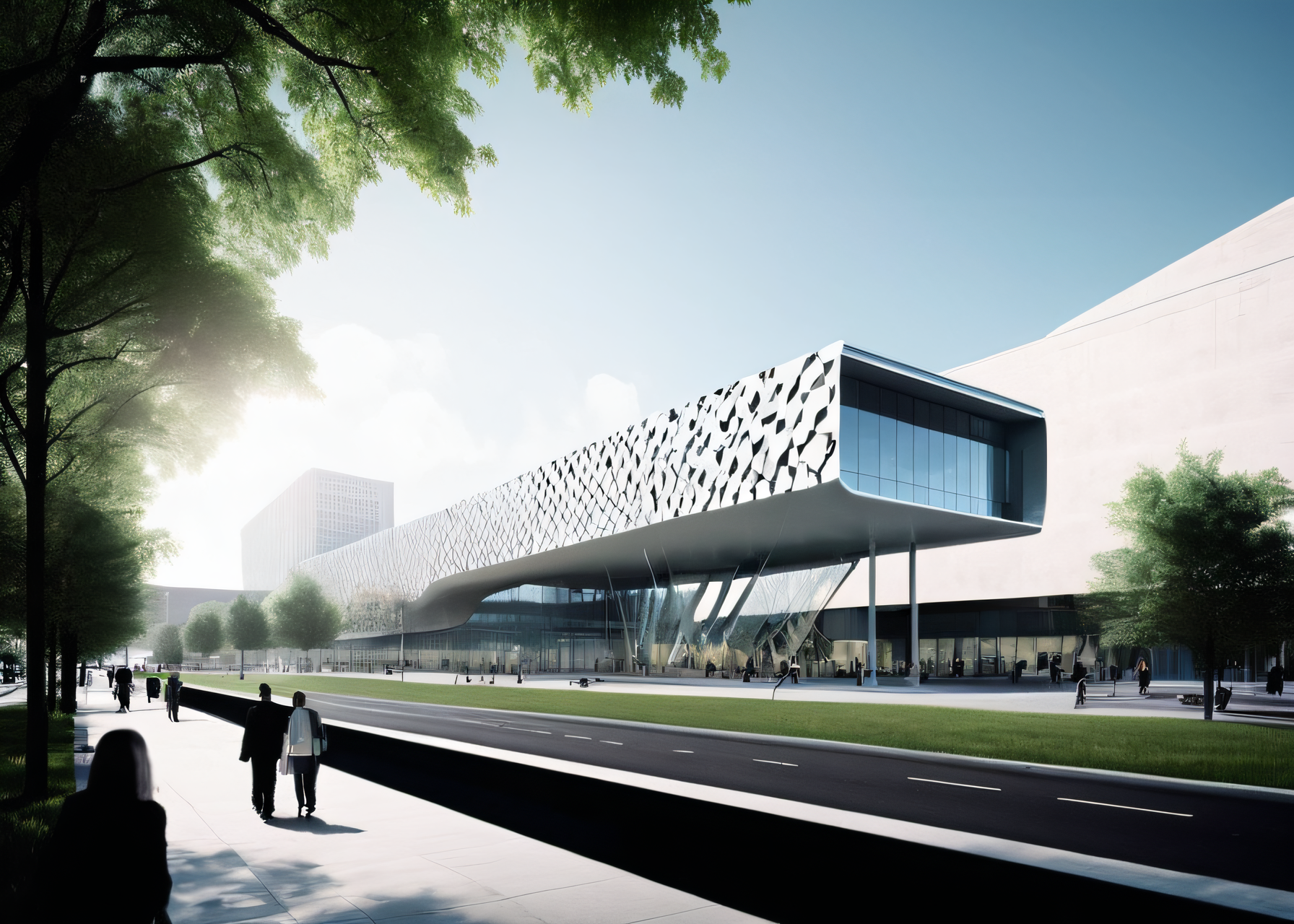
    The future of museum visits promises to be an exciting blend of physical presence and digital engagement, creating a seamless, personalized, and immersive journey for every visitor. From discovery and planning to post-visit interaction, here’s how the ideal user experience unfolds for the museum-goer of tomorrow.

    Pre-Visit: Discovery and Planning

    The journey begins long before setting foot in the museum. Potential visitors discover upcoming exhibits and events through engaging social media campaigns on platforms like Instagram, Facebook, and TikTok. The museum’s visually appealing website and mobile app offer an intuitive interface where users can explore detailed previews of exhibits via virtual tours and augmented reality (AR) experiences.

    Creating an account unlocks personalized recommendations based on the user’s interests and previous visits, ensuring a tailor-made experience. Ticket purchasing is streamlined, with options for timed entries to manage crowd flow and digital tickets sent directly to the user’s device. Interactive content such as polls, quizzes, and countdowns on social media keeps potential visitors engaged and excited about their visit.

    Arrival: Seamless Entry

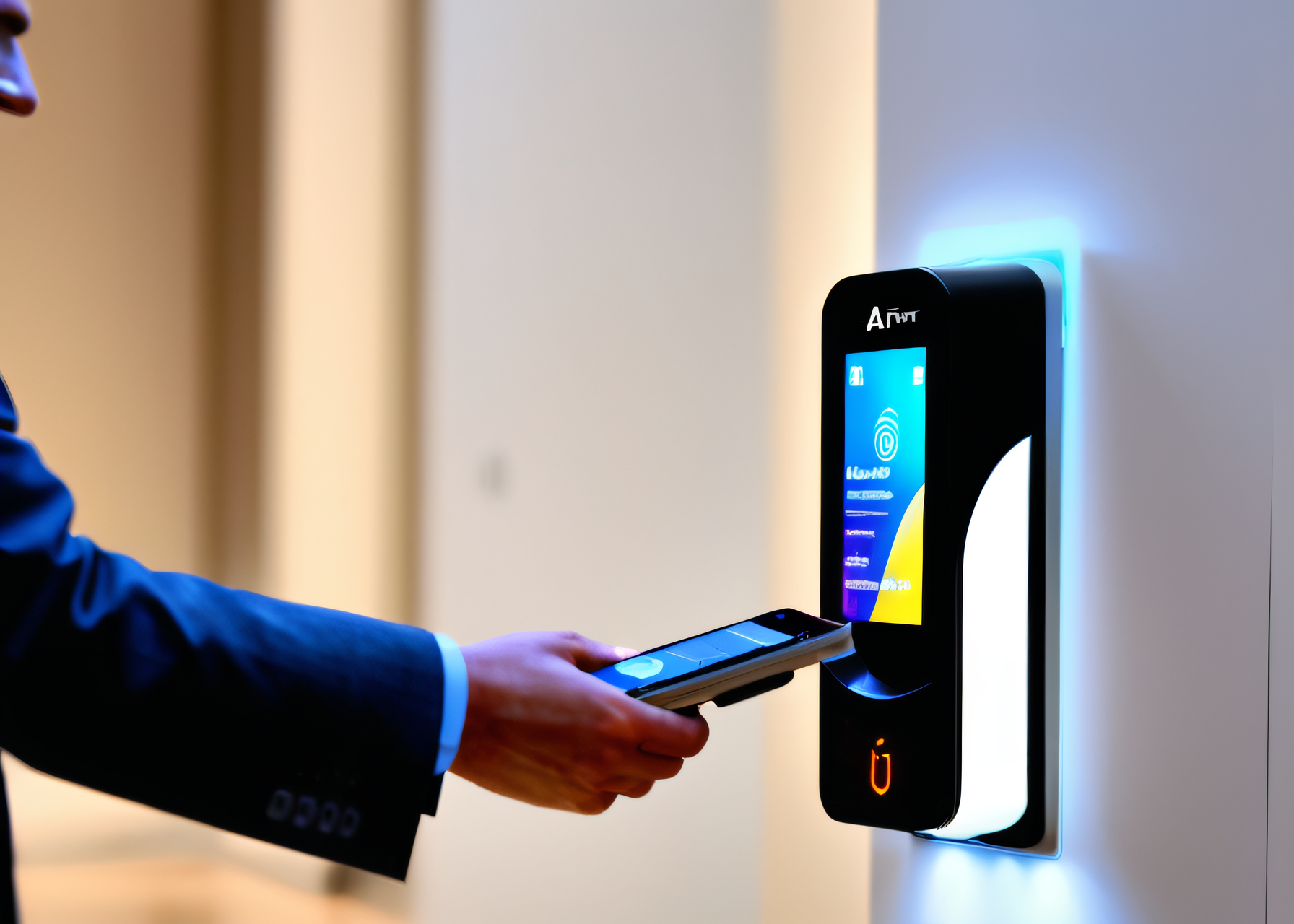
    On the day of the visit, seamless entry is facilitated by digital tickets or membership cards that allow quick, contactless check-in via QR codes or NFC technology. Welcome kiosks provide a brief orientation, current events, and exhibit highlights, ensuring visitors are well-informed and ready to explore.

    Social media engagement begins as soon as visitors arrive, with encouragement to share their check-in on social platforms using location tags and museum-branded hashtags. Custom AR filters enhance these posts, allowing visitors to create unique and shareable content.

    During the Visit: Exploration and Engagement

    Once inside, cutting-edge technology elevates the museum experience. An interactive map on the museum’s app provides real-time navigation, guiding visitors to their points of interest. AR technology allows users to scan exhibits for immersive experiences, offering in-depth information, 3D models, and historical context.

    Personalized self-guided tours cater to individual preferences and time constraints, ensuring a bespoke journey through the museum. Touchscreens and holographic displays bring exhibits to life with interactive elements, while virtual reality (VR) installations offer immersive experiences, such as historical reenactments or interactive art pieces.

    Social media remains integral, with the museum posting live updates and stories highlighting special events, live performances, or surprise guest appearances. Visitors can participate in social media challenges or scavenger hunts, exploring exhibits and sharing their progress online. Designated photo spots with unique backdrops encourage visitors to take and share photos, enhancing the communal experience through shared hashtags.

    Post-Visit: Continued Engagement

    The experience doesn’t end when visitors leave the museum. The app sends personalized follow-up content, such as articles, videos, and notifications about upcoming exhibits, ensuring ongoing engagement. Visitors are prompted to share their favorite moments and discoveries on social media, tagging the museum and using official hashtags, which the museum can then share on its channels to foster a sense of community.

    Feedback and reviews collected via social media help the museum continually improve future experiences. Visitors can access an online library of educational resources, including videos, articles, and virtual lectures, allowing them to continue learning. Opportunities for collaborative projects, such as community-curated exhibits or digital archives, provide further avenues for engagement.

    Building a Connected Community

    Social media engagement is pivotal in building a connected community around the museum. Consistent use of unique hashtags for different exhibits or events allows the museum to track engagement and foster a sense of belonging among visitors. Partnerships with influencers and local content creators broaden the museum’s reach and attract new audiences.

    Through social media stories and live streams, interactive storytelling offers behind-the-scenes looks at exhibit setups, interviews with curators, and other exclusive content. Informative posts share educational insights related to exhibits, keeping the audience informed and engaged. Virtual events like live Q&A sessions, virtual tours, and workshops on social media platforms enable remote audiences to participate and engage.

    Embracing Technology and Sustainability

    AI and data analytics play a crucial role in optimizing the museum experience. By analyzing visitor behavior, the museum can enhance exhibit layouts and personalize future visits. AI-driven tools also provide real-time translation, sign language interpretation, and other accessibility features, ensuring inclusivity for all visitors.

    Sustainability is also a key consideration. Digital tickets and information reduce paper usage, while energy-efficient technologies and eco-friendly materials promote sustainable practices. Information on the museum’s sustainability efforts and ways visitors can contribute enhances environmental awareness.

    Conclusion

    The future museum experience is characterized by a seamless integration of physical and digital interactions, personalized content, and continuous engagement. By leveraging advanced technologies and social media, museums can create unique, educational, and memorable experiences for every visitor, fostering a connected and engaged community.

  • The 2025 GLAM Project: A Vision for the Future of Galleries, Libraries, Archives, and Museums

    The 2025 GLAM Project: A Vision for the Future of Galleries, Libraries, Archives, and Museums

    As we look to the future, the “2025 Project” envisions a transformative era for cultural institutions such as galleries, libraries, archives, and museums (GLAM). This initiative outlines a strategic roadmap designed to embrace digital innovation, promote inclusivity, and ensure the sustainability of cultural heritage. For GLAM professionals, understanding and preparing for these changes is crucial. Here’s what you need to know about the 2025 Project and its impact on your work.

    Digital Transformation in GLAM Institutions

    The 2025 Project emphasizes the integration of digital technologies to enhance user experiences and operational efficiency. By 2025, expect a significant shift towards:

    • Virtual Reality (VR) and Augmented Reality (AR): These technologies will offer immersive experiences, allowing visitors to explore exhibits in entirely new ways. For instance, VR could recreate historical events or lost artifacts, providing a deeper understanding of our heritage.
    • Digitization of Collections: Accelerated digitization efforts will make collections more accessible globally. This will preserve fragile items and increase public engagement through online platforms.

    Promoting Cultural Diversity and Inclusion

    A core component of the 2025 Project is fostering cultural diversity and inclusion. GLAM institutions will play a pivotal role by:

    • Amplifying Underrepresented Voices: Curating exhibits and collections highlighting marginalized communities and their contributions to society.
    • Inclusive Programming: Developing programs and events that are accessible to all, including those with disabilities and non-English speakers.

    Sustainability in Cultural Practices

    Environmental sustainability is a pressing concern for the future. The 2025 Project encourages GLAM institutions to adopt eco-friendly practices such as:

    • Green Exhibits: Utilizing sustainable materials and energy-efficient technologies in exhibit design.
    • Climate-Resilient Preservation: Implementing strategies to protect collections from climate change impacts, such as temperature and humidity fluctuations.

    Innovation in Arts and Media

    The intersection of technology and creativity will give rise to innovative forms of art and media. By 2025, GLAM professionals can anticipate:

    • AI and Machine Learning: These technologies will aid in curating and interpreting collections, offering new insights and connections between items.
    • Interactive Experiences: Enhanced visitor engagement through interactive displays and installations that respond to user input.

    Global Cultural Convergence and Localization

    Globalization will continue to influence cultural trends, leading to a blend of global and local cultures. GLAM institutions will need to balance:

    • Cultural Exchange: Facilitating international collaborations and exchanges to enrich cultural understanding.
    • Local Identity: Preserving and promoting local traditions and histories globally.

    Education and Cultural Literacy

    Educating the public about cultural heritage will remain a cornerstone of GLAM institutions. The 2025 Project supports:

    • Technology-Enhanced Learning: Utilizing digital tools to make cultural education more engaging and accessible.
    • Cross-Cultural Programs: Offering programs that encourage understanding and appreciation of diverse cultures.

    Impact of Technology on Human Interaction

    As technology reshapes how we interact, GLAM institutions must navigate:

    • Digital Communication: Balancing online and offline engagement to maintain meaningful human connections.
    • Ethical Considerations: Addressing the moral implications of technology use, such as data privacy and digital equity.

    Cultural Policy and Governance

    Finally, effective policies and governance will be essential to support the goals of the 2025 Project. This includes:

    • Public-Private Partnerships: Collaborating with various stakeholders to fund and promote cultural initiatives.
    • International Cooperation: Working with global entities to tackle challenges like digital piracy and cultural preservation.

    Preparing for the Future

    For GLAM professionals, the 2025 Project presents both challenges and opportunities. By embracing digital innovation, promoting inclusivity, and committing to sustainability, you can ensure that your institution remains relevant and impactful in the years to come. Stay informed, be proactive, and engage with your peers to navigate this transformative period successfully.

    The future of culture is bright, and with the 2025 Project, galleries, libraries, archives, and museums are poised to lead the way into this exciting new era.

  • Preserving Culture

    Preserving Culture

    In a world where climate change has altered our landscapes, the urgent need to preserve our cultural heritage has never been more apparent. Join us on an immersive journey of exploration and innovation as we navigate a journey of at-risk collections, guided by digital preservation and the foresight of those who recognized the importance of safeguarding history for future generations.

    The Year 2100

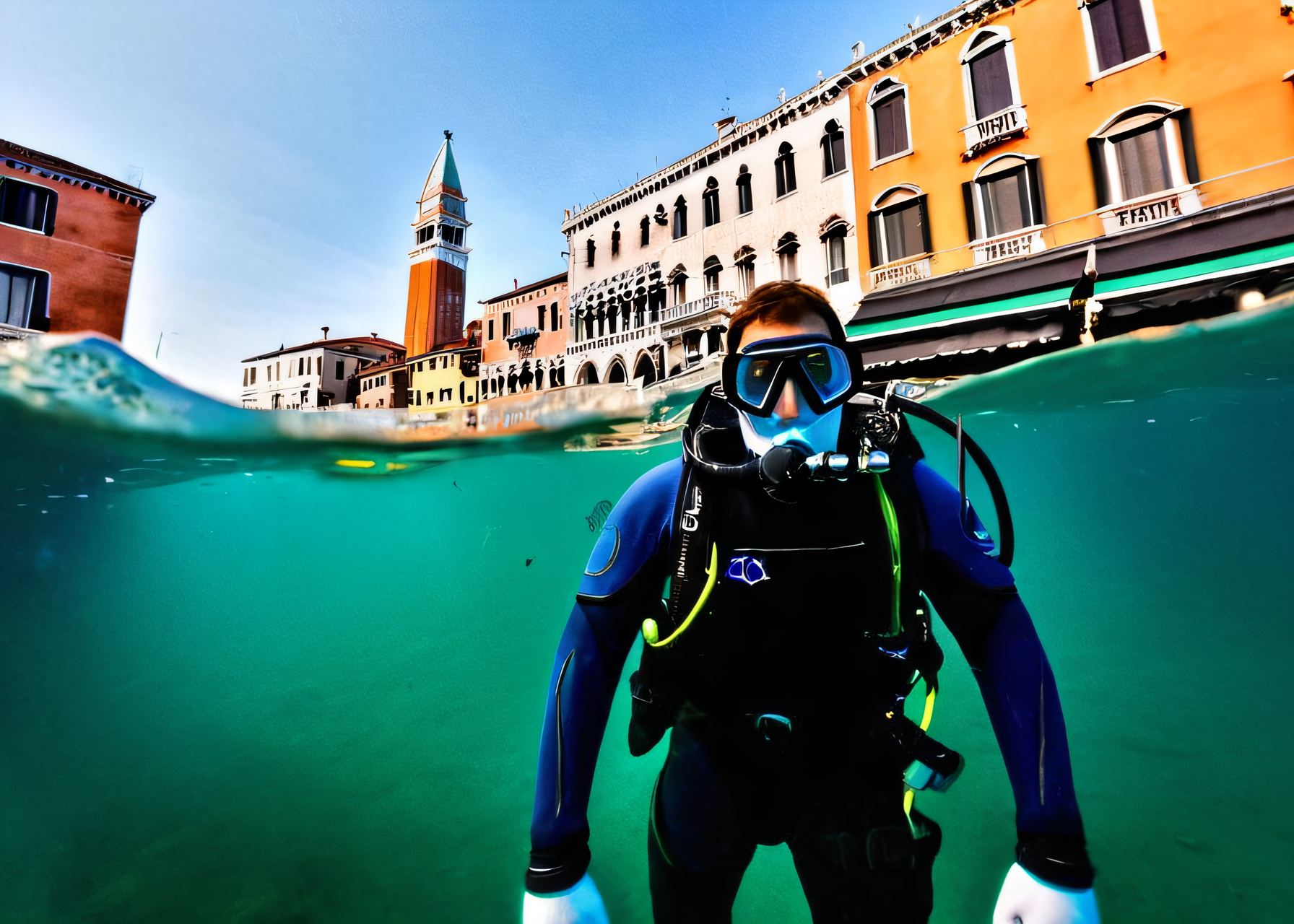
    Picture a world where cities like Venice, New York City, Miami, and Paris harbor untold stories and hidden treasures beneath the water’s surface. We embark on a virtual expedition to these submerged realms through cutting-edge AR and VR technology, where history and technology intertwine in a mesmerizing blend.

    In Venice, we traverse waterlogged streets and grand buildings, aided by digital archives that protect the city’s cultural heritage. Venetian scholars’ foresight offers a glimpse into a civilization that thrived amidst water, revealing sustainable practices and innovative technologies that shaped their existence.

    Our journey leads us to the Vizcaya Museum in Miami, where conservation efforts have digitized native plant species and sustainable gardening practices. Through the portal, we explore a world where environmental consciousness and cultural preservation coexist, providing insights into sustainable living practices.

    In the bustling streets of New York City, we uncover the city’s resilient spirit through digitized archives from the New York Public Library. Librarians’ and archivists’ dedication ensures the preservation of Indigenous heritage and forgotten traditions, enabling us to delve deeper into the city’s dynamic past.

    Finally, we delve into the realm of Paris, where ancient manuscripts illuminate Mayan culture and spiritual beliefs, digitally preserved by scholars and curators. Our journey through the portal grants us access to a wealth of knowledge and wisdom, immersing us in a world where the past seamlessly merges with the present.

    As we conclude our virtual expedition, we reflect on technology’s crucial role in protecting our cultural heritage. The imperative to preserve these underwater collections underscores the significance of digital innovation in conserving our history for future generations.

    In a world where the echoes of bygone eras intersect with the possibilities of the future beneath the waves, let’s heed the call to embrace digital solutions to safeguard our underwater collections. Join us on an enriching journey of exploration, preservation, and connection as we strive to protect our collective cultural legacy amidst the challenges posed by our changing environment.

    The Future is Now

    Researchers Dr. Elena Cruz and Professor Marcus Chen embarked on an innovative expedition using advanced Virtual Reality technology to access submerged cultural collections from cities like Venice, New York City, Miami, and Paris. Equipped with cutting-edge VR headsets and haptic gloves, they delved into the digital realms, venturing through waterlogged streets and ornate buildings to uncover hidden treasures and long-forgotten artifacts.

    Utilizing a web portal for public access, they meticulously documented their findings, providing a gateway for researchers and the general public to explore these submerged wonders. Their virtual journey took them to Miami’s Vizcaya Museum, where they marveled at the lush gardens and sustainable practices that had once flourished. Then, exploring the digital archives at the New York Public Library, they unearthed forgotten traditions and indigenous heritage, bridging the gap between the past and present with the touch of a virtual button. Finally, in Paris, ancient manuscripts revealed the Mayan civilization’s spiritual beliefs and cultural practices, allowing Dr. Cruz and Professor Chen to immerse themselves in a rich tapestry of history and knowledge.

    As they resurfaced from their virtual exploration, Dr. Cruz and Professor Chen reflected on the transformative power of VR technology in preserving our cultural heritage. Their journey had not only uncovered submerged treasures but had also deepened their connection to the past.

    The availability of the web portal ensured that the knowledge and wonders they discovered could be shared and explored by future generations, inspiring a continued exploration at the intersection of archaeology and digital innovation.

  • The Transformative Impact of Augmented Reality (AR) on the GLAM Sector

    The Transformative Impact of Augmented Reality (AR) on the GLAM Sector

    Introduction

    The GLAM sector—encompassing galleries, libraries, archives, and museums—stands at the forefront of preserving and promoting cultural heritage. As technology advances, augmented reality in museums and other GLAM institutions has emerged as a powerful tool that can revolutionize how these institutions engage with their audiences. This article explores how AR is reshaping the GLAM industry, enhancing visitor experiences, and offering new opportunities for education and engagement.

    Enhancing Visitor Experiences

    Immersive Exhibitions

    One of the most significant impacts of AR in galleries and museums is the creation of immersive exhibitions. By overlaying digital information onto physical objects, AR allows visitors to experience art and artifacts in new and interactive ways. For instance, visitors can use AR apps on their smartphones or tablets to see historical events reenacted around them or view 3D models of objects too fragile to be displayed.

    Interactive Storytelling

    AR technology in the GLAM sector enables interactive storytelling to bring exhibits to life. In a museum, an AR app might animate a historical painting, allowing visitors to witness scenes from the past. Libraries can use AR to create virtual tours, guiding users through different sections with engaging narratives and visual aids. This storytelling approach enhances learning and makes visits more memorable and engaging.

    Expanding Educational Opportunities

    Augmented Learning

    AR for archives and other GLAM institutions offers unique opportunities for educational programs. Through AR, learners can interact with 3D models of artifacts, manuscripts, and historical sites, providing a hands-on learning experience. This is particularly beneficial for educational workshops and school programs, where students can engage with history and art dynamically and interactively.

    Remote Access

    AR for remote access to collections makes cultural heritage accessible to a global audience. Virtual tours and remote AR experiences allow people who cannot visit in person to explore exhibits and learn from them. This can significantly increase the reach and impact of GLAM institutions, fostering a greater appreciation for cultural heritage worldwide.

    Streamlining Operations and Preservation

    Enhanced Cataloging and Documentation

    AR can assist in cataloging and documenting collections. Using AR glasses, staff can quickly access detailed information about artifacts and artworks, streamlining the inventory process. This technology also aids in preserving items by providing detailed 3D scans that can be used for restoration and conservation efforts.

    Visitor Analytics

    AR applications can collect data on visitor interactions, providing valuable insights into visitor behavior and preferences. This information can help GLAM institutions tailor their exhibits and programs better to meet the needs and interests of their audiences, leading to more effective and engaging experiences.

    Marketing and Outreach

    Innovative Marketing Campaigns

    AR applications for museums can be leveraged for innovative marketing campaigns that attract new visitors and engage existing audiences. For example, a museum might create an AR app that offers sneak peeks of upcoming exhibits or interactive previews of special collections. These engaging, tech-savvy campaigns can capture the interest of a broader audience, particularly younger generations who are accustomed to digital interactions.

    Social Media Integration

    Integrating AR with social media platforms can amplify the reach of GLAM institutions. Visitors can share their AR experiences in real time, generating buzz and attracting new visitors. Hashtags and AR filters can create interactive social media campaigns, enhancing the institution’s online presence and engagement.

    Conclusion

    Augmented reality for cultural institutions is poised to have a transformative impact on the GLAM sector, enhancing visitor experiences, expanding educational opportunities, streamlining operations, and boosting marketing efforts. By embracing AR technology, galleries, libraries, archives, and museums can more effectively preserve and promote cultural heritage and engage with their audiences in innovative and meaningful ways. As the GLAM sector continues to evolve, AR will undoubtedly play a crucial role in shaping its future.