Category: archive

  • IDbGLAM 2.0

    IDbGLAM 2.0

    Building the Digital Infrastructure for Cultural Discovery

    June 2025–Present

    IDbGLAM—the International Database of Galleries, Libraries, Archives, and Museums—is a new digital discovery platform designed to make the world’s cultural organizations, collections, exhibitions, events, and experiences easier to find and explore.

    Version 2.0 transforms IDbGLAM from a directory of digital resources into a connected cultural ecosystem. Beginning with Baltimore as its proof of concept, the platform brings together museums, historic sites, libraries, archives, galleries, cultural centers, universities, theaters, festivals, public art, and heritage destinations in one searchable, location-based network.

    Users can discover what is nearby, explore cultural places by category, find current exhibitions and events, and connect directly with participating organizations. Institutions gain greater visibility, stronger connections to local audiences, and access to digital tools that many smaller organizations cannot develop independently.

    Key Developments

    • A Connected Cultural Directory
      Built an expandable database that connects cultural organizations with their locations, programs, exhibitions, events, collections, and institutional relationships.
    • Baltimore Proof of Concept
      Selected Baltimore—one of the nation’s most culturally and historically rich cities—as the first demonstration market, creating a model that can be expanded regionally, nationally, and internationally.
    • AI-Assisted Database Building
      Developing tools that can identify cultural organizations, gather publicly available information, detect missing data, and prepare new listings for human review—dramatically reducing the time required to build and maintain the database.
    • Location-Based Discovery
      Introduced maps, proximity searches, category filters, and “near me” functionality to help residents and visitors understand the cultural landscape around them.
    • Events and Experiences
      Expanded beyond institutional listings to connect users with exhibitions, performances, tours, festivals, public programs, and other cultural experiences.
    • Stronger Institutional Profiles
      Designed richer listings that can include organizational relationships, social media, accessibility information, amenities, collections, events, digital experiences, and related venues.
    • Shared Digital Infrastructure
      Created a platform where organizations of every size can benefit from enhanced visibility and technology without each institution having to build these systems independently.
    • Sustainable Growth Model
      Developed a tiered structure that keeps basic participation accessible while creating premium opportunities for institutions, destinations, associations, vendors, sponsors, and cultural-sector partners.

    The Vision

    IDbGLAM 2.0 is more than a directory. It is infrastructure for the cultural sector—a shared system that makes cultural resources visible, connected, and useful. By revealing the relationships among places, collections, programs, communities, and technology, IDbGLAM can support cultural tourism, education, research, preservation, audience development, and economic growth. The platform begins in Baltimore and is designed to scale from Baltimore to the world.

    Current Impact

    IDbGLAM 2.0 is establishing the foundation for a comprehensive cultural discovery network: one that helps the public find meaningful experiences, helps organizations reach wider audiences, and helps communities understand the full scale and value of their cultural assets.

    Discover culture. Connect organizations. Strengthen communities.
  • IDbGLAM: The International Database of Galleries | Libraries | Archives | Museums

    IDbGLAM: The International Database of Galleries | Libraries | Archives | Museums

    March 2024 – Present

    IDbGLAM is an innovative platform designed to centralize access to digitized collections and digital experiences offered by GLAM institutions worldwide. Leveraging advanced technologies like AI, VR, and AR, the platform aggregates and distributes cultural heritage experiences, serving as the “channel” for the digital GLAM sector. It connects users with tools and content from platforms such as Google Arts & Culture, Bloomberg Culture, and Smartify, while supporting institutions in enhancing their digital presence.

    Key Contributions:

    • Platform Development: Conceptualized and built IDbGLAM as a robust, scalable digital platform to address the growing need for a centralized resource in the GLAM sector.
    • User Engagement: Engaged with over 4,800 industry professionals on LinkedIn and secured early adopters from university museums, achieving 20% month-over-month growth.
    • Digital Integration: Collaborated with Symplistic.ai to integrate AI chatbot technology and introduced user competitions through GamiPress to boost engagement.
    • Community Outreach: Fostered partnerships with academia, including the Pratt DX Center and Illinois Digital Heritage Hub, and sought feedback from professional communities like AAMG and MCN to refine the platform.
    • Revenue Strategy: Developed a freemium model to democratize access for small institutions while offering advanced tools for premium subscribers.

    Impact:
    IDbGLAM has become a vital resource for GLAM institutions, connecting them to a global audience and promoting cultural heritage preservation in the digital age. With traction across multiple sectors, IDbGLAM is poised to redefine how cultural content is experienced and accessed worldwide.

  • Sustaining Digital Momentum: A Crucial Strategy for Museums and Libraries

    Sustaining Digital Momentum: A Crucial Strategy for Museums and Libraries

    Introduction

    The COVID-19 pandemic was a seismic event that forced museums and libraries to shut their doors, shifting their focus to digital platforms almost overnight. As physical spaces became inaccessible, these cultural institutions had to adapt quickly, discovering new ways to reach and engage their audiences digitally. From virtual tours and online exhibitions to live-streamed events and digital archives, the shift to digital opened up new possibilities for global outreach. But, as the world emerged from the pandemic and restrictions eased, many institutions are retreating from these digital innovations, refocusing only on live programs. This article explores how museums and libraries have missed a crucial opportunity by not sustaining their digital momentum in the post-COVID world, while also highlighting examples of those who got it right.

    The Digital Shift During COVID-19

    During the pandemic, museums and libraries found themselves at a crossroads. With physical doors closed, they turned to digital platforms to continue serving their communities. This shift led to a surge in online content, including virtual tours, webinars, online workshops, and more. Institutions before viewing digital as a supplementary tool began to see it as an essential means of connection. For many, this period of digital innovation allowed them to reach broader, more diverse audiences, including those who never have set foot in their physical locations.
    One of the most famous examples of this digital shift was the National Cowboy & Western Heritage Museum in Oklahoma. During the pandemic, the museum’s security guard, Tim Send, took over its social media accounts and quickly became an internet sensation.

    His endearing, humorous posts not only entertained audiences but also dramatically increased the museum’s online following.

    This example underscores the power of digital engagement, where creativity and authenticity can significantly boost an institution’s profile.

    Another example is the Getty Museum in Los Angeles, which launched the #GettyMuseumChallenge. The museum encouraged people to recreate famous artworks using household items, a challenge that went viral and generated enormous engagement.

    The challenge highlighted how digital content fosters creativity and community during difficult times.

    The happiest of endings is the publication of a book including the best of submissions. Talk about engagement, the Getty’s program is something to be copied for continued engagement.

    Post-COVID: A Retreat from Digital?

    As the pandemic subsided and institutions reopened, there was a noticeable retreat from the digital-first strategies that had been so successful during COVID-19. Museums and libraries, eager to reestablish their on-site presence, shifted their focus back to in-person programming. While this return to physical spaces was essential for community engagement and economic recovery, it often came at the expense of the digital innovations developed during the pandemic. Many institutions scaled back their online offerings, viewing them as temporary solutions rather than permanent strategies.

    Unfortunately, not all institutions can survive the financial strain of prolonged closures, leading to permanent closures for some. For example, the San Francisco Art Institute, a historic institution known for its art programs and galleries, closed its doors in 2022 after 151 years of operation. The pandemic exacerbated its financial difficulties, and despite efforts to sustain the institution, it closed.

    Fortunately for the community, the school was purchased with an endowment of roughly $30 million. Importantly, the new arts nonprofit’s advisory committee is made up of senior heavy hitters in the SF art arena

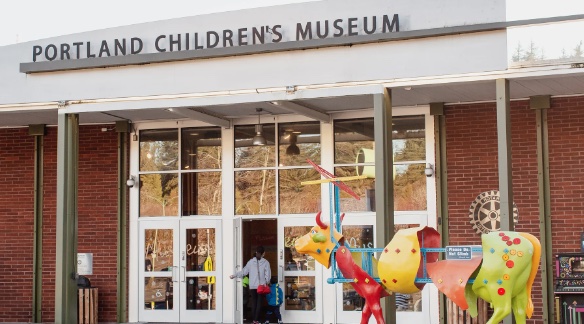
    The Portland Children’s Museum, located in Portland, Oregon, was a beloved institution dedicated to the education and enrichment of children through interactive and imaginative play. Unfortunately, the Portland Children’s Museum permanently closed its doors in June 2021 due to financial difficulties exacerbated by the COVID-19 pandemic. The decision to close was a significant loss for the community, as the museum had been a cherished resource for families for many years.

    Efforts are in motion to rebuild a new children’s museum for the city.

    These closures highlight the precarious position that many cultural institutions found themselves in during the pandemic. While some can adapt and innovate, others struggle to survive, demonstrating the critical need for a balanced approach that includes both digital and physical engagement.

    The Missed Opportunity

    The retreat from digital is a missed opportunity for museums and libraries. The pandemic demonstrated that digital platforms significantly expand the reach and impact of these institutions, connecting them with global audiences and offering new ways to experience culture and knowledge. By scaling back digital efforts, many institutions have inadvertently alienated the new audiences they had attracted during the pandemic. Additionally, the hybrid model—where digital and in-person experiences coexist—offers a sustainable path, allowing institutions to continue reaching those who can’t visit in person while enhancing the on-site experience with digital elements.

    Who Got It Right?

    While many institutions retreated from digital, some recognized the potential of maintaining and even expanding their online presence. The New York Public Library (NYPL) is a prime example of an institution that continued to rank digital engagement post-COVID. During the pandemic, the NYPL ramped up its digital content, offering virtual storytimes, online book clubs, and expanded access to its digital collections. Rather than scaling back as physical branches reopened, the NYPL has continued to invest in its digital platforms, recognizing that they offer a unique way to reach audiences beyond the city.

    Another excellent example is the Smithsonian Institution, which embraced a hybrid model by enhancing both its online and on-site offerings. The Smithsonian created the “Smithsonian Open Access” initiative, making millions of images and resources freely available online for public use.

    This commitment to digital accessibility has not only expanded the Smithsonian’s reach but also reinforced its role as a leader in educational resources.

    The Missed Opportunity

    The retreat from digital is a missed opportunity for museums and libraries. The pandemic demonstrated that digital platforms significantly expand the reach and impact of these institutions. They connect them with global audiences and offer new ways to experience culture and knowledge. By scaling back digital efforts, many institutions have inadvertently alienated the new audiences they had attracted during the pandemic. Additionally, the hybrid model—where digital and in-person experiences coexist—offers a sustainable path. By allowing institutions to continue reaching those who can’t visit in person while enhancing the on-site experience with digital elements.

    Social Media: A Missed Marketing Opportunity

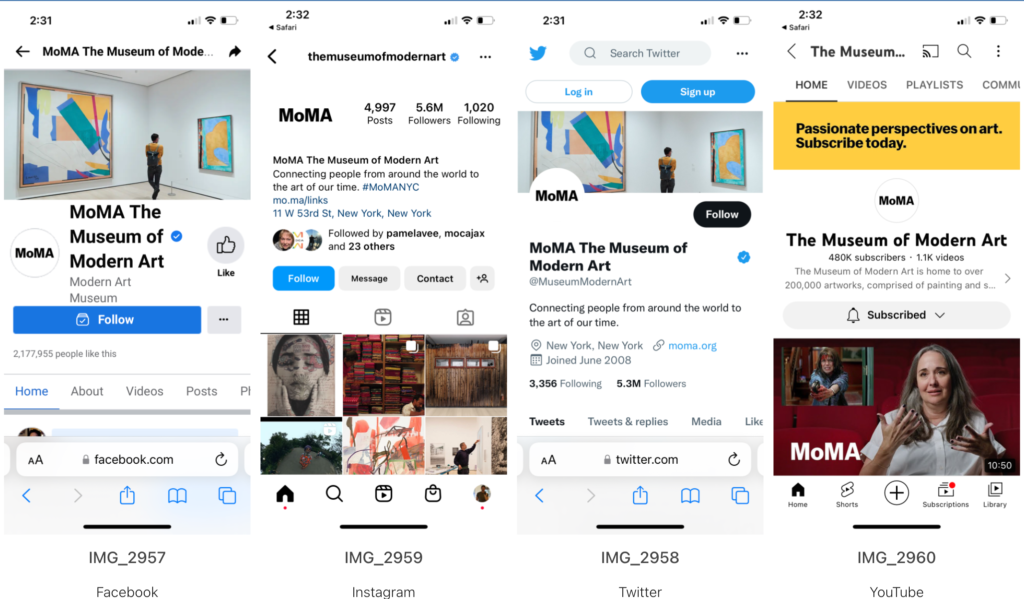
    One of the most puzzling aspects of the post-COVID digital retreat is the way many museums and libraries bury their social media links at the bottom of their websites. During the pandemic, social media emerged as one of the most powerful tools for engaging with audiences worldwide.

    These platforms allowed institutions to share content quickly, foster community interactions, and keep visibility even when physical spaces were closed. Yet, despite this proven effectiveness, many institutions still treat social media as an afterthought.

    Post-COVID, social media should be front and center on museum and library websites. They serve as the main attraction for online visitors. These channels are not just marketing tools. They are dynamic platforms for delivering content, engaging with users, and building global communities. By relegating social media links to the bottom of their websites, institutions miss out on the best opportunity to reach new audiences and keep relevance in an increasingly digital world.
    Why Digital Should Stay a Priority

    • Global Reach: Digital platforms break down geographical barriers, allowing institutions to reach a global audience. This expanded reach can drive engagement, increase visibility, and attract new supporters.
    • Accessibility: Digital content can make museums and libraries more accessible to people with disabilities, those with limited mobility, and others who face barriers to physical attendance.
    • Innovation: Maintaining a strong digital presence encourages ongoing innovation, allowing institutions to experiment with new formats, technologies, and ways of engagement.
    • Resilience: A robust digital strategy can help institutions stay resilient in the face of future disruptions, whether due to pandemics, natural disasters, or other unforeseen events.

    Conclusion

    The COVID-19 pandemic was a turning point for museums and libraries, pushing them to embrace digital platforms in ways they had never done before. But, as these institutions move ahead, they mustn’t lose sight of the lessons learned during the pandemic. By prioritizing digital engagement, museums and libraries can stay relevant, accessible, and resilient in an ever-changing world. The future of these institutions lies not in a return to the past but in a hybrid model that fully integrates the digital with the physical, offering the best of both worlds to their audiences.

  • Engaging Global Audiences: Leading Technology Platforms for GLAM Digital Exhibits

    Engaging Global Audiences: Leading Technology Platforms for GLAM Digital Exhibits

    The digital transformation of galleries, libraries, archives, and museums (GLAMs) has opened new avenues for engaging audiences worldwide. Digital exhibits offer a dynamic way to present collections and narratives, making cultural heritage more accessible. This article delves into some of the leading technology platforms that assist GLAM institutions in creating compelling digital exhibits, evaluating their strengths, limitations, and notable examples of use.

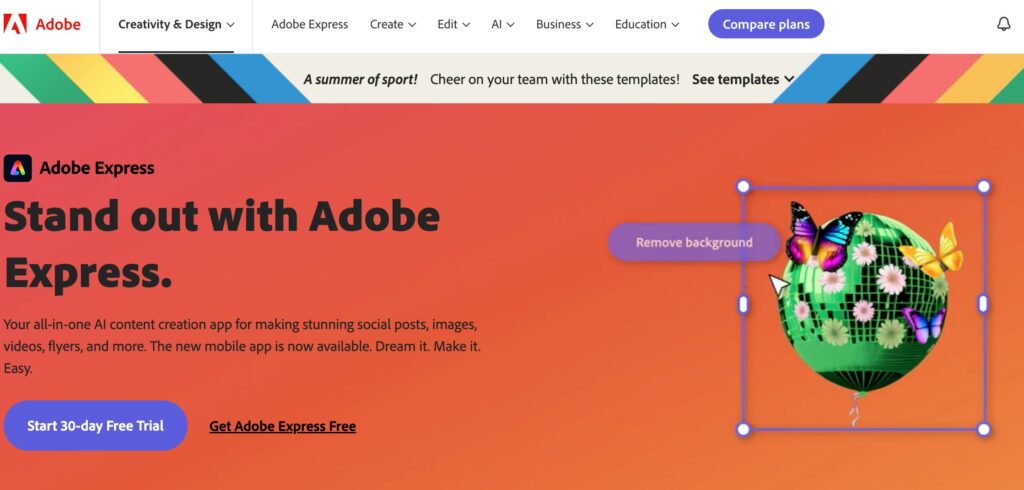
    Adobe Express

    Features and Strengths

    1. Design Templates: Adobe Express offers a wide variety of pre-designed templates that can be customized to fit the specific needs of an exhibit. This includes templates for posters, social media posts, web pages, and more.
    2. Multimedia Integration: The platform supports the incorporation of various media types, including images, videos, and audio, allowing for rich, engaging content. This multimedia approach can help bring exhibits to life and provide a deeper understanding of the subject matter.
    3. Ease of Use: With its drag-and-drop interface, Adobe Express is accessible to users with varying levels of design experience. This user-friendly approach allows GLAM institutions to create professional-quality exhibits quickly and efficiently.
    4. Brand Consistency: Adobe Express enables institutions to maintain consistent branding across all digital content. This is crucial for building a recognizable and professional online presence.
    5. Collaboration: The platform supports collaborative work, allowing multiple team members to contribute to the design and creation process, which can be particularly useful for larger projects.

    Limitations

    • Limited Advanced Features: While Adobe Express is excellent for basic to intermediate design tasks, it may lack some advanced features available in other Adobe products like Photoshop or Illustrator.
    • Subscription Model: Access to the full range of Adobe Express features requires a subscription, which might be a consideration for smaller institutions with limited budgets.

    Curatescape

    Features and Strengths

    • Location-Based Storytelling: Curatescape leverages geolocation technology to create place-based narratives. This allows users to explore stories tied to specific locations, enhancing the context and engagement of exhibits.
    • Multimedia Integration: The platform supports various media types, including images, audio, video, and text. This multimedia approach helps create rich, engaging narratives that appeal to diverse audiences.
    • User-Friendly Interface: Curatescape is designed to be easy to use, both for institutions creating content and for end-users interacting with the exhibits. The platform’s intuitive design ensures a smooth user experience.
    • Responsive Design: The platform is optimized for both web and mobile devices, ensuring that exhibits are accessible to users regardless of their device. This is particularly important for location-based storytelling, where users might be exploring sites in real-time on their smartphones.
    • Customizable and Scalable: Curatescape offers customization options that allow institutions to tailor the platform to their specific needs. Additionally, it can handle projects of varying sizes, making it scalable for both small and large institutions.
    • Community and Support: Curatescape has a supportive community and offers resources such as tutorials and documentation. This helps institutions get the most out of the platform and troubleshoot any issues.

    Limitations

    • Dependence on Mobile Technology: The platform’s reliance on mobile devices for location-based features might limit accessibility for audiences without smartphones or reliable internet access.
    • Technical Setup and Maintenance: While user-friendly, setting up Curatescape and integrating it with existing systems can require technical expertise. Ongoing maintenance and updates might also necessitate technical support.
    • Cost Considerations: While Curatescape offers valuable features, there are costs associated with its use, which might be a consideration for smaller institutions with limited budgets.

    Google Arts & Culture

    Features and Strengths

    • High-Resolution Imaging: Google Arts & Culture allows institutions to upload high-resolution images of their artifacts, enabling users to explore details that might be missed in person. The zoom feature provides an in-depth look at artworks and artifacts.
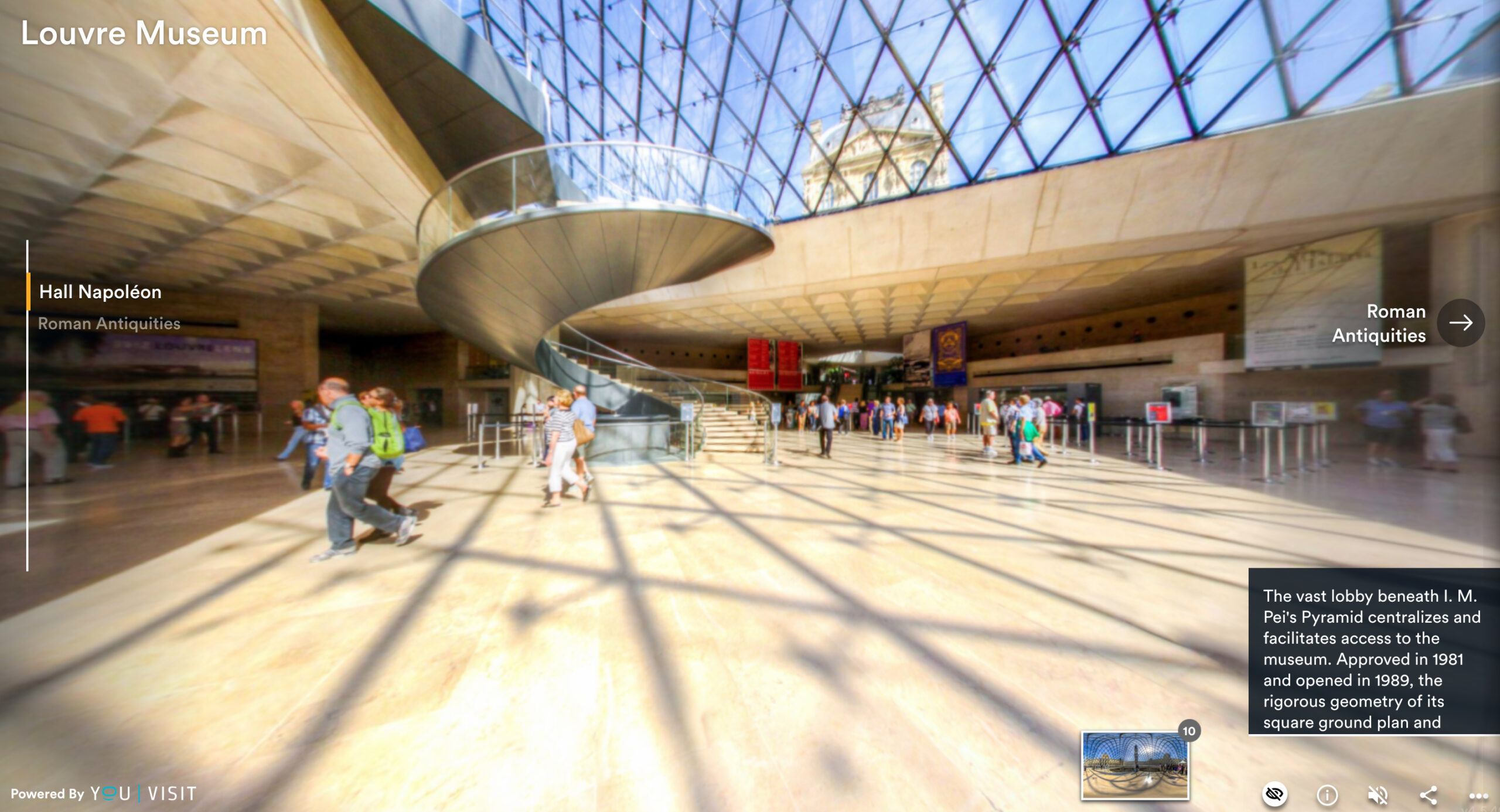
    • Virtual Tours: The platform supports 360-degree virtual tours, allowing users to virtually walk through museums and galleries from anywhere in the world. This feature is particularly beneficial for institutions looking to reach a global audience.
    • Storytelling Tools: Google Arts & Culture offers tools to create narrative-driven exhibits. Institutions can combine images, videos, audio, and text to build comprehensive stories around their collections, enhancing user engagement.
    • Extensive Reach: As part of Google, the platform has a vast audience. Exhibits created on Google Arts & Culture can reach millions of users worldwide, increasing visibility and engagement for institutions.
    • User-Friendly Interface: The platform is designed to be intuitive and easy to use, both for creators and end-users. This ease of use helps institutions create and share content quickly and effectively.
    • Educational Resources: Google Arts & Culture provides resources for educators, allowing institutions to create educational content and lesson plans. This feature helps museums and libraries engage with schools and students.
    • Cross-Platform Accessibility: The platform is accessible via web browsers and a mobile app, ensuring users can explore exhibits on various devices. This accessibility broadens the audience and allows for greater interaction.

    Limitations

    • Customization Options: While user-friendly, Google Arts & Culture may have limited customization options compared to other platforms. Institutions looking for highly tailored exhibits might find the platform somewhat restrictive.
    • Content Ownership: Institutions should be aware of content ownership and usage rights when uploading to a third-party platform like Google. It’s important to review and understand the terms and conditions.
    • Technical Requirements: High-resolution imaging and virtual tours require good technical infrastructure. Institutions without high-quality imaging equipment or technical support might face challenges.

    Matterport

    Features and Strengths

    • 3D Capture Technology: Matterport uses advanced 3D scanning technology to create highly detailed and accurate virtual replicas of physical spaces. This allows users to explore exhibits as if they were physically present.
    • Virtual Tours: The platform supports the creation of interactive virtual tours, enabling users to navigate through spaces at their own pace. This feature is particularly valuable for museums and galleries looking to provide remote access to their exhibits.
    • Dollhouse View: Matterport’s unique “dollhouse” view provides a 3D floor plan of the entire space, offering an overview that helps users understand the layout and context of the exhibit.
    • Interactive Features: Institutions can enhance their virtual tours with interactive elements such as information tags, multimedia content, and links. These features allow for deeper engagement and provide additional context to the exhibits.
    • Cross-Platform Accessibility: Matterport tours can be accessed on various devices, including desktops, tablets, and smartphones. This ensures that users can explore the exhibits from anywhere, at any time.
    • Easy Integration: The platform allows for easy integration with websites and social media, helping institutions share their virtual tours with a wider audience. Embedding Matterport tours on an institution’s website is straightforward and enhances online engagement.
    • Analytics: Matterport provides analytics tools that allow institutions to track user engagement and understand how visitors interact with their virtual tours. This data can be used to improve the exhibits and enhance user experience.

    Limitations

    • Cost: The advanced 3D capture technology and hosting services come with associated costs, which might be a barrier for smaller institutions with limited budgets.
    • Technical Expertise: Creating high-quality 3D scans and setting up interactive tours requires some technical expertise. Institutions may need to invest in training or hire external professionals.
    • Hardware Requirements: Capturing 3D images requires specific hardware, such as a Matterport Pro2 camera or compatible 360 cameras. This additional equipment represents an initial investment.

    Museum in a Box

    Features and Strengths

    • Physical and Digital Integration: Museum in a Box combines physical replicas of artifacts with digital content. Each artifact can trigger multimedia content when interacted with through a smart device, offering a blended learning experience.
    • Educational Focus: The platform is designed to enhance learning and engagement, making it ideal for schools and educational programs. It helps students connect with cultural heritage through hands-on interaction and immersive storytelling.
    • Customizable Content: Institutions can customize the content associated with each artifact, including audio narratives, videos, and images. This flexibility allows for tailored educational experiences that meet specific learning objectives.
    • Tactile Learning: The physical aspect of Museum in a Box supports tactile learning, which can be particularly beneficial for younger audiences and those with special educational needs. The tangible nature of the artifacts helps reinforce learning through touch and interaction.
    • Scalable and Portable: The boxes are designed to be portable, making it easy to share and distribute them to various locations, including classrooms, libraries, and community centers. This scalability allows institutions to reach a wider audience.
    • Interactive and Engaging: By combining physical touchpoints with digital media, Museum in a Box offers an engaging and interactive experience. This interaction helps to keep users interested and actively participating in the learning process.

    Limitations

    • Production and Shipping Costs: Creating and distributing the physical components of Museum in a Box can incur additional costs. Institutions need to consider the expense of producing replicas and shipping them to various locations.
    • Technical Setup: While the platform is user-friendly, setting up the digital components and ensuring smooth integration with the physical artifacts requires some technical knowledge.
    • Limited to Physical Distribution: Unlike fully digital platforms, Museum in a Box relies on the physical distribution of artifacts. This can limit immediate accessibility and requires logistical planning.

    Omeka

    Features and Strengths

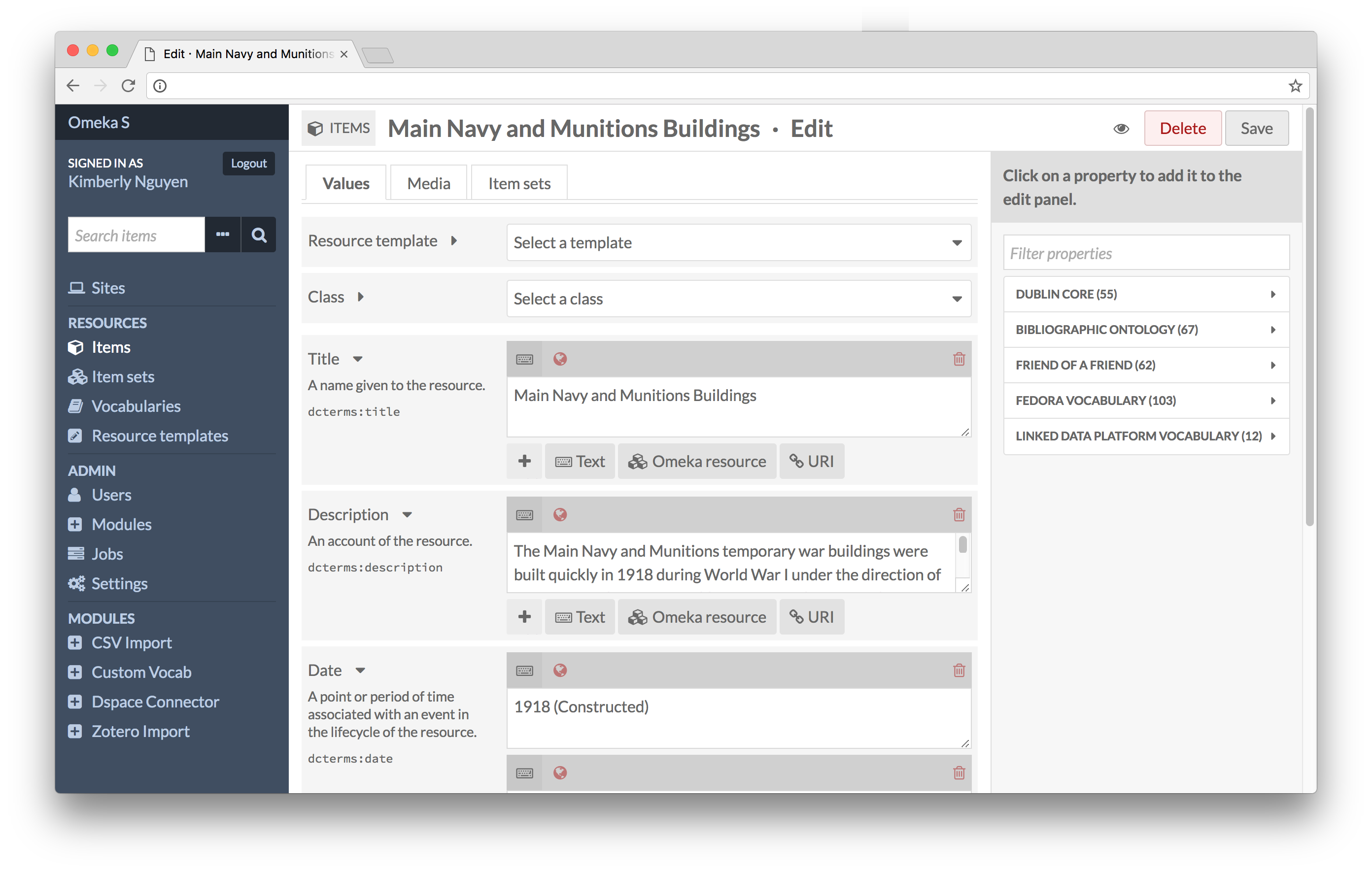
    • Open-Source Flexibility: Being open-source, Omeka offers extensive customization options. Institutions can tailor the platform to meet their specific needs by modifying the code or adding plugins.
    • Exhibit Building: Omeka allows for the creation of complex, multi-page exhibits with rich multimedia content. Institutions can easily combine images, videos, audio, and text to create engaging and informative presentations.
    • Metadata Management: The platform supports robust metadata standards, making it easier to catalog and manage digital collections. This ensures that all items in the collection are searchable and well-organized.
    • Community and Support: Omeka has a strong user community and a wealth of resources available, including forums, documentation, and tutorials. This support network is invaluable for troubleshooting and learning best practices.
    • Plugins and Themes: Omeka’s extensive library of plugins and themes allows institutions to extend the platform’s functionality. These add-ons can enhance everything from user experience to backend management.
    • Cost-Effective: As an open-source platform, Omeka is free to use. While there may be costs associated with hosting and customization, it remains a cost-effective solution compared to many proprietary platforms.

    Limitations

    • Technical Expertise Required: Setting up and maintaining Omeka can require a fair amount of technical knowledge, particularly when it comes to customization and plugin integration. Smaller institutions without dedicated IT staff might find this challenging.
    • Hosting Requirements: Institutions need to manage their own hosting, which involves additional costs and technical responsibilities. This might be a barrier for some organizations.
    • Performance: Depending on the hosting environment and the size of the collection, performance issues can arise. Large databases and extensive multimedia content can slow down the platform if not managed properly.

    Smartify

    Features and Strengths

    • Cross-Platform Accessibility: Smartify tours can be accessed on various devices, including desktops, tablets, and smartphones. This ensures that users can explore the exhibits from anywhere, at any time.
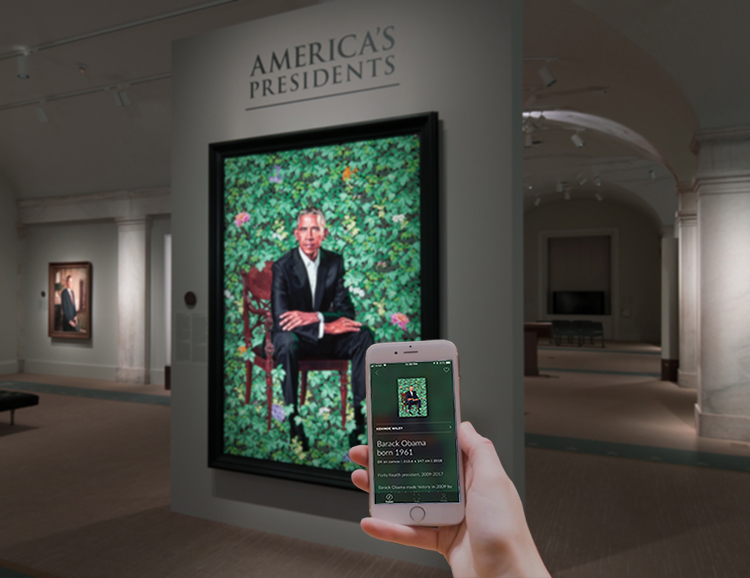
    • Image Recognition: Smartify’s technology lets users scan artworks with their smartphones to get detailed information, audio guides, and multimedia content about the items. This feature enhances the visitor experience with immediate insights.
    • Interactive Content: The platform supports the integration of various types of content, including text, audio, video, and interactive elements, providing a richer and more engaging narrative around exhibits.
    • Personalized Experience: Smartify allows users to create personal collections of their favorite scanned items. This feature encourages deeper engagement and enables users to revisit their collections anytime.
    • Accessibility: The app makes exhibits more accessible to a global audience by providing content in multiple languages and offering features that cater to diverse user needs, such as audio descriptions for visually impaired users.
    • Analytics: Smartify offers institutions detailed analytics on user engagement, helping them understand visitor behavior and preferences. This data can inform future exhibit designs and marketing strategies.
    • Integration with Existing Systems: Smartify can be integrated with an institution’s existing collection management systems, making it easier to manage and update digital content.

    Limitations

    • Initial Setup and Cost: Implementing Smartify requires an initial setup that might include digitizing collections and integrating the platform with existing systems, which can be resource-intensive. The cost of the service may also be a consideration for smaller institutions.

    These platforms provide essential tools for GLAM institutions to create engaging and accessible digital exhibits. The choice of platform will depend on the specific needs, resources, and goals of the institution, but each of these options offers unique strengths that can help bring collections and stories to a global audience.

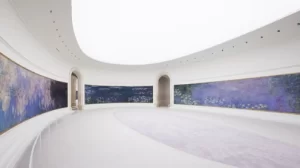
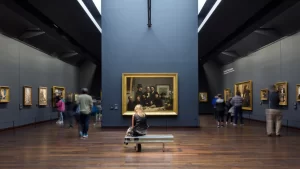
  • Olympic Museums and Libraries of Paris

    Olympic Museums and Libraries of Paris

    Paris, the City of Light, is not only known for its romantic ambiance and stunning architecture but also for its rich cultural heritage. The city boasts some of the world’s most renowned museums and libraries, offering a treasure trove of art, history, and literature. Here are some of the greatest museums and libraries you must visit in Paris:

    Museums


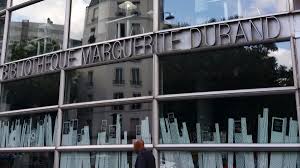
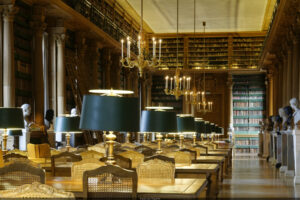
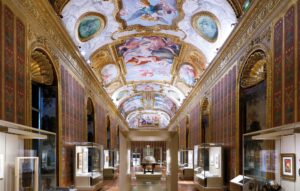
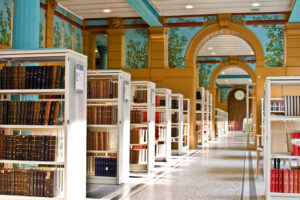
    Libraries

    Paris’s museums and libraries offer an unparalleled cultural and educational experience, showcasing the city’s rich artistic and intellectual heritage. Whether you’re an art lover, history enthusiast, or literature aficionado, these institutions provide a deep dive into the world’s cultural treasures.

  • Public Sector Jobs and the Political Scenario: Project 2025’s Impact on the GLAM Sector

    Public Sector Jobs and the Political Scenario: Project 2025’s Impact on the GLAM Sector

    With Project 2025 looming large on the political horizon, the future of public sector employment, particularly within the galleries, libraries, archives, and museums (GLAM) sector, has become a hot topic of discussion. This ambitious initiative, aimed at significant restructuring and reforms in federal government operations, brings both opportunities and uncertainties. This article explores the implications of Project 2025 for GLAM institutions and whether potential employees should be dubious about pursuing careers in this sector.

    About Project 2025

    Project 2025 is a comprehensive plan designed to streamline federal government functions, improve efficiency, and reduce bureaucracy. It emphasizes modernizing technology, enhancing accountability, and reallocating resources to priority areas. While the initiative promises a more responsive and agile government, it raises concerns about job security, funding, and the potential politicization of cultural and educational institutions.

    GLAM Sector Implications

    For the GLAM sector, the implications of Project 2025 are profound. The plan’s focus on resource reallocation could lead to shifts in funding priorities. Some institutions may receive increased support due to their alignment with national priorities, while others might face budget cuts, impacting their ability to operate and maintain their collections. The National Archives and Records Administration (NARA) and the Smithsonian Institution are prime examples of large GLAM employers within the federal government that could be significantly affected by these changes.

    Job security is another primary concern. The promise of increased efficiency often comes hand-in-hand with workforce reductions or reassignments. Employees in the GLAM sector may face job insecurity as roles are evaluated and potentially eliminated or merged. This uncertainty can significantly deter those considering public-sector employment in these fields. For instance, the Library of Congress, another major employer, may need to reassess its staffing in light of the proposed efficiency measures.

    Technological modernization is a critical component of Project 2025. This could lead to improved digital infrastructure for GLAM institutions, enhancing their ability to reach wider audiences and preserve their collections digitally. However, this requires staff to adapt to new technologies and workflows, necessitating continuous professional development. Expanding its digital presence, the National Gallery of Art exemplifies an institution that could benefit from these technological advancements while facing adaptation challenges.

    As with any significant governmental reform, there is a risk of politicization. GLAM institutions are valued for their objectivity and dedication to preserving cultural heritage. Project 2025’s changes could lead to concerns about political influence over hiring practices, programming, and curation, potentially undermining public trust. The Smithsonian Institution, with its vast array of museums and research centers, is particularly vulnerable to such concerns given its prominent public role. Below is a recent article published by Project 2025’s creator, the Heritage Foundation.

    Future Public Sector Employees

    Whether individuals should be dubious about employment with the federal government in the GLAM sector under Project 2025 is complex. Traditionally, public sector jobs are seen as stable with good benefits. However, the restructuring under Project 2025 introduces uncertainty that potential employees must weigh. The push for modernization and efficiency can create new opportunities for growth and advancement within the GLAM sector. Employees who are adaptable and skilled in technology may find exciting new roles emerging.

    For many working in the GLAM sector, the mission to preserve and promote cultural heritage is paramount. Potential employees need to consider how changes under Project 2025 align with their values and career goals. Despite uncertainties, many are driven to serve the public good. Those with a solid commitment to public service may still find working within the GLAM sector fulfilling, even amidst changes.

    Conclusion

    Project 2025 presents challenges and opportunities for public-sector employment in the GLAM sector. While the initiative aims to enhance efficiency and modernization, it also brings uncertainties regarding job security, funding, and potential politicization. Prospective employees must carefully consider these factors when deciding on a career in the GLAM sector within the federal government. Ultimately, those who are adaptable, mission-driven, and eager to embrace new technologies may find rewarding opportunities even amidst the transformative landscape of Project 2025.

  • The Role of Libraries, Galleries, Archives, and Museums During Extreme Weather

    The Role of Libraries, Galleries, Archives, and Museums During Extreme Weather

    Due to climate change, extreme weather events, from scorching heatwaves to devastating storms, are becoming increasingly frequent. In these challenging times, galleries, libraries, archives, and museums (collectively known as GLAM institutions) offer more than cultural enrichment; they provide crucial services and safe havens for communities. Here are real-life examples of how these institutions have proven invaluable during extreme weather.

    Providing Safe Shelter and Cooling Centers

    Many GLAM institutions serve as cooling centers during heat waves. For instance, during the 2021 Pacific Northwest heat wave, the Seattle Public Library opened its doors to provide a cool refuge for residents seeking relief from the record-breaking temperatures. Similarly, the New York Public Library has historically opened as a cooling center during extreme heat, offering air-conditioned spaces and water to those in need.

    Offering Access to Information and Resources

    Access to accurate and timely information is critical during extreme weather. Libraries and archives offer up-to-date information on weather forecasts, emergency procedures, and local resources. In Houston, during Hurricane Harvey in 2017, local libraries provided internet access for residents to stay informed and communicate with emergency services. Additionally, they offered charging stations for electronic devices, ensuring people could maintain contact with loved ones and receive real-time updates.

    Mental Health and Wellbeing Support

    The stress and anxiety associated with extreme weather events can take a toll on mental health. GLAM institutions can play a therapeutic role by offering a calm and quiet environment. After the 2019 bushfires in Australia, many museums and galleries, such as the National Gallery of Victoria, provided spaces for relaxation and mental respite, hosting art therapy sessions and mindfulness activities to help residents cope with the trauma.

    Community Hubs and Emergency Response Centers

    GLAM institutions often serve as community hubs, making them ideal for coordinating and disseminating aid during extreme weather events. The Chicago Public Library system has been instrumental in distributing emergency supplies and coordinating volunteer efforts during severe weather events, such as the 2011 blizzard. Their established role in the community enables them to act as trusted centers for emergency response and recovery operations.

    Preserving Cultural Heritage

    Extreme weather poses a significant threat to cultural heritage. Archives and museums play a critical role in safeguarding these items. After the flooding caused by Hurricane Katrina in 2005, the Louisiana State Museum implemented rigorous disaster response plans to protect historical artifacts and documents from damage. They also guided other institutions and individuals in protecting their collections.

    Education and Awareness

    GLAM institutions are pivotal in educating the public about climate change and extreme weather. The American Museum of Natural History in New York has hosted exhibitions and lectures on climate change, raising awareness about its causes and impacts. By fostering a better understanding of these issues, they empower communities to take proactive measures in mitigating risks and enhancing resilience.

    Supporting Vulnerable Populations

    Vulnerable populations, including the elderly, homeless, and low-income families, are often disproportionately affected by extreme weather. Libraries provide a refuge for these groups. During the 2021 Texas winter storm, libraries across the state opened their doors to offer warmth, internet access, and social services to those without power or shelter. This support was crucial in bridging the gap for those in need during the crisis.

    Conclusion

    Libraries, galleries, archives, and museums are more than repositories of knowledge and culture; they are integral to community resilience during extreme weather events. These institutions demonstrate their vital role in immediate response and long-term recovery by providing safe spaces, information, mental health support, community coordination, cultural preservation, education, and support for vulnerable populations. As we face an era of increasing climatic challenges, the multifaceted contributions of GLAM institutions will continue to be indispensable in safeguarding and sustaining our communities.


  • Sustainable Practices in Museums: How Cultural Institutions are Going Green

    Sustainable Practices in Museums: How Cultural Institutions are Going Green

    Peréz Art Museum Miami, photo by Daniel Azoulay Photography

    As cultural institutions dedicated to preserving the past and educating the public, galleries, libraries, archives, and museums (GLAMs) are uniquely responsible for addressing contemporary challenges, including environmental sustainability. Increasingly, GLAMs worldwide adopt sustainable practices to minimize their environmental impact and set an example for their communities. These efforts transform museums into greener, more responsible institutions, from eco-friendly building designs to energy-efficient operations.

    The Importance of Sustainability for GLAMs

    Galleries, libraries, archives, and museums are often large, resource-intensive buildings requiring significant energy for lighting, climate control, and day-to-day operations. By adopting sustainable practices, they can reduce their carbon footprint, lower operating costs, and contribute to global efforts to combat climate change. Additionally, GLAMs have a powerful platform to educate the public about sustainability and inspire positive environmental action.

    Key Sustainable Practices

    Green Building Design

    Many museums are incorporating green building principles into their design and construction. This includes using sustainable materials, maximizing natural light, and installing green roofs or solar panels.

    • California Academy of Sciences, San Francisco
      This museum features a living roof with native plants, solar panels, and an innovative ventilation system that reduces energy consumption. More information can be found on their website.
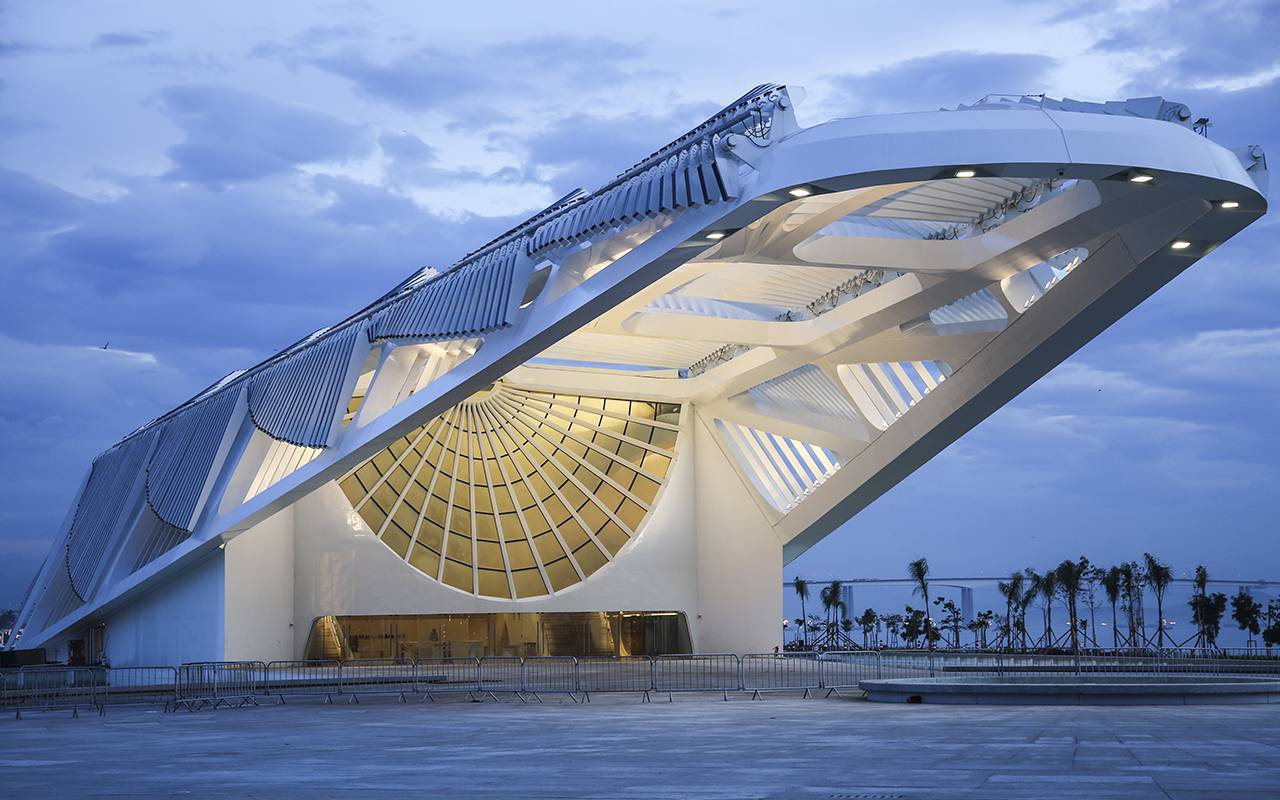
    • The Museum of Tomorrow, Rio de Janeiro
      Designed with sustainability in mind, this museum uses natural light, recycles water, and relies on renewable energy sources. Details are available here.

    Energy Efficiency

    Museums are implementing energy-efficient technologies to reduce their energy use. This includes LED lighting, smart climate control systems, and energy-efficient HVAC systems.
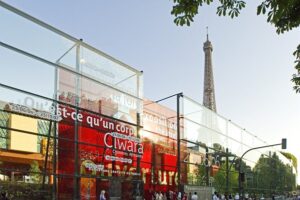
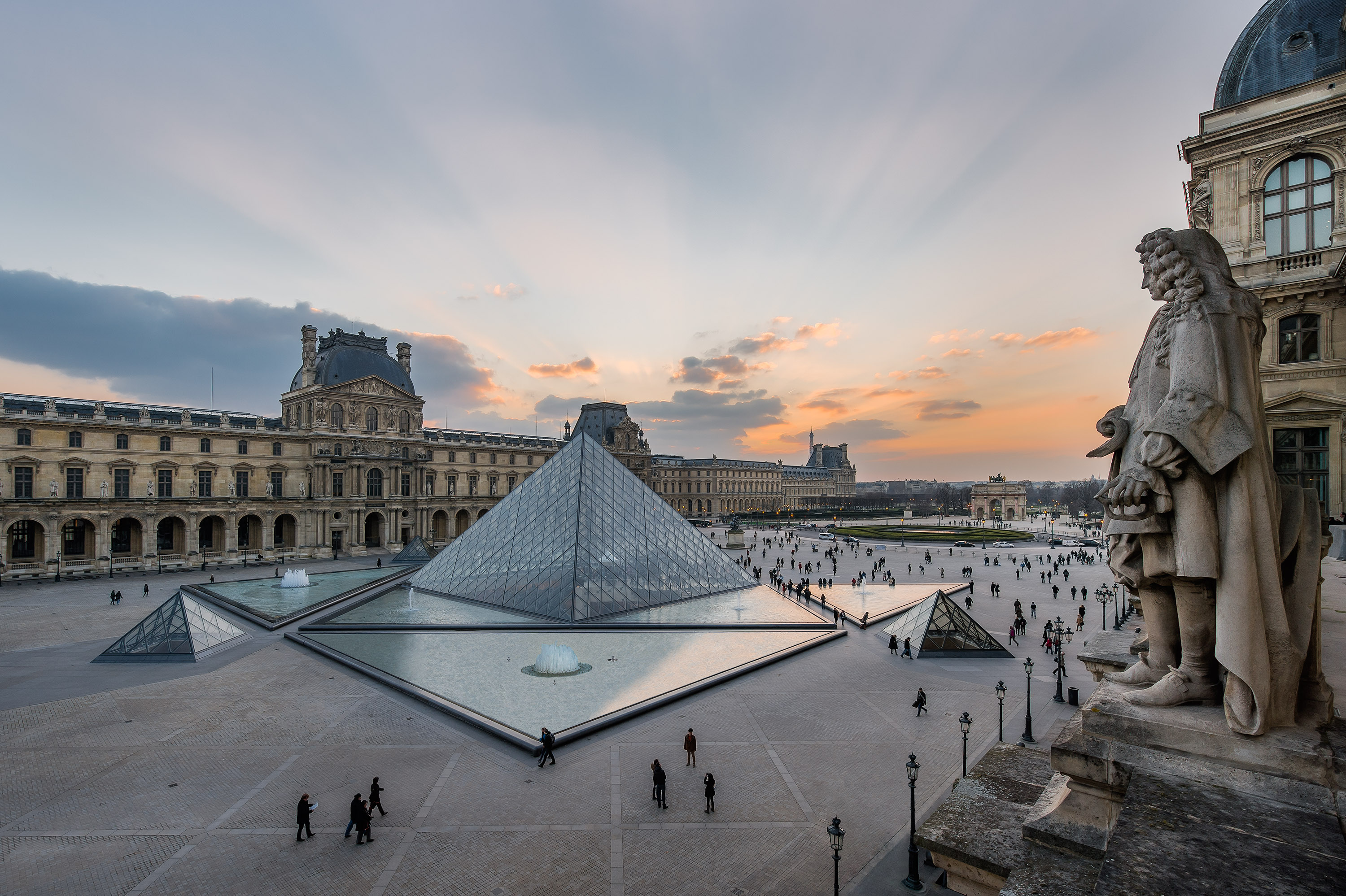
    • The Louvre, Paris
      The Louvre has undertaken extensive renovations to improve energy efficiency, including upgrading lighting systems to LEDs and improving insulation. Learn more about their efforts here.

    • The National Museum of the American Indian, Washington, D.C.
      This museum has incorporated geothermal wells to manage heating and cooling efficiently. Further information is available on their site.

    Waste Reduction and Recycling

    Museums and libraries are reducing waste through comprehensive recycling programs, composting organic waste, and minimizing single-use plastics.

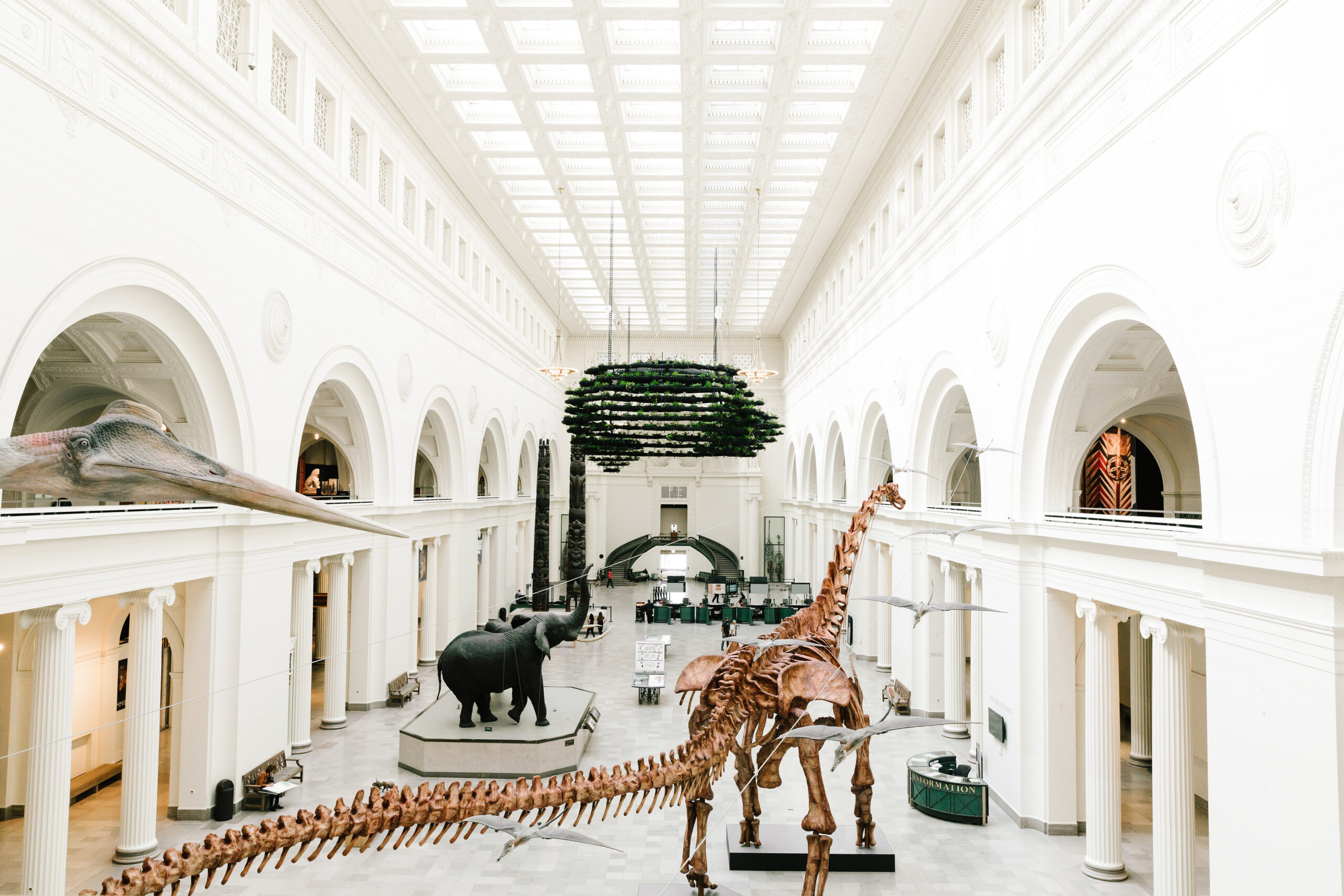
    • The Field Museum, Chicago
      This museum has implemented a zero-waste program to divert 90% of its waste from landfills through recycling and composting. More details can be found here.
    • The Natural History Museum, London
      This institution has taken steps to reduce plastic waste and encourages visitors to use refillable water bottles. Their sustainability initiatives are outlined here.

    Sustainable Exhibitions

    GLAMs design exhibitions with sustainability in mind, using recycled or reusable materials and considering the environmental impact of shipping and installation.

    • The Museum of Modern Art (MoMA), New York
      MoMA has developed guidelines for sustainable exhibition design, focusing on materials, transportation, and energy use. You can read more about their practices here.
    • The Victoria and Albert Museum, London
      This museum has created exhibitions using sustainable materials and practices, including the “Fashioned from Nature” exhibit, which highlights eco-friendly fashion. Additional information is available here.

    Community Engagement and Education

    GLAMs are leveraging their role as educational institutions to raise awareness about environmental issues and promote sustainable practices.

    • The Smithsonian Institution, Washington, D.C.
      The Smithsonian offers various programs and exhibits focused on sustainability and climate change. Explore their initiatives here.
    • The Australian Museum, Sydney
      This museum engages the public in sustainability programs, including citizen science projects and educational workshops. More can be found here.

    Conclusion

    By embracing sustainable practices, museums can significantly reduce their environmental impact while educating and inspiring the public to take action on climate change. These institutions play a crucial role in demonstrating the importance of sustainability and leading by example. As museums continue to innovate and implement green practices, they contribute to a more sustainable future for all.

  • Florida Cancels Culture: The Long-Term Impact of $32 Million Arts Funding Cuts

    Florida Cancels Culture: The Long-Term Impact of $32 Million Arts Funding Cuts

    The recent cancellation of $32 million in arts funding in Florida has sparked widespread concern among artists, educators, and community leaders. The arts sector is crucial to the state’s economy, culture, and education system. This article explores the potential long-term consequences of these funding cuts and what they mean for Florida’s future.

    Economic Impact

    Tourism and Local Economy

    Florida is known for its vibrant cultural scene, attracting tourists worldwide. Art festivals, galleries, theaters, and museums are significant draws contributing to the state’s tourism revenue. For example, the annual Miami Art Basel fair brings in millions of dollars and thousands of visitors. With reduced funding, the quality and number of these cultural attractions may decline, leading to a potential drop in tourism and local economic activity.

    Small Businesses

    Local businesses such as restaurants, cafes, and retail shops often thrive during arts events and festivals. Reduced funding could lead to fewer events, which means less business for these establishments. This can result in lower revenues and even closures, further impacting the local economy.

    Educational Impact

    Arts Education

    Schools and educational programs often depend on state funding to provide comprehensive arts education. Reduced financial support could limit students’ opportunities to engage with the arts, which are essential for fostering creativity, critical thinking, and emotional expression. For instance, school music programs might have to cut back on purchasing instruments or hosting performances, depriving students of valuable experiences.

    College and University Programs

    Higher education institutions might also feel the pinch. University arts programs, which often rely on state grants, could face budget cuts, leading to fewer scholarships, reduced course offerings, and diminished support for student projects. This could make arts education less accessible and lower the quality of training for aspiring artists.

    Cultural and Community Impact

    Public Art Projects

    Public art projects, such as murals and sculptures, enhance community spaces and promote civic pride. These projects often rely on state funding for commissioning and maintenance. Funding cuts could halt new projects and neglect existing ones, leading to a less vibrant public space.

    Community Outreach Programs

    Many arts organizations run community outreach programs that bring art to underserved populations, including low-income families and senior citizens. Reduced funding could mean fewer opportunities for these groups to participate in cultural activities essential for social inclusion and well-being.

    Quality of Life

    Healthcare Partnerships

    Art therapy programs in hospitals and clinics, which use creative processes to help patients heal and cope with illness, might suffer. These programs often rely on state funding to operate. Cuts could reduce the availability of art therapy, negatively impacting patients’ recovery and emotional health.

    Rehabilitation Programs

    Programs that use art as a rehabilitation tool in prisons and juvenile detention centers could also face reductions. These programs help inmates develop new skills, express themselves constructively, and prepare for reintegration into society. Funding cuts might limit these valuable initiatives, affecting rehabilitation outcomes.

    Long-Term Cultural Development

    Future Generations of Artists

    Support for emerging artists and arts education is crucial for nurturing future generations of cultural leaders. Funding cuts could stifle the development of young artists, leading to a decline in the creative talent pool and innovation within the arts sector. Programs like artist residencies and youth art competitions might be scaled back or discontinued.

    Innovation and Creativity

    The arts drive innovation and creativity, which is essential for a vibrant, forward-thinking society. Reduced funding could limit the scope of creative initiatives and cultural projects, stifling innovation and slowing cultural progress. For example, experimental theater companies and avant-garde art collectives might struggle to survive without adequate support.

    Conclusion

    The cancellation of $32 million in arts funding in Florida has far-reaching implications beyond the immediate financial impact. Significant concerns include a potential decline in tourism, job losses, reduced educational opportunities, and weakened community bonds. Moreover, the long-term effects on cultural heritage, public well-being, and the development of future artists highlight the critical importance of sustained investment in the arts. As Florida navigates these challenges, it is essential to consider the broader value of the arts to the state’s economy, education system, and social fabric.

  • Milwaukee: A Rising Star in Cultural Tourism

    Milwaukee: A Rising Star in Cultural Tourism

    Milwaukee, Wisconsin, often overlooked in favor of its larger Midwestern neighbors, has made significant strides in cultural investments, transforming itself into a vibrant destination for culture vultures. From museums to performing arts centers, Milwaukee offers a rich tapestry of experiences that attract visitors from around the globe. Here’s a closer look at how Milwaukee has invested in its cultural infrastructure and the positive outcomes of these efforts.

    Milwaukee Art Museum: An Architectural and Artistic Marvel

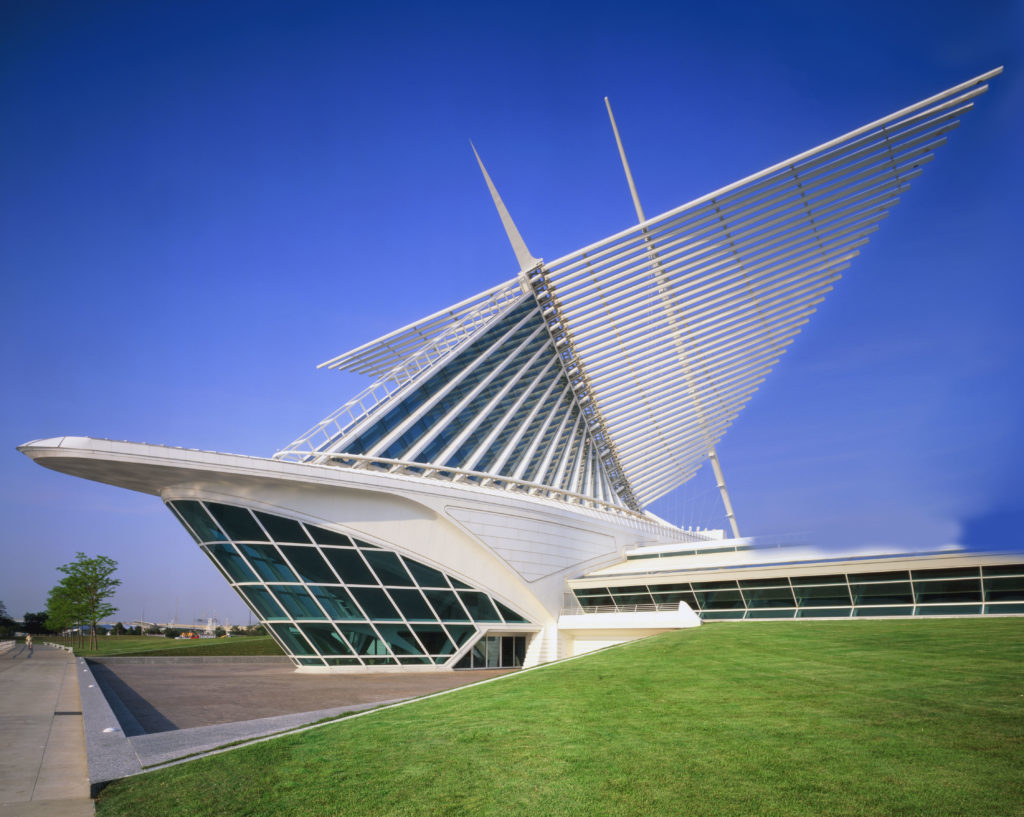
    The Milwaukee Art Museum (MAM) is a centerpiece of the city’s cultural landscape.

    • Quadracci Pavilion: Designed by Santiago Calatrava, this stunning addition, with its iconic wing-like structure, has become a symbol of Milwaukee.
    • Expansive Collections: The museum houses over 25,000 works of art, including American, European, modern, and contemporary pieces.

    The Milwaukee Art Museum’s unique architecture and extensive collections have significantly boosted tourism, drawing art enthusiasts and architecture admirers.


    Harley-Davidson Museum: Celebrating a Legendary Brand

    Milwaukee is home to the Harley-Davidson Museum, a must-visit for motorcycle enthusiasts.

    • Extensive Exhibits: The museum showcases the history and heritage of Harley-Davidson, with over 450 motorcycles and artifacts.
    • Interactive Displays: Visitors can engage with interactive exhibits and learn about the engineering and cultural impact of Harley-Davidson.

    The Harley-Davidson Museum has become a significant tourist attraction, celebrating Milwaukee’s industrial heritage and drawing visitors worldwide.


    Milwaukee Public Museum: A Journey Through Time

    The Milwaukee Public Museum (MPM) offers an immersive experience of natural and human history.

    • Dynamic Exhibits: Featuring diverse exhibits, from ancient civilizations to dioramas of local wildlife.
    • Haymarket Plaza: A newly developed public space that enhances the museum experience with outdoor exhibits and events.

    MPM’s engaging exhibits and interactive experiences have enhanced its appeal, attracting families, educators, and tourists interested in history and science.


    The Pabst Theater: A Historic Venue for Performing Arts

    The Pabst Theater, a historic gem in downtown Milwaukee, is a key player in the city’s performing arts scene.

    • Rich History: Built in 1895, it is one of the oldest continually operating theaters in the United States.
    • Diverse Programming: Hosts various performances, from concerts and plays to comedy shows and lectures.

    The Pabst Theater’s blend of historical charm and modern entertainment has made it a cultural cornerstone, boosting local tourism and providing a platform for diverse artistic expressions.


    Discovery World: Science and Technology for All Ages

    Discovery World is a premier science and technology center on Milwaukee’s lakefront.

    • Innovative Exhibits: Focuses on science, technology, freshwater resources, and maritime history.
    • Educational Programs: Offers hands-on learning experiences for children and adults, fostering a love for science and innovation.

    Discovery World’s interactive and educational exhibits have made it a popular destination for families and school groups, promoting STEM education and boosting tourism.


    The Marcus Performing Arts Center: A Cultural Hub

    The Marcus Performing Arts Center (MPAC) is Milwaukee’s premier venue for performing arts.

    • Broadway Shows: Hosts touring Broadway productions, enriching the city’s cultural offerings.
    • Local Performances: Home to the Milwaukee Ballet, Milwaukee Symphony Orchestra, and other local arts organizations.

    MPAC’s diverse programming and support for local arts have strengthened Milwaukee’s cultural scene, attracting audiences and supporting local talent.


    Conclusion: Milwaukee’s Cultural Renaissance

    Milwaukee’s strategic investments in cultural infrastructure have transformed it into a vibrant cultural destination. The city’s rich museums, theaters, and interactive experiences offer something for every culture vulture. These investments have enhanced the city’s cultural landscape, driven significant economic growth, increased tourism, and fostered a thriving local arts community. Milwaukee stands out as an exciting and dynamic destination for culture enthusiasts seeking a blend of history, art, and innovation.