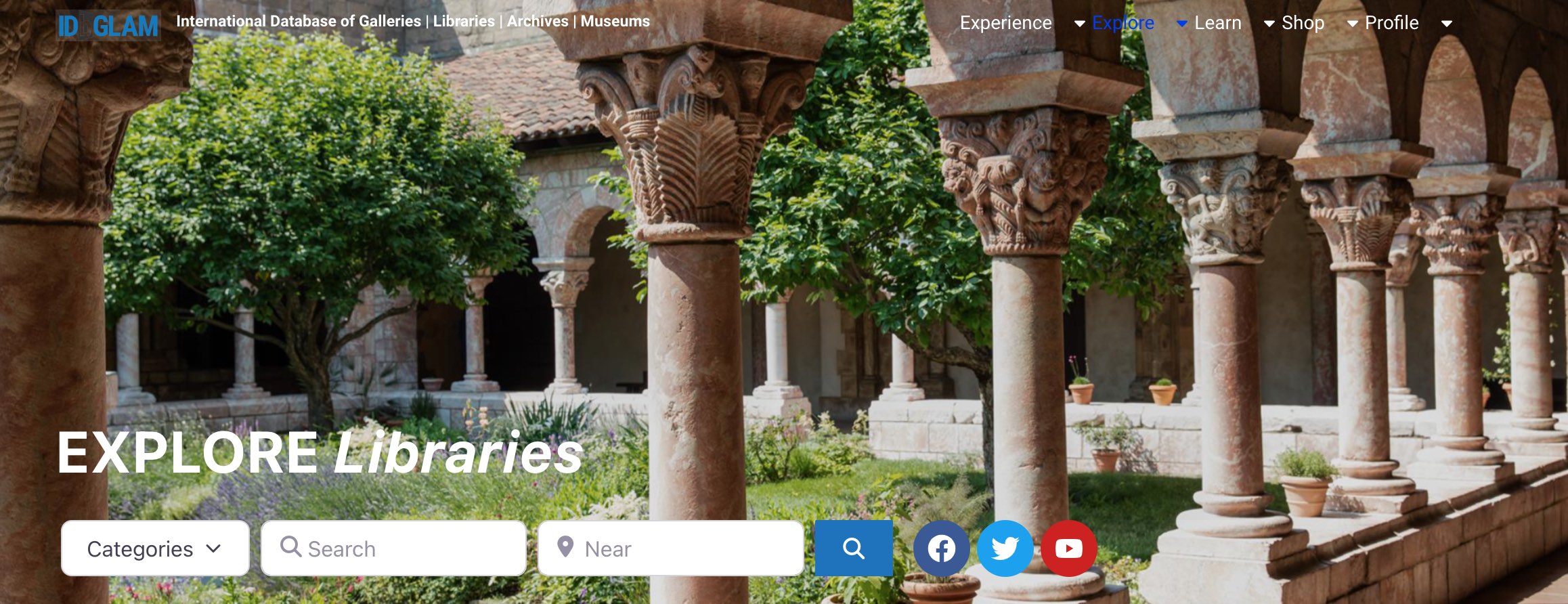
IDbGLAM is an innovative platform designed to centralize access to digitized collections and digital experiences offered by GLAM institutions worldwide. Leveraging advanced technologies like AI, VR, and AR, the platform aggregates and distributes cultural heritage experiences, serving as the “channel” for the digital GLAM sector. It connects users with tools and content from platforms such as Google Arts & Culture, Bloomberg Culture, and Smartify, while supporting institutions in enhancing their digital presence.
Discover the Best Galleries, Libraries, Archives, and Museums Worldwide
Immerse yourself in the world of galleries, libraries, archives, and museums. Unearth the global heritage and appreciate the beauty of different cultu
Key Contributions:
Platform Development: Conceptualized and built IDbGLAM as a robust, scalable digital platform to address the growing need for a centralized resource in the GLAM sector.
User Engagement: Engaged with over 4,800 industry professionals on LinkedIn and secured early adopters from university museums, achieving 20% month-over-month growth.
Digital Integration: Collaborated with Symplistic.ai to integrate AI chatbot technology and introduced user competitions through GamiPress to boost engagement.
Community Outreach: Fostered partnerships with academia, including the Pratt DX Center and Illinois Digital Heritage Hub, and sought feedback from professional communities like AAMG and MCN to refine the platform.
Revenue Strategy: Developed a freemium model to democratize access for small institutions while offering advanced tools for premium subscribers.
Impact:
IDbGLAM has become a vital resource for GLAM institutions, connecting them to a global audience and promoting cultural heritage preservation in the digital age. With traction across multiple sectors, IDbGLAM is poised to redefine how cultural content is experienced and accessed worldwide.
In recent years, Diversity, Equity, Inclusion, and Accessibility (DEIA) initiatives have faced increasing scrutiny and criticism, often labeled as “woke” by some conservative factions. Fueled by rhetoric designed to inflame division, this backlash poses significant challenges for those who foster inclusive and equitable cultural spaces. However, it’s essential to continue advocating for DEIA with a balanced, well-informed approach that addresses concerns while underscoring the critical importance of these principles.
Understanding the Backlash
The term “woke,” originally a call for awareness about social injustices, has been co-opted by some to disparage DEIA efforts. Critics argue that such initiatives impose ideological conformity, undermine meritocracy, and create division rather than unity. This perspective often overlooks the systemic inequities that DEIA seeks to address, reducing complex issues to simplistic, polarized narratives.
Specific Conservative Concerns:
Ideological Conformity: The belief that DEIA enforces a specific political or social ideology.
Meritocracy: Concerns that DEIA undermines merit-based systems.
Division: Fears that DEIA creates societal rifts rather than fostering unity.
The Importance of DEIA in the Cultural Sector
The cultural sector—encompassing museums, galleries, libraries, and other institutions—plays a vital role in shaping societal values and narratives. DEIA initiatives are not merely about representation but about ensuring that all voices are heard and respected.
For instance, a study by the American Alliance of Museums found that diverse and inclusive museums are more likely to engage and resonate with a broader audience, enhancing their relevance and impact (American Alliance of Museums, 2021). Moreover, accessibility initiatives ensure that everyone, regardless of ability, can participate fully in cultural experiences, fostering a sense of belonging and inclusion.
Learn more
Real-Life Examples
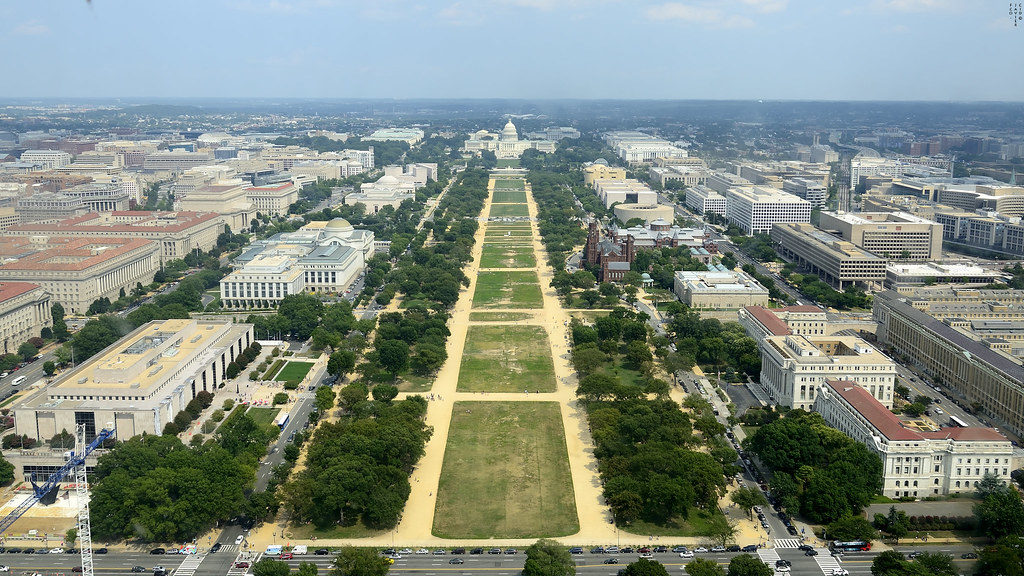
Smithsonian Institution
Implemented the “Race, Community, and Our Shared Future” initiative, which has successfully engaged diverse communities through dialogues and exhibitions. This initiative includes a series of public programs and digital content aimed at addressing race and systemic racism in the U.S.
Learn more
British Museum: Accessibility at the Museum
Launched accessibility programs, including tactile tours and sign language tours, ensuring inclusivity for visitors with disabilities. These programs have received positive feedback for enhancing the visitor experience and making the museum more accessible to all
Learn more
Addressing Conservative Criticisms
To engage constructively with conservative critiques, it is crucial to acknowledge their concerns while presenting a balanced view of DEIA’s benefits.
Strategies to Address Criticisms:
Emphasize Common Ground: Highlight shared values like fairness, justice, and opportunity. Many critics of DEIA genuinely care about meritocracy and fairness but may misunderstand the aims of DEIA initiatives. Clarifying that DEIA seeks to level the playing field rather than impose unfair advantages can bridge this gap.
Use Data and Research: Cite studies and data that demonstrate the positive impact of DEIA. For example, McKinsey & Company’s research shows that companies with diverse leadership teams are more likely to outperform their peers (McKinsey & Company, 2020). Similar findings apply to cultural institutions, where diversity can drive innovation and community engagement.
Showcase Success Stories: Highlight examples of successful DEIA initiatives that have enriched institutions without sacrificing quality or excellence. Personal stories and case studies can humanize the abstract concepts of DEIA, making them more relatable and less contentious.
Promote Open Dialogue: Encourage open, respectful conversations about DEIA. Creating forums for discussion allows for the airing of concerns and misconceptions, fostering mutual understanding and cooperation.
Moving Forward
Despite the challenges, it is crucial to persist in promoting DEIA in the cultural sector. This work is not about political correctness but about creating a more just and equitable society. By addressing criticisms thoughtfully and presenting compelling evidence of DEIA’s benefits, we can counteract divisive rhetoric and continue to build inclusive cultural spaces.
As we navigate these complex dynamics, our commitment to DEIA must remain steadfast. The cultural sector thrives on diversity, drawing strength from the myriad voices and experiences that contribute to our shared heritage. By championing DEIA, we ensure that our cultural institutions remain vibrant, relevant, and inclusive for all.
References
American Alliance of Museums. (2021). “Museums and Equity: Data and Research.” Retrieved from American Alliance of Museums.
McKinsey & Company. (2020). “Diversity Wins: How Inclusion Matters.” Retrieved from McKinsey & Company.
By promoting DEIA with clarity, empathy, and evidence, we can effectively counteract conservative critiques and continue fostering inclusive environments within the cultural sector.