Category: Diversity

  • Navigating DEIA Backlash: Addressing Conservative Concerns

    Navigating DEIA Backlash: Addressing Conservative Concerns

    In recent years, Diversity, Equity, Inclusion, and Accessibility (DEIA) initiatives have faced increasing scrutiny and criticism, often labeled as “woke” by some conservative factions. Fueled by rhetoric designed to inflame division, this backlash poses significant challenges for those who foster inclusive and equitable cultural spaces. However, it’s essential to continue advocating for DEIA with a balanced, well-informed approach that addresses concerns while underscoring the critical importance of these principles.

    Understanding the Backlash

    The term “woke,” originally a call for awareness about social injustices, has been co-opted by some to disparage DEIA efforts. Critics argue that such initiatives impose ideological conformity, undermine meritocracy, and create division rather than unity. This perspective often overlooks the systemic inequities that DEIA seeks to address, reducing complex issues to simplistic, polarized narratives.

    Specific Conservative Concerns:

    • Ideological Conformity: The belief that DEIA enforces a specific political or social ideology.
    • Meritocracy: Concerns that DEIA undermines merit-based systems.
    • Division: Fears that DEIA creates societal rifts rather than fostering unity.

    The Importance of DEIA in the Cultural Sector

    The cultural sector—encompassing museums, galleries, libraries, and other institutions—plays a vital role in shaping societal values and narratives. DEIA initiatives are not merely about representation but about ensuring that all voices are heard and respected.


    Real-Life Examples

    Addressing Conservative Criticisms

    To engage constructively with conservative critiques, it is crucial to acknowledge their concerns while presenting a balanced view of DEIA’s benefits.

    Strategies to Address Criticisms:

    • Emphasize Common Ground: Highlight shared values like fairness, justice, and opportunity. Many critics of DEIA genuinely care about meritocracy and fairness but may misunderstand the aims of DEIA initiatives. Clarifying that DEIA seeks to level the playing field rather than impose unfair advantages can bridge this gap.
    • Use Data and Research: Cite studies and data that demonstrate the positive impact of DEIA. For example, McKinsey & Company’s research shows that companies with diverse leadership teams are more likely to outperform their peers (McKinsey & Company, 2020). Similar findings apply to cultural institutions, where diversity can drive innovation and community engagement.
    • Showcase Success Stories: Highlight examples of successful DEIA initiatives that have enriched institutions without sacrificing quality or excellence. Personal stories and case studies can humanize the abstract concepts of DEIA, making them more relatable and less contentious.
    • Promote Open Dialogue: Encourage open, respectful conversations about DEIA. Creating forums for discussion allows for the airing of concerns and misconceptions, fostering mutual understanding and cooperation.

    Moving Forward

    Despite the challenges, it is crucial to persist in promoting DEIA in the cultural sector. This work is not about political correctness but about creating a more just and equitable society. By addressing criticisms thoughtfully and presenting compelling evidence of DEIA’s benefits, we can counteract divisive rhetoric and continue to build inclusive cultural spaces.

    As we navigate these complex dynamics, our commitment to DEIA must remain steadfast. The cultural sector thrives on diversity, drawing strength from the myriad voices and experiences that contribute to our shared heritage. By championing DEIA, we ensure that our cultural institutions remain vibrant, relevant, and inclusive for all.

    References

    • American Alliance of Museums. (2021). “Museums and Equity: Data and Research.” Retrieved from American Alliance of Museums.
    • McKinsey & Company. (2020). “Diversity Wins: How Inclusion Matters.” Retrieved from McKinsey & Company.

    By promoting DEIA with clarity, empathy, and evidence, we can effectively counteract conservative critiques and continue fostering inclusive environments within the cultural sector.


  • Discover Indigenous Museums Globally: A Cultural Journey

    Discover Indigenous Museums Globally: A Cultural Journey

    Indigenous museums worldwide play a crucial role in preserving and celebrating Indigenous peoples’ rich histories, cultures, and contributions. Here are 15 must-visit Indigenous museums globally:

    These indigenous museums offer a profound insight into the histories, cultures, and contributions of Indigenous peoples worldwide. They provide a platform for preserving and celebrating indigenous heritage, fostering greater understanding and appreciation of these diverse cultures.

  • Exploring the Evolution of World’s Fairs: Celebrating Innovation, Culture, and Global Connections

    Exploring the Evolution of World’s Fairs: Celebrating Innovation, Culture, and Global Connections

    World’s fairs, known as expos, have historically been pivotal in showcasing global innovation, cultural diversity, and international cooperation. These grand events serve as platforms for nations to exhibit their technological advancements, cultural heritage, and future visions while fostering dialogue and collaboration on a global scale.

    Since 1992, the world’s fairs have continued to evolve, adapting to technological advancements and global trends. These events highlight cutting-edge technologies and sustainable practices and promote dialogue on pressing global issues such as food security, urban development, and environmental sustainability.

    Embracing Digital and Physical Experiences

    In the digital age, world fairs have expanded their reach and impact through virtual platforms alongside physical exhibits. Virtual tours, live streams, and interactive online content allow global audiences to engage with expo themes and pavilions remotely, enhancing accessibility and participation.

    Iconic Examples

    Expo 1992 Seville, Spain

    Expo 1992 in Seville celebrated the 500th anniversary of Columbus’ voyage to the Americas, showcasing Spain’s rich cultural heritage and technological achievements. Explore more about Expo 1992 Seville here.

      Expo 2000 Hannover, Germany

      Expo 2000 in Hannover was themed “Humankind, Nature, and Technology.” It emphasized sustainable development and featured the iconic Expo Axis structure, symbolizing futuristic architecture and innovation. Discover Expo 2000 Hannover here.

        Expo 2010 Shanghai, China

        One of the largest world’s fairs in history, Expo 2010 Shanghai attracted over 73 million visitors. It showcased modern urban planning, sustainable development, and cultural diversity through iconic pavilions like the China Pavilion. Visit Expo 2010 Shanghai here.

          Expo 2015 Milan, Italy

          Themed “Feeding the Planet, Energy for Life,” Expo 2015 focused on global food security and sustainability. It featured interactive exhibits and pavilions from over 140 countries, highlighting agricultural innovations and environmental stewardship. Explore Expo 2015 Milan here.

            Expo 2020 Dubai, UAE

            Initially scheduled for 2020 but held in 2021 due to the COVID-19 pandemic, Expo 2020 Dubai continued the tradition of innovation with a focus on sustainability and mobility. It introduced groundbreaking pavilions like the Sustainability Pavilion, which embodied cutting-edge environmental design. Learn more about Expo 2020 Dubai here.


              Future Outlook

              Looking ahead, world’s fairs will continue to evolve as catalysts for innovation and cultural exchange. Whether experienced physically or virtually, these events will remain integral in shaping our collective vision for a sustainable and interconnected world.

              The next World’s Fair is scheduled to be held in Osaka, Japan. Initially planned for 2025, the event is officially named “Expo 2025 Osaka, Kansai, Japan.” It will take place from April 13 to October 13, 2025. The theme of Expo 2025 Osaka is “Designing Future Society for Our Lives,” focusing on sustainable development and creating a better future for humanity. For more information about Expo 2025 Osaka, visit the official website: Expo 2025 Osaka, Kansai, Japan.

            • Sustainable Practices in Museums: How Cultural Institutions are Going Green

              Sustainable Practices in Museums: How Cultural Institutions are Going Green

              Peréz Art Museum Miami, photo by Daniel Azoulay Photography

              As cultural institutions dedicated to preserving the past and educating the public, galleries, libraries, archives, and museums (GLAMs) are uniquely responsible for addressing contemporary challenges, including environmental sustainability. Increasingly, GLAMs worldwide adopt sustainable practices to minimize their environmental impact and set an example for their communities. These efforts transform museums into greener, more responsible institutions, from eco-friendly building designs to energy-efficient operations.

              The Importance of Sustainability for GLAMs

              Galleries, libraries, archives, and museums are often large, resource-intensive buildings requiring significant energy for lighting, climate control, and day-to-day operations. By adopting sustainable practices, they can reduce their carbon footprint, lower operating costs, and contribute to global efforts to combat climate change. Additionally, GLAMs have a powerful platform to educate the public about sustainability and inspire positive environmental action.

              Key Sustainable Practices

              Green Building Design

              Many museums are incorporating green building principles into their design and construction. This includes using sustainable materials, maximizing natural light, and installing green roofs or solar panels.

              • California Academy of Sciences, San Francisco
                This museum features a living roof with native plants, solar panels, and an innovative ventilation system that reduces energy consumption. More information can be found on their website.
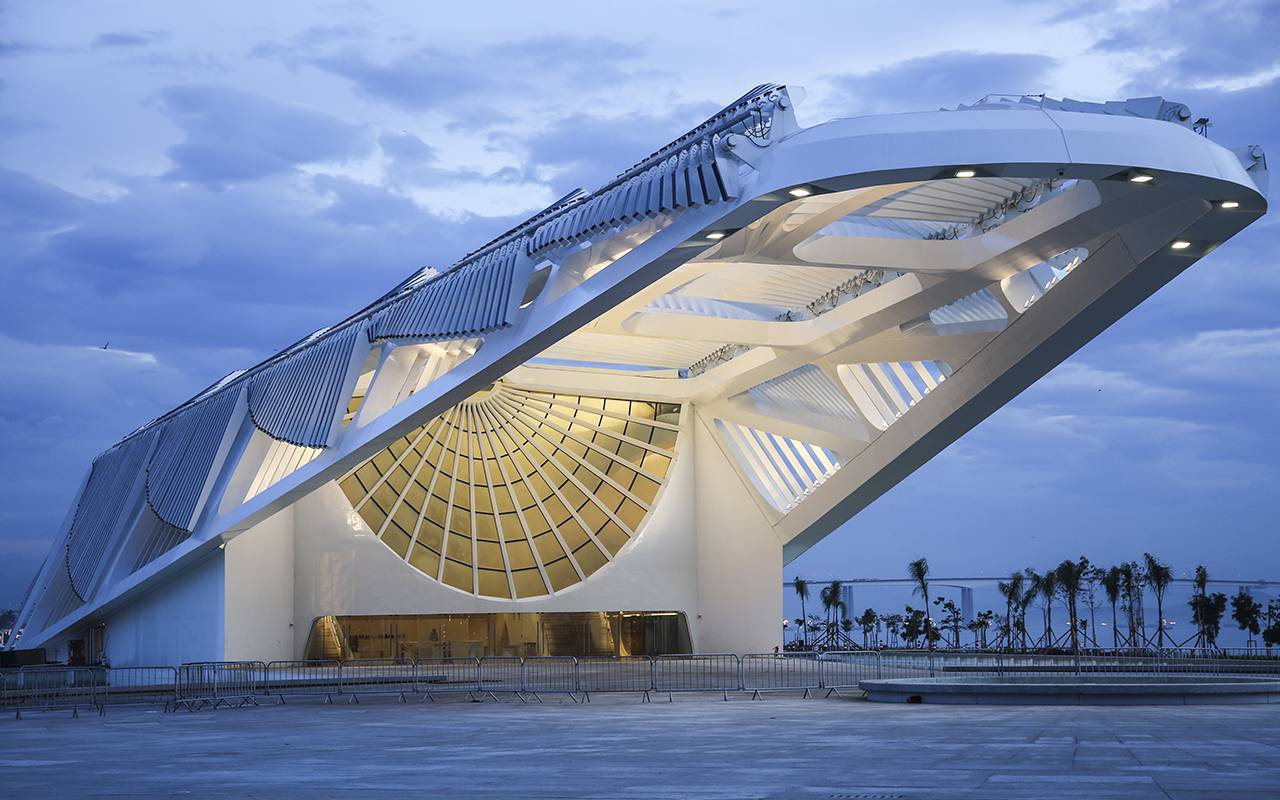
              • The Museum of Tomorrow, Rio de Janeiro
                Designed with sustainability in mind, this museum uses natural light, recycles water, and relies on renewable energy sources. Details are available here.

              Energy Efficiency

              Museums are implementing energy-efficient technologies to reduce their energy use. This includes LED lighting, smart climate control systems, and energy-efficient HVAC systems.

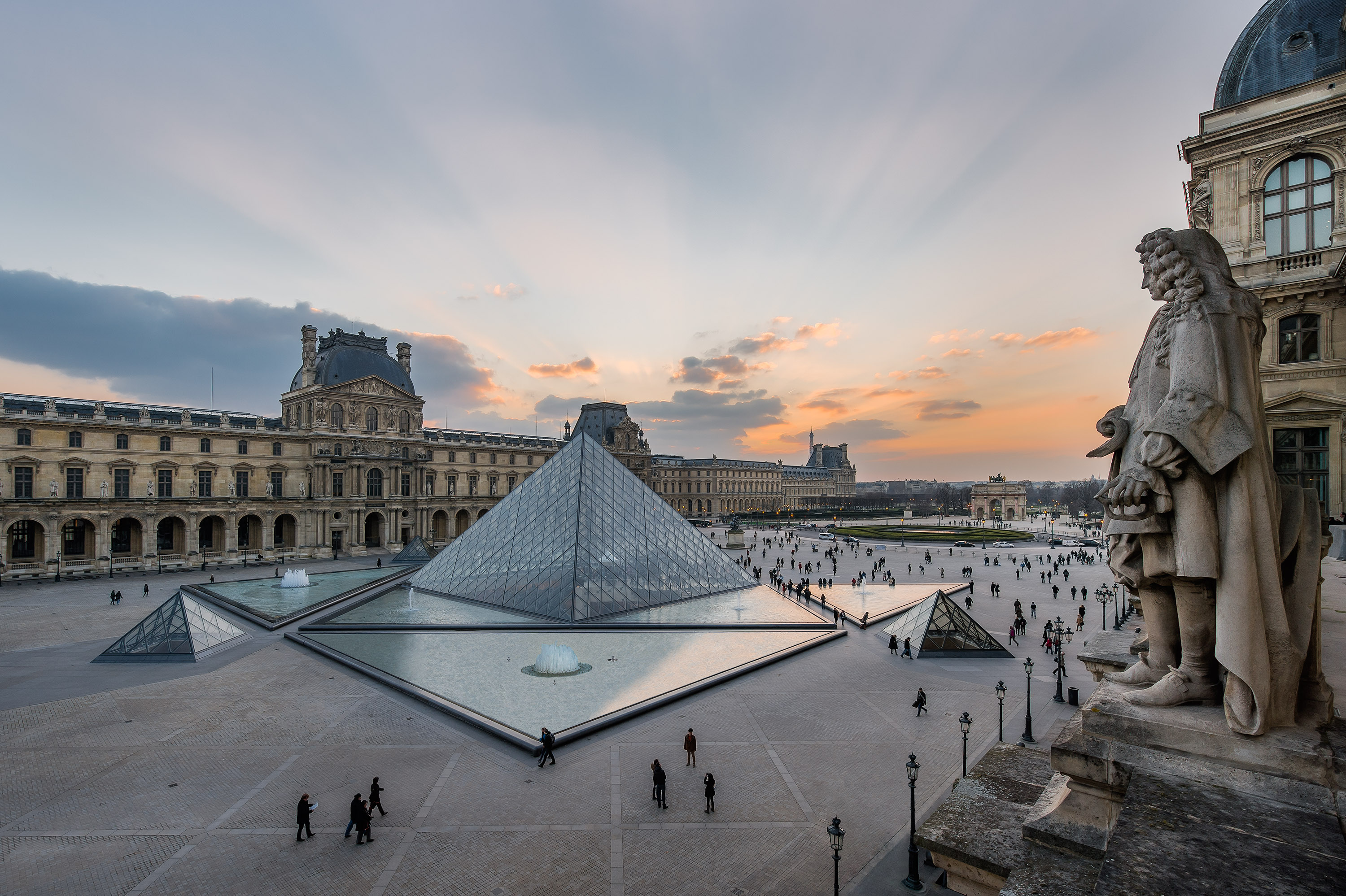
              • The Louvre, Paris
                The Louvre has undertaken extensive renovations to improve energy efficiency, including upgrading lighting systems to LEDs and improving insulation. Learn more about their efforts here.
              • The National Museum of the American Indian, Washington, D.C.
                This museum has incorporated geothermal wells to manage heating and cooling efficiently. Further information is available on their site.

              Waste Reduction and Recycling

              Museums and libraries are reducing waste through comprehensive recycling programs, composting organic waste, and minimizing single-use plastics.

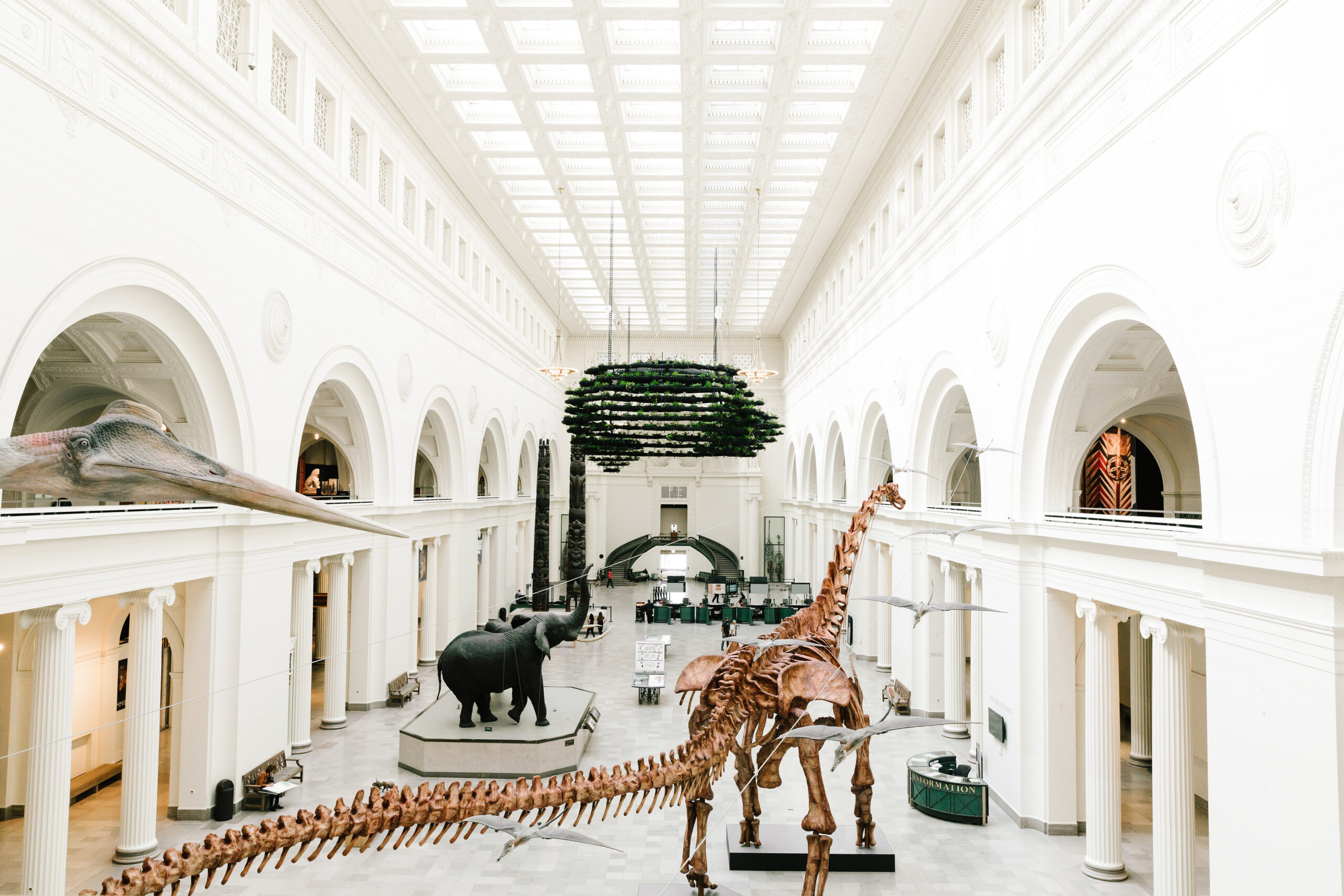
              • The Field Museum, Chicago
                This museum has implemented a zero-waste program to divert 90% of its waste from landfills through recycling and composting. More details can be found here.
              • The Natural History Museum, London
                This institution has taken steps to reduce plastic waste and encourages visitors to use refillable water bottles. Their sustainability initiatives are outlined here.

              Sustainable Exhibitions

              GLAMs design exhibitions with sustainability in mind, using recycled or reusable materials and considering the environmental impact of shipping and installation.

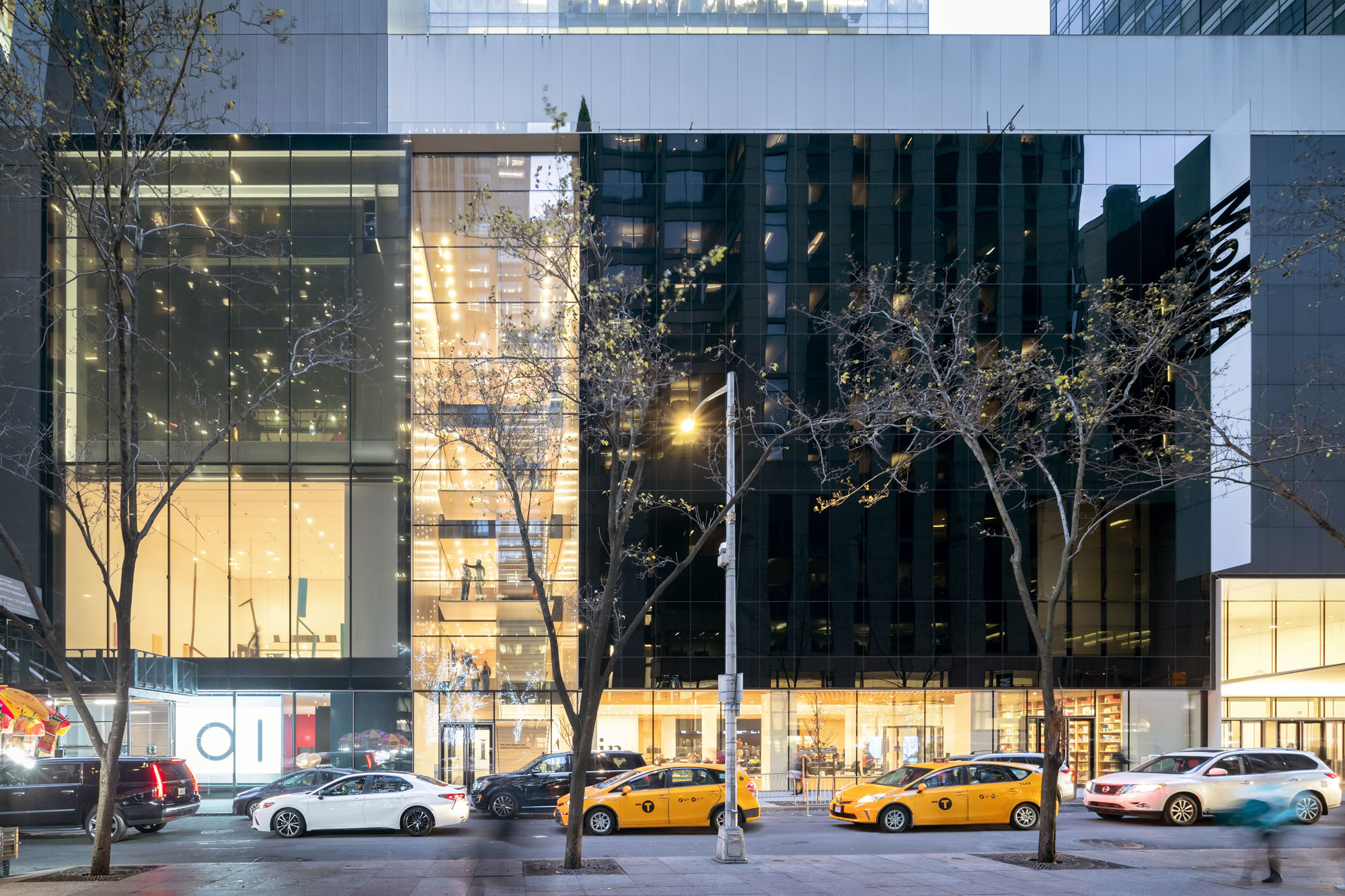
              • The Museum of Modern Art (MoMA), New York
                MoMA has developed guidelines for sustainable exhibition design, focusing on materials, transportation, and energy use. You can read more about their practices here.
              • The Victoria and Albert Museum, London
                This museum has created exhibitions using sustainable materials and practices, including the “Fashioned from Nature” exhibit, which highlights eco-friendly fashion. Additional information is available here.

              Community Engagement and Education

              GLAMs are leveraging their role as educational institutions to raise awareness about environmental issues and promote sustainable practices.

              • The Smithsonian Institution, Washington, D.C.
                The Smithsonian offers various programs and exhibits focused on sustainability and climate change. Explore their initiatives here.
              • The Australian Museum, Sydney
                This museum engages the public in sustainability programs, including citizen science projects and educational workshops. More can be found here.

              Conclusion

              By embracing sustainable practices, museums can significantly reduce their environmental impact while educating and inspiring the public to take action on climate change. These institutions play a crucial role in demonstrating the importance of sustainability and leading by example. As museums continue to innovate and implement green practices, they contribute to a more sustainable future for all.

            • The 2025 GLAM Project: A Vision for the Future of Galleries, Libraries, Archives, and Museums

              The 2025 GLAM Project: A Vision for the Future of Galleries, Libraries, Archives, and Museums

              As we look to the future, the “2025 Project” envisions a transformative era for cultural institutions such as galleries, libraries, archives, and museums (GLAM). This initiative outlines a strategic roadmap designed to embrace digital innovation, promote inclusivity, and ensure the sustainability of cultural heritage. For GLAM professionals, understanding and preparing for these changes is crucial. Here’s what you need to know about the 2025 Project and its impact on your work.

              Digital Transformation in GLAM Institutions

              The 2025 Project emphasizes the integration of digital technologies to enhance user experiences and operational efficiency. By 2025, expect a significant shift towards:

              • Virtual Reality (VR) and Augmented Reality (AR): These technologies will offer immersive experiences, allowing visitors to explore exhibits in entirely new ways. For instance, VR could recreate historical events or lost artifacts, providing a deeper understanding of our heritage.
              • Digitization of Collections: Accelerated digitization efforts will make collections more accessible globally. This will preserve fragile items and increase public engagement through online platforms.

              Promoting Cultural Diversity and Inclusion

              A core component of the 2025 Project is fostering cultural diversity and inclusion. GLAM institutions will play a pivotal role by:

              • Amplifying Underrepresented Voices: Curating exhibits and collections highlighting marginalized communities and their contributions to society.
              • Inclusive Programming: Developing programs and events that are accessible to all, including those with disabilities and non-English speakers.

              Sustainability in Cultural Practices

              Environmental sustainability is a pressing concern for the future. The 2025 Project encourages GLAM institutions to adopt eco-friendly practices such as:

              • Green Exhibits: Utilizing sustainable materials and energy-efficient technologies in exhibit design.
              • Climate-Resilient Preservation: Implementing strategies to protect collections from climate change impacts, such as temperature and humidity fluctuations.

              Innovation in Arts and Media

              The intersection of technology and creativity will give rise to innovative forms of art and media. By 2025, GLAM professionals can anticipate:

              • AI and Machine Learning: These technologies will aid in curating and interpreting collections, offering new insights and connections between items.
              • Interactive Experiences: Enhanced visitor engagement through interactive displays and installations that respond to user input.

              Global Cultural Convergence and Localization

              Globalization will continue to influence cultural trends, leading to a blend of global and local cultures. GLAM institutions will need to balance:

              • Cultural Exchange: Facilitating international collaborations and exchanges to enrich cultural understanding.
              • Local Identity: Preserving and promoting local traditions and histories globally.

              Education and Cultural Literacy

              Educating the public about cultural heritage will remain a cornerstone of GLAM institutions. The 2025 Project supports:

              • Technology-Enhanced Learning: Utilizing digital tools to make cultural education more engaging and accessible.
              • Cross-Cultural Programs: Offering programs that encourage understanding and appreciation of diverse cultures.

              Impact of Technology on Human Interaction

              As technology reshapes how we interact, GLAM institutions must navigate:

              • Digital Communication: Balancing online and offline engagement to maintain meaningful human connections.
              • Ethical Considerations: Addressing the moral implications of technology use, such as data privacy and digital equity.

              Cultural Policy and Governance

              Finally, effective policies and governance will be essential to support the goals of the 2025 Project. This includes:

              • Public-Private Partnerships: Collaborating with various stakeholders to fund and promote cultural initiatives.
              • International Cooperation: Working with global entities to tackle challenges like digital piracy and cultural preservation.

              Preparing for the Future

              For GLAM professionals, the 2025 Project presents both challenges and opportunities. By embracing digital innovation, promoting inclusivity, and committing to sustainability, you can ensure that your institution remains relevant and impactful in the years to come. Stay informed, be proactive, and engage with your peers to navigate this transformative period successfully.

              The future of culture is bright, and with the 2025 Project, galleries, libraries, archives, and museums are poised to lead the way into this exciting new era.

            • Conservative Heritage Foundation’s Project 2025: Implications for GLAM Workers

              Conservative Heritage Foundation’s Project 2025: Implications for GLAM Workers

              Project 2025, an initiative led by the Heritage Foundation, outlines a conservative agenda for potential future Republican administrations, with significant ramifications for museum and librarian professionals. The plan emphasizes stringent oversight of educational and cultural institutions, advocating for substantial changes in how these entities operate and the materials they provide. Here’s what you need to know about Project 2025 and its potential impact on your career.

              One of the most controversial aspects of Project 2025 is its approach to content deemed inappropriate, particularly materials related to sexual education, LGBTQ+ issues, and critical perspectives on race and history. The project calls for the removal of such content from schools and libraries, arguing that it contradicts conservative values.

              For librarians, this means stricter guidelines on what can be included in collections. In several states, laws have been introduced to impose severe penalties on librarians who provide access to banned books. For instance, Indiana has enacted legislation classifying the distribution of “obscene” or “harmful” materials to minors as a felony, with penalties including up to 2½ years in prison and $10,000 in fines.

              Professional Consequences

              Under Project 2025, librarians who resist these censorship efforts and continue to provide access to controversial materials could face significant professional consequences. The Heritage Foundation’s blueprint suggests that educators and librarians who distribute what they consider “pornographic” materials should be classed as registered sex offenders. This policy aims to deter the inclusion of diverse viewpoints and sensitive topics in library collections, leading to increased self-censorship among library professionals.

              Impact on Museums

              Museums are not exempt from Project 2025’s reach. The initiative advocates for a review and potential overhaul of exhibits and educational programs to ensure they align with conservative values. This could involve the removal or recontextualization of exhibits that address topics such as racial injustice, gender identity, and other progressive themes. Museum professionals might face similar legal and professional risks as librarians if they fail to comply with these new standards. The push for a more conservative interpretation of history and culture could limit museums’ ability to provide comprehensive and inclusive educational experiences.

              Navigating the Challenges

              As these policies take shape, museum and librarian workers must be aware of the changing legal landscape and potential career risks. It is crucial to stay informed about state and federal legislation affecting your profession and to seek guidance from professional organizations such as the American Library Association (ALA) and the American Alliance of Museums (AAM).

              Both organizations offer resources and support for professionals facing censorship challenges. For example, the ALA provides guidelines on handling book challenges and advocates for intellectual freedom. Staying connected with these organizations can help you navigate the complexities of the evolving regulatory environment.

              Conclusion

              Project 2025 represents a significant shift in the governance of educational and cultural institutions, with far-reaching implications for museum and librarian workers. The initiative’s focus on censorship and conservative values poses legal and professional risks, making it essential for professionals in these fields to stay informed and seek support from their respective organizations. By understanding and preparing for these changes, museum and librarian workers can better navigate the challenges ahead while continuing to provide valuable educational resources to their communities.

              For more detailed information on Project 2025 and its impact, visit the Heritage Foundation’s Project 2025 page and the American Library Association’s Office for Intellectual Freedom.


              This article incorporates Media Matters for America and The Independent information, providing a comprehensive overview of Project 2025 and its implications for museum and librarian workers.

            • Championing DEIA: A Personal Journey of Inclusivity and Advocacy

              Championing DEIA: A Personal Journey of Inclusivity and Advocacy

              In the late 1990s, I embarked on a journey as the American Alliance of Museums (AAM) diversity officer, driven by a profound belief in equitable representation and opportunities for all. My work aimed to raise visibility and create professional opportunities for young emerging professionals within the museum field. Partnering with the Smithsonian, we developed training programs to promote DEIA principles within the museum sector.

              Over the subsequent 20 years, this journey has evolved, presenting triumphs and challenges but always centered around the core values of diversity and inclusion. One significant milestone was my role as the executive director of the Historical Society of Washington, D.C., from 2014 to 2019. I spearheaded efforts to foster inclusivity in the organization’s programming, exhibits, and outreach during this time. Additionally, I created the new branding for the DC History Center. I worked with the local community to ensure their initiatives embraced diversity and represented the rich tapestry of Washington, D.C.’s history.

              However, as the DEIA movement has progressed, new challenges have emerged. Despite extensive efforts to advance inclusivity, I still read about how advocates for DEIA are facing obstacles in securing employment opportunities. Does this reflect a broader shift in hiring practices, where organizations prioritize visible markers of diversity over other forms of expertise and experience?

              This underscores the complexity of the journey toward inclusivity and prompts reflection on the unintended consequences of shifting priorities. While visible representation is important, true diversity encompasses a broad spectrum of experiences, perspectives, and voices. As advocates, it is essential to continue advocating for a more inclusive environment that celebrates diversity in all its forms.

              My journey in championing DEIA has been marked by personal and professional growth. While the challenges may be daunting at times, our progress is undeniable. No matter how small, each step forward contributes to a more just and inclusive society. As I continue this journey, I am reminded of the countless individuals whose lives have been positively impacted by our collective efforts. Their stories, struggles, and triumphs serve as a beacon of hope, guiding us toward a future where diversity, equity, inclusion, and accessibility are not just aspirations but lived realities for all.