The GLAM sector—encompassing galleries, libraries, archives, and museums—faces unique challenges and opportunities in the 21st century. As cultural institutions, GLAMs play a crucial role in preserving and promoting cultural heritage, education, and community engagement. To thrive in today’s digital and highly connected world, GLAMs must adopt innovative marketing strategies that leverage modern technology and cater to evolving audience expectations. Here are some effective marketing strategies for GLAMs in the 21st century and real-world examples.
User-Friendly Websites
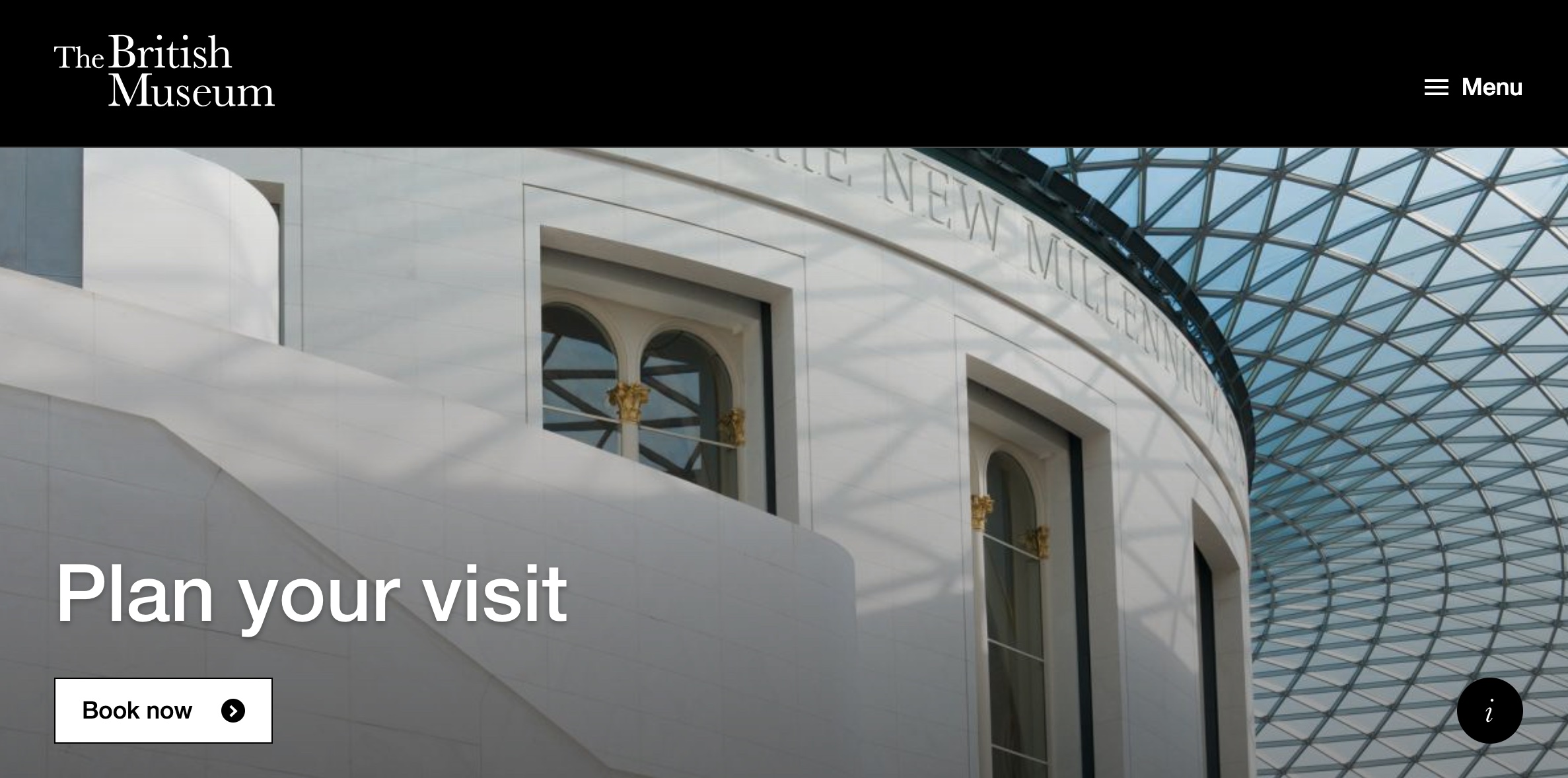
A robust and user-friendly website is essential. It should feature intuitive navigation, rich content, virtual tours, digital collections, and easy access to information about exhibitions, events, and services. The British Museum‘s website offers extensive digital resources, including virtual tours and a comprehensive collection database.
British Museum
Welcome to the British Museum – discover two million years of human history and culture.
Search Engine Optimization (SEO)
Implementing SEO strategies ensures that your institution appears prominently in search engine results, increasing visibility and attracting more visitors.
Virtual Tours and Online Exhibitions
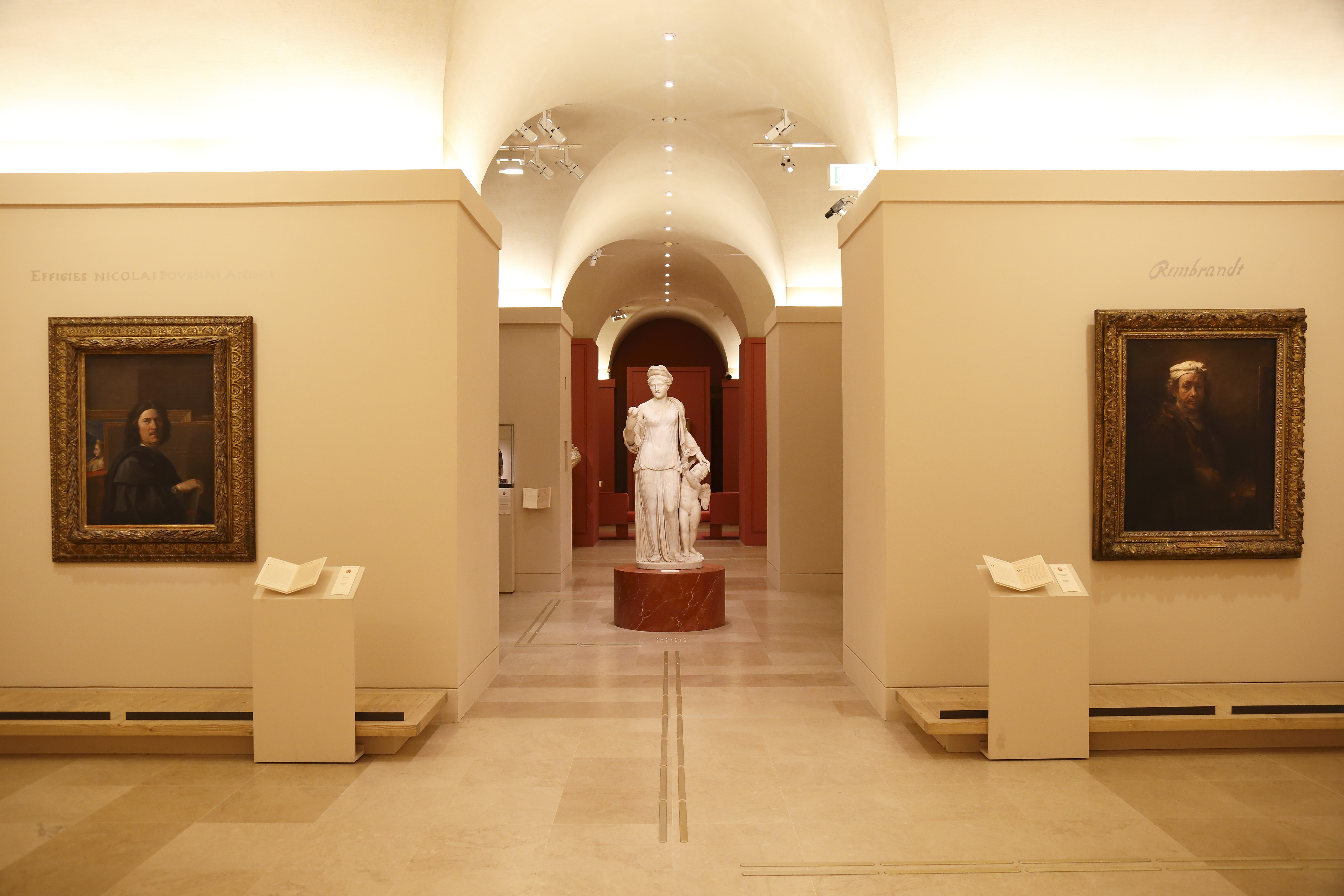
Offering virtual tours and online exhibitions can engage global audiences who cannot visit in person, providing an immersive experience from the comfort of their homes. The Louvre‘s virtual tours allow users to explore its renowned art collections online.
Online tours – Enjoy the Louvre at home!
Online tours – Enjoy the Louvre at home!
Active presence on multiple social media platforms (e.g., Facebook, Instagram, Twitter, TikTok) helps reach diverse audience segments. Tailoring content to each platform’s unique characteristics can maximize engagement. The Smithsonian National Museum of Natural History uses Instagram effectively to showcase its exhibits and engage with followers.
Interactive Content
Creating interactive content such as live streams, behind-the-scenes videos, and Q&A sessions can foster a deeper connection with the audience and encourage participation.
Influencer Collaborations
Partnering with influencers and cultural ambassadors can amplify your reach and attract new visitors. Influencers can provide authentic and relatable endorsements to their followers.
Community Engagement and Partnerships
Local Collaborations
Partnering with local businesses, schools, and community organizations can strengthen ties and create mutually beneficial opportunities, such as co-hosted events and educational programs. The New York Public Library collaborates with local schools and community organizations to offer educational programs and events.
The New York Public Library
The New York Public Library (NYPL) has been an essential provider of free books, information, ideas, and education for all New Yorkers for more than 100 years.
Inclusive Programming
Developing inclusive programs that cater to diverse communities can enhance your institution’s relevance and appeal. Ensuring accessibility for all, including people with disabilities, is crucial.
Volunteer and Membership Programs
Building strong volunteer and membership programs can foster community and loyalty. Offering exclusive benefits and events for members can incentivize participation.
Data-Driven Marketing
Audience Analytics
Data analytics can help understand visitor demographics, preferences, and behaviors, inform targeted marketing efforts, and improve the visitor experience.
Personalized Marketing
Leveraging data to deliver personalized marketing messages, such as tailored emails and recommendations, can increase engagement and conversion rates.
Feedback and Improvement
Regularly collecting and analyzing visitor feedback can help identify areas for improvement and adapt strategies to meet audience needs better.
Creative Content and Storytelling
Compelling Narratives
Creating compelling narratives around exhibitions, collections, and events can captivate audiences and enhance their connection to the institution. The J. Paul Getty Museum‘s blog provides rich storytelling about its collections and exhibitions.
Getty Iris
News, profiles, and stories about Getty’s work in Los Angeles and around the world
High-Quality Visuals
Investing in high-quality visuals, including photographs, videos, and graphics, can make your content more appealing and shareable.
Educational Content
Providing educational content, such as blogs, podcasts, and webinars, can position your institution as a valuable resource for learning and discovery.
Innovative Technologies
Augmented Reality (AR) and Virtual Reality (VR):
Incorporating AR and VR technologies can offer immersive experiences that enhance visitor engagement and bring exhibits to life in new ways. The Smithsonian Institution offers AR experiences that allow users to interact with exhibits in a virtual space.
AR Experiences | 3D Digitization
Facebook Twitter Pinterest Print Email Copy Link
Mobile Apps
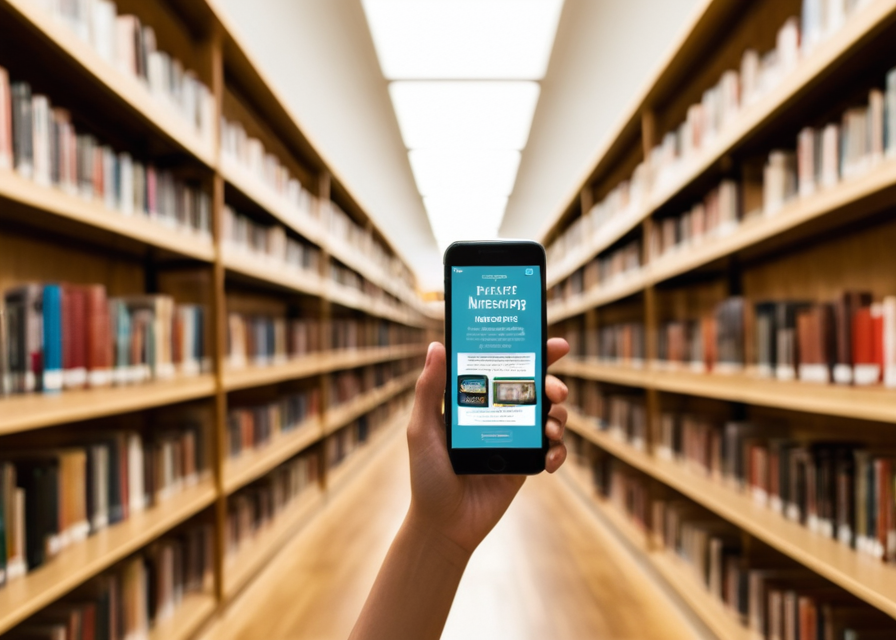
Developing mobile apps with features like interactive maps, audio guides, and personalized recommendations can enhance the visitor experience.
Smartify | Explore a World of Art and Culture
Explore a world of art and culture. Discover millions of artworks and artists, and lis…
Beacon Technology
Using beacon technology for location-based services and information can provide visitors relevant content and enhance their interaction with exhibits.
Conclusion
In the 21st century, GLAM institutions must embrace a multifaceted marketing approach that combines digital innovation, community engagement, data-driven insights, and creative storytelling. By adopting these strategies, galleries, libraries, archives, and museums can expand their reach, enrich visitor experiences, and ensure their continued relevance in a rapidly changing world.