
Category: History

History Museums

Articles about history museum projects realized by Suau Diversified.

  • Florida Cancels Culture: The Long-Term Impact of $32 Million Arts Funding Cuts

    Florida Cancels Culture: The Long-Term Impact of $32 Million Arts Funding Cuts

    The recent cancellation of $32 million in arts funding in Florida has sparked widespread concern among artists, educators, and community leaders. The arts sector is crucial to the state’s economy, culture, and education system. This article explores the potential long-term consequences of these funding cuts and what they mean for Florida’s future.

    Economic Impact

    Tourism and Local Economy

    Florida is known for its vibrant cultural scene, attracting tourists worldwide. Art festivals, galleries, theaters, and museums are significant draws contributing to the state’s tourism revenue. For example, the annual Miami Art Basel fair brings in millions of dollars and thousands of visitors. With reduced funding, the quality and number of these cultural attractions may decline, leading to a potential drop in tourism and local economic activity.

    Small Businesses

    Local businesses such as restaurants, cafes, and retail shops often thrive during arts events and festivals. Reduced funding could lead to fewer events, which means less business for these establishments. This can result in lower revenues and even closures, further impacting the local economy.

    Educational Impact

    Arts Education

    Schools and educational programs often depend on state funding to provide comprehensive arts education. Reduced financial support could limit students’ opportunities to engage with the arts, which are essential for fostering creativity, critical thinking, and emotional expression. For instance, school music programs might have to cut back on purchasing instruments or hosting performances, depriving students of valuable experiences.

    College and University Programs

    Higher education institutions might also feel the pinch. University arts programs, which often rely on state grants, could face budget cuts, leading to fewer scholarships, reduced course offerings, and diminished support for student projects. This could make arts education less accessible and lower the quality of training for aspiring artists.

    Cultural and Community Impact

    Public Art Projects

    Public art projects, such as murals and sculptures, enhance community spaces and promote civic pride. These projects often rely on state funding for commissioning and maintenance. Funding cuts could halt new projects and neglect existing ones, leading to a less vibrant public space.

    Community Outreach Programs

    Many arts organizations run community outreach programs that bring art to underserved populations, including low-income families and senior citizens. Reduced funding could mean fewer opportunities for these groups to participate in cultural activities essential for social inclusion and well-being.

    Quality of Life

    Healthcare Partnerships

    Art therapy programs in hospitals and clinics, which use creative processes to help patients heal and cope with illness, might suffer. These programs often rely on state funding to operate. Cuts could reduce the availability of art therapy, negatively impacting patients’ recovery and emotional health.

    Rehabilitation Programs

    Programs that use art as a rehabilitation tool in prisons and juvenile detention centers could also face reductions. These programs help inmates develop new skills, express themselves constructively, and prepare for reintegration into society. Funding cuts might limit these valuable initiatives, affecting rehabilitation outcomes.

    Long-Term Cultural Development

    Future Generations of Artists

    Support for emerging artists and arts education is crucial for nurturing future generations of cultural leaders. Funding cuts could stifle the development of young artists, leading to a decline in the creative talent pool and innovation within the arts sector. Programs like artist residencies and youth art competitions might be scaled back or discontinued.

    Innovation and Creativity

    The arts drive innovation and creativity, which is essential for a vibrant, forward-thinking society. Reduced funding could limit the scope of creative initiatives and cultural projects, stifling innovation and slowing cultural progress. For example, experimental theater companies and avant-garde art collectives might struggle to survive without adequate support.

    Conclusion

    The cancellation of $32 million in arts funding in Florida has far-reaching implications beyond the immediate financial impact. Significant concerns include a potential decline in tourism, job losses, reduced educational opportunities, and weakened community bonds. Moreover, the long-term effects on cultural heritage, public well-being, and the development of future artists highlight the critical importance of sustained investment in the arts. As Florida navigates these challenges, it is essential to consider the broader value of the arts to the state’s economy, education system, and social fabric.
  • Milwaukee: A Rising Star in Cultural Tourism

    Milwaukee: A Rising Star in Cultural Tourism

    Milwaukee, Wisconsin, often overlooked in favor of its larger Midwestern neighbors, has made significant strides in cultural investments, transforming itself into a vibrant destination for culture vultures. From museums to performing arts centers, Milwaukee offers a rich tapestry of experiences that attract visitors from around the globe. Here’s a closer look at how Milwaukee has invested in its cultural infrastructure and the positive outcomes of these efforts.

    Milwaukee Art Museum: An Architectural and Artistic Marvel

    The Milwaukee Art Museum (MAM) is a centerpiece of the city’s cultural landscape.

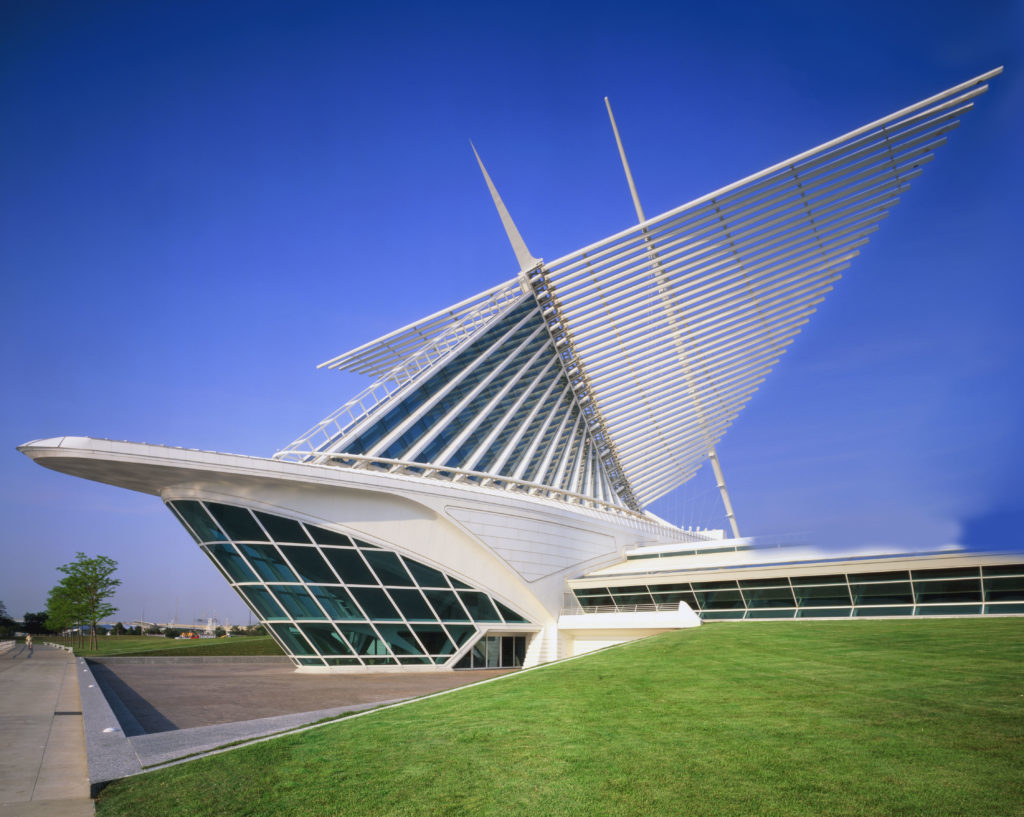
    • Quadracci Pavilion: Designed by Santiago Calatrava, this stunning addition, with its iconic wing-like structure, has become a symbol of Milwaukee.
    • Expansive Collections: The museum houses over 25,000 works of art, including American, European, modern, and contemporary pieces.

    The Milwaukee Art Museum’s unique architecture and extensive collections have significantly boosted tourism, drawing art enthusiasts and architecture admirers.


    Harley-Davidson Museum: Celebrating a Legendary Brand

    Milwaukee is home to the Harley-Davidson Museum, a must-visit for motorcycle enthusiasts.

    • Extensive Exhibits: The museum showcases the history and heritage of Harley-Davidson, with over 450 motorcycles and artifacts.
    • Interactive Displays: Visitors can engage with interactive exhibits and learn about the engineering and cultural impact of Harley-Davidson.

    The Harley-Davidson Museum has become a significant tourist attraction, celebrating Milwaukee’s industrial heritage and drawing visitors worldwide.


    Milwaukee Public Museum: A Journey Through Time

    The Milwaukee Public Museum (MPM) offers an immersive experience of natural and human history.

    • Dynamic Exhibits: Featuring diverse exhibits, from ancient civilizations to dioramas of local wildlife.
    • Haymarket Plaza: A newly developed public space that enhances the museum experience with outdoor exhibits and events.

    MPM’s engaging exhibits and interactive experiences have enhanced its appeal, attracting families, educators, and tourists interested in history and science.


    The Pabst Theater: A Historic Venue for Performing Arts

    The Pabst Theater, a historic gem in downtown Milwaukee, is a key player in the city’s performing arts scene.

    • Rich History: Built in 1895, it is one of the oldest continually operating theaters in the United States.
    • Diverse Programming: Hosts various performances, from concerts and plays to comedy shows and lectures.

    The Pabst Theater’s blend of historical charm and modern entertainment has made it a cultural cornerstone, boosting local tourism and providing a platform for diverse artistic expressions.


    Discovery World: Science and Technology for All Ages

    Discovery World is a premier science and technology center on Milwaukee’s lakefront.

    • Innovative Exhibits: Focuses on science, technology, freshwater resources, and maritime history.
    • Educational Programs: Offers hands-on learning experiences for children and adults, fostering a love for science and innovation.

    Discovery World’s interactive and educational exhibits have made it a popular destination for families and school groups, promoting STEM education and boosting tourism.


    The Marcus Performing Arts Center: A Cultural Hub

    The Marcus Performing Arts Center (MPAC) is Milwaukee’s premier venue for performing arts.

    • Broadway Shows: Hosts touring Broadway productions, enriching the city’s cultural offerings.
    • Local Performances: Home to the Milwaukee Ballet, Milwaukee Symphony Orchestra, and other local arts organizations.

    MPAC’s diverse programming and support for local arts have strengthened Milwaukee’s cultural scene, attracting audiences and supporting local talent.


    Conclusion: Milwaukee’s Cultural Renaissance

    Milwaukee’s strategic investments in cultural infrastructure have transformed it into a vibrant cultural destination. The city’s rich museums, theaters, and interactive experiences offer something for every culture vulture. These investments have enhanced the city’s cultural landscape, driven significant economic growth, increased tourism, and fostered a thriving local arts community. Milwaukee stands out as an exciting and dynamic destination for culture enthusiasts seeking a blend of history, art, and innovation.

  • Uncover Some of the World’s Most Unusual Museums: From Phallic Specimens to Failed Relationships

    Uncover Some of the World’s Most Unusual Museums: From Phallic Specimens to Failed Relationships

    Are you a fan of all things quirky and offbeat in the world of museums?

    If so, you’ll love exploring these ten obscure gems that will pique your curiosity and spark your imagination. From the fascinating history of dog collars to the chilling world of medieval torture instruments, these museums offer a unique glimpse into the strange and unusual. So, gather your fellow GLAM enthusiasts and embark on a journey of discovery to some of the most unconventional museums around the globe.

    Step into the Dog Collar Museum at Leeds Castle in England, where you can marvel at a collection of over 130 ornate dog collars dating back to the 15th century. Discover the evolution of canine fashion and the intricate craftsmanship behind each collar, showcasing a unique blend of art and functionality.

    Venture into the Museum of Broken Relationships in Zagreb, Croatia, where heartbreak takes center stage. Explore a poignant collection of artifacts donated by individuals worldwide, each telling a story of love lost and emotional upheaval. It’s a tribute to the complexities of human relationships and the resilience of the human spirit.

    Journey to Reykjavik, Iceland, to visit the Icelandic Phallological Museum – home to many phallic specimens from various mammals, including whales, seals, and humans. Delve into the cultural significance of the male reproductive organ and marvel at the diversity of shapes and sizes on display.

    The Kansas Barbed Wire Museum in La Crosse, Kansas, showcases the history and evolution of barbed wire, showcasing a diverse collection of barbed wire varieties, tools, and artifacts related to fencing. Visitors can learn about the role of barbed wire in shaping the American West and its impact on agriculture and settlement. The museum offers a fascinating look at an everyday object turned into a history worth exploring.

    If you taste the bizarre, stop by the Museum of Bad Art in Massachusetts, where hilariously terrible artworks take center stage. Embrace the beauty in imperfection as you explore a collection of rejected paintings and sculptures that defy traditional art standards.

    A few other museologically interesting venues include:

    These are just a few of the unconventional museums that await your discovery. Embrace the weird and wonderful world of GLAM and let your curiosity lead you to new and exciting corners of the museum universe. Who knows what hidden treasures you might uncover along the way!

    What’s your favorite quirky museum?

  • DC History Center

    DC History Center

    digital marketing strategist
    John Suau

    Created over five years, the DC History Center, an urban history center in the US, opened on May 11, 2019. The center includes a library and a museum and is operated by the Historical Society of Washington, D.C. Founded in 1898, the society has long struggled to find the “right-size” home to support its mission in Washington.

    The Historical Society closed in 2011 due to a lack of funding and was without a director for three years. After a two-year search, the Historical Society hired John Suau. Under his leadership, a beautiful new destination for DC history was created. The American Architecture Awards recently named Apple’s transformative restoration of the Carnegie Library the best restoration of 2020. With the support of technology, its transition into a 21st-century urban history center is finished.

    Digital Communications

    Rebranding the organization

    Creating a new digital footprint with a cost-efficient blog website enabled easier integration with other digital marketing tools.

    The organization was rebranded as @dchistory to strengthen the brand consistently across Twitter/X, Instagram, and Facebook.

    Exhibits

    Creating new exhibits enlivened community participation and engaged artists and photographers in the Historical Society’s work.

    For the Record is one example. This was a crowd-sourced exhibit program about documenting the built environment of contemporary Washington, D.C. A group of museum curators juried the exhibition. It rapidly grew into one of the local community’s most engaging exhibits. From 2017 through May 2019, the Historical Society vacated the Carnegie Library to restore it.

    During the restoration, community partners played a crucial role. The Newseum, the National Building Museum, and the George Washington University Museum provided program and operation space. This allowed for continued engagement with the local community.

    Public Programs

    Partnerships with community organizations are an important part of the new DC History Center. These partners enhance programs and bring new and diverse audiences to the new DC History Center. In 2014, the society partnered with the Smithsonian National Museum of African American History and Culture (NMAAHC). They hosted the final edition of “Saving Our African American Treasures.”

    The DC History Center produced numerous public programs, including tours, workshops, and speaker series. The annual DC History Conference partnered with the DC Public Library and the George Washington University Gelman Library. It worked with the National Archives. The University of the District of Columbia also collaborated. The Smithsonian National Museum of American History was included as well.

    Community Partnerships

    Community partnerships expanded the organization’s reach by establishing strategic alliances with local organizations. Partnerships include the Capital Pride Alliance and the DC Public Library. Other partners are the DC Preservation League, the George Washington University Museum, the National Archives, and the National Building Museum.

    Collaborative relationships were formed with museum colleagues at the Smithsonian Anacostia Museum. Additionally, we connected with colleagues at Smithsonian Associates. We also reached out to the Smithsonian Latino Center and the Smithsonian National Museum of African American History and Culture.

    The Historical Society developed a long-term strategic partnership with the DC Office of Planning. This partnership helped to develop HistoryQuest DC. It is an interactive map with historical data on approximately 127,000 buildings in Washington, DC.

    The map offers many layers of information for the user. The website provides historical data on individual buildings. It also links to information about properties on the National Register of Historic Places.

    Fundraising and Grants

    A complimentary program, the Visionary Historian Award, was established to create a second fundraising event recognizing local historians.


    Together, the award programs increase the organization’s visibility and elevate the brand across the city. The events raised 10-15% of the organization’s annual budget. Augmented support from DC government agencies like the DC Commission on the Arts and Humanities and HumanitiesDC bolstered public support. Project grants from the Office of Planning also contributed. Overall, public support increased by more than 2300%. 

    Corporate Partnerships

    Apple and the Carnegie Library Restoration

    DC History Center

    This new facility includes three exhibit galleries, a research library, a retail store, offices, and state-of-the-art collection storage facilities. From rebranding to a successful partnership with Apple, the DC History Center is now a 21st-century cultural hub. It welcomes all visitors for free, advancing the mission of the Historical Society.

    selma thomas
    Selma Thomas, Museum Consultant

    John brought both vision and good management to the Historical Society and with his professional background and contacts, turned an archaic institution into a vibrant player in the city’s cultural scene.

  • THE BIG PICTURE

    THE BIG PICTURE

    John Suau conceived and created THE BIG PICTURE, the inaugural exhibit of the new DC History Center. The project presented an opportunity to open a new gallery space in a restored historic landmark building that was being restored by Apple with an unknown timeline.

    Design Challenge

    As outlined above, the project had a short and moving timeline. The restoration began in August 2017. The entire operations of the Historical Society were relocated to the Newseum including the majority of the collections. The remainder were relocated to offsite storage facilities. The target opening date was December 2018. However, building renovations were difficult. As in most historic restoration projects, surprises were found and delays ensued.

    Working with a very tight timeline, there were also limited resources available. John Suau created new funding opportunities for local companies to sponsor, with THE BIG PICTURE as a big part of the package. The unknown reopening date prevented the establishment of a stable environment for collections. The design solution would require an exhibit with reproductions with maximum visual impact and broad programming options.

    Exhibit Content

    Since he started in March of 2014, John Suau had been fascinated with the Capitol Photo Service collection of the Historical Society. With over 3,500 panoramic images dating from the early 1900s, Suau worked closely with a photo editor and contract researchers to select 70 images that would best serve for this exhibit. These images were curated and reproduced in various formats, from large analog screens to digital formats for touchscreens. The results provide dramatic and diverse stories that convey the rich history of Washington, D.C.

    From the DC History Center

    suau creates history exhibit
    THE BIG PICTURE exhibit

    “In the first half of the 20th century, photographers recorded milestones using panoramic technology. Very few people alive have seen them. Until now.

    THE BIG PICTURE reveals how these craftsmen captured DC history. From Rudolph Valentino’s visit to the White House to the 1924 World Series Championship, these magnificent panoramic photographs document visiting celebrities and moments of great pride.

    They celebrate the District of Columbia’s highs, acknowledge its lows, and reveal everyday life. THE BIG PICTURE presents more than 70 of the resonant images to take you back to the Washington you remember and the one you never knew. Come see these images–-several of which are blown up so large that you’ll feel like you’re a part of them–for a completely new experience of Washington’s past. THE BIG PICTURE is the context for today’s richly diverse DC, the familiar, the surprising, and the beautiful.”

    Design Solution

    John Suau found the solution in the creation of giant light boxes for mounting (and backlighting) large reproductions from a huge collection of panoramic images. Five of them were enlarged to over forty feet long and nine feet high.

    To complement the large images, the exhibit includes additional digital images. Several are featured on the opening digital screen, rolling across the screen slowly. Four groups of over a dozen more images are presented on touchscreens. These allow visitors to “pinch and zoom” so they can examine the rich details of the giant images. The exhibit includes over 70 different images. The photographs portray people, places, and events throughout the 20th century.

    The design concept was based on a visit to the Missouri Historical Society in St. Louis. A state-funded institution, they had recently opened a new exhibit, Panoramas of the City. A similar history exhibit that featured panoramic images of St. Louis, the format was ideal for the new exhibit in the DC History Center. The Historical Society boasts over 100,000 panoramic images in the Capital Photo Service collection. Using these large analog negatives, the images could be magnified to huge prints thanks to the originals’ resolution. They provided a fascinating window into the history of urban life in the 20th century.

    The majority of the Historical Society’s images are documentaries of school groups, dances, meetings, reunions, and White House visits dating from the early 1900s to the 1990s. The Capital Photo Service Collection was a part of the Historical Society. The Fred Schutz Collection, which holds the oldest collection of Washington panoramic images, are part of the Panoramic Images Collection. Thanks to a partnership with Panoramic Images, the exhibit included some of the most dramatic and iconic images of Washington, D.C.

    John Kelly

    …the real draw right now is the DC History Center’s inaugural exhibit, “The Big Picture.” They don’t get much bigger. Because the negatives are so large — eight inches high — they can be blown up super big. A few have been printed on seamless fabric nine feet high and 40 feet wide. The fabric is mounted on curved light boxes. The effect is mesmerizing.

    John Kelly, The Washington Post, May 12, 2019

  • For the Record: The Art of Lily Spandorf

    For the Record: The Art of Lily Spandorf

    This exhibition explores the artwork of Austrian-born watercolorist and journalist Lily Spandorf (1914-2000).

    Working with pen, ink, watercolor, and gouache, Spandorf became known for the news illustrations she created for the Washington Star, Christian Science Monitor, and Washington Post, among many other periodicals.

    For the Record: The Art of Lily Spandorf, George Washington University Museum 2018

    Late in her career, she was celebrated for passionately recording the transformation of Washington, D.C.’s urban landscape, especially the many red-brick, late-nineteenth-century buildings facing demolition, being demolished, or whose historical contexts were erased for modern construction. 

    This exhibition was co-produced by the Historical Society of Washington, D.C., and the George Washington University Museum | The Textile Museum.

  • reVISION::Thinking Big

    reVISION::Thinking Big

    In September 2015, the Historical Society presented “reVISION::THINKING BIG, New Projects in Washington DC,” an exhibit focused on five mixed-use projects currently in design in Washington and in the final stages of development review, or under construction.

    The projects include The Yards, The Wharf, Burnham Place at Union Station, Capitol Crossing, and the McMillan Sand Filtration site. The exhibit examined the theories and context behind each project’s design as well as the complexity inherent in projects of such vision and scope.

    The themes addressed include:

    • Reconnecting to the water
    • Building above barriers, and
    • Re-purposing public works

    Organized by AIA|DC, the exhibit was supplemented by material from the Historical Society’s collections to tell the stories of the past while looking towards the city’s future.

  • For the Record

    For the Record

    In 2015, the Historical Society of Washington, D.C. launched a groundbreaking program called “For the Record: Artfully Historic D.C.” This innovative initiative aimed to capture and preserve scenes of the District’s built environment through various art forms.

    Partnering with the DC Preservation League, the National Building Museum, and the Capitol Hill Art League, the Historical Society organized a juried competition of paintings and photography to showcase the changing urban landscape of Washington, D.C. The collaboration with the DC Preservation League led to the creation of a list of the Most Endangered Places in Washington, D.C. These buildings, at risk of being lost or destroyed, inspired local artists who submitted their artworks to the exhibit.

    For the Record: Artfully Historic DC

    April 22, 2015 – June 19, 2015

    In 2015, the Historical Society of Washington, D.C. (HSW) launched “For the Record: Artfully Historic D.C.,” a new program to capture and preserve scenes of the District’s built environment. Along with the DC Preservation League, the National Building Museum, and the Capitol Hill Art League as co-sponsors, the Historical Society produced a juried competition of paintings and photography. Over 100 artists participated, submitting paintings and photographs depicting the city’s dynamic architecture. The top 75 artworks were selected by a panel of nine jurors and displayed at the Historical Society’s headquarters in the Carnegie Library at Mt. Vernon Square. The top five winning entries were added to the Historical Society’s permanent collection, while the remaining works were auctioned to support the organization’s preservation efforts. The success of the inaugural exhibit paved the way for future editions of “For the Record,” each focusing on different aspects of Washington, D.C.’s development.

    In subsequent years, the program continued to thrive with exhibits such as “For the Record: Changing DC” and “For the Record: Picturing DC,” which showcased the work of local artists and captured the essence of the city’s neighborhoods in various wards. The Historical Society’s dedication to documenting and celebrating Washington, D.C.’s rich history and architecture through art has not only engaged the community but also raised funds to support the preservation of the city’s heritage for generations to come.

    Presented at the George Washington University Museum|The Textile Museum in Foggy Bottom, these exhibits offer a visual journey through Washington, D.C.’s evolving landscape, providing a unique and artistic perspective on the city’s development. “Artistic Reflections of the District” continues to be a testament to the Historical Society’s commitment to preserving and celebrating the vibrant history of Washington, D.C.

    In response to the organization’s need to re-engage with the local community while advancing the documentation of current development projects in the city, “For the Record” was created. The program resulted in three consecutive annual exhibits, providing new audiences and fundraising while partnering with other local groups.

    For the Record: Changing DC

    April 15, 2016 – July 16, 2016

    The Historical Society aims to continue the tradition of capturing Washington’s built environment through the arts. For the Record is an annual juried exhibit of artwork capturing Washington’s changing urban landscape. The Historical Society of Washington, D.C., challenges local artists to create 2D artwork depicting Washington’s changing built environment. For the Record provides exposure, recognition, and enduring prestige to local artists and raises funds to support the Historical Society.


    For the Record: Picturing DC

    November 9, 2017 – March 4, 2018

    For the Record: Picturing D.C. is a juried exhibit of 44 original artworks by 25 local artists focused on neighborhoods in each of Washington, D.C.’s eight wards. These two-dimensional artworks, created between 1988 and 2017, offer the artists’ interpretations of Howard Town/Pleasant Plains, Burleith, Palisades, Shepherd Park, Ivy City, Buzzard Point, Kenilworth, or Congress Heights.

    Since its founding in 1894, the Historical Society of Washington, D.C., has collected and preserved paintings, illustrations, and photographs depicting the city’s built environment. By encouraging continued artistic documentation of the modern city, For the Record continues this tradition for future generations. The exhibit is presented at the George Washington University Museum|The Textile Museum in Foggy Bottom.

  • The ‘Tesoros del Arte Español’ Exhibit at Expo ’92

    The ‘Tesoros del Arte Español’ Exhibit at Expo ’92

    The ‘Tesoros del Arte Español’ exhibit, showcased at Expo ’92 in Seville, Spain, mesmerized visitors with a captivating display of Spain’s rich artistic heritage. This article delves into the exhibit’s significance, cultural highlights, and enduring legacy in the world of art and culture.

    Highlights of the ‘Tesoros del Arte Español’ Exhibit

    Exhibit Catalog

    The ‘Tesoros del Arte Español’ exhibit featured a diverse collection of masterpieces by famous Spanish artists such as Goya, Velázquez, El Greco, and Picasso. From sublime paintings to exquisite sculptures, the exhibit offered a comprehensive showcase of Spain’s artistic brilliance through the ages. Visitors to the exhibit were treated to a visual feast of Spain’s cultural heritage, including architectural elements, textiles, ceramics, and more. The exhibit highlighted the rich tapestry of Spain’s artistic traditions and showcased the country’s unique cultural identity through its artistry. The ‘Tesoros del Arte Español’ exhibit provided visitors with an educational and inspiring experience, offering insights into Spain’s artistic legacy and historical significance. Through interactive displays and guided tours, visitors deepened their understanding of Spanish art and history in a visually captivating setting.

    The legacy of the ‘Tesoros del Arte Español’ exhibit at Expo ’92 lives on in the hearts and minds of art enthusiasts worldwide. The exhibit celebrated Spain’s artistic heritage and inspired a renewed appreciation for Spanish art and culture, impacting the global cultural landscape.

    The ‘Tesoros del Arte Español’ exhibit at Expo ’92 in Seville, Spain, was a captivating journey through Spain’s artistic legacy, showcasing the country’s rich heritage to a global audience. Through its diverse collection of masterpieces and immersive experience, the exhibit continues to be celebrated for its cultural significance and contribution to the art world.

    John Suau was the technical curator for two exhibitions in the Spanish Pavilion at Seville’s World’s Fair, EXPO’92. “Treasures of Spanish Art” was a major exhibition about the history of Spanish art that was on display in the pavilion from April through October 1992. John worked on the exhibition loans, specifically those coming from significant institutions in the United States of America like the Metropolitan Museum of Art, the Museum of Modern Art in New York City, and the National Gallery of Art in Washington, D.C. John worked closely with the exhibit curators to ensure the safe and secure transportation of artwork for the exhibit. He worked with exhibition specialists on the installation of the artwork. John also worked with conservators from several countries to ensure the exhibition succeeded with minimal impact on the artwork.

  • SEVILLE EXPO ’92

    SEVILLE EXPO ’92

    Spanish Pavilion, La Cartuja, Seville

    John Suau worked with a group of Spanish curators for two major international art exhibitions, Treasures of Spanish Art and Passages: New Spanish Art for the Spanish Pavilion during the Universal Exposition of Seville (Expo ’92).

    The 1992 World’s Fair took place from Monday, April 20 to Monday, October 12, 1992 on La Isla de La Cartuja (Cartuja Island), Seville, Spain. The theme for the Expo was “The Age of Discovery”, celebrating the 500th anniversary of Christopher Columbus reaching the Americas after launching from Seville’s port (on the Guadalquivir), and over 100 countries were represented.

    Galician Women at the Window, Bartolomé Esteban Murillo, The National Gallery of Art, Washington, D.C.

    Treasures of Spanish Art was a major exhibition about the history of Spanish art on display in the Spanish pavilion from April through October of 1992. John worked on the exhibition loans, specifically those coming from major institutions in the United States of America like the Metropolitan Museum of Art and the Museum of Modern Art in New York City and the National Gallery of Art in Washington, D.C.

    Passages: New Spanish Art was a large exhibit of Spain’s prominent contemporary artists including Antoni Tàpies i Puig, Eduardo Chillida, Carmen Jiménez, Miquel Barceló, Antonio López García, Cristina Iglesias, and Juan Muñoz, among many others. John worked directly with each artist during the planning and installation of the artworks in the Spanish Pavilion.

    John went on to work for Juan Muñoz as a personal assistant during the artist’s tenure at the American Academy in Rome.