
Category: Natural History

  • Florida Cancels Culture: The Long-Term Impact of $32 Million Arts Funding Cuts

    Florida Cancels Culture: The Long-Term Impact of $32 Million Arts Funding Cuts

    The recent cancellation of $32 million in arts funding in Florida has sparked widespread concern among artists, educators, and community leaders. The arts sector is crucial to the state’s economy, culture, and education system. This article explores the potential long-term consequences of these funding cuts and what they mean for Florida’s future.

    Economic Impact

    Tourism and Local Economy

    Florida is known for its vibrant cultural scene, attracting tourists worldwide. Art festivals, galleries, theaters, and museums are significant draws contributing to the state’s tourism revenue. For example, the annual Miami Art Basel fair brings in millions of dollars and thousands of visitors. With reduced funding, the quality and number of these cultural attractions may decline, leading to a potential drop in tourism and local economic activity.

    Small Businesses

    Local businesses such as restaurants, cafes, and retail shops often thrive during arts events and festivals. Reduced funding could lead to fewer events, which means less business for these establishments. This can result in lower revenues and even closures, further impacting the local economy.

    Educational Impact

    Arts Education

    Schools and educational programs often depend on state funding to provide comprehensive arts education. Reduced financial support could limit students’ opportunities to engage with the arts, which are essential for fostering creativity, critical thinking, and emotional expression. For instance, school music programs might have to cut back on purchasing instruments or hosting performances, depriving students of valuable experiences.

    College and University Programs

    Higher education institutions might also feel the pinch. University arts programs, which often rely on state grants, could face budget cuts, leading to fewer scholarships, reduced course offerings, and diminished support for student projects. This could make arts education less accessible and lower the quality of training for aspiring artists.

    Cultural and Community Impact

    Public Art Projects

    Public art projects, such as murals and sculptures, enhance community spaces and promote civic pride. These projects often rely on state funding for commissioning and maintenance. Funding cuts could halt new projects and neglect existing ones, leading to a less vibrant public space.

    Community Outreach Programs

    Many arts organizations run community outreach programs that bring art to underserved populations, including low-income families and senior citizens. Reduced funding could mean fewer opportunities for these groups to participate in cultural activities essential for social inclusion and well-being.

    Quality of Life

    Healthcare Partnerships

    Art therapy programs in hospitals and clinics, which use creative processes to help patients heal and cope with illness, might suffer. These programs often rely on state funding to operate. Cuts could reduce the availability of art therapy, negatively impacting patients’ recovery and emotional health.

    Rehabilitation Programs

    Programs that use art as a rehabilitation tool in prisons and juvenile detention centers could also face reductions. These programs help inmates develop new skills, express themselves constructively, and prepare for reintegration into society. Funding cuts might limit these valuable initiatives, affecting rehabilitation outcomes.

    Long-Term Cultural Development

    Future Generations of Artists

    Support for emerging artists and arts education is crucial for nurturing future generations of cultural leaders. Funding cuts could stifle the development of young artists, leading to a decline in the creative talent pool and innovation within the arts sector. Programs like artist residencies and youth art competitions might be scaled back or discontinued.

    Innovation and Creativity

    The arts drive innovation and creativity, which is essential for a vibrant, forward-thinking society. Reduced funding could limit the scope of creative initiatives and cultural projects, stifling innovation and slowing cultural progress. For example, experimental theater companies and avant-garde art collectives might struggle to survive without adequate support.

    Conclusion

    The cancellation of $32 million in arts funding in Florida has far-reaching implications beyond the immediate financial impact. Significant concerns include a potential decline in tourism, job losses, reduced educational opportunities, and weakened community bonds. Moreover, the long-term effects on cultural heritage, public well-being, and the development of future artists highlight the critical importance of sustained investment in the arts. As Florida navigates these challenges, it is essential to consider the broader value of the arts to the state’s economy, education system, and social fabric.
  • Milwaukee: A Rising Star in Cultural Tourism

    Milwaukee: A Rising Star in Cultural Tourism

    Milwaukee, Wisconsin, often overlooked in favor of its larger Midwestern neighbors, has made significant strides in cultural investments, transforming itself into a vibrant destination for culture vultures. From museums to performing arts centers, Milwaukee offers a rich tapestry of experiences that attract visitors from around the globe. Here’s a closer look at how Milwaukee has invested in its cultural infrastructure and the positive outcomes of these efforts.

    Milwaukee Art Museum: An Architectural and Artistic Marvel

    The Milwaukee Art Museum (MAM) is a centerpiece of the city’s cultural landscape.

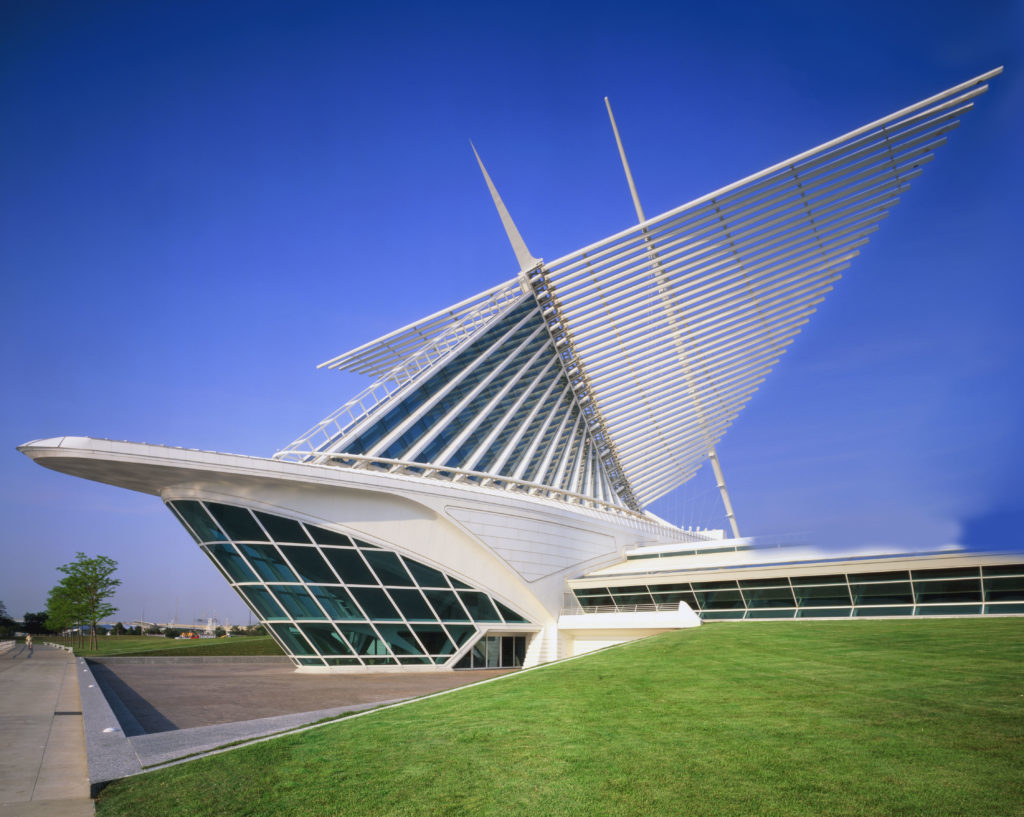
    • Quadracci Pavilion: Designed by Santiago Calatrava, this stunning addition, with its iconic wing-like structure, has become a symbol of Milwaukee.
    • Expansive Collections: The museum houses over 25,000 works of art, including American, European, modern, and contemporary pieces.

    The Milwaukee Art Museum’s unique architecture and extensive collections have significantly boosted tourism, drawing art enthusiasts and architecture admirers.


    Harley-Davidson Museum: Celebrating a Legendary Brand

    Milwaukee is home to the Harley-Davidson Museum, a must-visit for motorcycle enthusiasts.

    • Extensive Exhibits: The museum showcases the history and heritage of Harley-Davidson, with over 450 motorcycles and artifacts.
    • Interactive Displays: Visitors can engage with interactive exhibits and learn about the engineering and cultural impact of Harley-Davidson.

    The Harley-Davidson Museum has become a significant tourist attraction, celebrating Milwaukee’s industrial heritage and drawing visitors worldwide.


    Milwaukee Public Museum: A Journey Through Time

    The Milwaukee Public Museum (MPM) offers an immersive experience of natural and human history.

    • Dynamic Exhibits: Featuring diverse exhibits, from ancient civilizations to dioramas of local wildlife.
    • Haymarket Plaza: A newly developed public space that enhances the museum experience with outdoor exhibits and events.

    MPM’s engaging exhibits and interactive experiences have enhanced its appeal, attracting families, educators, and tourists interested in history and science.


    The Pabst Theater: A Historic Venue for Performing Arts

    The Pabst Theater, a historic gem in downtown Milwaukee, is a key player in the city’s performing arts scene.

    • Rich History: Built in 1895, it is one of the oldest continually operating theaters in the United States.
    • Diverse Programming: Hosts various performances, from concerts and plays to comedy shows and lectures.

    The Pabst Theater’s blend of historical charm and modern entertainment has made it a cultural cornerstone, boosting local tourism and providing a platform for diverse artistic expressions.


    Discovery World: Science and Technology for All Ages

    Discovery World is a premier science and technology center on Milwaukee’s lakefront.

    • Innovative Exhibits: Focuses on science, technology, freshwater resources, and maritime history.
    • Educational Programs: Offers hands-on learning experiences for children and adults, fostering a love for science and innovation.

    Discovery World’s interactive and educational exhibits have made it a popular destination for families and school groups, promoting STEM education and boosting tourism.


    The Marcus Performing Arts Center: A Cultural Hub

    The Marcus Performing Arts Center (MPAC) is Milwaukee’s premier venue for performing arts.

    • Broadway Shows: Hosts touring Broadway productions, enriching the city’s cultural offerings.
    • Local Performances: Home to the Milwaukee Ballet, Milwaukee Symphony Orchestra, and other local arts organizations.

    MPAC’s diverse programming and support for local arts have strengthened Milwaukee’s cultural scene, attracting audiences and supporting local talent.


    Conclusion: Milwaukee’s Cultural Renaissance

    Milwaukee’s strategic investments in cultural infrastructure have transformed it into a vibrant cultural destination. The city’s rich museums, theaters, and interactive experiences offer something for every culture vulture. These investments have enhanced the city’s cultural landscape, driven significant economic growth, increased tourism, and fostered a thriving local arts community. Milwaukee stands out as an exciting and dynamic destination for culture enthusiasts seeking a blend of history, art, and innovation.

  • Uncover Some of the World’s Most Unusual Museums: From Phallic Specimens to Failed Relationships

    Uncover Some of the World’s Most Unusual Museums: From Phallic Specimens to Failed Relationships

    Are you a fan of all things quirky and offbeat in the world of museums?

    If so, you’ll love exploring these ten obscure gems that will pique your curiosity and spark your imagination. From the fascinating history of dog collars to the chilling world of medieval torture instruments, these museums offer a unique glimpse into the strange and unusual. So, gather your fellow GLAM enthusiasts and embark on a journey of discovery to some of the most unconventional museums around the globe.

    Step into the Dog Collar Museum at Leeds Castle in England, where you can marvel at a collection of over 130 ornate dog collars dating back to the 15th century. Discover the evolution of canine fashion and the intricate craftsmanship behind each collar, showcasing a unique blend of art and functionality.

    Venture into the Museum of Broken Relationships in Zagreb, Croatia, where heartbreak takes center stage. Explore a poignant collection of artifacts donated by individuals worldwide, each telling a story of love lost and emotional upheaval. It’s a tribute to the complexities of human relationships and the resilience of the human spirit.

    Journey to Reykjavik, Iceland, to visit the Icelandic Phallological Museum – home to many phallic specimens from various mammals, including whales, seals, and humans. Delve into the cultural significance of the male reproductive organ and marvel at the diversity of shapes and sizes on display.

    The Kansas Barbed Wire Museum in La Crosse, Kansas, showcases the history and evolution of barbed wire, showcasing a diverse collection of barbed wire varieties, tools, and artifacts related to fencing. Visitors can learn about the role of barbed wire in shaping the American West and its impact on agriculture and settlement. The museum offers a fascinating look at an everyday object turned into a history worth exploring.

    If you taste the bizarre, stop by the Museum of Bad Art in Massachusetts, where hilariously terrible artworks take center stage. Embrace the beauty in imperfection as you explore a collection of rejected paintings and sculptures that defy traditional art standards.

    A few other museologically interesting venues include:

    These are just a few of the unconventional museums that await your discovery. Embrace the weird and wonderful world of GLAM and let your curiosity lead you to new and exciting corners of the museum universe. Who knows what hidden treasures you might uncover along the way!

    What’s your favorite quirky museum?