
Category: Sustainability

  • The Role of Libraries, Galleries, Archives, and Museums During Extreme Weather

    The Role of Libraries, Galleries, Archives, and Museums During Extreme Weather

    Due to climate change, extreme weather events, from scorching heatwaves to devastating storms, are becoming increasingly frequent. In these challenging times, galleries, libraries, archives, and museums (collectively known as GLAM institutions) offer more than cultural enrichment; they provide crucial services and safe havens for communities. Here are real-life examples of how these institutions have proven invaluable during extreme weather.

    Providing Safe Shelter and Cooling Centers

    Many GLAM institutions serve as cooling centers during heat waves. For instance, during the 2021 Pacific Northwest heat wave, the Seattle Public Library opened its doors to provide a cool refuge for residents seeking relief from the record-breaking temperatures. Similarly, the New York Public Library has historically opened as a cooling center during extreme heat, offering air-conditioned spaces and water to those in need.

    Offering Access to Information and Resources

    Access to accurate and timely information is critical during extreme weather. Libraries and archives offer up-to-date information on weather forecasts, emergency procedures, and local resources. In Houston, during Hurricane Harvey in 2017, local libraries provided internet access for residents to stay informed and communicate with emergency services. Additionally, they offered charging stations for electronic devices, ensuring people could maintain contact with loved ones and receive real-time updates.

    Mental Health and Wellbeing Support

    The stress and anxiety associated with extreme weather events can take a toll on mental health. GLAM institutions can play a therapeutic role by offering a calm and quiet environment. After the 2019 bushfires in Australia, many museums and galleries, such as the National Gallery of Victoria, provided spaces for relaxation and mental respite, hosting art therapy sessions and mindfulness activities to help residents cope with the trauma.

    Community Hubs and Emergency Response Centers

    GLAM institutions often serve as community hubs, making them ideal for coordinating and disseminating aid during extreme weather events. The Chicago Public Library system has been instrumental in distributing emergency supplies and coordinating volunteer efforts during severe weather events, such as the 2011 blizzard. Their established role in the community enables them to act as trusted centers for emergency response and recovery operations.

    Preserving Cultural Heritage

    Extreme weather poses a significant threat to cultural heritage. Archives and museums play a critical role in safeguarding these items. After the flooding caused by Hurricane Katrina in 2005, the Louisiana State Museum implemented rigorous disaster response plans to protect historical artifacts and documents from damage. They also guided other institutions and individuals in protecting their collections.

    Education and Awareness

    GLAM institutions are pivotal in educating the public about climate change and extreme weather. The American Museum of Natural History in New York has hosted exhibitions and lectures on climate change, raising awareness about its causes and impacts. By fostering a better understanding of these issues, they empower communities to take proactive measures in mitigating risks and enhancing resilience.

    Supporting Vulnerable Populations

    Vulnerable populations, including the elderly, homeless, and low-income families, are often disproportionately affected by extreme weather. Libraries provide a refuge for these groups. During the 2021 Texas winter storm, libraries across the state opened their doors to offer warmth, internet access, and social services to those without power or shelter. This support was crucial in bridging the gap for those in need during the crisis.

    Conclusion

    Libraries, galleries, archives, and museums are more than repositories of knowledge and culture; they are integral to community resilience during extreme weather events. These institutions demonstrate their vital role in immediate response and long-term recovery by providing safe spaces, information, mental health support, community coordination, cultural preservation, education, and support for vulnerable populations. As we face an era of increasing climatic challenges, the multifaceted contributions of GLAM institutions will continue to be indispensable in safeguarding and sustaining our communities.


  • Sustainable Practices in Museums: How Cultural Institutions are Going Green

    Sustainable Practices in Museums: How Cultural Institutions are Going Green

    Peréz Art Museum Miami, photo by Daniel Azoulay Photography

    As cultural institutions dedicated to preserving the past and educating the public, galleries, libraries, archives, and museums (GLAMs) are uniquely responsible for addressing contemporary challenges, including environmental sustainability. Increasingly, GLAMs worldwide adopt sustainable practices to minimize their environmental impact and set an example for their communities. These efforts transform museums into greener, more responsible institutions, from eco-friendly building designs to energy-efficient operations.

    The Importance of Sustainability for GLAMs

    Galleries, libraries, archives, and museums are often large, resource-intensive buildings requiring significant energy for lighting, climate control, and day-to-day operations. By adopting sustainable practices, they can reduce their carbon footprint, lower operating costs, and contribute to global efforts to combat climate change. Additionally, GLAMs have a powerful platform to educate the public about sustainability and inspire positive environmental action.

    Key Sustainable Practices

    Green Building Design

    Many museums are incorporating green building principles into their design and construction. This includes using sustainable materials, maximizing natural light, and installing green roofs or solar panels.

    • California Academy of Sciences, San Francisco
      This museum features a living roof with native plants, solar panels, and an innovative ventilation system that reduces energy consumption. More information can be found on their website.
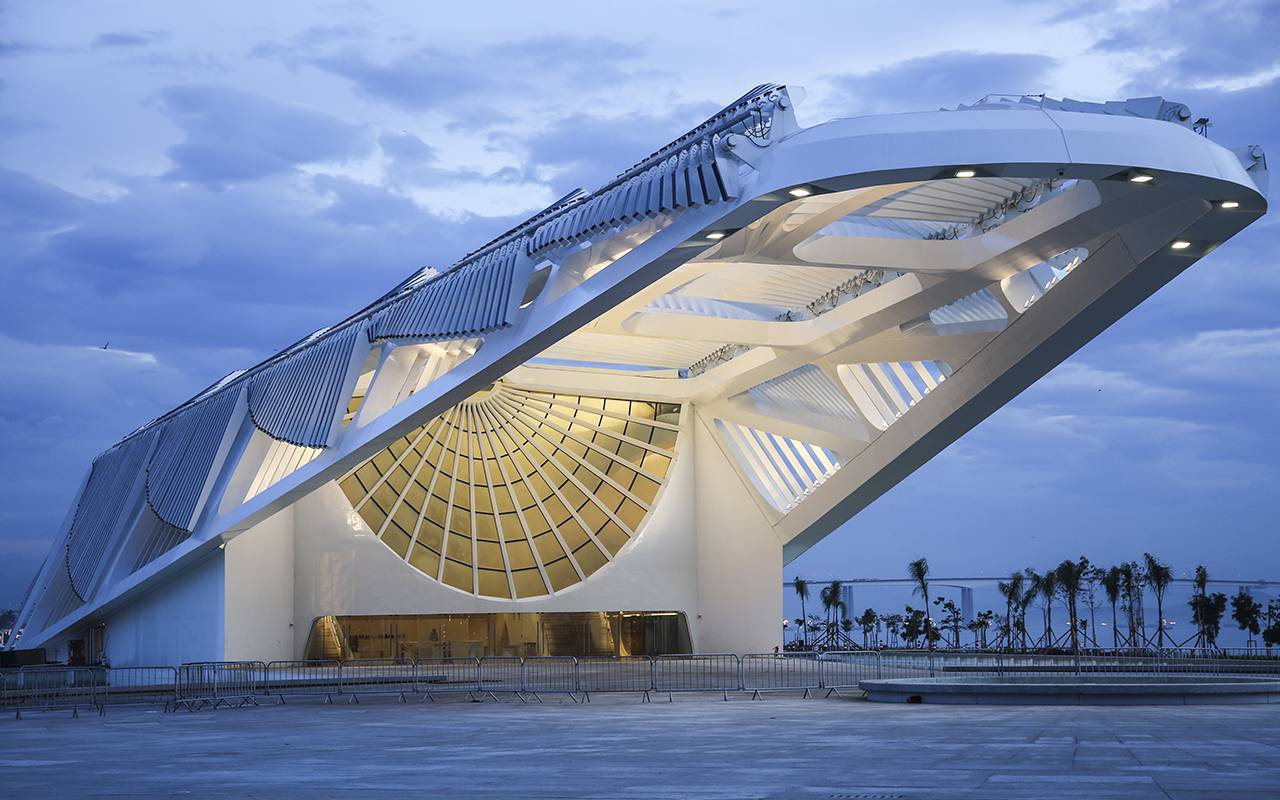
    • The Museum of Tomorrow, Rio de Janeiro
      Designed with sustainability in mind, this museum uses natural light, recycles water, and relies on renewable energy sources. Details are available here.

    Energy Efficiency

    Museums are implementing energy-efficient technologies to reduce their energy use. This includes LED lighting, smart climate control systems, and energy-efficient HVAC systems.

    • The Louvre, Paris
      The Louvre has undertaken extensive renovations to improve energy efficiency, including upgrading lighting systems to LEDs and improving insulation. Learn more about their efforts here.
    • The National Museum of the American Indian, Washington, D.C.
      This museum has incorporated geothermal wells to manage heating and cooling efficiently. Further information is available on their site.

    Waste Reduction and Recycling

    Museums and libraries are reducing waste through comprehensive recycling programs, composting organic waste, and minimizing single-use plastics.

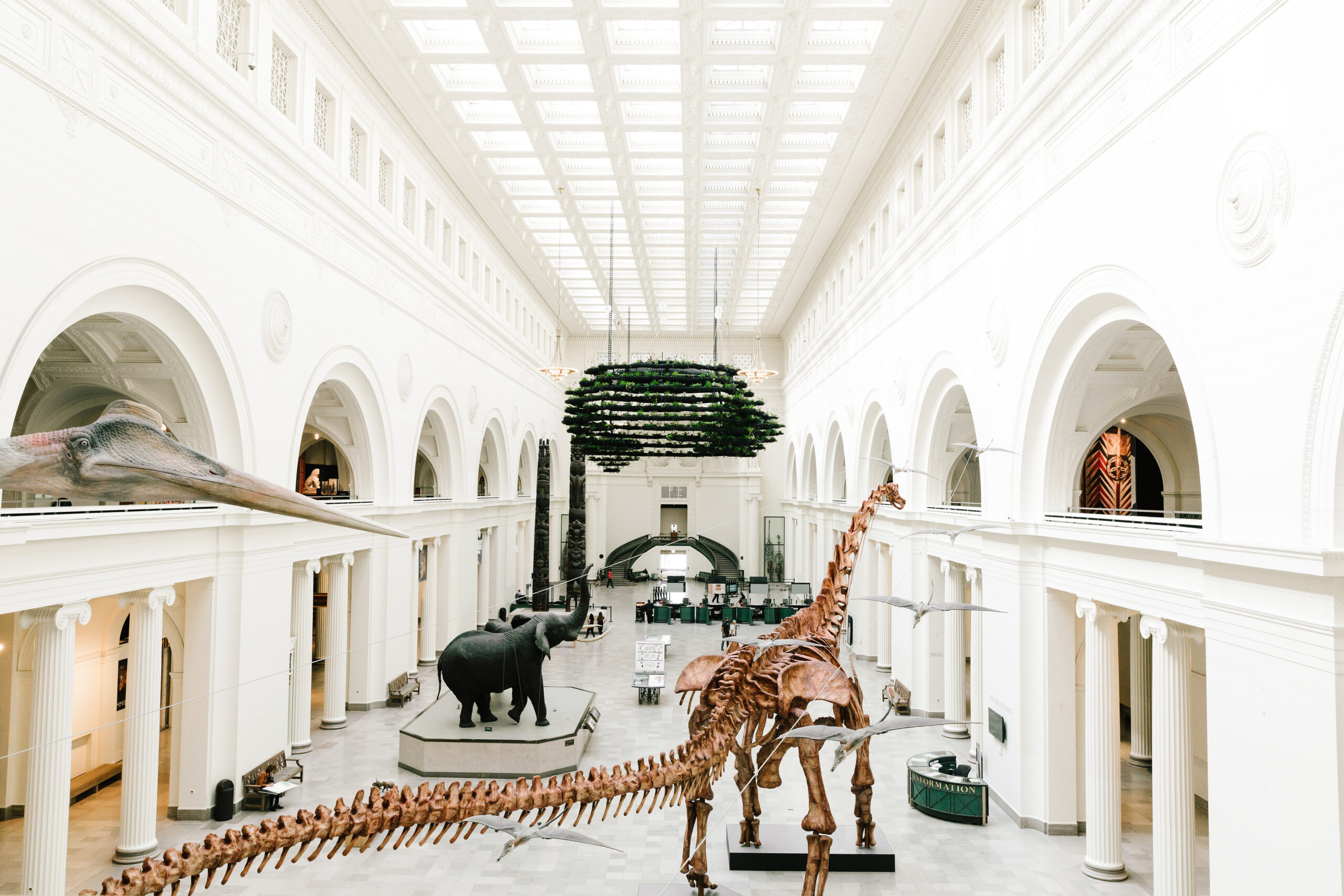
    • The Field Museum, Chicago
      This museum has implemented a zero-waste program to divert 90% of its waste from landfills through recycling and composting. More details can be found here.
    • The Natural History Museum, London
      This institution has taken steps to reduce plastic waste and encourages visitors to use refillable water bottles. Their sustainability initiatives are outlined here.

    Sustainable Exhibitions

    GLAMs design exhibitions with sustainability in mind, using recycled or reusable materials and considering the environmental impact of shipping and installation.

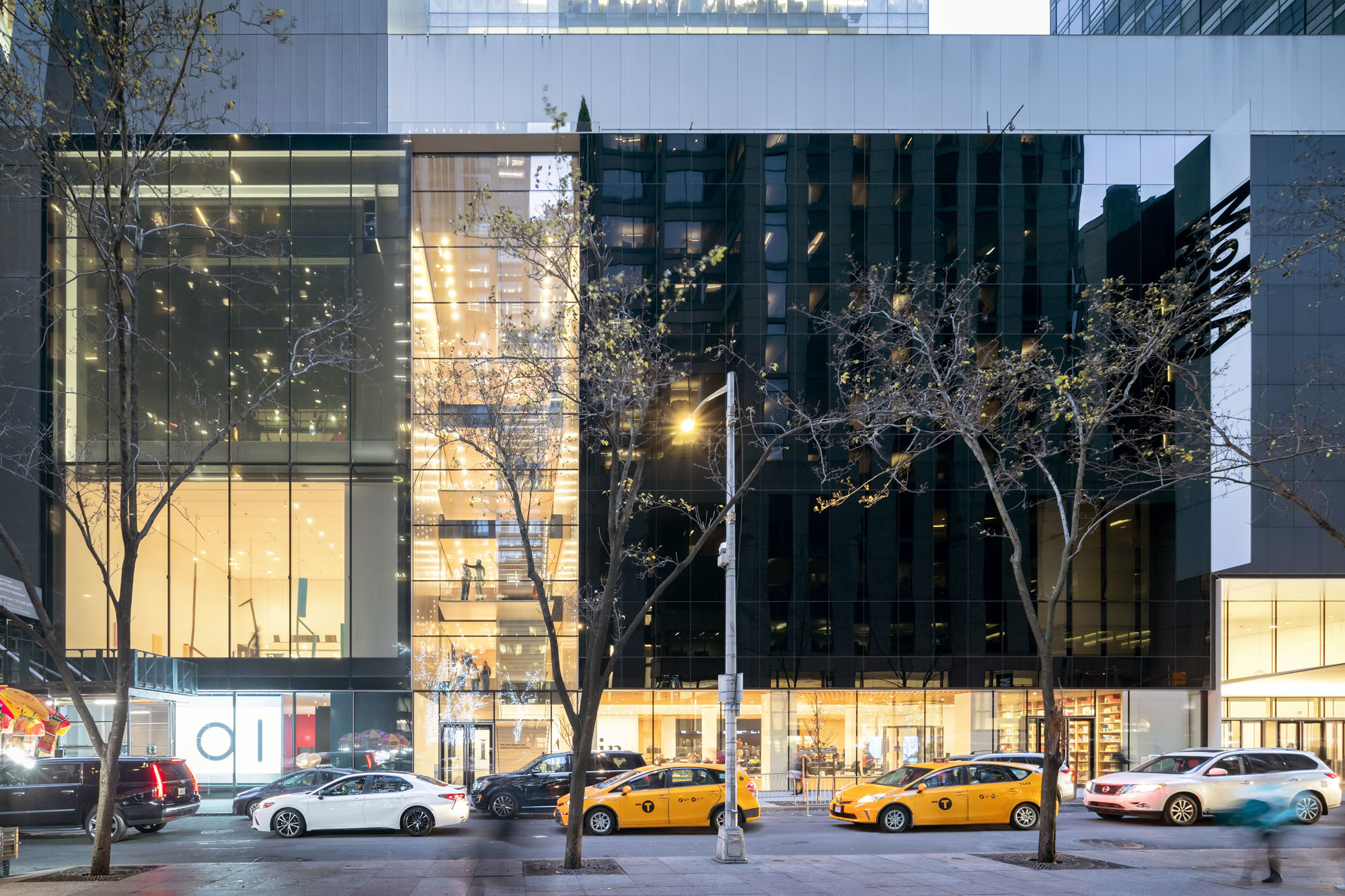
    • The Museum of Modern Art (MoMA), New York
      MoMA has developed guidelines for sustainable exhibition design, focusing on materials, transportation, and energy use. You can read more about their practices here.
    • The Victoria and Albert Museum, London
      This museum has created exhibitions using sustainable materials and practices, including the “Fashioned from Nature” exhibit, which highlights eco-friendly fashion. Additional information is available here.

    Community Engagement and Education

    GLAMs are leveraging their role as educational institutions to raise awareness about environmental issues and promote sustainable practices.

    • The Smithsonian Institution, Washington, D.C.
      The Smithsonian offers various programs and exhibits focused on sustainability and climate change. Explore their initiatives here.
    • The Australian Museum, Sydney
      This museum engages the public in sustainability programs, including citizen science projects and educational workshops. More can be found here.

    Conclusion

    By embracing sustainable practices, museums can significantly reduce their environmental impact while educating and inspiring the public to take action on climate change. These institutions play a crucial role in demonstrating the importance of sustainability and leading by example. As museums continue to innovate and implement green practices, they contribute to a more sustainable future for all.