Category: Travel

  • The Guggenheim Museum Bilbao: A Detailed Exploration of Cultural Tourism, Urban Renewal, and Political Risks

    The Guggenheim Museum Bilbao: A Detailed Exploration of Cultural Tourism, Urban Renewal, and Political Risks

    The Guggenheim Museum Bilbao, which opened its doors on October 19, 1997, stands as an enduring symbol of cultural transformation, urban regeneration, and the complex interplay of politics and regional identity. Situated in the heart of the Basque Country—a region known for its rich cultural heritage and history of political unrest—the museum’s creation was marked by innovative vision, architectural brilliance, and significant risks, including a near-tragic terrorist attack just days before its grand opening.

    The Visionaries: Thomas Krens and Frank Gehry

    The Guggenheim Museum Bilbao was the brainchild of Thomas Krens, the then-director of the Solomon R. Guggenheim Foundation, and Frank Gehry, an architect celebrated for his daring and unconventional designs. Krens envisioned a museum that would not only expand the Guggenheim’s global reach but also serve as a catalyst for revitalizing Bilbao, a city that had been suffering from industrial decline and economic stagnation.
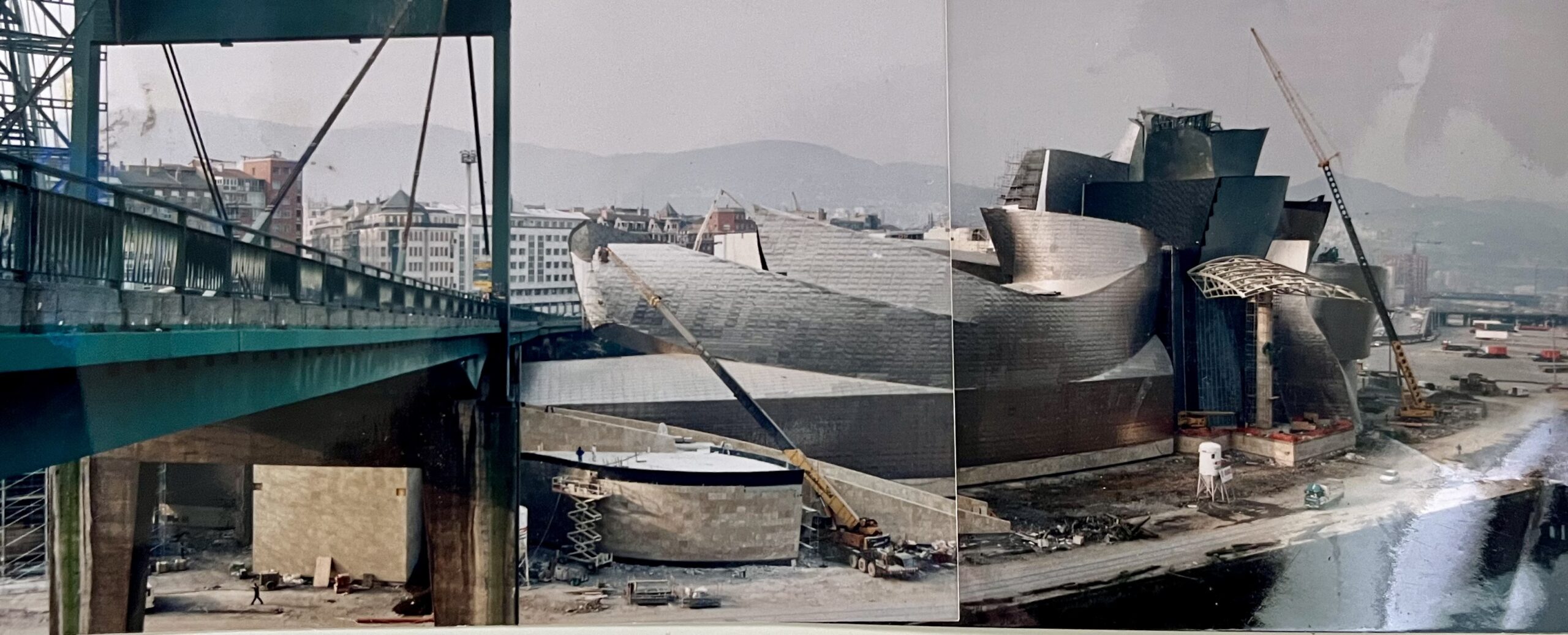
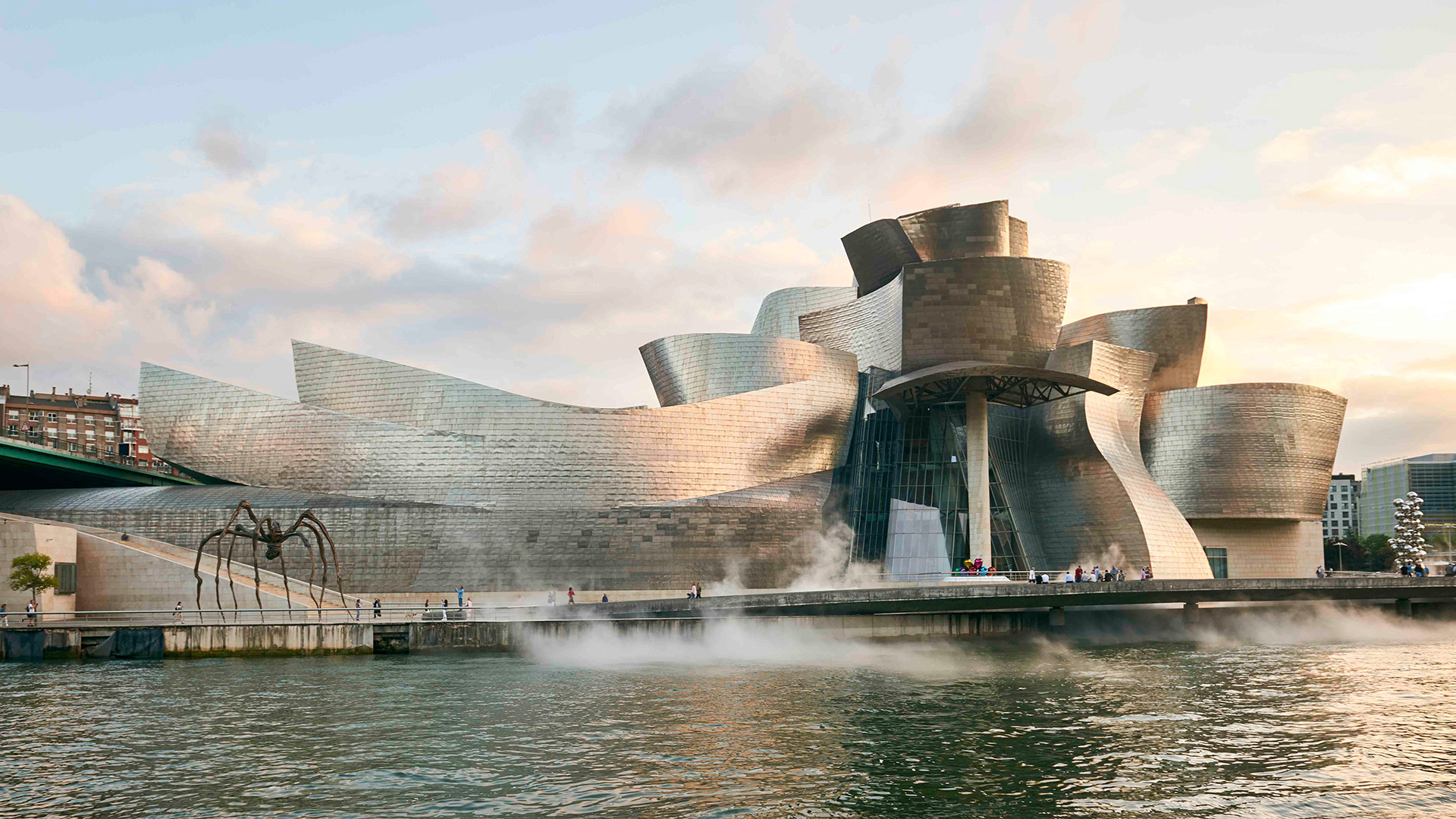
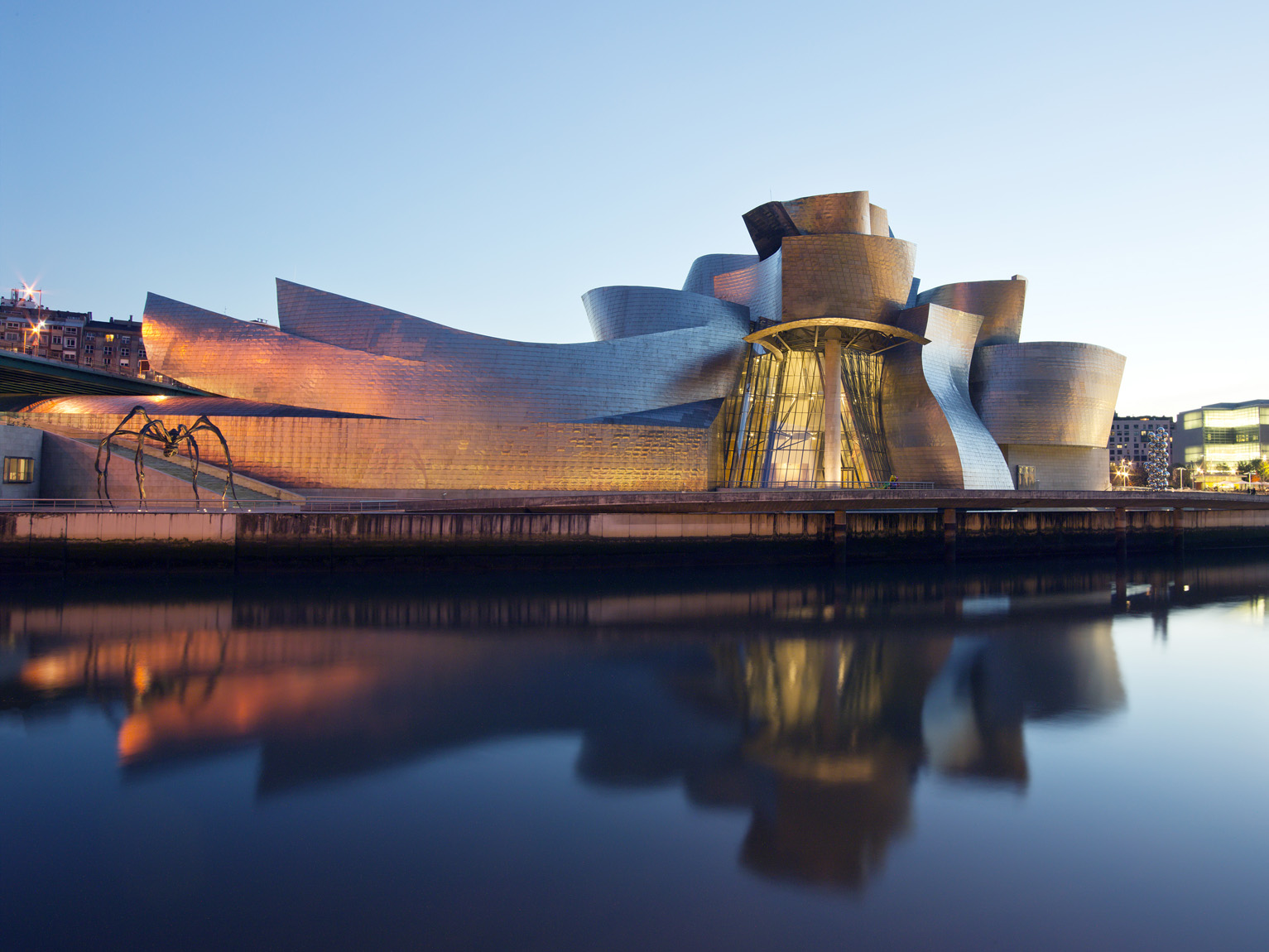
    Frank Gehry’s architectural design was nothing short of groundbreaking. The museum’s undulating forms and shimmering titanium façade redefined contemporary architecture and quickly became an iconic symbol of Bilbao. Gehry’s innovative approach to design transformed the museum itself into a work of art, drawing global attention even before its opening.

    Krens and Gehry’s collaboration was pivotal in turning the museum into more than just a cultural institution. They succeeded in creating a landmark that would become the centerpiece of a broader urban renewal strategy, attracting visitors from around the world and reshaping the city’s identity.

    The Basque Region: Navigating a Complex Political Landscape

    The decision to build the Guggenheim Museum in Bilbao was not without significant political challenges. The Basque Country, or Euskadi, has a strong sense of cultural identity and a history of political turbulence, particularly related to its aspirations for greater autonomy from Spain. The region had been marred by violence, most notably from the separatist group ETA (Euskadi Ta Askatasuna), which sought to establish an independent Basque state.
    Local reactions to the museum project were mixed. While many saw it as an opportunity to rejuvenate Bilbao and showcase Basque culture on an international stage, others were critical of the extensive public funds allocated to the project, especially in a region with pressing social and economic issues. The museum was viewed by some as a potential target for those opposed to the Spanish state’s influence in the region.

    The Terrorist Threat: The Attack on Jeff Koons’ Puppy

    The political risks associated with the museum were starkly highlighted just a week before its opening. On October 12, 1997, members of ETA attempted to sabotage the project by planting explosives inside Puppy, a large floral sculpture by Jeff Koons that stood in front of the museum. This attack underscored the tensions in the Basque region, where cultural and political aspirations were deeply intertwined with the threat of violence.

    Fortunately, the attack was thwarted by the Basque police, who arrested the perpetrators before the explosives could be detonated. The prevention of this attack allowed the museum’s opening to proceed as planned, though it was a sobering reminder of the political risks that the project had navigated.

    Despite this close call, the Guggenheim Museum Bilbao opened without incident, marking the beginning of a new chapter for the city and the region. The museum’s success, even in the face of such threats, demonstrated the resilience and determination of those who believed in the project.

    Urban Renewal and Economic Impact

    The Guggenheim Museum Bilbao’s impact on the city’s urban landscape was nothing short of transformative. Prior to the museum’s construction, Bilbao was an industrial city in decline, characterized by aging infrastructure and a lack of international appeal. The museum became the centerpiece of an ambitious urban renewal project that revitalized the Abandoibarra area, where it is located.

    guggenheim museum billba opening day
    Guggenheim Museum Bilbao

    This renewal included not only the museum itself but also the development of new public spaces, parks, and infrastructure that turned Bilbao into a modern, livable city. The museum became the focal point of a broader effort to regenerate the city, attracting investment and boosting the local economy.

    Economically, the museum has had a profound impact on Bilbao. It quickly became a major tourist attraction, drawing millions of visitors from around the world and generating substantial revenue for the local economy. The “Bilbao Effect” became a term used to describe how cultural institutions could drive urban and economic regeneration, with Bilbao becoming a model for other cities seeking similar transformations.

    However, the document also likely addresses the complexities of sustaining this momentum and the challenges of replicating the “Bilbao Effect” in other contexts. It emphasizes the importance of strategic planning and consideration of local conditions when attempting such ambitious cultural projects.

    Conclusion: A Legacy of Vision, Creativity, and Resilience

    The Guggenheim Museum Bilbao stands as a testament to the power of visionary leadership, architectural innovation, and resilience in the face of adversity. It is a story of how a bold idea, supported by strategic investment and creative genius, can transform a city and leave a lasting impact on its cultural and economic landscape.

    Despite the political risks and the near-tragic attack on Puppy, the museum has not only survived but thrived, becoming an enduring symbol of Bilbao’s renaissance. For those fascinated by the intersection of culture, politics, and urban development, the Guggenheim Museum Bilbao offers valuable lessons in how visionary projects can change the course of a city’s history, even in the face of significant challenges.
  • GLAMs: Unsung Heroes of Cultural Revenue Generation Amidst Limited Public Support

    GLAMs: Unsung Heroes of Cultural Revenue Generation Amidst Limited Public Support

    In the bustling landscape of urban development, sports venues often steal the spotlight with their grand events and massive crowds. However, the quieter, more understated institutions—Galleries, Libraries, Archives, and Museums (GLAMs)—consistently provide substantial socioeconomic benefits. Despite their significant contributions, GLAMs frequently operate with less public support than their flashier counterparts.

    The Economic Powerhouse of GLAMs

    Cultural Tourism and Revenue Generation
    GLAMs are magnets for cultural tourism. For example, the Louvre Museum in Paris attracted over 9.6 million visitors in 2019. These visitors contribute immensely to the local economy by spending on accommodation, dining, and shopping. The economic ripple effect of such institutions extends well beyond their immediate operations, benefiting a wide array of local businesses. In New York City, the Metropolitan Museum of Art generates approximately $946 million annually for the local economy. Similarly, London’s British Museum and the Tate Modern draw millions of visitors, significantly boosting tourism revenue.

    Employment and Economic Sustainability
    GLAMs create many job opportunities in the cultural, educational, and service sectors. These jobs range from curators and archivists to educators and administrative staff, contributing to local employment rates. Unlike the sporadic influx of revenue generated by significant sports events, GLAMs provide a more consistent and sustainable economic benefit.

    Social Contributions of GLAMs

    Education and Community Engagement
    GLAMs serve as vital educational resources, promoting literacy and lifelong learning. Libraries, for instance, offer free access to books, digital resources, and educational programs. Museums and galleries host exhibitions that educate the public about history, art, and science, fostering a culture of curiosity and knowledge. Moreover, GLAMs act as community hubs, providing spaces for public events, workshops, and social gatherings. These institutions are crucial in building social cohesion and fostering community. For example, the Smithsonian Institution in Washington, D.C., offers numerous public programs that engage and educate visitors from all walks of life.

    Inclusivity and Accessibility
    GLAMs are often more accessible and inclusive than sports venues. They cater to diverse audiences, including those from different socioeconomic backgrounds. Many GLAMs offer free or reduced admission, ensuring financial barriers do not impede access to cultural and educational resources.

    The Contrast with Sports Venues

    Economic and Social Impact of Sports Venues
    Sports venues, such as stadiums and arenas, are known for their ability to generate substantial economic activity. Significant events attract tourists, boost local businesses, and increase tax revenue. For instance, the financial impact of the 2012 London Olympics was estimated at £9.9 billion. Sports venues also create jobs, directly and indirectly, and can catalyze urban development projects. However, sports venues’ financial sustainability is often questionable. They require significant public investment, which can strain local budgets and divert funds from essential services. The return on investment is not always guaranteed, and the benefits can be short-lived, centered around significant events.

    Community Identity and Gentrification Risks
    Sports venues can foster a strong sense of community identity and pride, uniting diverse populations through shared support for local teams. However, they also carry risks of gentrification. Developing new stadiums can increase property values and living costs, potentially displacing lower-income residents.

    The Washington, D.C. Example

    Washington, D.C., provides a striking example of the disparity between investments in sports venues and GLAMs. The city has invested heavily in sports arenas such as the Capital One Arena and the new Audi Field. These venues host major sports events and concerts, attracting large crowds and generating significant economic activity. The Capital One Arena alone contributes an estimated $2 billion annually to the local economy through events and related spending.

    Conversely, while D.C. is home to world-renowned cultural institutions like the Smithsonian Museums and the Library of Congress, public funding for these and other local GLAMs has not kept pace with that for sports venues. Despite their contributions to tourism, education, and community engagement, many museums and cultural institutions face budget constraints, limiting their programming and outreach efforts.

    The imbalance is evident in the city’s budget allocations. Significant public and private funds are funneled into maintaining and upgrading sports facilities, while GLAMs often rely on donations, grants, and federal support to sustain their operations. This disparity underscores the need for a more balanced approach to public investment that recognizes the long-term benefits of cultural institutions.

    The Disparity in Public Support

    Despite their clear economic and social benefits, GLAMs often receive less public support than sports venues. Funding for museums, libraries, and cultural institutions is frequently limited, resulting in challenges such as budget cuts, staff reductions, and reduced operating hours. This disparity is striking, given the consistent and sustainable contributions GLAMs make to local economies and communities.

    Conclusion

    GLAMs are indispensable assets that provide substantial revenue and enrich our social fabric, yet they often operate with less public support than sports venues. By recognizing and addressing this disparity, we can ensure these vital institutions continue to thrive and benefit future generations. Investing in GLAMs preserves our cultural heritage and promotes economic stability and social cohesion, making them worthy of greater public and financial backing.

  • Exploring the Evolution of World’s Fairs: Celebrating Innovation, Culture, and Global Connections

    Exploring the Evolution of World’s Fairs: Celebrating Innovation, Culture, and Global Connections

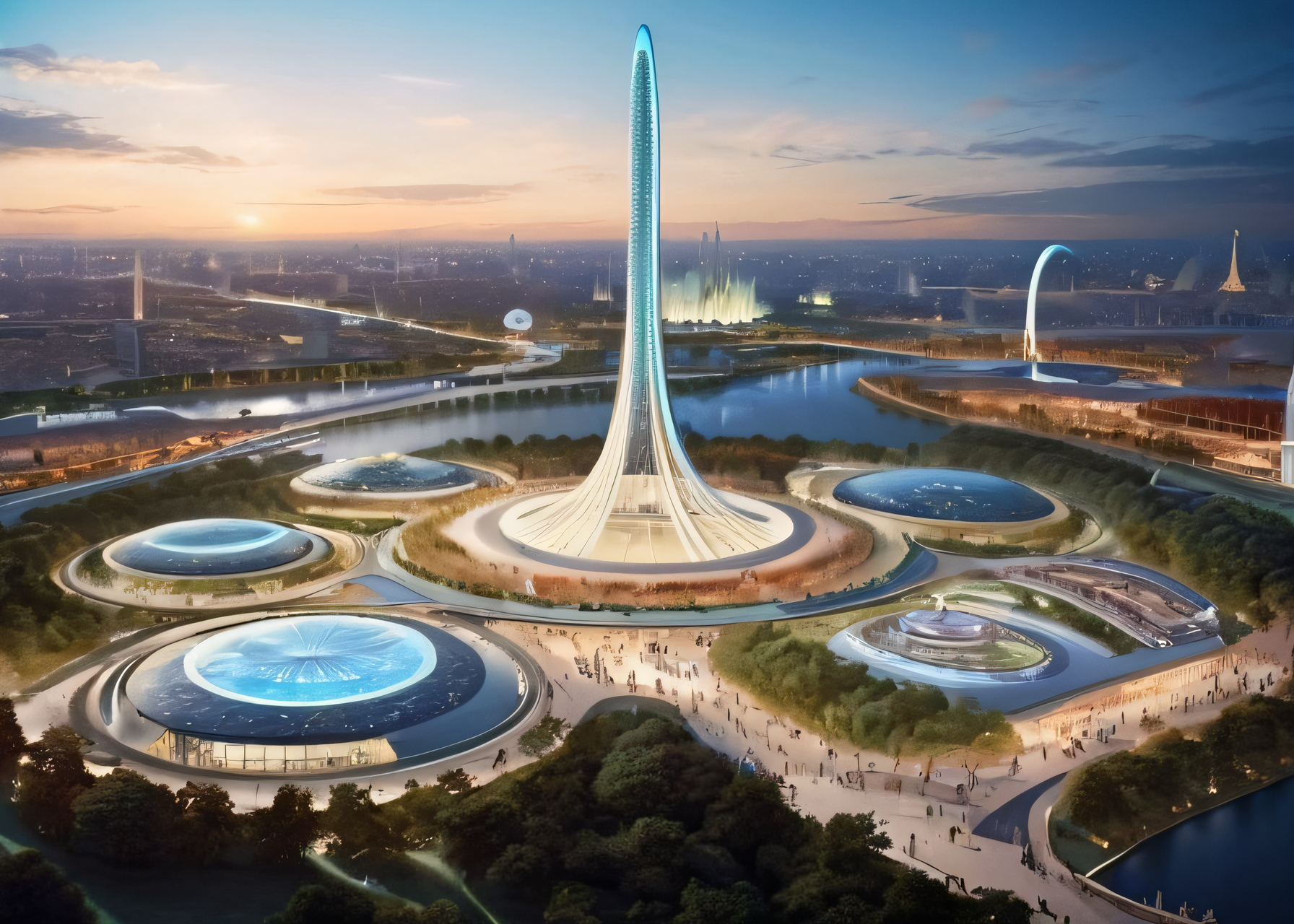
    World’s fairs, known as expos, have historically been pivotal in showcasing global innovation, cultural diversity, and international cooperation. These grand events serve as platforms for nations to exhibit their technological advancements, cultural heritage, and future visions while fostering dialogue and collaboration on a global scale.

    Since 1992, the world’s fairs have continued to evolve, adapting to technological advancements and global trends. These events highlight cutting-edge technologies and sustainable practices and promote dialogue on pressing global issues such as food security, urban development, and environmental sustainability.

    Embracing Digital and Physical Experiences

    In the digital age, world fairs have expanded their reach and impact through virtual platforms alongside physical exhibits. Virtual tours, live streams, and interactive online content allow global audiences to engage with expo themes and pavilions remotely, enhancing accessibility and participation.

    Iconic Examples

    Expo 1992 Seville, Spain

    Expo 1992 in Seville celebrated the 500th anniversary of Columbus’ voyage to the Americas, showcasing Spain’s rich cultural heritage and technological achievements. Explore more about Expo 1992 Seville here.

      Expo 2000 Hannover, Germany

      Expo 2000 in Hannover was themed “Humankind, Nature, and Technology.” It emphasized sustainable development and featured the iconic Expo Axis structure, symbolizing futuristic architecture and innovation. Discover Expo 2000 Hannover here.

        Expo 2010 Shanghai, China

        One of the largest world’s fairs in history, Expo 2010 Shanghai attracted over 73 million visitors. It showcased modern urban planning, sustainable development, and cultural diversity through iconic pavilions like the China Pavilion. Visit Expo 2010 Shanghai here.

          Expo 2015 Milan, Italy

          Themed “Feeding the Planet, Energy for Life,” Expo 2015 focused on global food security and sustainability. It featured interactive exhibits and pavilions from over 140 countries, highlighting agricultural innovations and environmental stewardship. Explore Expo 2015 Milan here.

            Expo 2020 Dubai, UAE

            Initially scheduled for 2020 but held in 2021 due to the COVID-19 pandemic, Expo 2020 Dubai continued the tradition of innovation with a focus on sustainability and mobility. It introduced groundbreaking pavilions like the Sustainability Pavilion, which embodied cutting-edge environmental design. Learn more about Expo 2020 Dubai here.


              Future Outlook

              Looking ahead, world’s fairs will continue to evolve as catalysts for innovation and cultural exchange. Whether experienced physically or virtually, these events will remain integral in shaping our collective vision for a sustainable and interconnected world.

              The next World’s Fair is scheduled to be held in Osaka, Japan. Initially planned for 2025, the event is officially named “Expo 2025 Osaka, Kansai, Japan.” It will take place from April 13 to October 13, 2025. The theme of Expo 2025 Osaka is “Designing Future Society for Our Lives,” focusing on sustainable development and creating a better future for humanity. For more information about Expo 2025 Osaka, visit the official website: Expo 2025 Osaka, Kansai, Japan.

            • Milwaukee: A Rising Star in Cultural Tourism

              Milwaukee: A Rising Star in Cultural Tourism

              Milwaukee, Wisconsin, often overlooked in favor of its larger Midwestern neighbors, has made significant strides in cultural investments, transforming itself into a vibrant destination for culture vultures. From museums to performing arts centers, Milwaukee offers a rich tapestry of experiences that attract visitors from around the globe. Here’s a closer look at how Milwaukee has invested in its cultural infrastructure and the positive outcomes of these efforts.

              Milwaukee Art Museum: An Architectural and Artistic Marvel

              The Milwaukee Art Museum (MAM) is a centerpiece of the city’s cultural landscape.

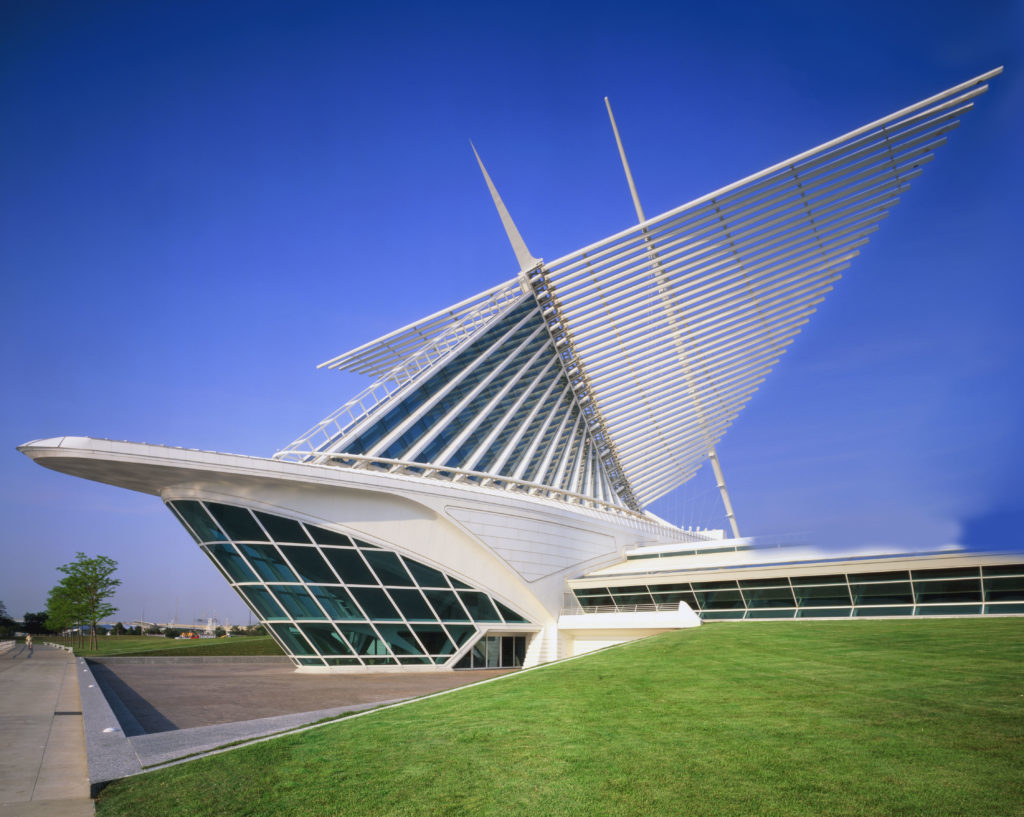
              • Quadracci Pavilion: Designed by Santiago Calatrava, this stunning addition, with its iconic wing-like structure, has become a symbol of Milwaukee.
              • Expansive Collections: The museum houses over 25,000 works of art, including American, European, modern, and contemporary pieces.

              The Milwaukee Art Museum’s unique architecture and extensive collections have significantly boosted tourism, drawing art enthusiasts and architecture admirers.


              Harley-Davidson Museum: Celebrating a Legendary Brand

              Milwaukee is home to the Harley-Davidson Museum, a must-visit for motorcycle enthusiasts.

              • Extensive Exhibits: The museum showcases the history and heritage of Harley-Davidson, with over 450 motorcycles and artifacts.
              • Interactive Displays: Visitors can engage with interactive exhibits and learn about the engineering and cultural impact of Harley-Davidson.

              The Harley-Davidson Museum has become a significant tourist attraction, celebrating Milwaukee’s industrial heritage and drawing visitors worldwide.


              Milwaukee Public Museum: A Journey Through Time

              The Milwaukee Public Museum (MPM) offers an immersive experience of natural and human history.

              • Dynamic Exhibits: Featuring diverse exhibits, from ancient civilizations to dioramas of local wildlife.
              • Haymarket Plaza: A newly developed public space that enhances the museum experience with outdoor exhibits and events.

              MPM’s engaging exhibits and interactive experiences have enhanced its appeal, attracting families, educators, and tourists interested in history and science.


              The Pabst Theater: A Historic Venue for Performing Arts

              The Pabst Theater, a historic gem in downtown Milwaukee, is a key player in the city’s performing arts scene.

              • Rich History: Built in 1895, it is one of the oldest continually operating theaters in the United States.
              • Diverse Programming: Hosts various performances, from concerts and plays to comedy shows and lectures.

              The Pabst Theater’s blend of historical charm and modern entertainment has made it a cultural cornerstone, boosting local tourism and providing a platform for diverse artistic expressions.


              Discovery World: Science and Technology for All Ages

              Discovery World is a premier science and technology center on Milwaukee’s lakefront.

              • Innovative Exhibits: Focuses on science, technology, freshwater resources, and maritime history.
              • Educational Programs: Offers hands-on learning experiences for children and adults, fostering a love for science and innovation.

              Discovery World’s interactive and educational exhibits have made it a popular destination for families and school groups, promoting STEM education and boosting tourism.


              The Marcus Performing Arts Center: A Cultural Hub

              The Marcus Performing Arts Center (MPAC) is Milwaukee’s premier venue for performing arts.

              • Broadway Shows: Hosts touring Broadway productions, enriching the city’s cultural offerings.
              • Local Performances: Home to the Milwaukee Ballet, Milwaukee Symphony Orchestra, and other local arts organizations.

              MPAC’s diverse programming and support for local arts have strengthened Milwaukee’s cultural scene, attracting audiences and supporting local talent.


              Conclusion: Milwaukee’s Cultural Renaissance

              Milwaukee’s strategic investments in cultural infrastructure have transformed it into a vibrant cultural destination. The city’s rich museums, theaters, and interactive experiences offer something for every culture vulture. These investments have enhanced the city’s cultural landscape, driven significant economic growth, increased tourism, and fostered a thriving local arts community. Milwaukee stands out as an exciting and dynamic destination for culture enthusiasts seeking a blend of history, art, and innovation.

            • The Guggenheim Museum Bilbao: A Triumph in Contemporary Architecture and Cultural Impact

              The Guggenheim Museum Bilbao: A Triumph in Contemporary Architecture and Cultural Impact

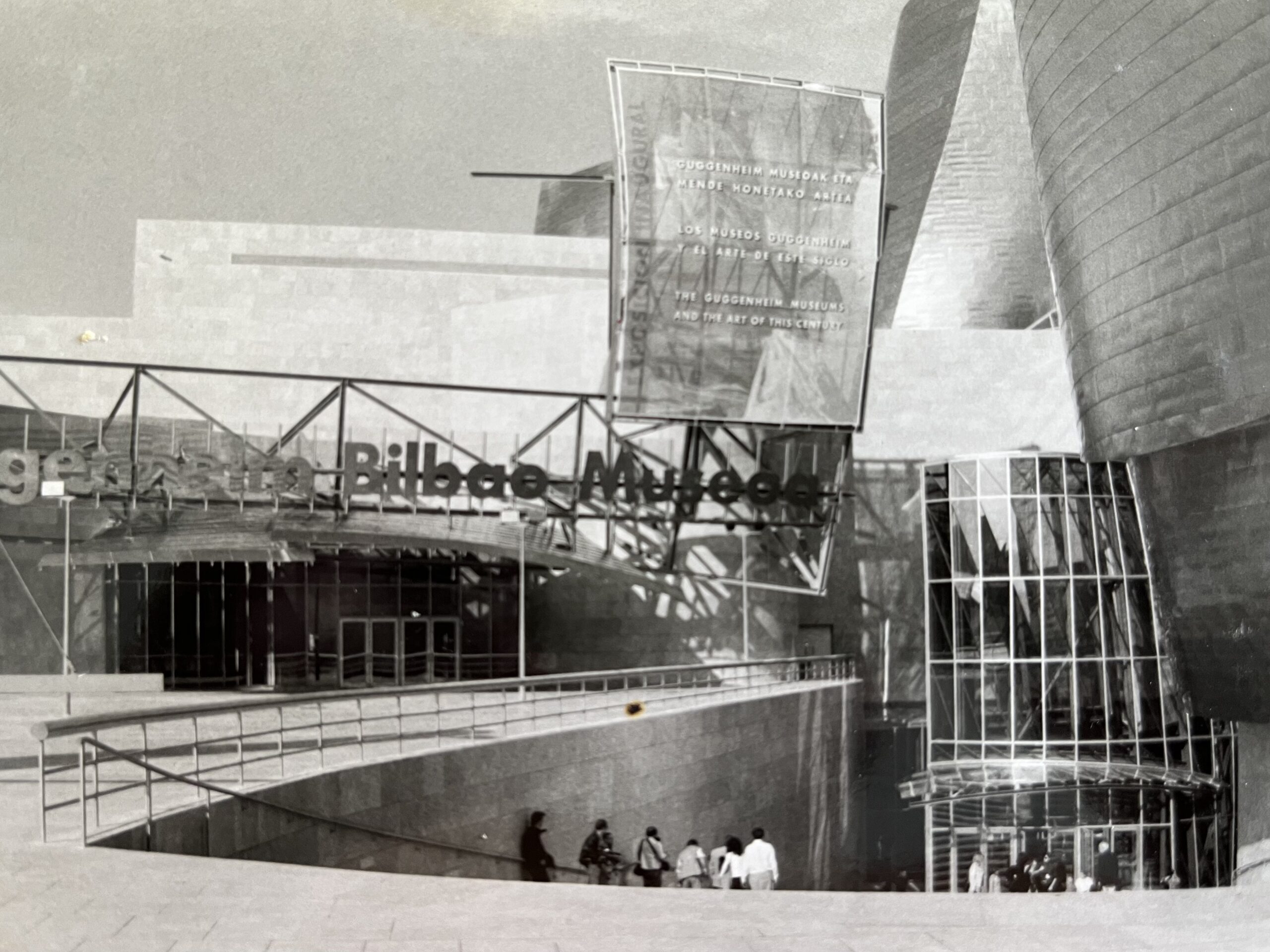
              guggenheim museum billba opening day
              Guggenheim Museum Bilbao on opening day, October 18, 1997. Photo by John T. Suau

              Situated in the heart of Bilbao, Spain, the Guggenheim Museum Bilbao stands as a stunning architectural marvel and a beacon of cultural significance. This iconic museum, designed by renowned architect Frank Gehry, symbolizes Bilbao’s transformation from an industrial city to a thriving cultural hub. Since opening in 1997, the Guggenheim Museum Bilbao has garnered international acclaim for its innovative design, world-class exhibitions, and profound impact on the local community.

              The History of the Guggenheim Museum Bilbao

              The Guggenheim Museum Bilbao’s inception can be traced back to a collaboration between the Guggenheim Foundation and the Basque government, which sought to revitalize Bilbao’s economy and cultural landscape by constructing a modern art museum. The selection of Frank Gehry as the architect marked a bold move towards avant-garde architecture and design, setting the stage for a groundbreaking project that would redefine the concept of museum architecture.

              The Success and Impact of the Guggenheim Museum Bilbao

              The Guggenheim Museum Bilbao’s impact on Bilbao’s economy and tourism industry has been nothing short of transformative. According to a report by the Basque government, the museum has generated over 4 billion euros for the local economy since its opening, attracting millions of visitors from around the world. The “Bilbao Effect,” a term coined to describe the museum’s influence on urban revitalization, has led to the development of new cultural institutions, infrastructure improvements, and a thriving arts scene in the city.

              The museum’s success can also be attributed to its dynamic exhibitions and collection of contemporary art. With works by artists such as Jeff Koons, Yves Klein, and Richard Serra, the Guggenheim Museum Bilbao has established itself as a global destination for art enthusiasts and cultural connoisseurs. The museum’s rotating exhibitions, educational programs, and outreach initiatives have further solidified its reputation as a hub for creativity, innovation, and artistic expression.

              guggenheim museum bilbao opening oct 1997
              Guggenheim Museum Bilbao on opening day, October 18, 1997. Photo by John T. Suau

              In addition to its cultural impact, the Guggenheim Museum Bilbao has been lauded for its architectural brilliance and technological innovation. Gehry’s design, characterized by undulating curves, titanium panels, and interconnected spaces, has redefined the possibilities of contemporary architecture and inspired a new wave of architectural experimentation. The museum’s use of cutting-edge technologies, interactive displays, and digital initiatives has enhanced the visitor experience and cemented its status as a pioneer in integrating technology and art.

              In conclusion, the Guggenheim Museum Bilbao stands as a shining example of the transformative power of architecture, art, and culture. From its innovative design to its profound impact on the local community, the museum has made an indelible mark on the cultural landscape of Bilbao and the world. As we look towards the future, the Guggenheim Museum Bilbao continues to inspire creativity, foster artistic dialogue, and push the boundaries of what is possible in the intersection of art, architecture, and technology. Visit the museum and experience the magic and wonder of the Guggenheim Museum Bilbao.

              Q: How is the Solomon R. Guggenheim Foundation’s financial position with all the museums worldwide?

              As of 2021, the Solomon R. Guggenheim Foundation remains a prominent and financially stable institution within the global museum landscape. The foundation, which oversees the operations of the Solomon R. Guggenheim Museum in New York City and its iconic international affiliates, such as the Guggenheim Museum Bilbao in Spain and the Peggy Guggenheim Collection in Venice, Italy, has consistently demonstrated a solid financial position.

              The foundation’s financial stability can be attributed to several factors:

              1. Diversified Funding Sources: The Solomon R. Guggenheim Foundation relies on various funding sources to support its operations, including government grants, corporate sponsorships, individual donations, and revenue generated from admissions, memberships, and special events. This diversified funding model helps mitigate financial risks and ensures a steady income stream.

              2. Endowment Management: The foundation manages an endowment fund that provides a stable source of income to support its programs and activities. Prudent investment strategies and effective endowment management have helped the foundation weather economic fluctuations and maintain financial resilience.

              3. International Recognition and Attendance: The global network of Guggenheim museums, each renowned for its architectural significance and exceptional art collections, attracts many visitors worldwide. High attendance numbers generate revenue, bolstering the foundation’s financial standing.

              4. Corporate Partnerships and Sponsorships: The Solomon R. Guggenheim Foundation has established partnerships with corporate sponsors and donors who provide financial support for exhibitions, education programs, and special projects. These collaborations contribute to the foundation’s economic health and enhance its visibility and reputation.

              5. Strategic Planning and Management: The foundation’s leadership team implements strategic planning and financial management practices to ensure fiscal sustainability and long-term viability. Strong governance, oversight, and accountability mechanisms help safeguard the foundation’s financial resources and assets.

              While the COVID-19 pandemic has posed financial challenges for cultural institutions globally, including the Guggenheim Foundation, the foundation has adapted and innovated to navigate these unprecedented circumstances. Initiatives such as virtual exhibitions, online programming, and digital engagement have enabled the foundation to reach audiences virtually and maintain a connection with art enthusiasts during museum closures and restrictions.

              Overall, the Solomon R. Guggenheim Foundation’s financial position remains stable, supported by diversified funding sources, effective management strategies, international recognition, and a commitment to artistic excellence and cultural engagement. The foundation continues to uphold its mission of promoting modern and contemporary art, fostering creativity, and inspiring audiences worldwide through its initiatives and programs across its network of museums.

              Sources

              Links of Interest