Some stories reach us intact. Others survive as fragments: a name, a rumor, a silence in a family, a life that history never thought to record. La bola negra begins with one such fragment, Federico García Lorca’s unfinished play, and expands it into a film about what happens when queer lives are pushed out of the official story.
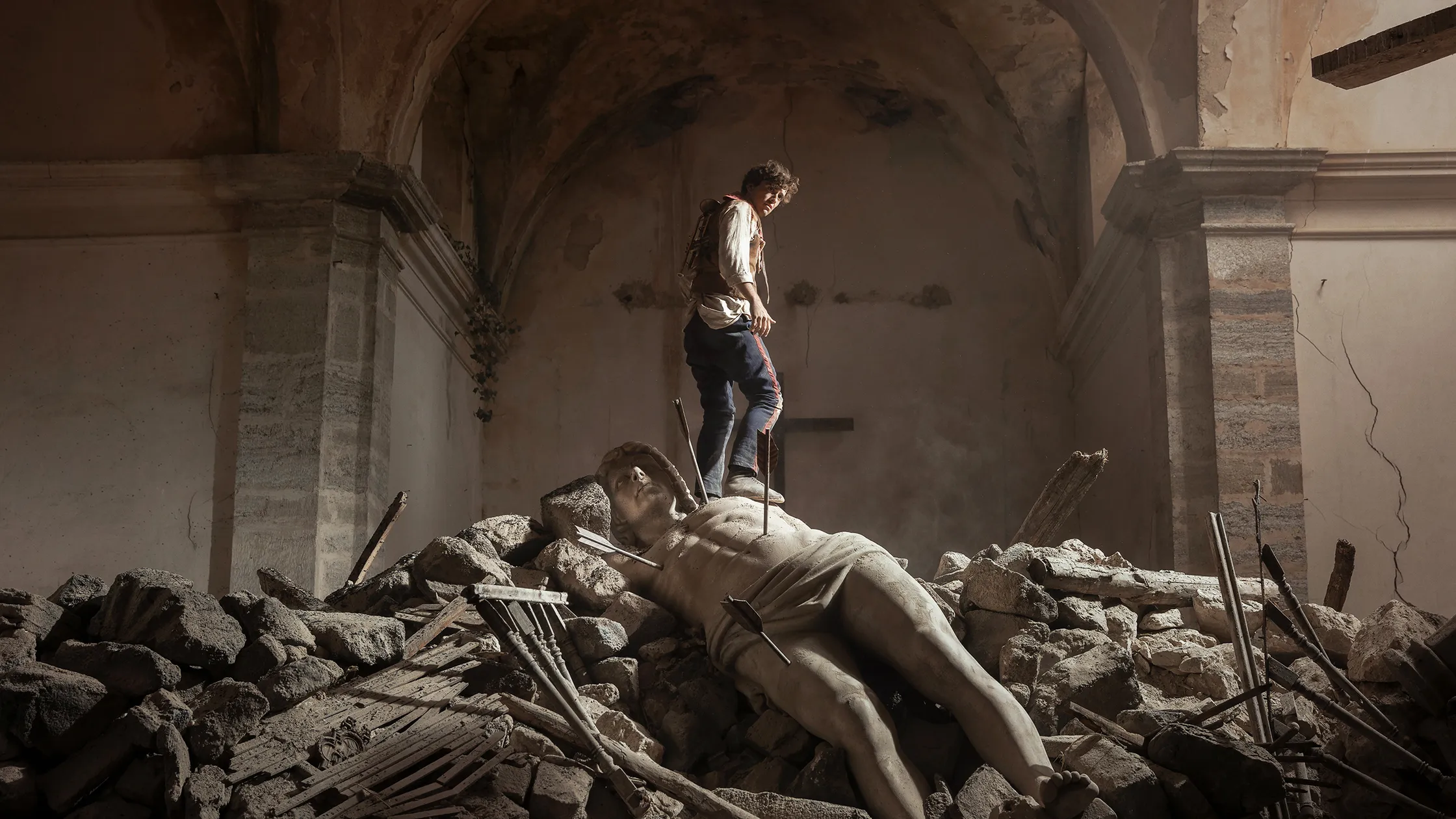
The film moves across three periods, connecting men whose lives are separated by time but joined by the risks of being seen. In one story, a young man is rejected by a prestigious club because of rumors about his sexuality. In another, a Nationalist soldier is assigned to guard a wounded Republican prisoner and falls in love with him. In the present, a queer historian follows an inheritance toward a past his family has left obscured.
That structure could feel like a puzzle assembled to make its point. Instead, the timelines make the point emotionally: history is not only what survives in documents. It is also what people conceal, what families refuse to explain, and what later generations must learn to read between the lines.
I was drawn to the film’s attention to those gaps. I have long been interested in the way a life can be reconstructed from images, objects, memories, and omissions. La bola negra understands that recovering the past is never a neutral act. The historian is not simply gathering facts. He is discovering how the past has shaped the present, and how much of himself is bound up in what was withheld.
The film’s romance matters because it gives these histories a human scale. The love between Sebastián and Rafael exists in a brutal world that offers them little room for a future. The film does not pretend that love cancels the violence around them. It lets tenderness exist inside that violence, which makes the tenderness feel more consequential.
That emotional ambition may strike some viewers as melodramatic. I found the question more interesting than the label: has the film earned the scale of its feeling? Its answer lies in the way the personal and the historical keep pressing against each other. The romance is not separate from the story of war, repression, and memory. It shows what those forces threaten to erase.
The film’s most affecting idea is that recovering a hidden life can change the meaning of the present. The past does not become less painful once it is known. But it becomes less solitary. Someone can finally recognize the shape of what happened, and another person can inherit more than silence.
La bola negra is an expansive film about queer history, but its deepest subject is the work of recognition: seeing the people who were left out, and understanding that their stories belong to us.
Expanding Fundraising Capacity for Small Nonprofits
August 2026–Present
Opportunity Abundance is an AI-assisted development consulting company created to help small and emerging nonprofit organizations build the fundraising capacity they need to fulfill their missions.
Many nonprofits operate without dedicated development staff, reliable donor systems, or the time required to identify and pursue funding opportunities. Opportunity Abundance gives these organizations access to practical development expertise, research capacity, and administrative support without the expense of adding a full-time position. The company combines artificial intelligence with more than 30 years of nonprofit and cultural-sector leadership. AI supports the first stage of research, organization, and analysis; every recommendation and deliverable then receives a human overlay grounded in institutional experience, judgment, and knowledge of the philanthropic landscape.
Key Services
Grant Prospecting and Readiness
Identifies foundation, corporate, and government funding opportunities aligned with each organization’s mission, programs, geography, eligibility, and funding needs. Research is translated into a prioritized pipeline rather than a generic list of prospects.
Proposal Development
Prepares funder research, application narratives, letters of inquiry, supporting language, calendars, and copy-and-paste-ready submission materials. The process is designed to reduce the burden on nonprofit leaders while keeping the organization in control of every final submission.
Donor and Corporate Research
Develops qualified lists of individual, corporate, and institutional prospects, supported by information that helps organizations understand capacity, interests, relationships, and potential points of connection.
Development Systems
Helps organizations establish and improve donor databases, gift records, appeals, campaigns, reporting practices, and ongoing stewardship workflows. Services include CRM selection, data cleanup, imports, and the creation of practical systems that staff can sustain.
Opportunity Abundance launched with paid nonprofit consulting engagements in Maryland and beyond. Current work includes strengthening fundraising systems, building institutional and corporate prospect pipelines, developing grant proposals, organizing historical donor data, and supporting a major preservation and expansion campaign for Poe Baltimore.
The company also works with cultural organizations and community institutions facing urgent needs but limited internal development capacity. Each engagement is tailored to the organization’s actual priorities, resources, and readiness.
The Vision
Opportunity Abundance is building a more accessible model for nonprofit development—one that allows smaller organizations to benefit from sophisticated research, stronger systems, and experienced strategic guidance.
Technology makes the work faster and more comprehensive. Human experience makes it credible, selective, and useful. The goal is not simply to produce more information. It is to help nonprofit leaders identify the right opportunities, make stronger decisions, build lasting relationships, and move important work forward.
More capacity. Better opportunities. Stronger organizations.
The COVID-19 pandemic was a seismic event that forced museums and libraries to shut their doors, shifting their focus to digital platforms almost overnight. As physical spaces became inaccessible, these cultural institutions had to adapt quickly, discovering new ways to reach and engage their audiences digitally. From virtual tours and online exhibitions to live-streamed events and digital archives, the shift to digital opened up new possibilities for global outreach. But, as the world emerged from the pandemic and restrictions eased, many institutions are retreating from these digital innovations, refocusing only on live programs. This article explores how museums and libraries have missed a crucial opportunity by not sustaining their digital momentum in the post-COVID world, while also highlighting examples of those who got it right.
The Digital Shift During COVID-19
During the pandemic, museums and libraries found themselves at a crossroads. With physical doors closed, they turned to digital platforms to continue serving their communities. This shift led to a surge in online content, including virtual tours, webinars, online workshops, and more. Institutions before viewing digital as a supplementary tool began to see it as an essential means of connection. For many, this period of digital innovation allowed them to reach broader, more diverse audiences, including those who never have set foot in their physical locations.
One of the most famous examples of this digital shift was the National Cowboy & Western Heritage Museum in Oklahoma. During the pandemic, the museum’s security guard, Tim Send, took over its social media accounts and quickly became an internet sensation.
Meet The Security Chief Making Social Media Feeds Extra Delightful
Through the coronavirus pandemic, security guard Tim Tiller is often at the National Cowboy
Learn more
His endearing, humorous posts not only entertained audiences but also dramatically increased the museum’s online following.
This example underscores the power of digital engagement, where creativity and authenticity can significantly boost an institution’s profile.
Another example is the Getty Museum in Los Angeles, which launched the #GettyMuseumChallenge. The museum encouraged people to recreate famous artworks using household items, a challenge that went viral and generated enormous engagement.
The challenge highlighted how digital content fosters creativity and community during difficult times.
The Getty Museum Challenge Is Now a Book
Own a timeless selection from the social media phenomenon, with all profits going to charity
Learn more
The happiest of endings is the publication of a book including the best of submissions. Talk about engagement, the Getty’s program is something to be copied for continued engagement.
Post-COVID: A Retreat from Digital?
As the pandemic subsided and institutions reopened, there was a noticeable retreat from the digital-first strategies that had been so successful during COVID-19. Museums and libraries, eager to reestablish their on-site presence, shifted their focus back to in-person programming. While this return to physical spaces was essential for community engagement and economic recovery, it often came at the expense of the digital innovations developed during the pandemic. Many institutions scaled back their online offerings, viewing them as temporary solutions rather than permanent strategies.
Unfortunately, not all institutions can survive the financial strain of prolonged closures, leading to permanent closures for some. For example, the San Francisco Art Institute, a historic institution known for its art programs and galleries, closed its doors in 2022 after 151 years of operation. The pandemic exacerbated its financial difficulties, and despite efforts to sustain the institution, it closed.
Fortunately for the community, the school was purchased with an endowment of roughly $30 million. Importantly, the new arts nonprofit’s advisory committee is made up of senior heavy hitters in the SF art arena
Living Computers Museum to Close Permanently
The museum will begin auctioning some of its massive collection of vintage gear this year.
Learn more
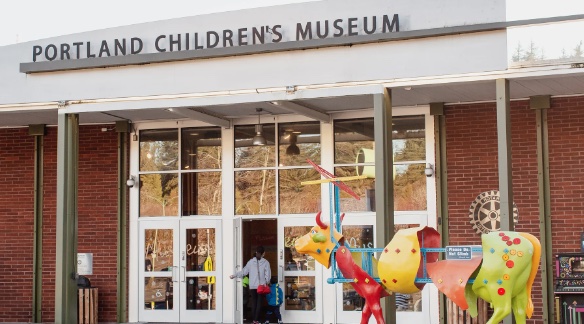
The Portland Children’s Museum, located in Portland, Oregon, was a beloved institution dedicated to the education and enrichment of children through interactive and imaginative play. Unfortunately, the Portland Children’s Museum permanently closed its doors in June 2021 due to financial difficulties exacerbated by the COVID-19 pandemic. The decision to close was a significant loss for the community, as the museum had been a cherished resource for families for many years.
Efforts are in motion to rebuild a new children’s museum for the city.
Missing the Portland Children’s Museum? Replacements are in the works
Groups are working to create options for kids in the suburbs — but a new, permanent museum is years away.
Learn more
These closures highlight the precarious position that many cultural institutions found themselves in during the pandemic. While some can adapt and innovate, others struggle to survive, demonstrating the critical need for a balanced approach that includes both digital and physical engagement.
The Missed Opportunity
The retreat from digital is a missed opportunity for museums and libraries. The pandemic demonstrated that digital platforms significantly expand the reach and impact of these institutions, connecting them with global audiences and offering new ways to experience culture and knowledge. By scaling back digital efforts, many institutions have inadvertently alienated the new audiences they had attracted during the pandemic. Additionally, the hybrid model—where digital and in-person experiences coexist—offers a sustainable path, allowing institutions to continue reaching those who can’t visit in person while enhancing the on-site experience with digital elements.
Who Got It Right?
While many institutions retreated from digital, some recognized the potential of maintaining and even expanding their online presence. The New York Public Library (NYPL) is a prime example of an institution that continued to rank digital engagement post-COVID. During the pandemic, the NYPL ramped up its digital content, offering virtual storytimes, online book clubs, and expanded access to its digital collections. Rather than scaling back as physical branches reopened, the NYPL has continued to invest in its digital platforms, recognizing that they offer a unique way to reach audiences beyond the city.
Calendar: Online Events & Classes at NYPL
The New York Public Library is here to help people of all ages learn and engage with their communities through our online classes, programs, book clubs, and more. Discover our wide array of free online offerings.
Learn more
Another excellent example is the Smithsonian Institution, which embraced a hybrid model by enhancing both its online and on-site offerings. The Smithsonian created the “Smithsonian Open Access” initiative, making millions of images and resources freely available online for public use.
This commitment to digital accessibility has not only expanded the Smithsonian’s reach but also reinforced its role as a leader in educational resources.
Smithsonian Open Access | Smithsonian Institution
Welcome to Smithsonian Open Access, where you can download, share, and reuse millions of the Smithsonian’s images—right now, without asking. With new platforms and tools, you have easier access to more than 4.9 million digital items.
Learn more
The Missed Opportunity
The retreat from digital is a missed opportunity for museums and libraries. The pandemic demonstrated that digital platforms significantly expand the reach and impact of these institutions. They connect them with global audiences and offer new ways to experience culture and knowledge. By scaling back digital efforts, many institutions have inadvertently alienated the new audiences they had attracted during the pandemic. Additionally, the hybrid model—where digital and in-person experiences coexist—offers a sustainable path. By allowing institutions to continue reaching those who can’t visit in person while enhancing the on-site experience with digital elements.
Social Media: A Missed Marketing Opportunity
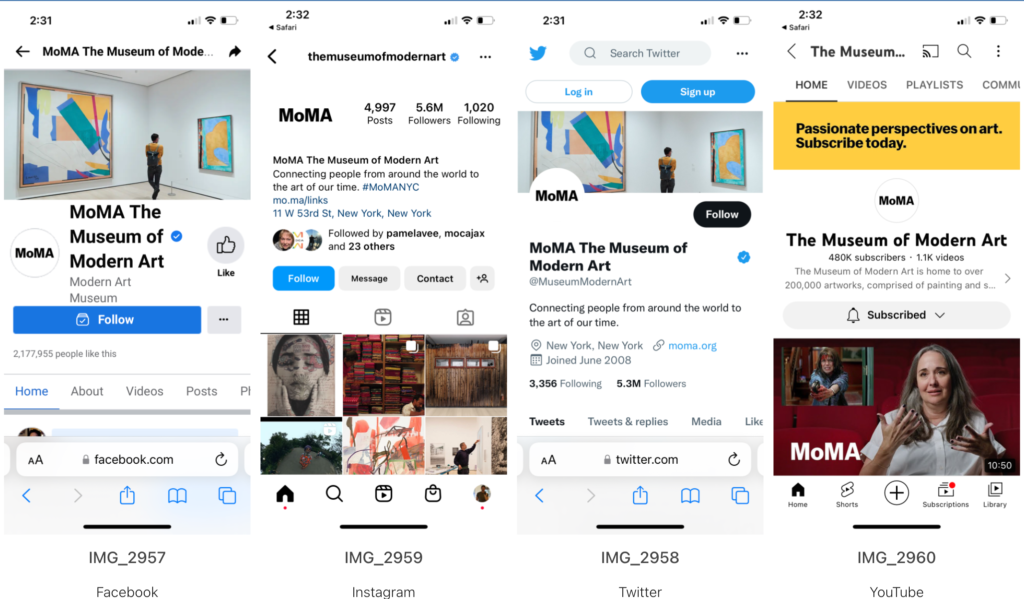
One of the most puzzling aspects of the post-COVID digital retreat is the way many museums and libraries bury their social media links at the bottom of their websites. During the pandemic, social media emerged as one of the most powerful tools for engaging with audiences worldwide.
These platforms allowed institutions to share content quickly, foster community interactions, and keep visibility even when physical spaces were closed. Yet, despite this proven effectiveness, many institutions still treat social media as an afterthought.
Museum Social Media Heroes
Since COVID-19, museum social media managers have been heroes for their institutions. During the shutdowns, social media managers sustained museum operations virtually and changed how they prioritize digital content.
Learn more
Post-COVID, social media should be front and center on museum and library websites. They serve as the main attraction for online visitors. These channels are not just marketing tools. They are dynamic platforms for delivering content, engaging with users, and building global communities. By relegating social media links to the bottom of their websites, institutions miss out on the best opportunity to reach new audiences and keep relevance in an increasingly digital world.
Why Digital Should Stay a Priority
Global Reach: Digital platforms break down geographical barriers, allowing institutions to reach a global audience. This expanded reach can drive engagement, increase visibility, and attract new supporters.
Accessibility: Digital content can make museums and libraries more accessible to people with disabilities, those with limited mobility, and others who face barriers to physical attendance.
Innovation: Maintaining a strong digital presence encourages ongoing innovation, allowing institutions to experiment with new formats, technologies, and ways of engagement.
Resilience: A robust digital strategy can help institutions stay resilient in the face of future disruptions, whether due to pandemics, natural disasters, or other unforeseen events.
Conclusion
The COVID-19 pandemic was a turning point for museums and libraries, pushing them to embrace digital platforms in ways they had never done before. But, as these institutions move ahead, they mustn’t lose sight of the lessons learned during the pandemic. By prioritizing digital engagement, museums and libraries can stay relevant, accessible, and resilient in an ever-changing world. The future of these institutions lies not in a return to the past but in a hybrid model that fully integrates the digital with the physical, offering the best of both worlds to their audiences.
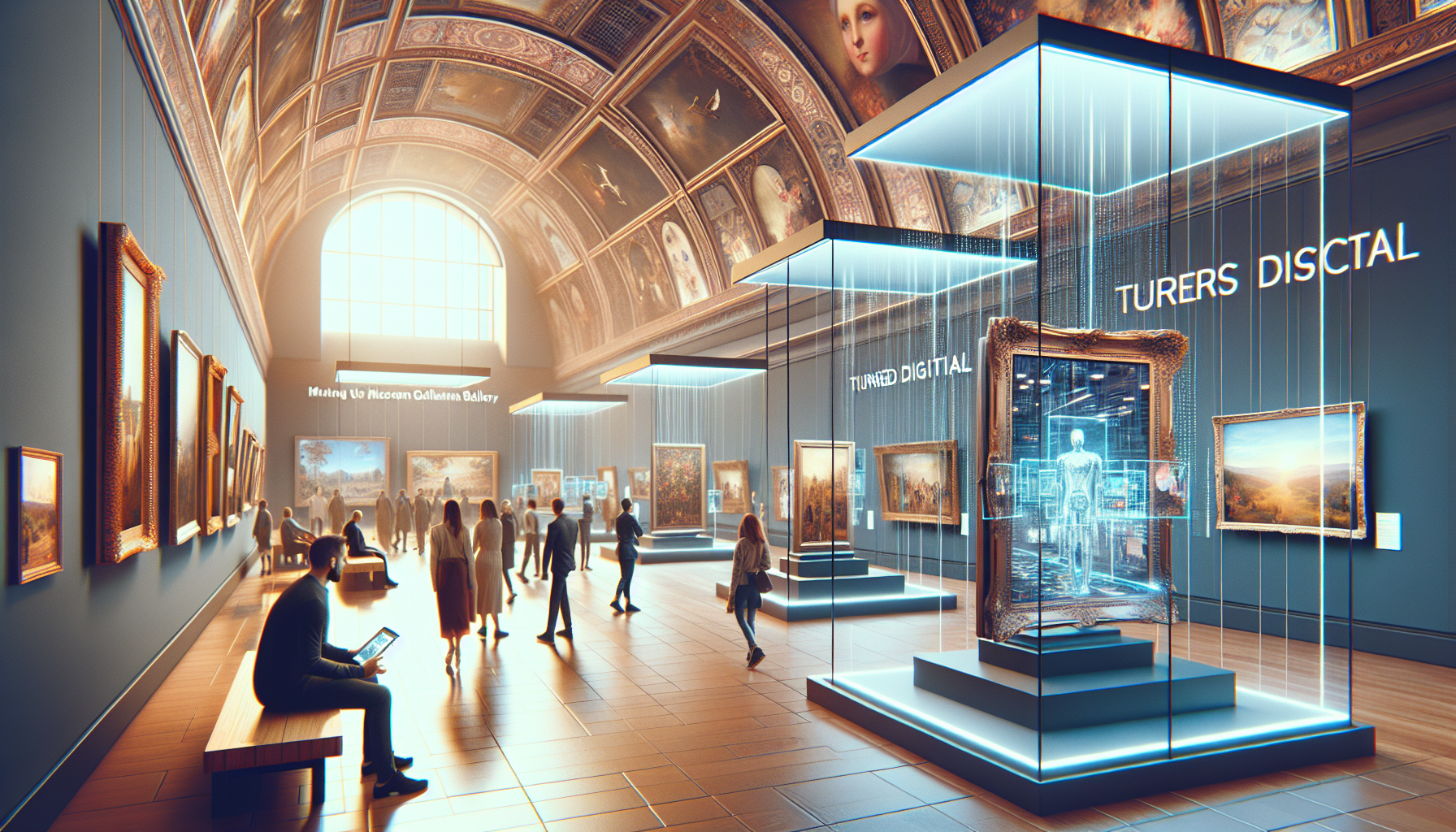
The journey begins long before setting foot in the museum. Potential visitors discover upcoming exhibits and events through engaging social media campaigns on platforms like Instagram, Facebook, and TikTok. The museum’s visually appealing website and mobile app offer an intuitive interface where users can explore detailed previews of exhibits via virtual tours and augmented reality (AR) experiences.
Creating an account unlocks personalized recommendations based on the user’s interests and previous visits, ensuring a tailor-made experience. Ticket purchasing is streamlined, with options for timed entries to manage crowd flow and digital tickets sent directly to the user’s device. Interactive content such as polls, quizzes, and countdowns on social media keeps potential visitors engaged and excited about their visit.
Arrival: Seamless Entry
On the day of the visit, seamless entry is facilitated by digital tickets or membership cards that allow quick, contactless check-in via QR codes or NFC technology. Welcome kiosks provide a brief orientation, current events, and exhibit highlights, ensuring visitors are well-informed and ready to explore.
Social media engagement begins as soon as visitors arrive, with encouragement to share their check-in on social platforms using location tags and museum-branded hashtags. Custom AR filters enhance these posts, allowing visitors to create unique and shareable content.
During the Visit: Exploration and Engagement
Once inside, cutting-edge technology elevates the museum experience. An interactive map on the museum’s app provides real-time navigation, guiding visitors to their points of interest. AR technology allows users to scan exhibits for immersive experiences, offering in-depth information, 3D models, and historical context.
Personalized self-guided tours cater to individual preferences and time constraints, ensuring a bespoke journey through the museum. Touchscreens and holographic displays bring exhibits to life with interactive elements, while virtual reality (VR) installations offer immersive experiences, such as historical reenactments or interactive art pieces.
Social media remains integral, with the museum posting live updates and stories highlighting special events, live performances, or surprise guest appearances. Visitors can participate in social media challenges or scavenger hunts, exploring exhibits and sharing their progress online. Designated photo spots with unique backdrops encourage visitors to take and share photos, enhancing the communal experience through shared hashtags.
Post-Visit: Continued Engagement
The experience doesn’t end when visitors leave the museum. The app sends personalized follow-up content, such as articles, videos, and notifications about upcoming exhibits, ensuring ongoing engagement. Visitors are prompted to share their favorite moments and discoveries on social media, tagging the museum and using official hashtags, which the museum can then share on its channels to foster a sense of community.
Feedback and reviews collected via social media help the museum continually improve future experiences. Visitors can access an online library of educational resources, including videos, articles, and virtual lectures, allowing them to continue learning. Opportunities for collaborative projects, such as community-curated exhibits or digital archives, provide further avenues for engagement.
Building a Connected Community
Social media engagement is pivotal in building a connected community around the museum. Consistent use of unique hashtags for different exhibits or events allows the museum to track engagement and foster a sense of belonging among visitors. Partnerships with influencers and local content creators broaden the museum’s reach and attract new audiences.
Through social media stories and live streams, interactive storytelling offers behind-the-scenes looks at exhibit setups, interviews with curators, and other exclusive content. Informative posts share educational insights related to exhibits, keeping the audience informed and engaged. Virtual events like live Q&A sessions, virtual tours, and workshops on social media platforms enable remote audiences to participate and engage.
Embracing Technology and Sustainability
AI and data analytics play a crucial role in optimizing the museum experience. By analyzing visitor behavior, the museum can enhance exhibit layouts and personalize future visits. AI-driven tools also provide real-time translation, sign language interpretation, and other accessibility features, ensuring inclusivity for all visitors.
Sustainability is also a key consideration. Digital tickets and information reduce paper usage, while energy-efficient technologies and eco-friendly materials promote sustainable practices. Information on the museum’s sustainability efforts and ways visitors can contribute enhances environmental awareness.
Conclusion
The future museum experience is characterized by a seamless integration of physical and digital interactions, personalized content, and continuous engagement. By leveraging advanced technologies and social media, museums can create unique, educational, and memorable experiences for every visitor, fostering a connected and engaged community.
As we look to the future, the “2025 Project” envisions a transformative era for cultural institutions such as galleries, libraries, archives, and museums (GLAM). This initiative outlines a strategic roadmap designed to embrace digital innovation, promote inclusivity, and ensure the sustainability of cultural heritage. For GLAM professionals, understanding and preparing for these changes is crucial. Here’s what you need to know about the 2025 Project and its impact on your work.
Digital Transformation in GLAM Institutions
The 2025 Project emphasizes the integration of digital technologies to enhance user experiences and operational efficiency. By 2025, expect a significant shift towards:
Virtual Reality (VR) and Augmented Reality (AR): These technologies will offer immersive experiences, allowing visitors to explore exhibits in entirely new ways. For instance, VR could recreate historical events or lost artifacts, providing a deeper understanding of our heritage.
Digitization of Collections: Accelerated digitization efforts will make collections more accessible globally. This will preserve fragile items and increase public engagement through online platforms.
Europeana PRO
Empowering digital change for the cultural heritage sector
Promoting Cultural Diversity and Inclusion
A core component of the 2025 Project is fostering cultural diversity and inclusion. GLAM institutions will play a pivotal role by:
Amplifying Underrepresented Voices: Curating exhibits and collections highlighting marginalized communities and their contributions to society.
Inclusive Programming: Developing programs and events that are accessible to all, including those with disabilities and non-English speakers.
Museums are a vital part of how we tell the stories of who we are, who we’ve been, and how we will live together. They maintain our cultural heritage and teach us about all the ways we are differen…
Sustainability in Cultural Practices
Environmental sustainability is a pressing concern for the future. The 2025 Project encourages GLAM institutions to adopt eco-friendly practices such as:
Green Exhibits: Utilizing sustainable materials and energy-efficient technologies in exhibit design.
Climate-Resilient Preservation: Implementing strategies to protect collections from climate change impacts, such as temperature and humidity fluctuations.
ifla-green-library-definition
Innovation in Arts and Media
The intersection of technology and creativity will give rise to innovative forms of art and media. By 2025, GLAM professionals can anticipate:
AI and Machine Learning: These technologies will aid in curating and interpreting collections, offering new insights and connections between items.
Interactive Experiences: Enhanced visitor engagement through interactive displays and installations that respond to user input.
Council Post: The Impact Of Artificial Intelligence On The Art World
Although AI is becoming increasingly prevalent in the art business, it does not have to be seen as a threat.
Global Cultural Convergence and Localization
Globalization will continue to influence cultural trends, leading to a blend of global and local cultures. GLAM institutions will need to balance:
Cultural Exchange: Facilitating international collaborations and exchanges to enrich cultural understanding.
Local Identity: Preserving and promoting local traditions and histories globally.
Globalization and Culture: The Three H Scenarios
Open access peer-reviewed chapter
Education and Cultural Literacy
Educating the public about cultural heritage will remain a cornerstone of GLAM institutions. The 2025 Project supports:
Technology-Enhanced Learning: Utilizing digital tools to make cultural education more engaging and accessible.
Cross-Cultural Programs: Offering programs that encourage understanding and appreciation of diverse cultures.
UNESCO Member States adopt global framework to strengthen Culture and Arts education
Today, UNESCO Member States unanimously adopted a new global Framework for Culture and Arts Education.
Impact of Technology on Human Interaction
As technology reshapes how we interact, GLAM institutions must navigate:
Digital Communication: Balancing online and offline engagement to maintain meaningful human connections.
Ethical Considerations: Addressing the moral implications of technology use, such as data privacy and digital equity.
The Future of Well-Being in a Tech-Saturated World
Many experts say digital life will continue to expand people’s boundaries and opportunities.
Cultural Policy and Governance
Finally, effective policies and governance will be essential to support the goals of the 2025 Project. This includes:
Public-Private Partnerships: Collaborating with various stakeholders to fund and promote cultural initiatives.
International Cooperation: Working with global entities to tackle challenges like digital piracy and cultural preservation.
PUBLIC-PRIVATE-PARTNERSHIP LEGAL RESOURCE CENTER
Find it @ PPPLRC : public-private partnership and infrastructure documents and reference materials
Preparing for the Future
For GLAM professionals, the 2025 Project presents both challenges and opportunities. By embracing digital innovation, promoting inclusivity, and committing to sustainability, you can ensure that your institution remains relevant and impactful in the years to come. Stay informed, be proactive, and engage with your peers to navigate this transformative period successfully.
The future of culture is bright, and with the 2025 Project, galleries, libraries, archives, and museums are poised to lead the way into this exciting new era.
Despite their noble missions, nonprofit organizations can be vulnerable to workplace abuse that affects directors. From verbal abuse to financial misconduct, nonprofit leaders face various forms of mistreatment that can harm their well-being and the organization’s integrity. Directors must address these challenges to nurture a healthy and supportive work environment. Below are detailed descriptions of different types of workplace abuse in nonprofits and practical steps directors can take to handle each scenario effectively.
Verbal Abuse
Verbal abuse in nonprofits encompasses derogatory remarks, belittling comments, and intimidation that can create a toxic work atmosphere for directors.
In this scenario:
Address the issue directly with the perpetrator, emphasizing the impact of their behavior.
Document instances of verbal abuse for reference and clarification when addressing the problem.
Seek support and guidance from HR or relevant board members to professionally address and resolve the issue.
Emotional Abuse
Nonprofit directors may experience emotional abuse in the form of manipulation, gaslighting, and constant criticism, leading to a stressful work environment.
When facing emotional abuse:
Seek feedback from trusted mentors or allies to gain perspective on the situation.
Communicate concerns with HR or board members, emphasizing the need for a supportive and respectful work environment.
Prioritize self-care activities and boundaries to maintain emotional well-being while navigating the challenges posed by emotional abuse.
Bullying
Bullying behavior towards nonprofit directors can include exclusion from important meetings, spreading rumors, or undermining their authority, which can be detrimental to their leadership.
In cases of bullying,
Confront the bully directly, assert boundaries, and communicate the impact of their actions.
Reach out to colleagues or HR for support in addressing the bullying behavior and creating a safe work environment.
Document instances of bullying and report them to relevant authorities to prevent further harm and promote a culture of respect.
Financial Abuse
Directors may face pressure to engage in unethical financial practices, such as misallocating funds or deceptive reporting, which can compromise the organization’s integrity.
When encountering financial abuse:
Refuse to participate in unethical practices and prioritize ethical decision-making in financial matters.
Seek advice from legal counsel or financial experts to navigate complex financial situations and protect the organization’s financial health.
Advocate for transparency and accountability in financial processes, reporting concerns to appropriate authorities for investigation and resolution.
Sexual Harassment
Directors are not immune to sexual harassment in nonprofit organizations, which can involve unwelcome advances, inappropriate comments, and coercive behavior.
Addressing sexual harassment in nonprofits requires immediate action:
Communicate boundaries and express discomfort with inappropriate behavior to the harasser.
Report sexual harassment to HR, board leadership, or external agencies for investigation and intervention.
Seek support and guidance from professionals handling sexual harassment cases to ensure a safe work environment for all staff members.
Workplace Harassment
Workplace harassment in nonprofits can manifest as micromanagement, unrealistic expectations, or creating a hostile work environment, impacting directors’ well-being and performance.
When facing workplace harassment:
Address the harassing behavior directly with the individuals involved, setting clear expectations for professional conduct.
Document instances of harassment and report them to HR or board members seeking support to resolve the issue.
Advocate for a workplace culture of respect and inclusivity, promoting healthy communication and collaboration among staff members.
Retaliation
Directors may face retaliation for whistleblowing or raising concerns about misconduct, which can lead to adverse actions and a toxic work environment.
To address retaliation effectively:
Document instances of retaliation and seek support from HR or legal counsel to protect your rights.
Report retaliatory actions to the appropriate authorities within the organization for investigation and resolution.
Advocate for whistleblower protection policies and mechanisms to prevent retaliation and ensure a safe environment for all employees.
Willful Neglect of Facilities
Neglecting facilities and creating hazardous working conditions can pose serious risks to nonprofit directors and staff, impacting productivity and well-being.
When faced with willful neglect of facilities: –
Document safety concerns and bring them to the attention of board members or decision-makers for immediate action.
Advocate for necessary repairs and maintenance to ensure a safe working environment for all employees.
Seek support from regulatory agencies or advocacy groups to address neglect effectively and prevent potential harm to individuals in the workplace.
By recognizing and taking proactive steps to address workplace abuse in nonprofits, directors can foster a positive work environment that promotes well-being, productivity, and organizational success. Prioritizing open communication, setting boundaries, seeking support, and advocating for a culture of respect and transparency are essential in creating a safe and inclusive workplace for all staff members.
Caveat: While this information guides recognizing and addressing workplace abuse in nonprofit organizations, it is important to acknowledge that I am not an attorney. Any individual experiencing workplace harassment or misconduct should seek legal advice from a qualified professional to understand their rights, legal options, and appropriate course of action. Legal counsel can provide tailored guidance and support in addressing workplace issues effectively and protecting one’s rights in such situations. Prioritizing legal advice and consulting with experts in employment law can ensure that individuals facing workplace harassment receive comprehensive support and protection as they navigate challenging circumstances.
The urgent push to digitize audio/video archives is a priority for institutions worldwide.
This urgency is driven by various factors, including physical media’s rapid degradation, playback equipment’s obsolescence, and the potential loss of culturally significant materials. As institutions recognize these risks, numerous examples highlight the proactive steps taken to preserve invaluable audio-visual collections through digitization.
Physical Media Degradation
Analog formats such as VHS, Betamax, and audiocassettes were not designed for long-term preservation. Magnetic tapes, common in many archival collections, are particularly vulnerable to degradation over time. Issues like sticky-shed syndrome cause the binder holding magnetic particles to deteriorate, leading to irreparable damage if not addressed promptly. The Smithsonian Institution, for instance, holds an extensive collection of recordings on magnetic tape that capture significant cultural and historical events. The newly created Audiovisual Media Preservation Initiative has been working diligently to digitize these tapes, preserving audio recordings of interviews, speeches, and performances that would otherwise be lost.
Audiovisual Media Preservation Initiative
The Audiovisual Media Preservation Initiative (AVMPI) is a centralized resource that supports the overall need for individual Smithsonian units to catalog, preserve, and provide access to our audiovisual collections.
Obsolescence of Playback Equipment
The devices needed to play analog media are becoming increasingly rare as technology evolves. Cassette players, VCRs, and other playback equipment are no longer manufactured at scale, and the parts necessary for repairs are difficult to find. The British Library faces this challenge with its vast collection of audio recordings on reel-to-reel tapes and vinyl records. Recognizing the imminent risk of losing access to these materials, the British Library launched the Save Our Sounds project, aiming to digitize and make accessible thousands of recordings from across the UK’s diverse audio heritage.
British Library launches sound archive to rescue half a million recordings
The British Library is launching Unlocking Our Sound Heritage to save almost half a million rare and unique recordings from physical decay.
Technological Advancements
Modern digitization technologies offer unprecedented opportunities for high-quality preservation. Advanced scanners and software can capture fine details and nuances of audio-visual materials, ensuring the digital copies are as faithful as possible to the originals. The Library of Congress has leveraged such technologies in its National Audio-Visual Conservation Center, which preserves materials ranging from early sound recordings to contemporary video. Utilizing state-of-the-art equipment, the Library of Congress ensures that these materials are preserved at the highest possible quality for future generations.
About This Program | Audio Visual Conservation | Programs | Library of Congress
The Packard Campus Located at the foothills of the Blue Ridge Mountains in Culpeper, Virginia, the Library’s newly completed Packard Campus of the National Audio-Visual Conservation Center provides underground storage for this entire collection on 90 miles of shelving, together with extensive modern facilities for the acquisition, cataloging and preservation of all audio-visual formats.
Accessibility and Usability
Digital formats provide greater accessibility and usability compared to analog media. Once digitized, materials can be easily cataloged, searched, and shared online, broadening access to researchers, educators, and the general public. The European Union’s Europeana initiative exemplifies this approach by digitizing millions of cultural heritage items from various European institutions. Through Europeana, users can explore a vast digital library of films, audio recordings, photographs, and documents, many previously inaccessible to the public.
Discover Europe’s digital cultural heritage
Search, save and share art, books, films and music from thousands of cultural institutions
Preservation of Cultural Heritage
Many archival audio-visual materials are unique and hold immense cultural, historical, or scientific value. Digitization ensures that these irreplaceable records are preserved for future generations. The American Folklife Center at the Library of Congress houses one of the largest ethnographic collections in the world, including field recordings of music, storytelling, and oral histories. By digitizing these materials, the Center safeguards communities’ rich cultural traditions and voices that might otherwise fade into obscurity.
About this Reading Room | American Folklife Center | Research Centers | Library of Congress
The American Folklife Center (AFC) documents and shares the many expressions
of human experience to inspire, revitalize, and perpetuate living cultural
traditions. Designated by the U.S. Congress as the national center for folklife
documentation and research, the Center meets its mission by stewarding archival
collections, creating public programs, and exchanging knowledge and expertise.
The Center’s vision is to encourage diversity of expression and foster community
participation in the collective creation of cultural memory.
Since 1976—when Congress passed the American Folklife Preservation Act
(Public Law 94-201) and President Ford signed it into law—the American Folklife
Center has fulfilled its charge to “preserve and present” folklife in all its
diversity. Over the years the Center’s staff have coordinated and conducted large
scale fieldwork projects, produced rich public programs onsite and online, supported
training for researchers and fieldworkers, provided robust reference services, and,
built a significant multiformat archive that holds cultural documentation of lived
human experience and meaning-making from around the world.
Risk of Loss Due to Disasters
Physical archives are vulnerable to natural and man-made disasters like floods, fires, and other catastrophes. Digital archives, particularly when stored in multiple locations or cloud environments, offer better protection against such risks. The National Archives and Records Administration (NARA) in the United States has implemented robust digitization and digital storage strategies to protect its vast holdings of government records. NARA’s efforts include creating redundant digital copies and storing them in geographically dispersed data centers to mitigate the risk of loss from any disaster.
Digital Preservation Strategy 2022-2026
Introduction The National Archives and Records Administration (NARA) identifies, preserves, and provides access to the U.S. Government’s vast holdings of archival records. We preserve these records to protect citizens’ rights, ensure government accountability, and document the national experience. The electronic records in NARA’s custody include textual materials, email, data files, maps, aerial and still photographs, as well as motion picture, sound, and video recordings.
Legal and Compliance Requirements
Some organizations face legal or regulatory mandates to preserve records in a durable format. Digitization helps meet these requirements by ensuring long-term accessibility and integrity of records. The United Nations Educational, Scientific and Cultural Organization (UNESCO) has actively promoted the digitization of documentary heritage under its Memory of the World program. UNESCO’s efforts include providing guidelines and support to institutions worldwide to ensure that important documentary heritage is preserved and accessible in the digital age.
Memory of the World
The world’s documentary heritage belongs to all, should be fully preserved and protected for all and, with due recognition of cultural mores and practicalities, should be permanently accessible to all without hindrance.
Conclusion
The urgency to digitize archival video and audio materials in 2024 is driven by the need to combat media degradation, counteract the obsolescence of playback equipment, and preserve culturally significant materials. Institutions like the Smithsonian Institution, the British Library, and the Library of Congress exemplify proactive efforts to safeguard our audio-visual heritage through digitization. These efforts ensure that future generations can access the rich tapestry of human history, culture, and knowledge embedded in these irreplaceable recordings. As technology advances, the tools and methods for digitization continue to improve, offering even greater fidelity and opportunities for preserving the past for posterity.
Digitizing collections for Galleries, Libraries, Archives, and Museums (GLAMs) is essential for preserving valuable items and making them accessible to a broader audience. Leveraging AI tools can significantly enhance digitization, improving efficiency, accuracy, and overall quality. Here’s a detailed guide on five easy and affordable steps to digitizing collections, including how AI tools can assist at each stage.
Prioritize and Plan Your Digitization Project
Assessment
Begin by assessing your collection to identify the most valuable, frequently accessed or at-risk items. This step ensures that you focus on the most critical items first, maximizing the impact of your digitization efforts.
Planning
Create a comprehensive digitization plan. This should include:
Goals: Define what you want to achieve with your digitization project.
Resources: Identify the equipment, software, and personnel needed.
Timeline: Set realistic deadlines for each phase of the project.
Budget: Outline your budget and explore funding opportunities if necessary.
Invest in Affordable Equipment and AI Tools
Scanners and Cameras
For documents and flat items, invest in reliable yet affordable scanners. Popular options include flatbed scanners and sheet-fed scanners for bulk processing. For 3D objects, use a high-resolution digital camera or a smartphone with a quality camera.
DIY Solutions
Consider creating DIY setups for specific tasks. For instance, a book cradle can be constructed using inexpensive materials, allowing you to photograph books efficiently without damaging them.
AI Tools for Equipment Enhancement
Optical Character Recognition (OCR): Use AI-powered OCR tools like Adobe Acrobat Pro DC, ABBYY FineReader, or Google Cloud Vision OCR to convert scanned text documents into machine-readable text.
Image Enhancement and Restoration: Leverage AI tools such as VanceAI, Remini, and MyHeritage Photo Enhancer to improve the quality of digital images and restore old or damaged photographs.
Establish a Simple and Effective Workflow with AI Assistance
Standardize Processes
Develop standard operating procedures (SOPs) for handling, scanning, and storing digital files. Consistency in these processes ensures high-quality results and protects your physical items from damage.
Batch Processing
Digitize items in batches to streamline the workflow. This method increases efficiency and helps manage time effectively, making the digitization process less daunting.
AI Tools for Workflow Management
Automated Metadata Generation: Use AI to generate and tag digital asset metadata automatically. Tools like Clarifai, Google Cloud Vision API, and TagSpaces can assist in organizing and retrieving information.
Natural Language Processing (NLP): Utilize NLP tools such as spaCy, IBM Watson Natural Language Understanding, and Amazon Comprehend to analyze and extract information from large text corpora.
Utilize Free or Low-Cost Software Solutions Enhanced by AI
Scanning Software
Use free or open-source scanning software like NAPS2 (Not Another PDF Scanner 2) or SimpleScan. These tools offer robust features without the cost, making them ideal for budget-conscious projects.
Image Editing Tools
For editing and enhancing digital images, leverage free tools such as GIMP (GNU Image Manipulation Program) or Paint.net. These programs provide powerful editing capabilities similar to expensive software.
AI-Powered Tools
Automated Transcription Services: Use AI-driven transcription tools like Otter.ai, Trint, and Rev.ai to convert audio and video content into text.
Machine Learning for Pattern Recognition: AI tools such as TensorFlow, PyTorch, and IBM Watson Visual Recognition can analyze and identify patterns within digital collections.
Implement Secure Storage and Backup Solutions with AI Support
Digital Storage
Choose reliable digital storage solutions such as external hard drives or cloud services like Google Drive, OneDrive, or Dropbox. Ensure that your storage solution offers sufficient space and is easy to access.
Backup Systems
Implement a robust backup system to protect against data loss. Regularly back up your digital files to multiple locations, including an offsite or cloud-based backup.
File Organization
Organize your digital files using clear and consistent naming conventions and folder structures. This approach facilitates easy retrieval and management, saving time and reducing frustration.
AI Tools for Storage and Quality Control
Content Moderation and Quality Control: Use AI tools like Microsoft Azure Content Moderator and Amazon Rekognition to automatically check the quality of digitized content and flag any issues.
Automated Translation Services: For multilingual collections, AI-powered translation tools like Google Translate, DeepL, and Microsoft Translator can help translate text into various languages.
Conclusion
By following these five easy and affordable steps, GLAM institutions can efficiently digitize their collections, ensuring the preservation of valuable items and enhancing accessibility. Prioritizing and planning, investing in affordable equipment and AI tools, establishing a streamlined workflow, utilizing free and AI-enhanced software, and implementing secure storage and backup systems are all critical components of a successful digitization project. Start today to safeguard your collection’s future and make it accessible to a broader audience.
The American Visionary Art Museum (AVAM) in Baltimore is a unique and inspiring destination for anyone exploring the world of outsider art.
American Visionary Art Museum
Founded in 1995, AVAM showcases the work of self-taught artists who create art outside the traditional art world. The museum’s collection includes various artworks, including paintings, sculptures, and mixed media pieces, all created by artists driven by their inner vision and creativity.
One of the highlights of the American Visionary Art Museum is its commitment to showcasing the work of artists who may not have had formal training or recognition in the mainstream art world. This focus on outsider art allows visitors to experience a fresh perspective on creativity and artistic expression. Visitors to the museum can explore various styles and techniques, from intricate drawings to bold and colorful paintings.
In addition to its impressive collection of artwork, the American Visionary Art Museum hosts a variety of exhibitions and events throughout the year. These exhibitions often feature emerging artists and provide a platform for them to showcase their work to a wider audience. Anyone visiting the museum will have the opportunity to discover new and innovative artists and gain insights into the creative process behind their work.
The museum’s commitment to promoting creativity and self-expression also extends to its educational programs. The American Visionary Art Museum produces workshops, lectures, and other events exploring outsider art’s themes and techniques. These programs provide a valuable opportunity for audiences to expand their knowledge and gain a deeper understanding of the diverse world of visionary art.
About AVAM and Rebecca Hoffberger
Rebecca Hoffberger, February 2015
The American Visionary Art Museum in Baltimore was founded in 1995 by visionary leader Rebecca Hoffberger. Hoffberger’s passion for outsider art and her dedication to showcasing the work of self-taught artists were instrumental in shaping the museum into the inspiring destination it is today. Her vision and commitment to promoting creativity and self-expression have significantly impacted the art world and helped elevate the status of outsider artists.
Rebecca’s innovative approach to curating the collection has garnered international acclaim and recognition. Her keen eye for talent and ability to spot emerging artists have resulted in a museum at the forefront of contemporary outsider art. Hoffberger’s tireless efforts to support and promote these artists have created a platform for them to share their unique visions with the world.
In addition to her work at the museum, Rebecca Hoffberger is a respected author and educator in outsider art. Her contributions to the study and appreciation of visionary art have helped to raise awareness of this important and often overlooked genre. Rebecca Hoffberger’s leadership and dedication to the American Visionary Art Museum have made it a beacon of creativity and inspiration for artists and art lovers alike. Her unwavering commitment to championing the work of self-taught artists has created a space where diverse voices and visions can be celebrated and shared.
Visiting the museum allows one to experience firsthand the impact of Hoffberger’s vision and the transformative power of outsider art. Overall, the American Visionary Art Museum and its founder, Rebecca Hoffberger, offer a one-of-a-kind experience for art lovers seeking to explore the world of visionary art. Hoffberger’s legacy and the museum’s vibrant collection make it a must-visit destination for anyone interested in discovering the beauty and creativity of outsider art.
Overall, the American Visionary Art Museum in Baltimore is a must-visit destination for exploring the world of outsider art. With its diverse collection, engaging exhibitions, and educational programs, the museum offers a unique and inspiring experience that will leave a lasting impression.
Visit the museum and discover the beauty and creativity of visionary art!
American Visionary Art Museum
Welcome to the nation’s museum for self-taught, intuitive artistry.