
Galleries, Libraries, Archives, and Museums Revolutionize with AI Technology
In the digital age, cultural institutions such as museums, archives, galleries, and libraries are embracing artificial intelligence (AI) technology to enhance operations, improve visitor experiences, and preserve valuable collections. This article will explore the importance of AI in these institutions and how they are leveraging this innovative technology.
Importance of AI in Museums, Archives, Galleries, and Libraries
AI is crucial in helping cultural institutions adapt to the ever-evolving digital landscape. It enables them to digitize their collections, provides personalized recommendations for visitors, streamlines conservation efforts, enhances search capabilities in archives, preserves delicate materials, conducts data analysis for researchers, offers virtual reality (VR) tours, allows for artwork authentication in galleries, and improves cataloging and organization in libraries.
How AI is Being Used
- Digitization of Collections: AI technology allows museums to digitize their collections, making them more accessible to a global audience. By creating digital archives, institutions can preserve and showcase their artifacts, artworks, and historical documents in a virtual space.
- Recommendations for Visitors: AI algorithms analyze visitor preferences and behaviors to provide personalized recommendations, creating more engaging and customized museum experiences. This can include suggesting specific exhibits, events, or collections based on individual interests.
- Conservation Efforts: AI assists in conservation efforts by analyzing environmental conditions, detecting potential risks to artifacts, and monitoring conservation processes. This proactive approach helps institutions better preserve and protect their valuable collections.
AI Applications in Galleries
 Galleries are leveraging artificial intelligence (AI) technology to transform how they engage with visitors, authenticate artwork, and create immersive experiences that captivate audiences. From virtual reality tours to artwork authentication, AI applications in galleries are revolutionizing how art is experienced and appreciated. Explore the innovative uses of AI in galleries and its profound impact on the art world.
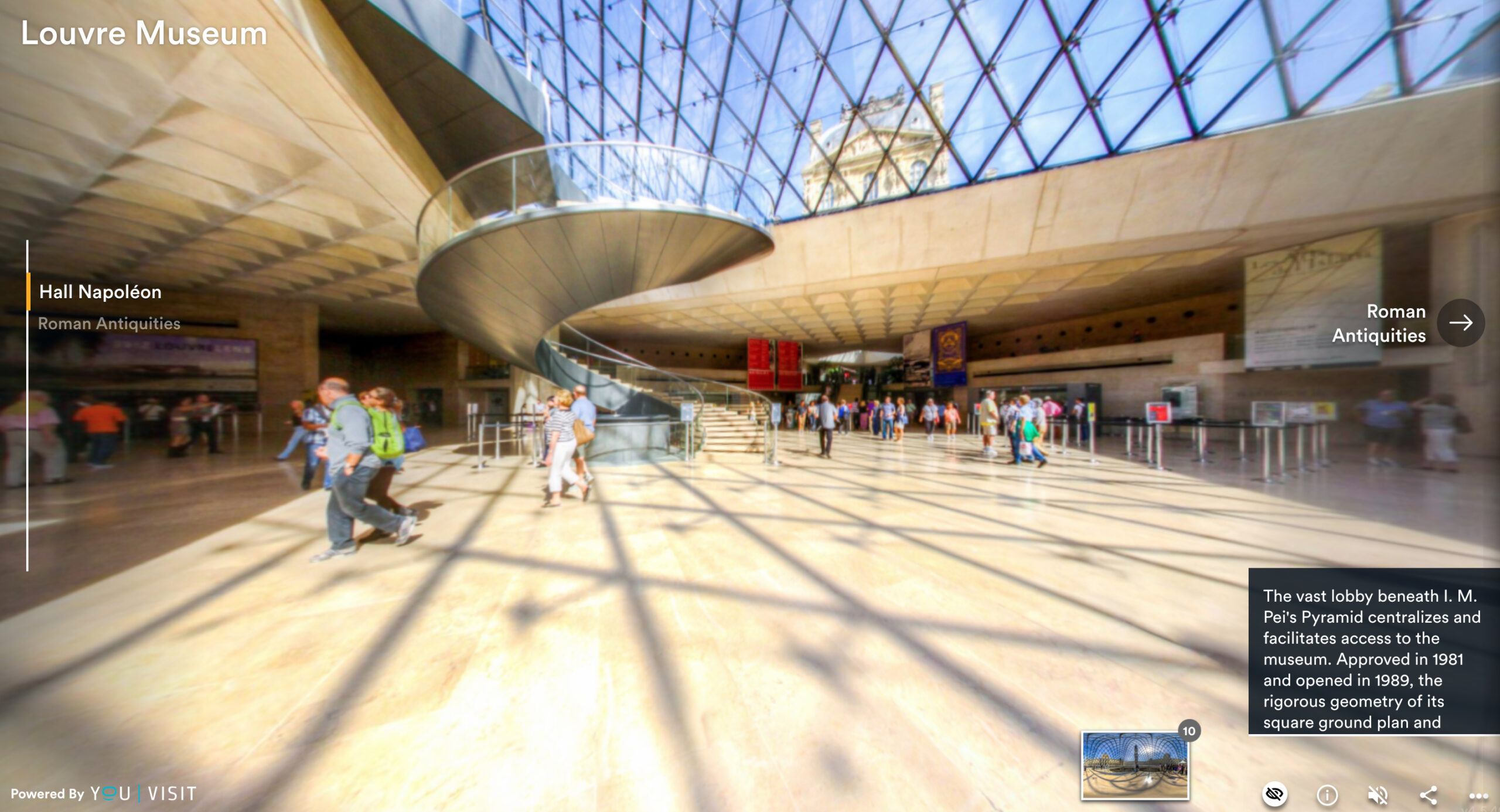
- Virtual Reality Tours: AI-powered virtual reality (VR) tours allow gallery visitors to explore exhibitions and artworks in a fully immersive and interactive digital environment. By combining AI algorithms with VR technology, galleries can transport visitors to different eras, locations, and artistic styles, providing a unique and engaging way to experience art beyond physical boundaries.
- Artwork Authentication: AI technology is revolutionizing the process of authenticating artwork by analyzing details such as brushstrokes, materials, and composition to determine the authenticity of pieces in gallery collections. By utilizing AI algorithms for image recognition and analysis, galleries can verify the provenance and authenticity of artworks, safeguarding the integrity of their collections.
- Enhanced Audience Engagement: AI applications in galleries enhance audience engagement through interactive exhibits, augmented reality experiences, and personalized content recommendations. By tailoring experiences to individual preferences and behaviors, galleries can create immersive and interactive environments that resonate with diverse audiences and foster a deeper appreciation for art and culture.
- Predictive Analytics and Exhibition Planning: AI algorithms analyze visitor data, trends, and preferences to predict audience behavior and optimize exhibition planning. By leveraging data analytics and machine learning algorithms, galleries can curate exhibitions that resonate with their audience, increase visitor engagement, and drive attendance through personalized and targeted programming.
- Art Market Insights: AI technology provides galleries with valuable insights into the art market, trends, and pricing dynamics. By analyzing market data, auction results, and art sales trends, galleries can make informed decisions on acquisitions, valuation, and marketing strategies, enabling them to navigate the competitive art market landscape confidently.
AI applications in galleries are revolutionizing how art is experienced, authenticated, and appreciated, providing new opportunities for audience engagement, exhibition planning, and market insights. As galleries continue to embrace AI technology, they are shaping a more dynamic and immersive art world that leverages innovation to engage audiences, preserve cultural heritage, and foster creativity and appreciation for art and culture.
AI Technology in Libraries

Libraries are embracing artificial intelligence (AI) technology to revolutionize organizing, accessing, and sharing information with patrons. From improving cataloging systems to enhancing research capabilities, AI applications in libraries are reshaping the way knowledge is curated and accessed in the digital age. Explore the transformative role of AI in libraries and its impact on the future of information management and access.
- Improved Cataloging and Organization: AI technology automates and streamlines the cataloging and organization of library resources, making it easier for patrons to search and access materials. By utilizing AI algorithms for metadata analysis, content categorization, and recommendation systems, libraries can enhance the discoverability and accessibility of their collections, enabling users to find relevant information efficiently.
- Text Analysis for Researchers: AI tools facilitate text analysis and data mining for researchers, enabling them to extract insights, identify patterns, and conduct in-depth analysis of textual materials such as books, journals, and manuscripts. By leveraging natural language processing and machine learning algorithms, libraries can offer researchers advanced search capabilities and access to knowledge repositories.
- Virtual Reference Services: AI-powered virtual reference services provide immediate assistance to library users, answering questions, providing recommendations, and guiding patrons on research inquiries. By integrating chatbots, virtual assistants, and AI-driven search engines, libraries can offer personalized support, enhance user engagement, and provide efficient and convenient access to information resources.
- Enhanced Data Analytics: AI technology enables libraries to leverage data analytics for insights into user behavior, collection usage, and resource optimization. By analyzing usage patterns, circulation data, and patron interactions, libraries can make informed decisions on collection development, resource allocation, and service improvements, ensuring that resources meet their users’ evolving needs.
- Predictive Modeling and Recommendation Systems: AI algorithms predict user preferences and behaviors to generate personalized library resources, services, and program recommendations. Using machine learning and collaborative filtering techniques, libraries can offer tailored recommendations, anticipate user needs, and enhance user satisfaction and engagement.
AI technology is reshaping libraries’ landscapes, enabling them to enhance information organization, streamline research capabilities, and provide personalized user experiences. As libraries embrace AI innovation, they optimize resource management, improve user services, and foster knowledge discovery and access in the digital era. By leveraging the power of AI, libraries are transforming into dynamic hubs of information and knowledge that empower users to explore, learn, and engage with the vast world of information.
The Role of AI in Archives

Archives play a vital role in preserving and sharing historical documents, records, and artifacts with significant cultural and historical value. With the advancement of artificial intelligence (AI) technology, archives are leveraging AI tools to digitize, organize, and protect these invaluable materials.
- Digitization and Preservation: AI technology is revolutionizing the process of digitizing and preserving archival materials by automating digitization workflows, enhancing image quality, and improving metadata tagging. Through AI-powered tools such as optical character recognition (OCR) and machine learning algorithms, archives can efficiently digitize and archive documents, photos, and manuscripts, ensuring their long-term preservation and accessibility for future generations.
- Enhanced Search and Discovery: AI algorithms enhance search capabilities in archives by intelligently categorizing, indexing, and analyzing vast collections of documents and records. By implementing AI-powered search engines and recommendation systems, archives can provide users faster and more accurate access to historical information, enabling researchers, scholars, and the public to discover hidden insights and connections within archival materials.
- Risk Assessment and Preservation Planning: AI tools are utilized in archives to assess environmental risks, monitor conservation conditions, and plan preservation strategies for delicate and vulnerable materials. By analyzing ecological data, detecting potential risks, and predicting deterioration patterns, AI technology helps archives safeguard their collections and implement proactive conservation measures to prolong the lifespan of historical artifacts and documents.
- Data Analysis and Research Insights: AI technology empowers archives to analyze and extract insights from vast amounts of historical data, enabling researchers to uncover trends, patterns, and correlations within archival collections. Archives can use AI-powered data analysis tools to facilitate in-depth research, historical analysis, and knowledge discovery, providing valuable insights into the past and enriching scholarly investigations in various fields.
- Ethical Considerations and Data Privacy: As archives incorporate AI technology into their operations, ethical considerations regarding data privacy, security, and bias must be carefully addressed. Archives must adhere to strict data protection protocols, transparency guidelines, and ethical practices to ensure the responsible and equitable use of AI tools in archives, safeguarding the integrity and privacy of historical materials and user data.
AI technology is pivotal in transforming archives by digitizing, organizing, and preserving historical materials, enhancing search capabilities, facilitating research insights, and ensuring the long-term sustainability of archival collections. As archives continue to harness the power of AI, they advance the preservation and accessibility of historical knowledge, empowering researchers, scholars, and the public to delve deeper into the annals of history. By embracing AI innovation, archives preserve our shared heritage and open new avenues for exploration, discovery, and appreciation of our cultural legacy.
The Role of AI in Museums

In the digital age, museums leverage artificial intelligence (AI) technology to revolutionize how they preserve, engage with, and share their collections with a global audience. From digitizing artifacts to enhancing visitor experiences, AI reshapes how museums operate and connect with patrons. AI technology empowers museums to digitize their collections, analyze visitor behavior, optimize exhibition layouts, personalize experiences, and streamline operations. By harnessing the capabilities of AI algorithms, museums can offer immersive virtual tours, provide interactive exhibits, deliver personalized recommendations, and enhance accessibility for all visitors
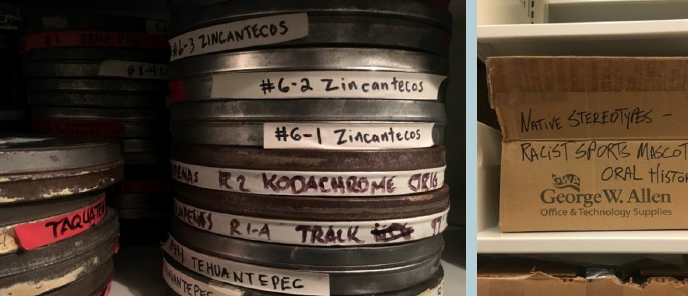
- Digitization and Preservation: AI enables museums to digitize artifacts, artworks, and historical documents, preserving them in a digital archive for future generations to access and admire. Through advanced image recognition and data analysis, AI helps museums catalog and organize their collections efficiently, ensuring the preservation of cultural heritage for years to come.
- Enhanced Visitor Experiences: AI algorithms analyze visitor preferences, interactions, and feedback to create personalized experiences that cater to individual interests. From recommending relevant exhibits to providing interactive content, museums can engage with visitors on a deeper level and create memorable and immersive experiences that resonate with diverse audiences.
- Optimizing Operations: AI technology streamlines museum operations by automating inventory management, scheduling, and visitor analytics tasks. By analyzing data and generating insights, museums can make informed decisions, optimize resource allocation, and improve overall efficiency, leading to a more seamless and organized visitor experience.
- Driving Innovation and Engagement: AI fosters innovation in museums by enabling the development of interactive exhibits, augmented reality experiences, and immersive storytelling methods. By integrating AI-powered technologies, museums can engage visitors in new and exciting ways, spark creativity, and foster a deeper connection with cultural heritage and artistic expression.
As AI technology continues to evolve, the possibilities for its application in museums are limitless. From AI-generated art to predictive analytics for exhibition planning, museums are at the forefront of utilizing AI to push the boundaries of creativity, accessibility, and engagement. By embracing AI innovation, museums are shaping a dynamic and inclusive cultural landscape that captivates audiences and fosters a deeper appreciation for art, history, and culture.
Benefits of Using AI in Cultural Institutions
- Increased Accessibility for Visitors and Researchers: AI technology improves accessibility to cultural institution resources by providing enhanced search capabilities, personalized recommendations, and virtual experiences. Visitors and researchers can easily navigate vast collections, access relevant information, and engage with cultural materials from anywhere in the world.
- Enhanced Preservation and Conservation Efforts: AI tools aid in preserving and conserving artifacts, artworks, historical documents, and delicate materials within museums, archives, galleries, and libraries. By monitoring environmental conditions, detecting risks, and automating conservation processes, institutions can prolong the lifespan of their collections and ensure their long-term sustainability.
- Improved Visitor Experiences: AI technology enhances visitor experiences by offering personalized recommendations, interactive exhibits, virtual tours, and engaging content. Cultural institutions can tailor experiences to individual preferences, create immersive environments, and provide educational opportunities that captivate and inspire visitors of all ages.
Challenges and Limitations of AI in Cultural Institutions
- Privacy Concerns: Adopting AI technology in cultural institutions raises privacy concerns regarding the collection, storage, and use of visitor and user data. Institutions must implement strict privacy policies, data protection measures, and transparency practices to ensure the ethical and responsible use of AI technologies.
- Data Bias: AI algorithms may unintentionally perpetuate bias and discrimination, especially in image recognition, language processing, and recommendation systems. Cultural institutions must continuously monitor and mitigate bias in their AI systems to uphold fairness, diversity, and inclusivity in their operations.
- Maintenance Costs: Implementing and maintaining AI technology within cultural institutions can incur significant costs related to software development, hardware infrastructure, training, and ongoing support. Institutions must carefully assess their budgetary constraints and resource allocations to ensure the sustainable integration of AI technologies.
Conclusion
AI technology transforms cultural institutions’ operations, collections, and visitor experiences. By harnessing AI’s power for digitization, conservation, data analysis, and audience engagement, museums, archives, galleries, and libraries can adapt to the digital age and meet the evolving needs of their audiences.
As AI technology advances, the potential for its application in cultural institutions is vast and promising. From enhancing virtual experiences to improving data analytics, AI can revolutionize how museums, archives, galleries, and libraries interact with their collections and engage with their audiences. By embracing AI innovation, cultural institutions can unlock new opportunities for creativity, research, and accessibility, shaping a more dynamic and immersive cultural landscape for future generations.
Links of Interest