Tag: gallery

  • Engaging Global Audiences: Leading Technology Platforms for GLAM Digital Exhibits

    Engaging Global Audiences: Leading Technology Platforms for GLAM Digital Exhibits

    The digital transformation of galleries, libraries, archives, and museums (GLAMs) has opened new avenues for engaging audiences worldwide. Digital exhibits offer a dynamic way to present collections and narratives, making cultural heritage more accessible. This article delves into some of the leading technology platforms that assist GLAM institutions in creating compelling digital exhibits, evaluating their strengths, limitations, and notable examples of use.

    Adobe Express
    Features and Strengths

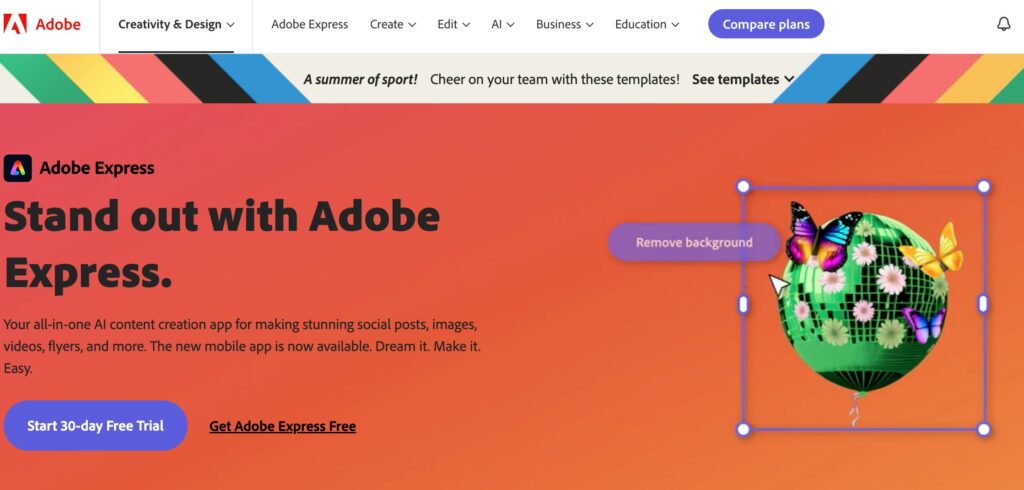
    1. Design Templates: Adobe Express offers a wide variety of pre-designed templates that can be customized to fit the specific needs of an exhibit. This includes templates for posters, social media posts, web pages, and more.
    2. Multimedia Integration: The platform supports the incorporation of various media types, including images, videos, and audio, allowing for rich, engaging content. This multimedia approach can help bring exhibits to life and provide a deeper understanding of the subject matter.
    3. Ease of Use: With its drag-and-drop interface, Adobe Express is accessible to users with varying levels of design experience. This user-friendly approach allows GLAM institutions to create professional-quality exhibits quickly and efficiently.
    4. Brand Consistency: Adobe Express enables institutions to maintain consistent branding across all digital content. This is crucial for building a recognizable and professional online presence.
    5. Collaboration: The platform supports collaborative work, allowing multiple team members to contribute to the design and creation process, which can be particularly useful for larger projects.

    Limitations

    • Limited Advanced Features: While Adobe Express is excellent for basic to intermediate design tasks, it may lack some advanced features available in other Adobe products like Photoshop or Illustrator.
    • Subscription Model: Access to the full range of Adobe Express features requires a subscription, which might be a consideration for smaller institutions with limited budgets.

    Curatescape

    Features and Strengths

    • Location-Based Storytelling: Curatescape leverages geolocation technology to create place-based narratives. This allows users to explore stories tied to specific locations, enhancing the context and engagement of exhibits.
    • Multimedia Integration: The platform supports various media types, including images, audio, video, and text. This multimedia approach helps create rich, engaging narratives that appeal to diverse audiences.
    • User-Friendly Interface: Curatescape is designed to be easy to use, both for institutions creating content and for end-users interacting with the exhibits. The platform’s intuitive design ensures a smooth user experience.
    • Responsive Design: The platform is optimized for both web and mobile devices, ensuring that exhibits are accessible to users regardless of their device. This is particularly important for location-based storytelling, where users might be exploring sites in real-time on their smartphones.
    • Customizable and Scalable: Curatescape offers customization options that allow institutions to tailor the platform to their specific needs. Additionally, it can handle projects of varying sizes, making it scalable for both small and large institutions.
    • Community and Support: Curatescape has a supportive community and offers resources such as tutorials and documentation. This helps institutions get the most out of the platform and troubleshoot any issues.

    Limitations

    • Dependence on Mobile Technology: The platform’s reliance on mobile devices for location-based features might limit accessibility for audiences without smartphones or reliable internet access.
    • Technical Setup and Maintenance: While user-friendly, setting up Curatescape and integrating it with existing systems can require technical expertise. Ongoing maintenance and updates might also necessitate technical support.
    • Cost Considerations: While Curatescape offers valuable features, there are costs associated with its use, which might be a consideration for smaller institutions with limited budgets.

    Google Arts & Culture

    Features and Strengths

    • High-Resolution Imaging: Google Arts & Culture allows institutions to upload high-resolution images of their artifacts, enabling users to explore details that might be missed in person. The zoom feature provides an in-depth look at artworks and artifacts.
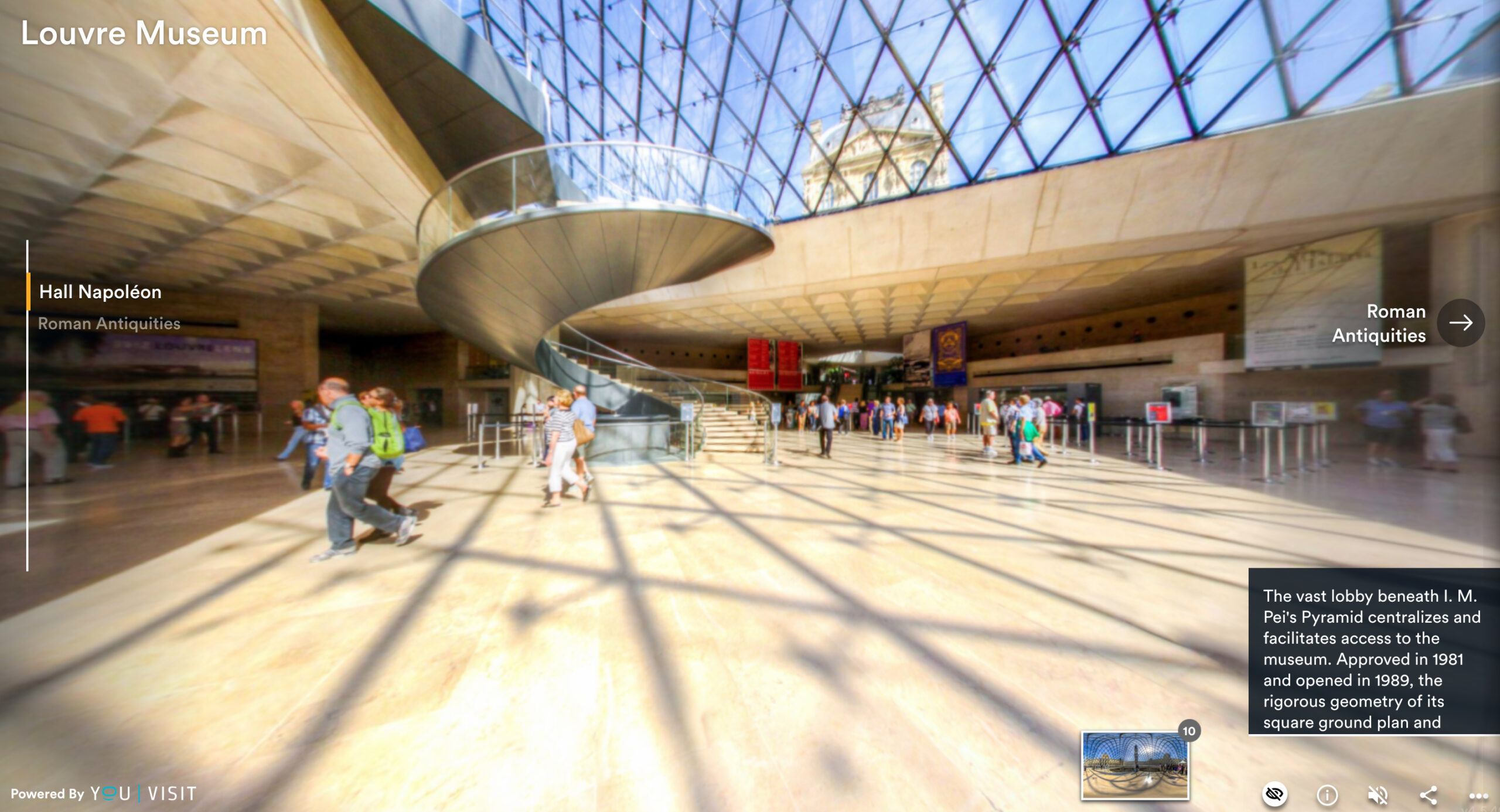
    • Virtual Tours: The platform supports 360-degree virtual tours, allowing users to virtually walk through museums and galleries from anywhere in the world. This feature is particularly beneficial for institutions looking to reach a global audience.
    • Storytelling Tools: Google Arts & Culture offers tools to create narrative-driven exhibits. Institutions can combine images, videos, audio, and text to build comprehensive stories around their collections, enhancing user engagement.
    • Extensive Reach: As part of Google, the platform has a vast audience. Exhibits created on Google Arts & Culture can reach millions of users worldwide, increasing visibility and engagement for institutions.
    • User-Friendly Interface: The platform is designed to be intuitive and easy to use, both for creators and end-users. This ease of use helps institutions create and share content quickly and effectively.
    • Educational Resources: Google Arts & Culture provides resources for educators, allowing institutions to create educational content and lesson plans. This feature helps museums and libraries engage with schools and students.
    • Cross-Platform Accessibility: The platform is accessible via web browsers and a mobile app, ensuring users can explore exhibits on various devices. This accessibility broadens the audience and allows for greater interaction.

    Limitations

    • Customization Options: While user-friendly, Google Arts & Culture may have limited customization options compared to other platforms. Institutions looking for highly tailored exhibits might find the platform somewhat restrictive.
    • Content Ownership: Institutions should be aware of content ownership and usage rights when uploading to a third-party platform like Google. It’s important to review and understand the terms and conditions.
    • Technical Requirements: High-resolution imaging and virtual tours require good technical infrastructure. Institutions without high-quality imaging equipment or technical support might face challenges.

    Matterport

    Features and Strengths

    • 3D Capture Technology: Matterport uses advanced 3D scanning technology to create highly detailed and accurate virtual replicas of physical spaces. This allows users to explore exhibits as if they were physically present.
    • Virtual Tours: The platform supports the creation of interactive virtual tours, enabling users to navigate through spaces at their own pace. This feature is particularly valuable for museums and galleries looking to provide remote access to their exhibits.
    • Dollhouse View: Matterport’s unique “dollhouse” view provides a 3D floor plan of the entire space, offering an overview that helps users understand the layout and context of the exhibit.
    • Interactive Features: Institutions can enhance their virtual tours with interactive elements such as information tags, multimedia content, and links. These features allow for deeper engagement and provide additional context to the exhibits.
    • Cross-Platform Accessibility: Matterport tours can be accessed on various devices, including desktops, tablets, and smartphones. This ensures that users can explore the exhibits from anywhere, at any time.
    • Easy Integration: The platform allows for easy integration with websites and social media, helping institutions share their virtual tours with a wider audience. Embedding Matterport tours on an institution’s website is straightforward and enhances online engagement.
    • Analytics: Matterport provides analytics tools that allow institutions to track user engagement and understand how visitors interact with their virtual tours. This data can be used to improve the exhibits and enhance user experience.

    Limitations

    • Cost: The advanced 3D capture technology and hosting services come with associated costs, which might be a barrier for smaller institutions with limited budgets.
    • Technical Expertise: Creating high-quality 3D scans and setting up interactive tours requires some technical expertise. Institutions may need to invest in training or hire external professionals.
    • Hardware Requirements: Capturing 3D images requires specific hardware, such as a Matterport Pro2 camera or compatible 360 cameras. This additional equipment represents an initial investment.

    Museum in a Box

    Features and Strengths

    • Physical and Digital Integration: Museum in a Box combines physical replicas of artifacts with digital content. Each artifact can trigger multimedia content when interacted with through a smart device, offering a blended learning experience.
    • Educational Focus: The platform is designed to enhance learning and engagement, making it ideal for schools and educational programs. It helps students connect with cultural heritage through hands-on interaction and immersive storytelling.
    • Customizable Content: Institutions can customize the content associated with each artifact, including audio narratives, videos, and images. This flexibility allows for tailored educational experiences that meet specific learning objectives.
    • Tactile Learning: The physical aspect of Museum in a Box supports tactile learning, which can be particularly beneficial for younger audiences and those with special educational needs. The tangible nature of the artifacts helps reinforce learning through touch and interaction.
    • Scalable and Portable: The boxes are designed to be portable, making it easy to share and distribute them to various locations, including classrooms, libraries, and community centers. This scalability allows institutions to reach a wider audience.
    • Interactive and Engaging: By combining physical touchpoints with digital media, Museum in a Box offers an engaging and interactive experience. This interaction helps to keep users interested and actively participating in the learning process.

    Limitations

    • Production and Shipping Costs: Creating and distributing the physical components of Museum in a Box can incur additional costs. Institutions need to consider the expense of producing replicas and shipping them to various locations.
    • Technical Setup: While the platform is user-friendly, setting up the digital components and ensuring smooth integration with the physical artifacts requires some technical knowledge.
    • Limited to Physical Distribution: Unlike fully digital platforms, Museum in a Box relies on the physical distribution of artifacts. This can limit immediate accessibility and requires logistical planning.

    Omeka
    Features and Strengths

    • Open-Source Flexibility: Being open-source, Omeka offers extensive customization options. Institutions can tailor the platform to meet their specific needs by modifying the code or adding plugins.
    • Exhibit Building: Omeka allows for the creation of complex, multi-page exhibits with rich multimedia content. Institutions can easily combine images, videos, audio, and text to create engaging and informative presentations.
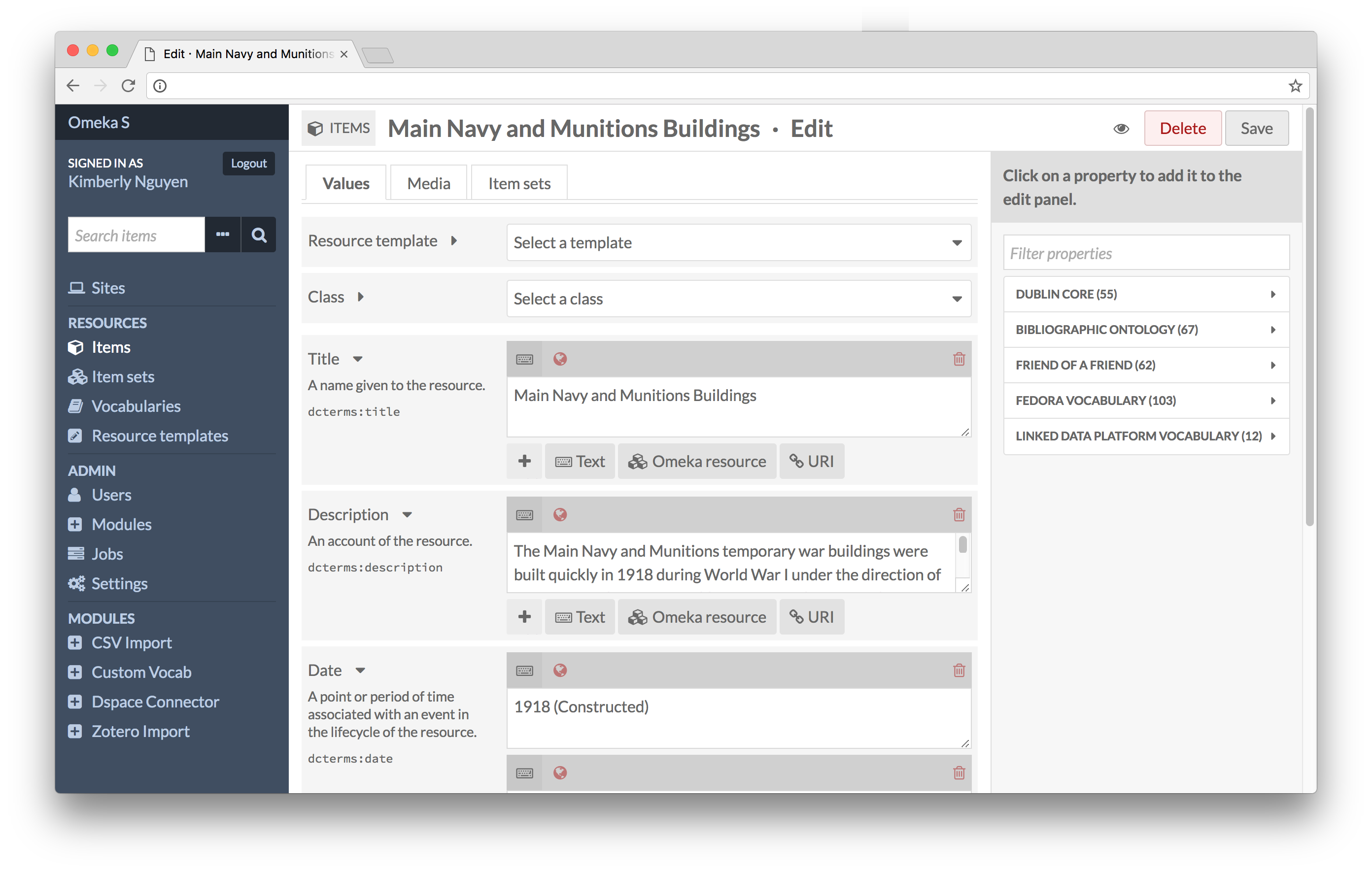
    • Metadata Management: The platform supports robust metadata standards, making it easier to catalog and manage digital collections. This ensures that all items in the collection are searchable and well-organized.
    • Community and Support: Omeka has a strong user community and a wealth of resources available, including forums, documentation, and tutorials. This support network is invaluable for troubleshooting and learning best practices.
    • Plugins and Themes: Omeka’s extensive library of plugins and themes allows institutions to extend the platform’s functionality. These add-ons can enhance everything from user experience to backend management.
    • Cost-Effective: As an open-source platform, Omeka is free to use. While there may be costs associated with hosting and customization, it remains a cost-effective solution compared to many proprietary platforms.

    Limitations

    • Technical Expertise Required: Setting up and maintaining Omeka can require a fair amount of technical knowledge, particularly when it comes to customization and plugin integration. Smaller institutions without dedicated IT staff might find this challenging.
    • Hosting Requirements: Institutions need to manage their own hosting, which involves additional costs and technical responsibilities. This might be a barrier for some organizations.
    • Performance: Depending on the hosting environment and the size of the collection, performance issues can arise. Large databases and extensive multimedia content can slow down the platform if not managed properly.

    Smartify

    Features and Strengths

    • Cross-Platform Accessibility: Smartify tours can be accessed on various devices, including desktops, tablets, and smartphones. This ensures that users can explore the exhibits from anywhere, at any time.
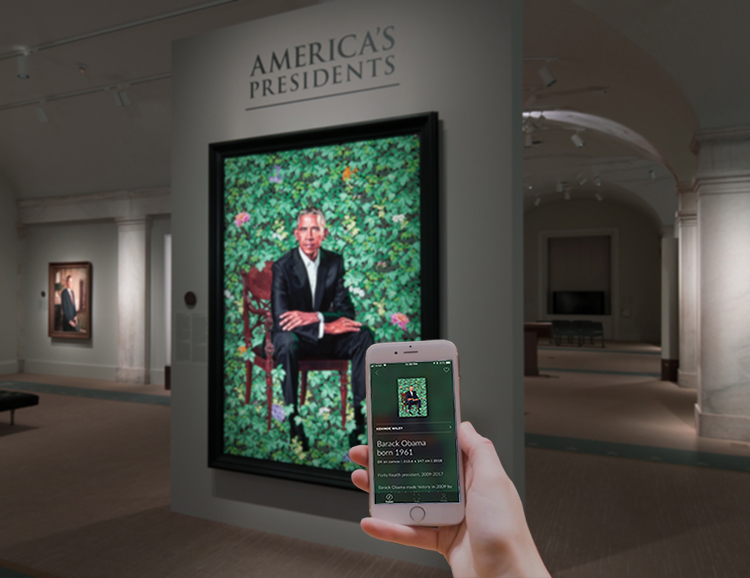
    • Image Recognition: Smartify’s technology lets users scan artworks with their smartphones to get detailed information, audio guides, and multimedia content about the items. This feature enhances the visitor experience with immediate insights.
    • Interactive Content: The platform supports the integration of various types of content, including text, audio, video, and interactive elements, providing a richer and more engaging narrative around exhibits.
    • Personalized Experience: Smartify allows users to create personal collections of their favorite scanned items. This feature encourages deeper engagement and enables users to revisit their collections anytime.
    • Accessibility: The app makes exhibits more accessible to a global audience by providing content in multiple languages and offering features that cater to diverse user needs, such as audio descriptions for visually impaired users.
    • Analytics: Smartify offers institutions detailed analytics on user engagement, helping them understand visitor behavior and preferences. This data can inform future exhibit designs and marketing strategies.
    • Integration with Existing Systems: Smartify can be integrated with an institution’s existing collection management systems, making it easier to manage and update digital content.

    Limitations

    • Initial Setup and Cost: Implementing Smartify requires an initial setup that might include digitizing collections and integrating the platform with existing systems, which can be resource-intensive. The cost of the service may also be a consideration for smaller institutions.

    These platforms provide essential tools for GLAM institutions to create engaging and accessible digital exhibits. The choice of platform will depend on the specific needs, resources, and goals of the institution, but each of these options offers unique strengths that can help bring collections and stories to a global audience.
  • How Galleries, Libraries, Archives, and Museums are Revolutionizing with AI Technology

    How Galleries, Libraries, Archives, and Museums are Revolutionizing with AI Technology

    Galleries, Libraries, Archives, and Museums Revolutionize with AI Technology

    In the digital age, cultural institutions such as museums, archives, galleries, and libraries are embracing artificial intelligence (AI) technology to enhance operations, improve visitor experiences, and preserve valuable collections. This article will explore the importance of AI in these institutions and how they are leveraging this innovative technology.

    Importance of AI in Museums, Archives, Galleries, and Libraries

    AI is crucial in helping cultural institutions adapt to the ever-evolving digital landscape. It enables them to digitize their collections, provides personalized recommendations for visitors, streamlines conservation efforts, enhances search capabilities in archives, preserves delicate materials, conducts data analysis for researchers, offers virtual reality (VR) tours, allows for artwork authentication in galleries, and improves cataloging and organization in libraries.

    How AI is Being Used

    • Digitization of Collections: AI technology allows museums to digitize their collections, making them more accessible to a global audience. By creating digital archives, institutions can preserve and showcase their artifacts, artworks, and historical documents in a virtual space.
    • Recommendations for Visitors: AI algorithms analyze visitor preferences and behaviors to provide personalized recommendations, creating more engaging and customized museum experiences. This can include suggesting specific exhibits, events, or collections based on individual interests.
    • Conservation Efforts: AI assists in conservation efforts by analyzing environmental conditions, detecting potential risks to artifacts, and monitoring conservation processes. This proactive approach helps institutions better preserve and protect their valuable collections.

    AI Applications in Galleries

    van gogh fakeGalleries are leveraging artificial intelligence (AI) technology to transform how they engage with visitors, authenticate artwork, and create immersive experiences that captivate audiences. From virtual reality tours to artwork authentication, AI applications in galleries are revolutionizing how art is experienced and appreciated. Explore the innovative uses of AI in galleries and its profound impact on the art world.

    • Virtual Reality Tours: AI-powered virtual reality (VR) tours allow gallery visitors to explore exhibitions and artworks in a fully immersive and interactive digital environment. By combining AI algorithms with VR technology, galleries can transport visitors to different eras, locations, and artistic styles, providing a unique and engaging way to experience art beyond physical boundaries.
    • Artwork Authentication: AI technology is revolutionizing the process of authenticating artwork by analyzing details such as brushstrokes, materials, and composition to determine the authenticity of pieces in gallery collections. By utilizing AI algorithms for image recognition and analysis, galleries can verify the provenance and authenticity of artworks, safeguarding the integrity of their collections.
    • Enhanced Audience Engagement: AI applications in galleries enhance audience engagement through interactive exhibits, augmented reality experiences, and personalized content recommendations. By tailoring experiences to individual preferences and behaviors, galleries can create immersive and interactive environments that resonate with diverse audiences and foster a deeper appreciation for art and culture.
    • Predictive Analytics and Exhibition Planning: AI algorithms analyze visitor data, trends, and preferences to predict audience behavior and optimize exhibition planning. By leveraging data analytics and machine learning algorithms, galleries can curate exhibitions that resonate with their audience, increase visitor engagement, and drive attendance through personalized and targeted programming.
    • Art Market Insights: AI technology provides galleries with valuable insights into the art market, trends, and pricing dynamics. By analyzing market data, auction results, and art sales trends, galleries can make informed decisions on acquisitions, valuation, and marketing strategies, enabling them to navigate the competitive art market landscape confidently.

    AI applications in galleries are revolutionizing how art is experienced, authenticated, and appreciated, providing new opportunities for audience engagement, exhibition planning, and market insights. As galleries continue to embrace AI technology, they are shaping a more dynamic and immersive art world that leverages innovation to engage audiences, preserve cultural heritage, and foster creativity and appreciation for art and culture.

    AI Technology in Libraries

    ai robot in library

    Libraries are embracing artificial intelligence (AI) technology to revolutionize organizing, accessing, and sharing information with patrons. From improving cataloging systems to enhancing research capabilities, AI applications in libraries are reshaping the way knowledge is curated and accessed in the digital age. Explore the transformative role of AI in libraries and its impact on the future of information management and access.

    • Improved Cataloging and Organization: AI technology automates and streamlines the cataloging and organization of library resources, making it easier for patrons to search and access materials. By utilizing AI algorithms for metadata analysis, content categorization, and recommendation systems, libraries can enhance the discoverability and accessibility of their collections, enabling users to find relevant information efficiently.
    • Text Analysis for Researchers: AI tools facilitate text analysis and data mining for researchers, enabling them to extract insights, identify patterns, and conduct in-depth analysis of textual materials such as books, journals, and manuscripts. By leveraging natural language processing and machine learning algorithms, libraries can offer researchers advanced search capabilities and access to knowledge repositories.
    • Virtual Reference Services: AI-powered virtual reference services provide immediate assistance to library users, answering questions, providing recommendations, and guiding patrons on research inquiries. By integrating chatbots, virtual assistants, and AI-driven search engines, libraries can offer personalized support, enhance user engagement, and provide efficient and convenient access to information resources.
    • Enhanced Data Analytics: AI technology enables libraries to leverage data analytics for insights into user behavior, collection usage, and resource optimization. By analyzing usage patterns, circulation data, and patron interactions, libraries can make informed decisions on collection development, resource allocation, and service improvements, ensuring that resources meet their users’ evolving needs.
    • Predictive Modeling and Recommendation Systems: AI algorithms predict user preferences and behaviors to generate personalized library resources, services, and program recommendations. Using machine learning and collaborative filtering techniques, libraries can offer tailored recommendations, anticipate user needs, and enhance user satisfaction and engagement.

    AI technology is reshaping libraries’ landscapes, enabling them to enhance information organization, streamline research capabilities, and provide personalized user experiences. As libraries embrace AI innovation, they optimize resource management, improve user services, and foster knowledge discovery and access in the digital era. By leveraging the power of AI, libraries are transforming into dynamic hubs of information and knowledge that empower users to explore, learn, and engage with the vast world of information.

    The Role of AI in Archives

    Archives play a vital role in preserving and sharing historical documents, records, and artifacts with significant cultural and historical value. With the advancement of artificial intelligence (AI) technology, archives are leveraging AI tools to digitize, organize, and protect these invaluable materials.

    • Digitization and Preservation: AI technology is revolutionizing the process of digitizing and preserving archival materials by automating digitization workflows, enhancing image quality, and improving metadata tagging. Through AI-powered tools such as optical character recognition (OCR) and machine learning algorithms, archives can efficiently digitize and archive documents, photos, and manuscripts, ensuring their long-term preservation and accessibility for future generations.
    • Enhanced Search and Discovery: AI algorithms enhance search capabilities in archives by intelligently categorizing, indexing, and analyzing vast collections of documents and records. By implementing AI-powered search engines and recommendation systems, archives can provide users faster and more accurate access to historical information, enabling researchers, scholars, and the public to discover hidden insights and connections within archival materials.
    • Risk Assessment and Preservation Planning: AI tools are utilized in archives to assess environmental risks, monitor conservation conditions, and plan preservation strategies for delicate and vulnerable materials. By analyzing ecological data, detecting potential risks, and predicting deterioration patterns, AI technology helps archives safeguard their collections and implement proactive conservation measures to prolong the lifespan of historical artifacts and documents.
    • Data Analysis and Research Insights: AI technology empowers archives to analyze and extract insights from vast amounts of historical data, enabling researchers to uncover trends, patterns, and correlations within archival collections. Archives can use AI-powered data analysis tools to facilitate in-depth research, historical analysis, and knowledge discovery, providing valuable insights into the past and enriching scholarly investigations in various fields.
    • Ethical Considerations and Data Privacy: As archives incorporate AI technology into their operations, ethical considerations regarding data privacy, security, and bias must be carefully addressed. Archives must adhere to strict data protection protocols, transparency guidelines, and ethical practices to ensure the responsible and equitable use of AI tools in archives, safeguarding the integrity and privacy of historical materials and user data.

    AI technology is pivotal in transforming archives by digitizing, organizing, and preserving historical materials, enhancing search capabilities, facilitating research insights, and ensuring the long-term sustainability of archival collections. As archives continue to harness the power of AI, they advance the preservation and accessibility of historical knowledge, empowering researchers, scholars, and the public to delve deeper into the annals of history. By embracing AI innovation, archives preserve our shared heritage and open new avenues for exploration, discovery, and appreciation of our cultural legacy.

    The Role of AI in Museums

    In the digital age, museums leverage artificial intelligence (AI) technology to revolutionize how they preserve, engage with, and share their collections with a global audience. From digitizing artifacts to enhancing visitor experiences, AI reshapes how museums operate and connect with patrons. AI technology empowers museums to digitize their collections, analyze visitor behavior, optimize exhibition layouts, personalize experiences, and streamline operations. By harnessing the capabilities of AI algorithms, museums can offer immersive virtual tours, provide interactive exhibits, deliver personalized recommendations, and enhance accessibility for all visitors 

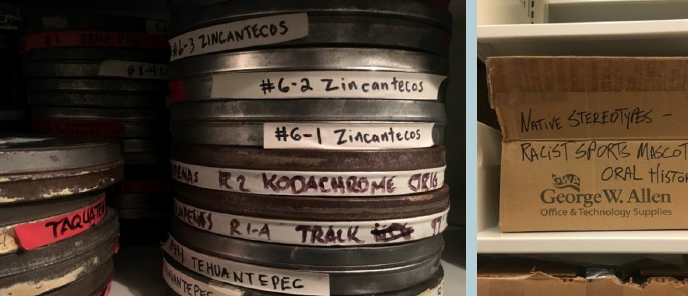
    • Digitization and Preservation: AI enables museums to digitize artifacts, artworks, and historical documents, preserving them in a digital archive for future generations to access and admire. Through advanced image recognition and data analysis, AI helps museums catalog and organize their collections efficiently, ensuring the preservation of cultural heritage for years to come.
    • Enhanced Visitor Experiences: AI algorithms analyze visitor preferences, interactions, and feedback to create personalized experiences that cater to individual interests. From recommending relevant exhibits to providing interactive content, museums can engage with visitors on a deeper level and create memorable and immersive experiences that resonate with diverse audiences.
    • Optimizing Operations: AI technology streamlines museum operations by automating inventory management, scheduling, and visitor analytics tasks. By analyzing data and generating insights, museums can make informed decisions, optimize resource allocation, and improve overall efficiency, leading to a more seamless and organized visitor experience.
    • Driving Innovation and Engagement: AI fosters innovation in museums by enabling the development of interactive exhibits, augmented reality experiences, and immersive storytelling methods. By integrating AI-powered technologies, museums can engage visitors in new and exciting ways, spark creativity, and foster a deeper connection with cultural heritage and artistic expression.

    As AI technology continues to evolve, the possibilities for its application in museums are limitless. From AI-generated art to predictive analytics for exhibition planning, museums are at the forefront of utilizing AI to push the boundaries of creativity, accessibility, and engagement. By embracing AI innovation, museums are shaping a dynamic and inclusive cultural landscape that captivates audiences and fosters a deeper appreciation for art, history, and culture.

    Benefits of Using AI in Cultural Institutions

    • Increased Accessibility for Visitors and Researchers: AI technology improves accessibility to cultural institution resources by providing enhanced search capabilities, personalized recommendations, and virtual experiences. Visitors and researchers can easily navigate vast collections, access relevant information, and engage with cultural materials from anywhere in the world.
    • Enhanced Preservation and Conservation Efforts: AI tools aid in preserving and conserving artifacts, artworks, historical documents, and delicate materials within museums, archives, galleries, and libraries. By monitoring environmental conditions, detecting risks, and automating conservation processes, institutions can prolong the lifespan of their collections and ensure their long-term sustainability.
    • Improved Visitor Experiences: AI technology enhances visitor experiences by offering personalized recommendations, interactive exhibits, virtual tours, and engaging content. Cultural institutions can tailor experiences to individual preferences, create immersive environments, and provide educational opportunities that captivate and inspire visitors of all ages.

    Challenges and Limitations of AI in Cultural Institutions

    • Privacy Concerns: Adopting AI technology in cultural institutions raises privacy concerns regarding the collection, storage, and use of visitor and user data. Institutions must implement strict privacy policies, data protection measures, and transparency practices to ensure the ethical and responsible use of AI technologies.
    • Data Bias: AI algorithms may unintentionally perpetuate bias and discrimination, especially in image recognition, language processing, and recommendation systems. Cultural institutions must continuously monitor and mitigate bias in their AI systems to uphold fairness, diversity, and inclusivity in their operations.
    • Maintenance Costs: Implementing and maintaining AI technology within cultural institutions can incur significant costs related to software development, hardware infrastructure, training, and ongoing support. Institutions must carefully assess their budgetary constraints and resource allocations to ensure the sustainable integration of AI technologies.

    Conclusion

    AI technology transforms cultural institutions’ operations, collections, and visitor experiences. By harnessing AI’s power for digitization, conservation, data analysis, and audience engagement, museums, archives, galleries, and libraries can adapt to the digital age and meet the evolving needs of their audiences.

    As AI technology advances, the potential for its application in cultural institutions is vast and promising. From enhancing virtual experiences to improving data analytics, AI can revolutionize how museums, archives, galleries, and libraries interact with their collections and engage with their audiences. By embracing AI innovation, cultural institutions can unlock new opportunities for creativity, research, and accessibility, shaping a more dynamic and immersive cultural landscape for future generations.

    Links of Interest