The COVID-19 pandemic was a seismic event that forced museums and libraries to shut their doors, shifting their focus to digital platforms almost overnight. As physical spaces became inaccessible, these cultural institutions had to adapt quickly, discovering new ways to reach and engage their audiences digitally. From virtual tours and online exhibitions to live-streamed events and digital archives, the shift to digital opened up new possibilities for global outreach. But, as the world emerged from the pandemic and restrictions eased, many institutions are retreating from these digital innovations, refocusing only on live programs. This article explores how museums and libraries have missed a crucial opportunity by not sustaining their digital momentum in the post-COVID world, while also highlighting examples of those who got it right.
The Digital Shift During COVID-19
During the pandemic, museums and libraries found themselves at a crossroads. With physical doors closed, they turned to digital platforms to continue serving their communities. This shift led to a surge in online content, including virtual tours, webinars, online workshops, and more. Institutions before viewing digital as a supplementary tool began to see it as an essential means of connection. For many, this period of digital innovation allowed them to reach broader, more diverse audiences, including those who never have set foot in their physical locations.
One of the most famous examples of this digital shift was the National Cowboy & Western Heritage Museum in Oklahoma. During the pandemic, the museum’s security guard, Tim Send, took over its social media accounts and quickly became an internet sensation.
Meet The Security Chief Making Social Media Feeds Extra Delightful
Through the coronavirus pandemic, security guard Tim Tiller is often at the National Cowboy
Learn more
His endearing, humorous posts not only entertained audiences but also dramatically increased the museum’s online following.
This example underscores the power of digital engagement, where creativity and authenticity can significantly boost an institution’s profile.
Another example is the Getty Museum in Los Angeles, which launched the #GettyMuseumChallenge. The museum encouraged people to recreate famous artworks using household items, a challenge that went viral and generated enormous engagement.
The challenge highlighted how digital content fosters creativity and community during difficult times.
The Getty Museum Challenge Is Now a Book
Own a timeless selection from the social media phenomenon, with all profits going to charity
Learn more
The happiest of endings is the publication of a book including the best of submissions. Talk about engagement, the Getty’s program is something to be copied for continued engagement.
Post-COVID: A Retreat from Digital?
As the pandemic subsided and institutions reopened, there was a noticeable retreat from the digital-first strategies that had been so successful during COVID-19. Museums and libraries, eager to reestablish their on-site presence, shifted their focus back to in-person programming. While this return to physical spaces was essential for community engagement and economic recovery, it often came at the expense of the digital innovations developed during the pandemic. Many institutions scaled back their online offerings, viewing them as temporary solutions rather than permanent strategies.
Unfortunately, not all institutions can survive the financial strain of prolonged closures, leading to permanent closures for some. For example, the San Francisco Art Institute, a historic institution known for its art programs and galleries, closed its doors in 2022 after 151 years of operation. The pandemic exacerbated its financial difficulties, and despite efforts to sustain the institution, it closed.
Fortunately for the community, the school was purchased with an endowment of roughly $30 million. Importantly, the new arts nonprofit’s advisory committee is made up of senior heavy hitters in the SF art arena
Living Computers Museum to Close Permanently
The museum will begin auctioning some of its massive collection of vintage gear this year.
Learn more
The Portland Children’s Museum, located in Portland, Oregon, was a beloved institution dedicated to the education and enrichment of children through interactive and imaginative play. Unfortunately, the Portland Children’s Museum permanently closed its doors in June 2021 due to financial difficulties exacerbated by the COVID-19 pandemic. The decision to close was a significant loss for the community, as the museum had been a cherished resource for families for many years.
Efforts are in motion to rebuild a new children’s museum for the city.
Missing the Portland Children’s Museum? Replacements are in the works
Groups are working to create options for kids in the suburbs — but a new, permanent museum is years away.
Learn more
These closures highlight the precarious position that many cultural institutions found themselves in during the pandemic. While some can adapt and innovate, others struggle to survive, demonstrating the critical need for a balanced approach that includes both digital and physical engagement.
The Missed Opportunity
The retreat from digital is a missed opportunity for museums and libraries. The pandemic demonstrated that digital platforms significantly expand the reach and impact of these institutions, connecting them with global audiences and offering new ways to experience culture and knowledge. By scaling back digital efforts, many institutions have inadvertently alienated the new audiences they had attracted during the pandemic. Additionally, the hybrid model—where digital and in-person experiences coexist—offers a sustainable path, allowing institutions to continue reaching those who can’t visit in person while enhancing the on-site experience with digital elements.
Who Got It Right?
While many institutions retreated from digital, some recognized the potential of maintaining and even expanding their online presence. The New York Public Library (NYPL) is a prime example of an institution that continued to rank digital engagement post-COVID. During the pandemic, the NYPL ramped up its digital content, offering virtual storytimes, online book clubs, and expanded access to its digital collections. Rather than scaling back as physical branches reopened, the NYPL has continued to invest in its digital platforms, recognizing that they offer a unique way to reach audiences beyond the city.
Calendar: Online Events & Classes at NYPL
The New York Public Library is here to help people of all ages learn and engage with their communities through our online classes, programs, book clubs, and more. Discover our wide array of free online offerings.
Learn more
Another excellent example is the Smithsonian Institution, which embraced a hybrid model by enhancing both its online and on-site offerings. The Smithsonian created the “Smithsonian Open Access” initiative, making millions of images and resources freely available online for public use.
This commitment to digital accessibility has not only expanded the Smithsonian’s reach but also reinforced its role as a leader in educational resources.
Smithsonian Open Access | Smithsonian Institution
Welcome to Smithsonian Open Access, where you can download, share, and reuse millions of the Smithsonian’s images—right now, without asking. With new platforms and tools, you have easier access to more than 4.9 million digital items.
Learn more
The Missed Opportunity
The retreat from digital is a missed opportunity for museums and libraries. The pandemic demonstrated that digital platforms significantly expand the reach and impact of these institutions. They connect them with global audiences and offer new ways to experience culture and knowledge. By scaling back digital efforts, many institutions have inadvertently alienated the new audiences they had attracted during the pandemic. Additionally, the hybrid model—where digital and in-person experiences coexist—offers a sustainable path. By allowing institutions to continue reaching those who can’t visit in person while enhancing the on-site experience with digital elements.
Social Media: A Missed Marketing Opportunity
One of the most puzzling aspects of the post-COVID digital retreat is the way many museums and libraries bury their social media links at the bottom of their websites. During the pandemic, social media emerged as one of the most powerful tools for engaging with audiences worldwide.
These platforms allowed institutions to share content quickly, foster community interactions, and keep visibility even when physical spaces were closed. Yet, despite this proven effectiveness, many institutions still treat social media as an afterthought.
Museum Social Media Heroes
Since COVID-19, museum social media managers have been heroes for their institutions. During the shutdowns, social media managers sustained museum operations virtually and changed how they prioritize digital content.
Learn more
Post-COVID, social media should be front and center on museum and library websites. They serve as the main attraction for online visitors. These channels are not just marketing tools. They are dynamic platforms for delivering content, engaging with users, and building global communities. By relegating social media links to the bottom of their websites, institutions miss out on the best opportunity to reach new audiences and keep relevance in an increasingly digital world.
Why Digital Should Stay a Priority
Global Reach: Digital platforms break down geographical barriers, allowing institutions to reach a global audience. This expanded reach can drive engagement, increase visibility, and attract new supporters.
Accessibility: Digital content can make museums and libraries more accessible to people with disabilities, those with limited mobility, and others who face barriers to physical attendance.
Innovation: Maintaining a strong digital presence encourages ongoing innovation, allowing institutions to experiment with new formats, technologies, and ways of engagement.
Resilience: A robust digital strategy can help institutions stay resilient in the face of future disruptions, whether due to pandemics, natural disasters, or other unforeseen events.
Conclusion
The COVID-19 pandemic was a turning point for museums and libraries, pushing them to embrace digital platforms in ways they had never done before. But, as these institutions move ahead, they mustn’t lose sight of the lessons learned during the pandemic. By prioritizing digital engagement, museums and libraries can stay relevant, accessible, and resilient in an ever-changing world. The future of these institutions lies not in a return to the past but in a hybrid model that fully integrates the digital with the physical, offering the best of both worlds to their audiences.
The digital transformation of galleries, libraries, archives, and museums (GLAMs) has opened new avenues for engaging audiences worldwide. Digital exhibits offer a dynamic way to present collections and narratives, making cultural heritage more accessible. This article delves into some of the leading technology platforms that assist GLAM institutions in creating compelling digital exhibits, evaluating their strengths, limitations, and notable examples of use.
Adobe Express
Adobe Express is an intuitive, versatile tool that can significantly enhance the creation and presentation of digital exhibits for Galleries, Libraries, Archives, and Museums (GLAMs). With its range of design templates, multimedia integration, and easy-to-use interface, Adobe Express allows institutions to craft visually compelling and interactive digital exhibits without the need for extensive technical expertise.
Learn more
DC History Center
Engraved on the benches in front of the building, the phrase, “A University for the People” reminds visitors that the Carnegie Library has represented public access to knowledge since its inception.
Learn more
Features and Strengths
Design Templates: Adobe Express offers a wide variety of pre-designed templates that can be customized to fit the specific needs of an exhibit. This includes templates for posters, social media posts, web pages, and more.
Multimedia Integration: The platform supports the incorporation of various media types, including images, videos, and audio, allowing for rich, engaging content. This multimedia approach can help bring exhibits to life and provide a deeper understanding of the subject matter.
Ease of Use: With its drag-and-drop interface, Adobe Express is accessible to users with varying levels of design experience. This user-friendly approach allows GLAM institutions to create professional-quality exhibits quickly and efficiently.
Brand Consistency: Adobe Express enables institutions to maintain consistent branding across all digital content. This is crucial for building a recognizable and professional online presence.
Collaboration: The platform supports collaborative work, allowing multiple team members to contribute to the design and creation process, which can be particularly useful for larger projects.
Limitations
Limited Advanced Features: While Adobe Express is excellent for basic to intermediate design tasks, it may lack some advanced features available in other Adobe products like Photoshop or Illustrator.
Subscription Model: Access to the full range of Adobe Express features requires a subscription, which might be a consideration for smaller institutions with limited budgets.
Curatescape
Curatescape is a mobile and web-based platform designed for storytelling and digital exhibits. It allows institutions to create location-based narratives, incorporating multimedia content such as images, audio, and video. Curatescape is particularly suited for outdoor exhibits and heritage trails, offering an engaging way to explore cultural heritage. Examples include the Cleveland Historical project and the Fremont Historical Society using Curatescape for local history tours. The platform’s reliance on mobile technology might limit accessibility for audiences without smartphones or reliable internet access.
Learn more
Explore Baltimore Heritage
Explore Baltimore Heritage helps historians, students and residents tell the stories behind Baltimore’s buildings and neighborhoods.
Learn more
Features and Strengths
Location-Based Storytelling: Curatescape leverages geolocation technology to create place-based narratives. This allows users to explore stories tied to specific locations, enhancing the context and engagement of exhibits.
Multimedia Integration: The platform supports various media types, including images, audio, video, and text. This multimedia approach helps create rich, engaging narratives that appeal to diverse audiences.
User-Friendly Interface: Curatescape is designed to be easy to use, both for institutions creating content and for end-users interacting with the exhibits. The platform’s intuitive design ensures a smooth user experience.
Responsive Design: The platform is optimized for both web and mobile devices, ensuring that exhibits are accessible to users regardless of their device. This is particularly important for location-based storytelling, where users might be exploring sites in real-time on their smartphones.
Customizable and Scalable: Curatescape offers customization options that allow institutions to tailor the platform to their specific needs. Additionally, it can handle projects of varying sizes, making it scalable for both small and large institutions.
Community and Support: Curatescape has a supportive community and offers resources such as tutorials and documentation. This helps institutions get the most out of the platform and troubleshoot any issues.
Limitations
Dependence on Mobile Technology: The platform’s reliance on mobile devices for location-based features might limit accessibility for audiences without smartphones or reliable internet access.
Technical Setup and Maintenance: While user-friendly, setting up Curatescape and integrating it with existing systems can require technical expertise. Ongoing maintenance and updates might also necessitate technical support.
Cost Considerations: While Curatescape offers valuable features, there are costs associated with its use, which might be a consideration for smaller institutions with limited budgets.
Google Arts & Culture
Google Arts & Culture is a powerful platform that allows GLAM institutions to create interactive digital exhibits. It offers high-resolution images, virtual tours, and tools to build engaging stories around collections. The platform’s extensive reach and user-friendly interface are significant advantages, making it easy for institutions to showcase their collections to a global audience. Notable examples include the Van Gogh Museum’s virtual tour and the Rijksmuseum’s Night Watch. However, some institutions may find the customization options limited compared to other platforms.
Learn more
The Night Watch
Google Arts & Culture features content from over 2000 leading museums and archives who have partnered with the Google Cultural Institute to bring the world’s treasures online.
Learn more
Features and Strengths
High-Resolution Imaging: Google Arts & Culture allows institutions to upload high-resolution images of their artifacts, enabling users to explore details that might be missed in person. The zoom feature provides an in-depth look at artworks and artifacts.
Virtual Tours: The platform supports 360-degree virtual tours, allowing users to virtually walk through museums and galleries from anywhere in the world. This feature is particularly beneficial for institutions looking to reach a global audience.
Storytelling Tools: Google Arts & Culture offers tools to create narrative-driven exhibits. Institutions can combine images, videos, audio, and text to build comprehensive stories around their collections, enhancing user engagement.
Extensive Reach: As part of Google, the platform has a vast audience. Exhibits created on Google Arts & Culture can reach millions of users worldwide, increasing visibility and engagement for institutions.
User-Friendly Interface: The platform is designed to be intuitive and easy to use, both for creators and end-users. This ease of use helps institutions create and share content quickly and effectively.
Educational Resources: Google Arts & Culture provides resources for educators, allowing institutions to create educational content and lesson plans. This feature helps museums and libraries engage with schools and students.
Cross-Platform Accessibility: The platform is accessible via web browsers and a mobile app, ensuring users can explore exhibits on various devices. This accessibility broadens the audience and allows for greater interaction.
Limitations
Customization Options: While user-friendly, Google Arts & Culture may have limited customization options compared to other platforms. Institutions looking for highly tailored exhibits might find the platform somewhat restrictive.
Content Ownership: Institutions should be aware of content ownership and usage rights when uploading to a third-party platform like Google. It’s important to review and understand the terms and conditions.
Technical Requirements: High-resolution imaging and virtual tours require good technical infrastructure. Institutions without high-quality imaging equipment or technical support might face challenges.
Matterport
In the realm of digital exhibits, Matterport stands out as a cutting-edge platform, transforming how Galleries, Libraries, Archives, and Museums (GLAMs) present their collections. Matterport’s 3D capture technology enables the creation of immersive, interactive virtual tours, allowing institutions to showcase their spaces and artifacts in unprecedented detail.
Learn more
Heinz History Center
This exhibit showcases artwork of more than 100 Americans with Western PA connections on loan from the National Portrait Gallery in DC.
Learn more
Features and Strengths
3D Capture Technology: Matterport uses advanced 3D scanning technology to create highly detailed and accurate virtual replicas of physical spaces. This allows users to explore exhibits as if they were physically present.
Virtual Tours: The platform supports the creation of interactive virtual tours, enabling users to navigate through spaces at their own pace. This feature is particularly valuable for museums and galleries looking to provide remote access to their exhibits.
Dollhouse View: Matterport’s unique “dollhouse” view provides a 3D floor plan of the entire space, offering an overview that helps users understand the layout and context of the exhibit.
Interactive Features: Institutions can enhance their virtual tours with interactive elements such as information tags, multimedia content, and links. These features allow for deeper engagement and provide additional context to the exhibits.
Cross-Platform Accessibility: Matterport tours can be accessed on various devices, including desktops, tablets, and smartphones. This ensures that users can explore the exhibits from anywhere, at any time.
Easy Integration: The platform allows for easy integration with websites and social media, helping institutions share their virtual tours with a wider audience. Embedding Matterport tours on an institution’s website is straightforward and enhances online engagement.
Analytics: Matterport provides analytics tools that allow institutions to track user engagement and understand how visitors interact with their virtual tours. This data can be used to improve the exhibits and enhance user experience.
Limitations
Cost: The advanced 3D capture technology and hosting services come with associated costs, which might be a barrier for smaller institutions with limited budgets.
Technical Expertise: Creating high-quality 3D scans and setting up interactive tours requires some technical expertise. Institutions may need to invest in training or hire external professionals.
Hardware Requirements: Capturing 3D images requires specific hardware, such as a Matterport Pro2 camera or compatible 360 cameras. This additional equipment represents an initial investment.
Museum in a Box
Museum in a Box offers an innovative approach to digital exhibits by combining physical objects with digital content. Institutions can create “boxes” that contain replicas of artifacts accompanied by audio or visual content, which users can interact with through a smartphone or tablet. This platform is particularly effective for educational purposes, providing a tactile and immersive learning experience. Notable examples include the British Museum’s “Museum in a Box” project and Museum in a Box’s use by schools to enhance classroom learning. However, the physical component means that it might not be entirely digital and can incur additional costs for production and shipping.
Learn more
Royal Mint Museum
On 15 February 1971 Britain changed over from the centuries old system of pounds, shillings and pence to a new currency based on 100 pennies to the pound. This change affected the entire nation…
Learn more
Features and Strengths
Physical and Digital Integration: Museum in a Box combines physical replicas of artifacts with digital content. Each artifact can trigger multimedia content when interacted with through a smart device, offering a blended learning experience.
Educational Focus: The platform is designed to enhance learning and engagement, making it ideal for schools and educational programs. It helps students connect with cultural heritage through hands-on interaction and immersive storytelling.
Customizable Content: Institutions can customize the content associated with each artifact, including audio narratives, videos, and images. This flexibility allows for tailored educational experiences that meet specific learning objectives.
Tactile Learning: The physical aspect of Museum in a Box supports tactile learning, which can be particularly beneficial for younger audiences and those with special educational needs. The tangible nature of the artifacts helps reinforce learning through touch and interaction.
Scalable and Portable: The boxes are designed to be portable, making it easy to share and distribute them to various locations, including classrooms, libraries, and community centers. This scalability allows institutions to reach a wider audience.
Interactive and Engaging: By combining physical touchpoints with digital media, Museum in a Box offers an engaging and interactive experience. This interaction helps to keep users interested and actively participating in the learning process.
Limitations
Production and Shipping Costs: Creating and distributing the physical components of Museum in a Box can incur additional costs. Institutions need to consider the expense of producing replicas and shipping them to various locations.
Technical Setup: While the platform is user-friendly, setting up the digital components and ensuring smooth integration with the physical artifacts requires some technical knowledge.
Limited to Physical Distribution: Unlike fully digital platforms, Museum in a Box relies on the physical distribution of artifacts. This can limit immediate accessibility and requires logistical planning.
Omeka
Omeka is a flexible, open-source web-publishing platform ideal for creating and managing digital exhibits. It allows institutions to display collections and curate interactive online exhibits with ease. Omeka supports a wide range of plugins that enhance functionality, enabling institutions to tailor the platform to their specific needs. The main limitation is the technical expertise required to set up and maintain the platform, which might be a barrier for smaller institutions without dedicated IT staff. An example of Omeka’s use is the History of Science Collections at the University of Oklahoma, which showcases rare manuscripts and artifacts.
Learn more
Suffragette Stories
This is the Website for the Heritage Lottery funded Suffragette Stories project which used material from the archives of leading suffragettes, Annie Kenney and Jessie Kenney, to inspire conversations in Norfolk schools and community libraries about forgotten legacies and the history of women’s equality.
Learn more
Features and Strengths
Open-Source Flexibility: Being open-source, Omeka offers extensive customization options. Institutions can tailor the platform to meet their specific needs by modifying the code or adding plugins.
Exhibit Building: Omeka allows for the creation of complex, multi-page exhibits with rich multimedia content. Institutions can easily combine images, videos, audio, and text to create engaging and informative presentations.
Metadata Management: The platform supports robust metadata standards, making it easier to catalog and manage digital collections. This ensures that all items in the collection are searchable and well-organized.
Community and Support: Omeka has a strong user community and a wealth of resources available, including forums, documentation, and tutorials. This support network is invaluable for troubleshooting and learning best practices.
Plugins and Themes: Omeka’s extensive library of plugins and themes allows institutions to extend the platform’s functionality. These add-ons can enhance everything from user experience to backend management.
Cost-Effective: As an open-source platform, Omeka is free to use. While there may be costs associated with hosting and customization, it remains a cost-effective solution compared to many proprietary platforms.
Limitations
Technical Expertise Required: Setting up and maintaining Omeka can require a fair amount of technical knowledge, particularly when it comes to customization and plugin integration. Smaller institutions without dedicated IT staff might find this challenging.
Hosting Requirements: Institutions need to manage their own hosting, which involves additional costs and technical responsibilities. This might be a barrier for some organizations.
Performance: Depending on the hosting environment and the size of the collection, performance issues can arise. Large databases and extensive multimedia content can slow down the platform if not managed properly.
Smartify
Smartify is an innovative platform that allows galleries, libraries, archives, and museums (GLAMs) to create interactive digital exhibits using advanced image recognition technology. By transforming how audiences engage with art and artifacts, Smartify provides an immersive and educational experience, making cultural heritage more accessible and engaging.
Learn more
The Art of Mindfulness
A work of art can help us become aware in the present moment. Take thirty minutes to s…
Learn more
Features and Strengths
Cross-Platform Accessibility: Smartify tours can be accessed on various devices, including desktops, tablets, and smartphones. This ensures that users can explore the exhibits from anywhere, at any time.
Image Recognition: Smartify’s technology lets users scan artworks with their smartphones to get detailed information, audio guides, and multimedia content about the items. This feature enhances the visitor experience with immediate insights.
Interactive Content: The platform supports the integration of various types of content, including text, audio, video, and interactive elements, providing a richer and more engaging narrative around exhibits.
Personalized Experience: Smartify allows users to create personal collections of their favorite scanned items. This feature encourages deeper engagement and enables users to revisit their collections anytime.
Accessibility: The app makes exhibits more accessible to a global audience by providing content in multiple languages and offering features that cater to diverse user needs, such as audio descriptions for visually impaired users.
Analytics: Smartify offers institutions detailed analytics on user engagement, helping them understand visitor behavior and preferences. This data can inform future exhibit designs and marketing strategies.
Integration with Existing Systems: Smartify can be integrated with an institution’s existing collection management systems, making it easier to manage and update digital content.
Limitations
Initial Setup and Cost: Implementing Smartify requires an initial setup that might include digitizing collections and integrating the platform with existing systems, which can be resource-intensive. The cost of the service may also be a consideration for smaller institutions.
These platforms provide essential tools for GLAM institutions to create engaging and accessible digital exhibits. The choice of platform will depend on the specific needs, resources, and goals of the institution, but each of these options offers unique strengths that can help bring collections and stories to a global audience.
In recent years, Diversity, Equity, Inclusion, and Accessibility (DEIA) initiatives have faced increasing scrutiny and criticism, often labeled as “woke” by some conservative factions. Fueled by rhetoric designed to inflame division, this backlash poses significant challenges for those who foster inclusive and equitable cultural spaces. However, it’s essential to continue advocating for DEIA with a balanced, well-informed approach that addresses concerns while underscoring the critical importance of these principles.
Understanding the Backlash
The term “woke,” originally a call for awareness about social injustices, has been co-opted by some to disparage DEIA efforts. Critics argue that such initiatives impose ideological conformity, undermine meritocracy, and create division rather than unity. This perspective often overlooks the systemic inequities that DEIA seeks to address, reducing complex issues to simplistic, polarized narratives.
Specific Conservative Concerns:
Ideological Conformity: The belief that DEIA enforces a specific political or social ideology.
Meritocracy: Concerns that DEIA undermines merit-based systems.
Division: Fears that DEIA creates societal rifts rather than fostering unity.
The Importance of DEIA in the Cultural Sector
The cultural sector—encompassing museums, galleries, libraries, and other institutions—plays a vital role in shaping societal values and narratives. DEIA initiatives are not merely about representation but about ensuring that all voices are heard and respected.
For instance, a study by the American Alliance of Museums found that diverse and inclusive museums are more likely to engage and resonate with a broader audience, enhancing their relevance and impact (American Alliance of Museums, 2021). Moreover, accessibility initiatives ensure that everyone, regardless of ability, can participate fully in cultural experiences, fostering a sense of belonging and inclusion.
Learn more
Real-Life Examples
Smithsonian Institution
Implemented the “Race, Community, and Our Shared Future” initiative, which has successfully engaged diverse communities through dialogues and exhibitions. This initiative includes a series of public programs and digital content aimed at addressing race and systemic racism in the U.S.
Learn more
British Museum: Accessibility at the Museum
Launched accessibility programs, including tactile tours and sign language tours, ensuring inclusivity for visitors with disabilities. These programs have received positive feedback for enhancing the visitor experience and making the museum more accessible to all
Learn more
Addressing Conservative Criticisms
To engage constructively with conservative critiques, it is crucial to acknowledge their concerns while presenting a balanced view of DEIA’s benefits.
Strategies to Address Criticisms:
Emphasize Common Ground: Highlight shared values like fairness, justice, and opportunity. Many critics of DEIA genuinely care about meritocracy and fairness but may misunderstand the aims of DEIA initiatives. Clarifying that DEIA seeks to level the playing field rather than impose unfair advantages can bridge this gap.
Use Data and Research: Cite studies and data that demonstrate the positive impact of DEIA. For example, McKinsey & Company’s research shows that companies with diverse leadership teams are more likely to outperform their peers (McKinsey & Company, 2020). Similar findings apply to cultural institutions, where diversity can drive innovation and community engagement.
Showcase Success Stories: Highlight examples of successful DEIA initiatives that have enriched institutions without sacrificing quality or excellence. Personal stories and case studies can humanize the abstract concepts of DEIA, making them more relatable and less contentious.
Promote Open Dialogue: Encourage open, respectful conversations about DEIA. Creating forums for discussion allows for the airing of concerns and misconceptions, fostering mutual understanding and cooperation.
Moving Forward
Despite the challenges, it is crucial to persist in promoting DEIA in the cultural sector. This work is not about political correctness but about creating a more just and equitable society. By addressing criticisms thoughtfully and presenting compelling evidence of DEIA’s benefits, we can counteract divisive rhetoric and continue to build inclusive cultural spaces.
As we navigate these complex dynamics, our commitment to DEIA must remain steadfast. The cultural sector thrives on diversity, drawing strength from the myriad voices and experiences that contribute to our shared heritage. By championing DEIA, we ensure that our cultural institutions remain vibrant, relevant, and inclusive for all.
References
American Alliance of Museums. (2021). “Museums and Equity: Data and Research.” Retrieved from American Alliance of Museums.
McKinsey & Company. (2020). “Diversity Wins: How Inclusion Matters.” Retrieved from McKinsey & Company.
By promoting DEIA with clarity, empathy, and evidence, we can effectively counteract conservative critiques and continue fostering inclusive environments within the cultural sector.
Yes! The digitization of collections in U.S. museums and libraries has markedly increased since the COVID-19 pandemic. The need to digitize became more urgent due to the pandemic’s restrictions on physical access to collections and the increased demand for online content as people were confined to their homes.
Public libraries are alive and well, thanks to Gen Z, millennials and the shift to digital collections | StateScoop
Libraries aren’t dying — they’re just changing.
Below are critical drivers for this increased digitization effort:
Shift to Virtual Engagement: With the physical closure of institutions, there was a sudden need to shift to virtual engagement to maintain a connection with audiences. This led to an expansion of online galleries, virtual tours, and digital exhibits.
Growing Demand for Digital Access: As people relied more on the Internet for entertainment, education, and research, museums, and libraries intensified their digitization efforts to meet the increased demand for digital access to their collections.
Adaptation to New Norms: Institutions began rethinking their service delivery models, recognizing that digital offerings could be a new norm even post-pandemic. This foresight encouraged them to increase their investment in digitization.
Expansion of Online Programming and Services: Programming, such as educational workshops, lectures, and interactive activities, was transitioned to online platforms. Alongside these, digitized collections became central resources for these programs.
Improvement in Digital Infrastructure: Many institutions upgraded their digital infrastructures to host better and present their digital collections, which included enhancing online catalogs, databases, and viewing interfaces.
Increased Funding for Digital Projects: Funding initiatives often pivoted to support digital and virtual projects from private and public sources. Grants and relief funds distributed during the pandemic are sometimes targeted explicitly to enhance digital capabilities.
Collaboration and Open Access: There was a significant movement toward open access, where institutions provided unrestricted access to digital images and data from their collections. Partnerships between institutions for digital projects also saw an upswing.
The impact of the pandemic on digitization initiatives highlighted both the potential and necessity of digital transformation in cultural institutions. As a result, many U.S. museums and libraries are expected to continue to expand and improve their digital presence. It’s also important to note that digital strategies now consider not only accessibility in terms of geographic location and physical ability but also aim to address broader concerns of digital equity and community engagement.
Across the United States, amidst the sprawling landscapes and bustling cities, lies a collection of sanctuaries preserving the legacies of the nation’s most esteemed leaders. From coast to coast, these presidential libraries stand as testaments to history, offering insights into the lives and accomplishments of the individuals who shaped America’s past, present, and future.
Nestled in the serene Hudson Valley, the FDR Presidential Library and Museum offers a unique and enriching experience for history buffs and casual visitors alike. Explore the life and times of Franklin D. Roosevelt, America’s only four-term president, whose tenure profoundly shaped the modern United States. Engage with the complex era of the Great Depression through interactive exhibits that highlight the crisis and the radical measures taken under FDR’s New Deal policies.
Walk through meticulously preserved rooms where President Roosevelt once strategized the nation’s recovery and planned for world events during World War II. The museum not only offers insights into the political and personal life of FDR but also reflects on the social changes that characterized the 1930s and 1940s. Witness firsthand artifacts, personal belongings, and multimedia presentations that bring the story of FDR and his era to life.
Architecture The architecture of the FDR Presidential Library is in the Dutch Colonial Revival style. Designed by architect Henry Toombs, the building reflects the traditional style of Dutch colonial architecture, which was popular in the Hudson Valley region where the library is located. The exterior of the building features a gambrel roof, brick facade, and white trim, reminiscent of the historic Dutch colonial buildings found in the area. The main entrance is framed by a portico with columns, adding a classical touch to the overall design. The interior of the FDR Presidential Library is warm and inviting, with wood paneling, decorative moldings, and traditional furnishings that evoke a sense of history and grandeur. The library also features a central rotunda with a domed ceiling, which serves as a focal point and a symbolic space for visitors.
Overall, the FDR Presidential Library embodies the Dutch Colonial Revival style with its historic references, traditional architectural elements, and timeless design features that pay homage to the legacy of President Franklin D. Roosevelt.
Perched on the picturesque shores of Boston Harbor, the JFK Presidential Library and Museum stands as a monumental tribute to President John F. Kennedy’s enduring legacy. This iconic institution invites visitors to immerse themselves in the spirit of the Camelot era, replete with its aura of elegance and cultural renaissance. As you walk through the exhibits, you can relive the intense challenges of the Cold War, absorb the electrifying speeches, and explore the pivotal crises that defined JFK’s presidential term.
The museum not only celebrates JFK’s political contributions but also provides deep insights into his personal life and the values that he championed. Discover the ideals that inspired a generation to dream bigger and push the boundaries of what’s possible in science, civil rights, and international diplomacy.
Architecture Designed by architect I.M. Pei, the building reflects the principles of modern architecture with its bold geometric forms, minimalistic design, and use of simple materials such as concrete and glass. The building’s sleek and angular exterior features a distinctive white precast concrete facade that slopes downward towards the waterfront, creating a dramatic and dynamic appearance. The interior of the library is characterized by open and light-filled spaces, with expansive windows that offer panoramic views of the Boston skyline and the harbor.
Overall, the JFK Presidential Library showcases the clean lines and functional aesthetics that are characteristic of Modernist architecture.
The library is located in Yorba Linda, California, the birthplace of President Nixon. It houses a wealth of materials related to Nixon’s presidency, including documents, photographs, and artifacts, providing insights into his political career and the events of his time in office. Visitors to the Nixon Library can explore exhibits, attend events, and conduct research using the library’s resources.
Furthermore, the Nixon Library not only serves as a historical archive but also as an educational center. It offers a variety of programs and presentations that delve deep into the complexities of the Nixon Administration, including his foreign and domestic policies. This enriches visitors’ understanding by providing a more nuanced view of his leadership and the pivotal moments during his tenure. The library also frequently updates its exhibitions, ensuring that both new and returning visitors always have something new to explore and learn.
Architecture The architecture of the Richard Nixon Presidential Library is inspired by a California Mission style. The library, located in Yorba Linda, California, was designed to reflect the Spanish colonial architecture found in the state’s historic missions. The building features stucco walls, red-tiled roofs, and arched doorways and windows, characteristic of the Mission Revival style. The main entrance to the Nixon Library is marked by a grand portico supported by columns, adding a sense of scale and grandeur to the building. The interior of the library is spacious and light-filled, with high ceilings, exposed wood beams, and tile floors that further enhance the Spanish colonial aesthetic. The library’s museum exhibits, showcasing President Nixon’s life and career, are complemented by the architecture’s elegant and timeless design.
Overall, the architecture of the Nixon Library reflects the rich history and cultural heritage of California while also paying tribute to the life and legacy of President Richard Nixon.
High atop the hills of Southern California, the Ronald Reagan Presidential Library and Museum stands as a majestic tribute to the 40th President of the United States, Ronald Reagan. Often referred to as the “Great Communicator,” Reagan’s journey from a Hollywood actor to the highest office in the nation is meticulously chronicled within the walls of this expansive library.
As visitors explore the various exhibits, they are transported through Reagan’s early days in film and television, witnessing the development of his skills in public speaking and leadership. The Museum also delves deeply into his political life, offering insights into his rise through the ranks of the Republican Party, and his eventual landslide victory that swept him into the White House.
The Reagan Library is not just a repository of memorabilia; it is a vibrant center of education and reflection on the conservative revolution of the 1980s, which significantly reshaped American politics and had a lasting impact on the global stage. Through interactive exhibits and personal artifacts, including the iconic Air Force One Pavilion, visitors gain a comprehensive understanding of Reagan’s legacy and the values he championed.
This hilltop haven serves not only as a place of homage but as a center for learning and engagement with the history that continues to influence the United States today.
Architecture The Ronald Reagan Presidential Library, located in Simi Valley, California, is designed in a neoclassical architectural style. The building is inspired by the classical architecture of ancient Greece and Rome, featuring grand columns, symmetrical facades, and ornate detailing. The library’s exterior is made of white marble and limestone, with a large rotunda at the entrance that is reminiscent of classical temples. The interior of the Reagan Library continues the neoclassical theme, with high ceilings, marble floors, and decorative moldings that evoke a sense of grandeur and elegance. The library’s main exhibit space includes a replica of the Oval Office during Reagan’s presidency, as well as galleries showcasing artifacts and memorabilia from his time in office.
Overall, the neoclassical architectural style of the Reagan Presidential Library reflects the traditional and dignified aesthetic associated with classical architecture, while also embodying the values and legacy of President Ronald Reagan.
Situated in Atlanta, Georgia, the Jimmy Carter Presidential Library and Museum is a prominent institution dedicated to preserving and showcasing the noteworthy achievements and life of Jimmy Carter, the 39th President of the United States. This sprawling facility not only offers a glimpse into President Carter’s term in office but also vividly narrates his post-presidency humanitarian efforts, which have had a significant impact worldwide.
Visitors to the museum can explore a variety of exhibits meticulously curated to highlight Carter’s commendable foreign policy initiatives, including his efforts in peacemaking and his pivotal role in the Camp David Accords, which are considered a cornerstone of Middle Eastern diplomacy. The museum also delves into his domestic policies and the energy conservation measures he championed.
In addition to permanent displays, the library frequently hosts temporary exhibitions focusing on broader historical events and figures from the era of Carter’s presidency, providing deeper context to his governmental and humanitarian work.
The facility also includes a research center, which serves as a vital resource for scholars, historians, and researchers. This center houses a vast archive of documents, photographs, and memorabilia from Carter’s administration, offering insightful resources for those interested in studying his impactful legacy in political and social spheres.
The Jimmy Carter Presidential Library and Museum not only educates its visitors about a pivotal time in American history but also inspires through the example of Jimmy Carter’s continuing commitment to peace and human rights.
Architecture The Jimmy Carter Presidential Library is housed in a modernist building located in Atlanta, Georgia. Designed by architect J. Don Boney, the library’s architecture reflects the principles of modernism with its clean lines, simple geometric forms, and use of concrete and glass. The building features a central atrium with a skylight, creating a light-filled and open space for visitors. The exterior of the Carter Library is characterized by its angular design and flat roof, typical of modernist architecture. The use of concrete and glass gives the building a contemporary and minimalist appearance. The interior of the library includes galleries for exhibits on President Carter’s life and presidency, as well as a research center and archives.
Overall, the architectural style of the Jimmy Carter Presidential Library aligns with the modernist design aesthetic, emphasizing functionality, simplicity, and a sense of openness. This style reflects the values of transparency and access that President Carter sought to promote during his time in office.
Set amidst the sprawling campus of Texas A&M University, the George H.W. Bush Presidential Library and Museum honors the legacy of America’s 41st President. Explore the triumphs and challenges of a leader who steered the nation through the end of the Cold War and into a new era of global diplomacy. This expansive facility not only showcases Bush’s presidency but also his life and influence on international relations. Visitors can delve into detailed exhibits depicting his diplomatic ventures, domestic policies, and the significant events that marked his administration from 1989 to 1993. The museum also highlights Bush’s early life, his service in World War II, and his role in shaping America’s future as Vice President under Ronald Reagan. Engaging multimedia displays and historical artifacts provide an immersive experience, reflecting on a presidency that witnessed the fall of the Berlin Wall, the Gulf War, and major American political shifts.
In addition, the library offers a range of engaging programs, including lectures, educational workshops, and annual events that commemorate significant moments in Bush’s career and the national history he helped shape. The replica of the Oval Office as it was during his presidency provides a unique glimpse into the day-to-day workings of the American leadership during this pivotal era. The museum’s archives contain a vast collection of documents, photographs, and personal correspondence that offer an in-depth look at the policies and decisions that characterized the Bush administration. For those interested in the influence of Presidential leadership on global politics and American society, the George H.W. Bush Presidential Library and Museum serves as a vital resource and an inspiring educational journey.
Architecture The George H.W. Bush Presidential Library and Museum architecture is designed in a blend of traditional and contemporary styles. The building features a neoclassical architectural design with elements of Texas vernacular architecture. The exterior of the building is characterized by a white limestone facade, large columns, and a red tile roof, reminiscent of classical architecture. The entrance is marked by a grand portico supported by columns, creating a sense of scale and importance. The interior of the library includes a central rotunda with a dome ceiling, lending a sense of grandeur and space. Additionally, the Bush Library incorporates more modern design elements such as expansive glass walls and contemporary interior furnishings, which provide a juxtaposition to the traditional neoclassical features. This blend of classic and modern architectural styles reflects the history and legacy of President George H.W. Bush while also offering a contemporary and inviting space for visitors.
Located on the scenic banks of the Arkansas River, the William J. Clinton Presidential Library and Museum is not just a building, but a comprehensive portal into the defining moments of Bill Clinton’s presidency. This institution dives deep into the policy debates that shaped the 1990s, providing visitors with a detailed look at the domestic and international challenges and achievements of his administration.
As guests walk through the exhibits, they can explore the vibrant economic boom triggered by the tech revolution, understanding how it reshaped society and the global economy. The museum also offers an insightful exploration into the significant social reforms and diplomatic efforts undertaken during this period. Moreover, the library provides an in-depth look at the impeachment saga that captivated the nation, offering various perspectives and inviting reflection on its impact on political and cultural landscapes.
Architecture The William J. Clinton Presidential Library and Museum features a modern architectural style with a touch of postmodern elements. Designed by architect James Polshek, the building is characterized by its striking and contemporary design. The exterior of the Clinton Library is made of glass and steel, with a sloping roofline and distinctive angles that give the building a sleek and dynamic appearance. The entrance is marked by a circular glass structure, creating a focal point for visitors. The building’s interior is light-filled and spacious, with open galleries and high ceilings that offer a modern and inviting atmosphere. The Clinton Library also incorporates postmodern design elements such as playful colors, geometric shapes, and whimsical touches that add a sense of creativity and innovation to the architecture.
Overall, the modern and postmodern architectural style of the Clinton Library reflects the energy and optimism of the Clinton presidency, while also providing a contemporary and engaging space for visitors to explore and learn about President Clinton’s legacy.
Situated in the heart of Dallas, the George W. Bush Presidential Library and Museum offers a comprehensive journey through the significant events of the 43rd President’s administration. Visitors have the opportunity to engage with a variety of exhibitions that delve into the aftermath of 9/11, as well as the conflicts in Iraq and Afghanistan, providing insights into the complex challenges and critical decisions that defined the early 21st century.
Built on the campus of Southern Methodist University, this facility not only serves as a historical archive but also acts as a center for ongoing educational programs and policy discussions. Through interactive displays, personal artifacts, and detailed documentation, the museum invites guests to explore the multifaceted aspects of President Bush’s tenure, including domestic policies and initiatives on global health and freedom.
The George W. Bush Presidential Library and Museum is not just a repository of history but a vibrant resource that encourages reflection on leadership, governance, and the impact of American presidency in contemporary global affairs. Whether you’re a student of politics, a history buff, or simply seeking to understand more about a pivotal time in American history, this museum provides a profound and enriching experience.
Architecture The George W. Bush Presidential Center features a modern architectural style with elements of traditional Texas design. The center includes the George W. Bush Library and Museum, as well as the George W. Bush Institute, housed in a complex of buildings designed by architect Robert A.M. Stern. The exterior of the Bush Presidential Center is characterized by its red brick facades, limestone accents, and large windows, reflecting a blend of modern and traditional Texas architectural elements. The buildings are arranged around a central courtyard, creating a sense of unity and cohesion. The entrance to the library is marked by a grand colonnade, adding a sense of formality and importance to the complex. The interior of the George W. Bush Library and Museum features modern and inviting exhibition spaces, including interactive displays, artifacts, and multimedia presentations that tell the story of President Bush’s time in office. The design incorporates elements of transparency and openness, reflecting President Bush’s vision of creating a more inclusive and accessible presidential library.
Overall, the architectural style of the George W. Bush Presidential Center combines modern and traditional elements to create a distinctive and engaging space that reflects the values and legacy of President George W. Bush.
Unlike other Presidential Libraries administered by NARA, the Obama Presidential Library is the first fully digital Presidential library. An estimated 95 percent of the Obama administration’s presidential records, such as photos, videos, word-processing documents, tweets, emails, and other standard digital formats, were born digital. NARA also received approximately 30 million pages of unclassified paper Presidential records.
The Obama Presidential records became subject to Freedom of Information Act (FOIA) requests on January 20, 2022. Records requested under FOIA are digitized, and the digitized records are processed for access review and requested in any other formats (born-digital, audiovisual, etc.).
Following digitization, NARA stores and preserves the original records and the Obama administration artifacts in a NARA facility that meets NARA’s standards for archival storage. The dedicated staff at these locations will care for the records and artifacts.
Obama’s Presidential records are administered by the Presidential Records Act (PRA) requirements. NARA is committed to meeting all our obligations under the PRA and FOIA. The digitization and Presidential records review processes are separate and distinct. For more information about the Obama Presidential Library, please see NARA’s FAQ.
The Obama Foundation is constructing the Obama Presidential Center on Chicago’s South Side in Jackson Park. The Center is a privately operated, non-federal organization. The National Archives does not have a presence at this location. However, NARA and the Obama Foundation will work together to have records and artifacts on display at the museum at the Obama Presidential Center.
Scheduled to open shortly, the Obama Presidential Center promises to be a beacon of hope and change on the South Side of Chicago. This much-awaited institution is set to offer an immersive experience that not only celebrates the historic presidency of America’s first African American commander-in-chief but also aims to inspire visitors through dynamic exhibits and comprehensive educational programs.
Visitors can expect to explore a variety of displays that encompass the key moments and pivotal decisions of Obama’s presidency, including his notable healthcare reforms, environmental policies, and diplomatic efforts. The library will also feature interactive sessions, guest lectures, and community initiatives designed to foster dialogue and engagement around the issues of democracy, civil rights, and public service.
Moreover, the Obama Presidential Center is poised to serve as a community hub equipped with resources to empower the local population. It’s expected to catalyze economic growth and cultural enrichment in an area that has long awaited such a transformative project. Through its outreach programs, the library will aim to engage with local schools, organizations, and residents to build a lasting legacy that transcends the realms of traditional presidential libraries.
Architecture The Obama Presidential Center, located in Chicago, Illinois, is designed to be a modern and innovative architectural landmark that embodies President Obama’s ideals and legacy. The center includes a library, museum, and public space, all housed within a complex of buildings designed by Tod Williams Billie Tsien Architects. The design of the Obama Presidential Center features clean lines, simple forms, and a focus on sustainability and environmental design.
The buildings are surrounded by green spaces and landscaped areas, creating a sense of openness and connectivity with the community. The center includes a mix of glass, metal, and concrete materials, with large windows and skylights to bring in natural light and create a welcoming atmosphere. The museum within the Obama Presidential Center showcases exhibits highlighting President Obama’s accomplishments, legacy, and vision for a more inclusive and equitable society. The design of the museum spaces incorporates interactive technology and multimedia displays to engage visitors and inspire them to create positive change in their communities.
Overall, the architecture of the Obama Presidential Center is meant to be modern, forward-thinking, and sustainable, reflecting President Obama’s values and commitment to progress and innovation.
Conclusion
Journey across the United States and discover the rich tapestry of American history woven within the walls of these presidential libraries. Whether you’re a history buff, a political enthusiast, or simply a curious traveler, these institutions offer a glimpse into the lives and legacies of the individuals who have shaped the nation’s course. Plan your visit today and embark on a captivating journey through the annals of American presidential history.
Other Presidential Libraries
All presidential libraries in the United States are administered by the National Archives and Records Administration (NARA). NARA oversees the operation and maintenance of these libraries, ensuring the preservation of presidential records, artifacts, and other historical materials for public access and research purposes. Each library operates in collaboration with NARA to fulfill its mission of preserving and providing access to the history of the United States and its leaders.
As of January 2022, plans for a Donald J. Trump Presidential Library had been discussed, but no official announcements had been made regarding its establishment or location. Typically, former presidents have established presidential libraries to house their archives, records, and artifacts, but the decision to create such a library ultimately rests with the former president and relevant authorities. It’s possible that in the future, there may be developments regarding the establishment of a Donald J. Trump Presidential Library, but as of now, there is no definitive information available.
Establishing a presidential library is ultimately a decision made by each former president and their family, often based on various factors, including personal preferences, available resources, and historical significance. Here are a few reasons why not all former presidents have libraries:
Personal Choice: Some former presidents may choose not to establish a presidential library for personal reasons. They may prefer to have their records housed elsewhere or may not prioritize the creation of a library as part of their post-presidential legacy.
Financial Considerations: Establishing and maintaining a presidential library can be costly, requiring significant financial resources for construction, operations, and ongoing maintenance. Some former presidents or their families may need more financial means to support such an endeavor.
Historical Significance: The decision to establish a presidential library may also depend on the perceived historical significance of a president’s tenure. Presidents who have significantly impacted American history or served during pivotal moments may be more likely to establish libraries to preserve their legacies.
Alternative Arrangements: In some cases, former presidents may choose alternative arrangements to preserve their records and artifacts. This could include donating materials to existing institutions, such as universities or museums, or partnering with other organizations to create archives or exhibits.
Overall, the decision to establish a presidential library is a personal one that varies from president to president based on individual circumstances and preferences.
About the National Archives
The National Archives and Records Administration (NARA) plays a critical and multifaceted role in the preservation and accessibility of government and historical records in the United States. As an independent agency, NARA is responsible for safeguarding and managing all federal records that have been judged to have enduring value. These records, including legislative documents to historical photographs, serve as a repository of the nation’s operational memory and as crucial resources for public scrutiny, historical research, and educational purposes.
Educational Outreach and Public Programs
NARA extends its educational impact through various programs and exhibitions that help illuminate the rich history of its holdings. By organizing public exhibitions, often centered around significant historical events or themes, NARA makes history tangible and accessible to a broad audience. These exhibitions are supported by educational materials and workshops designed to enhance public understanding and engagement with the archival content.
Research and Academic Collaboration
In addition to serving the general public, NARA provides invaluable resources for researchers, historians, and academics. It facilitates a deeper understanding of historical contexts and governance through extensive research services, both onsite and online. NARA’s archives are pivotal for academic research, offering fundamental sources for scholarly studies, papers, and publications.
Digital Access and Preservation
In the digital age, NARA’s role expands to include digitizing records to ensure their preservation and make them more accessible to the public worldwide. This effort helps safeguard delicate originals and democratizes access to information, allowing individuals from all over the globe to explore American history remotely.
The National Archives and Records Administration stands as a cornerstone in preserving the administrative and cultural heritage of the United States. Through its meticulous curation and wide-ranging public programs, it educates and engages the public, providing deep insights into the workings and history of the nation.
Guggenheim Museum Bilbao on opening day, October 18, 1997. Photo by John T. Suau
Situated in the heart of Bilbao, Spain, the Guggenheim Museum Bilbao stands as a stunning architectural marvel and a beacon of cultural significance. This iconic museum, designed by renowned architect Frank Gehry, symbolizes Bilbao’s transformation from an industrial city to a thriving cultural hub. Since opening in 1997, the Guggenheim Museum Bilbao has garnered international acclaim for its innovative design, world-class exhibitions, and profound impact on the local community.
The History of the Guggenheim Museum Bilbao
The Guggenheim Museum Bilbao’s inception can be traced back to a collaboration between the Guggenheim Foundation and the Basque government, which sought to revitalize Bilbao’s economy and cultural landscape by constructing a modern art museum. The selection of Frank Gehry as the architect marked a bold move towards avant-garde architecture and design, setting the stage for a groundbreaking project that would redefine the concept of museum architecture.
The Success and Impact of the Guggenheim Museum Bilbao
The Guggenheim Museum Bilbao’s impact on Bilbao’s economy and tourism industry has been nothing short of transformative. According to a report by the Basque government, the museum has generated over 4 billion euros for the local economy since its opening, attracting millions of visitors from around the world. The “Bilbao Effect,” a term coined to describe the museum’s influence on urban revitalization, has led to the development of new cultural institutions, infrastructure improvements, and a thriving arts scene in the city.
The museum’s success can also be attributed to its dynamic exhibitions and collection of contemporary art. With works by artists such as Jeff Koons, Yves Klein, and Richard Serra, the Guggenheim Museum Bilbao has established itself as a global destination for art enthusiasts and cultural connoisseurs. The museum’s rotating exhibitions, educational programs, and outreach initiatives have further solidified its reputation as a hub for creativity, innovation, and artistic expression.
Guggenheim Museum Bilbao on opening day, October 18, 1997. Photo by John T. Suau
In addition to its cultural impact, the Guggenheim Museum Bilbao has been lauded for its architectural brilliance and technological innovation. Gehry’s design, characterized by undulating curves, titanium panels, and interconnected spaces, has redefined the possibilities of contemporary architecture and inspired a new wave of architectural experimentation. The museum’s use of cutting-edge technologies, interactive displays, and digital initiatives has enhanced the visitor experience and cemented its status as a pioneer in integrating technology and art.
In conclusion, the Guggenheim Museum Bilbao stands as a shining example of the transformative power of architecture, art, and culture. From its innovative design to its profound impact on the local community, the museum has made an indelible mark on the cultural landscape of Bilbao and the world. As we look towards the future, the Guggenheim Museum Bilbao continues to inspire creativity, foster artistic dialogue, and push the boundaries of what is possible in the intersection of art, architecture, and technology. Visit the museum and experience the magic and wonder of the Guggenheim Museum Bilbao.
Q: How is the Solomon R. Guggenheim Foundation’s financial position with all the museums worldwide?
As of 2021, the Solomon R. Guggenheim Foundation remains a prominent and financially stable institution within the global museum landscape. The foundation, which oversees the operations of the Solomon R. Guggenheim Museum in New York City and its iconic international affiliates, such as the Guggenheim Museum Bilbao in Spain and the Peggy Guggenheim Collection in Venice, Italy, has consistently demonstrated a solid financial position.
The foundation’s financial stability can be attributed to several factors:
1. Diversified Funding Sources: The Solomon R. Guggenheim Foundation relies on various funding sources to support its operations, including government grants, corporate sponsorships, individual donations, and revenue generated from admissions, memberships, and special events. This diversified funding model helps mitigate financial risks and ensures a steady income stream.
2. Endowment Management: The foundation manages an endowment fund that provides a stable source of income to support its programs and activities. Prudent investment strategies and effective endowment management have helped the foundation weather economic fluctuations and maintain financial resilience.
3. International Recognition and Attendance: The global network of Guggenheim museums, each renowned for its architectural significance and exceptional art collections, attracts many visitors worldwide. High attendance numbers generate revenue, bolstering the foundation’s financial standing.
4. Corporate Partnerships and Sponsorships: The Solomon R. Guggenheim Foundation has established partnerships with corporate sponsors and donors who provide financial support for exhibitions, education programs, and special projects. These collaborations contribute to the foundation’s economic health and enhance its visibility and reputation.
5. Strategic Planning and Management: The foundation’s leadership team implements strategic planning and financial management practices to ensure fiscal sustainability and long-term viability. Strong governance, oversight, and accountability mechanisms help safeguard the foundation’s financial resources and assets.
While the COVID-19 pandemic has posed financial challenges for cultural institutions globally, including the Guggenheim Foundation, the foundation has adapted and innovated to navigate these unprecedented circumstances. Initiatives such as virtual exhibitions, online programming, and digital engagement have enabled the foundation to reach audiences virtually and maintain a connection with art enthusiasts during museum closures and restrictions.
Overall, the Solomon R. Guggenheim Foundation’s financial position remains stable, supported by diversified funding sources, effective management strategies, international recognition, and a commitment to artistic excellence and cultural engagement. The foundation continues to uphold its mission of promoting modern and contemporary art, fostering creativity, and inspiring audiences worldwide through its initiatives and programs across its network of museums.
The Guggenheim is Making a Major Investment in Digital Art and Technology
The Guggenheim in New York announced the LG Guggenheim Art and Technology Initiative.
Guggenheim Bilbao Museum. Come in and plan your visit
Explore the Guggenheim Museum Bilbao and plan your visit: exhibitions and activities, the Collection, the Building, and ticket purchase.
Homepage | The Guggenheim Museums and Foundation
Visit the Frank Lloyd Wright–designed Guggenheim Museum in NYC, part of a UNESCO World Heritage Site. Explore the famed art collection and special exhibitions.
Museums, Exhibits, and Digital Technology
As we begin the new year in 2021, the COVID-19 public health crisis continues to impact the museum sector: intermittent closures, widespread layoffs, and a scramble to create engaging visitor experiences, inside and outside the museum. This article explores digital technology solutions that have helped museums with visitor engagement during the crisis.
Galleries, Libraries, Archives, and Museums Revolutionize with AI Technology
In the digital age, cultural institutions such as museums, archives, galleries, and libraries are embracing artificial intelligence (AI) technology to enhance operations, improve visitor experiences, and preserve valuable collections. This article will explore the importance of AI in these institutions and how they are leveraging this innovative technology.
Importance of AI in Museums, Archives, Galleries, and Libraries
AI is crucial in helping cultural institutions adapt to the ever-evolving digital landscape. It enables them to digitize their collections, provides personalized recommendations for visitors, streamlines conservation efforts, enhances search capabilities in archives, preserves delicate materials, conducts data analysis for researchers, offers virtual reality (VR) tours, allows for artwork authentication in galleries, and improves cataloging and organization in libraries.
How AI is Being Used
Digitization of Collections: AI technology allows museums to digitize their collections, making them more accessible to a global audience. By creating digital archives, institutions can preserve and showcase their artifacts, artworks, and historical documents in a virtual space.
Recommendations for Visitors: AI algorithms analyze visitor preferences and behaviors to provide personalized recommendations, creating more engaging and customized museum experiences. This can include suggesting specific exhibits, events, or collections based on individual interests.
Conservation Efforts: AI assists in conservation efforts by analyzing environmental conditions, detecting potential risks to artifacts, and monitoring conservation processes. This proactive approach helps institutions better preserve and protect their valuable collections.
AI Applications in Galleries
Galleries are leveraging artificial intelligence (AI) technology to transform how they engage with visitors, authenticate artwork, and create immersive experiences that captivate audiences. From virtual reality tours to artwork authentication, AI applications in galleries are revolutionizing how art is experienced and appreciated. Explore the innovative uses of AI in galleries and its profound impact on the art world.
Virtual Reality Tours: AI-powered virtual reality (VR) tours allow gallery visitors to explore exhibitions and artworks in a fully immersive and interactive digital environment. By combining AI algorithms with VR technology, galleries can transport visitors to different eras, locations, and artistic styles, providing a unique and engaging way to experience art beyond physical boundaries.
Artwork Authentication: AI technology is revolutionizing the process of authenticating artwork by analyzing details such as brushstrokes, materials, and composition to determine the authenticity of pieces in gallery collections. By utilizing AI algorithms for image recognition and analysis, galleries can verify the provenance and authenticity of artworks, safeguarding the integrity of their collections.
Enhanced Audience Engagement: AI applications in galleries enhance audience engagement through interactive exhibits, augmented reality experiences, and personalized content recommendations. By tailoring experiences to individual preferences and behaviors, galleries can create immersive and interactive environments that resonate with diverse audiences and foster a deeper appreciation for art and culture.
Predictive Analytics and Exhibition Planning: AI algorithms analyze visitor data, trends, and preferences to predict audience behavior and optimize exhibition planning. By leveraging data analytics and machine learning algorithms, galleries can curate exhibitions that resonate with their audience, increase visitor engagement, and drive attendance through personalized and targeted programming.
Art Market Insights: AI technology provides galleries with valuable insights into the art market, trends, and pricing dynamics. By analyzing market data, auction results, and art sales trends, galleries can make informed decisions on acquisitions, valuation, and marketing strategies, enabling them to navigate the competitive art market landscape confidently.
AI applications in galleries are revolutionizing how art is experienced, authenticated, and appreciated, providing new opportunities for audience engagement, exhibition planning, and market insights. As galleries continue to embrace AI technology, they are shaping a more dynamic and immersive art world that leverages innovation to engage audiences, preserve cultural heritage, and foster creativity and appreciation for art and culture.
AI Technology in Libraries
Libraries are embracing artificial intelligence (AI) technology to revolutionize organizing, accessing, and sharing information with patrons. From improving cataloging systems to enhancing research capabilities, AI applications in libraries are reshaping the way knowledge is curated and accessed in the digital age. Explore the transformative role of AI in libraries and its impact on the future of information management and access.
Improved Cataloging and Organization: AI technology automates and streamlines the cataloging and organization of library resources, making it easier for patrons to search and access materials. By utilizing AI algorithms for metadata analysis, content categorization, and recommendation systems, libraries can enhance the discoverability and accessibility of their collections, enabling users to find relevant information efficiently.
Text Analysis for Researchers: AI tools facilitate text analysis and data mining for researchers, enabling them to extract insights, identify patterns, and conduct in-depth analysis of textual materials such as books, journals, and manuscripts. By leveraging natural language processing and machine learning algorithms, libraries can offer researchers advanced search capabilities and access to knowledge repositories.
Virtual Reference Services: AI-powered virtual reference services provide immediate assistance to library users, answering questions, providing recommendations, and guiding patrons on research inquiries. By integrating chatbots, virtual assistants, and AI-driven search engines, libraries can offer personalized support, enhance user engagement, and provide efficient and convenient access to information resources.
Enhanced Data Analytics: AI technology enables libraries to leverage data analytics for insights into user behavior, collection usage, and resource optimization. By analyzing usage patterns, circulation data, and patron interactions, libraries can make informed decisions on collection development, resource allocation, and service improvements, ensuring that resources meet their users’ evolving needs.
Predictive Modeling and Recommendation Systems: AI algorithms predict user preferences and behaviors to generate personalized library resources, services, and program recommendations. Using machine learning and collaborative filtering techniques, libraries can offer tailored recommendations, anticipate user needs, and enhance user satisfaction and engagement.
AI technology is reshaping libraries’ landscapes, enabling them to enhance information organization, streamline research capabilities, and provide personalized user experiences. As libraries embrace AI innovation, they optimize resource management, improve user services, and foster knowledge discovery and access in the digital era. By leveraging the power of AI, libraries are transforming into dynamic hubs of information and knowledge that empower users to explore, learn, and engage with the vast world of information.
The Role of AI in Archives
Archives play a vital role in preserving and sharing historical documents, records, and artifacts with significant cultural and historical value. With the advancement of artificial intelligence (AI) technology, archives are leveraging AI tools to digitize, organize, and protect these invaluable materials.
Digitization and Preservation: AI technology is revolutionizing the process of digitizing and preserving archival materials by automating digitization workflows, enhancing image quality, and improving metadata tagging. Through AI-powered tools such as optical character recognition (OCR) and machine learning algorithms, archives can efficiently digitize and archive documents, photos, and manuscripts, ensuring their long-term preservation and accessibility for future generations.
Enhanced Search and Discovery: AI algorithms enhance search capabilities in archives by intelligently categorizing, indexing, and analyzing vast collections of documents and records. By implementing AI-powered search engines and recommendation systems, archives can provide users faster and more accurate access to historical information, enabling researchers, scholars, and the public to discover hidden insights and connections within archival materials.
Risk Assessment and Preservation Planning: AI tools are utilized in archives to assess environmental risks, monitor conservation conditions, and plan preservation strategies for delicate and vulnerable materials. By analyzing ecological data, detecting potential risks, and predicting deterioration patterns, AI technology helps archives safeguard their collections and implement proactive conservation measures to prolong the lifespan of historical artifacts and documents.
Data Analysis and Research Insights: AI technology empowers archives to analyze and extract insights from vast amounts of historical data, enabling researchers to uncover trends, patterns, and correlations within archival collections. Archives can use AI-powered data analysis tools to facilitate in-depth research, historical analysis, and knowledge discovery, providing valuable insights into the past and enriching scholarly investigations in various fields.
Ethical Considerations and Data Privacy: As archives incorporate AI technology into their operations, ethical considerations regarding data privacy, security, and bias must be carefully addressed. Archives must adhere to strict data protection protocols, transparency guidelines, and ethical practices to ensure the responsible and equitable use of AI tools in archives, safeguarding the integrity and privacy of historical materials and user data.
AI technology is pivotal in transforming archives by digitizing, organizing, and preserving historical materials, enhancing search capabilities, facilitating research insights, and ensuring the long-term sustainability of archival collections. As archives continue to harness the power of AI, they advance the preservation and accessibility of historical knowledge, empowering researchers, scholars, and the public to delve deeper into the annals of history. By embracing AI innovation, archives preserve our shared heritage and open new avenues for exploration, discovery, and appreciation of our cultural legacy.
The Role of AI in Museums
In the digital age, museums leverage artificial intelligence (AI) technology to revolutionize how they preserve, engage with, and share their collections with a global audience. From digitizing artifacts to enhancing visitor experiences, AI reshapes how museums operate and connect with patrons. AI technology empowers museums to digitize their collections, analyze visitor behavior, optimize exhibition layouts, personalize experiences, and streamline operations. By harnessing the capabilities of AI algorithms, museums can offer immersive virtual tours, provide interactive exhibits, deliver personalized recommendations, and enhance accessibility for all visitors
Digitization and Preservation: AI enables museums to digitize artifacts, artworks, and historical documents, preserving them in a digital archive for future generations to access and admire. Through advanced image recognition and data analysis, AI helps museums catalog and organize their collections efficiently, ensuring the preservation of cultural heritage for years to come.
Enhanced Visitor Experiences: AI algorithms analyze visitor preferences, interactions, and feedback to create personalized experiences that cater to individual interests. From recommending relevant exhibits to providing interactive content, museums can engage with visitors on a deeper level and create memorable and immersive experiences that resonate with diverse audiences.
Optimizing Operations: AI technology streamlines museum operations by automating inventory management, scheduling, and visitor analytics tasks. By analyzing data and generating insights, museums can make informed decisions, optimize resource allocation, and improve overall efficiency, leading to a more seamless and organized visitor experience.
Driving Innovation and Engagement: AI fosters innovation in museums by enabling the development of interactive exhibits, augmented reality experiences, and immersive storytelling methods. By integrating AI-powered technologies, museums can engage visitors in new and exciting ways, spark creativity, and foster a deeper connection with cultural heritage and artistic expression.
As AI technology continues to evolve, the possibilities for its application in museums are limitless. From AI-generated art to predictive analytics for exhibition planning, museums are at the forefront of utilizing AI to push the boundaries of creativity, accessibility, and engagement. By embracing AI innovation, museums are shaping a dynamic and inclusive cultural landscape that captivates audiences and fosters a deeper appreciation for art, history, and culture.
Benefits of Using AI in Cultural Institutions
Increased Accessibility for Visitors and Researchers: AI technology improves accessibility to cultural institution resources by providing enhanced search capabilities, personalized recommendations, and virtual experiences. Visitors and researchers can easily navigate vast collections, access relevant information, and engage with cultural materials from anywhere in the world.
Enhanced Preservation and Conservation Efforts: AI tools aid in preserving and conserving artifacts, artworks, historical documents, and delicate materials within museums, archives, galleries, and libraries. By monitoring environmental conditions, detecting risks, and automating conservation processes, institutions can prolong the lifespan of their collections and ensure their long-term sustainability.
Improved Visitor Experiences: AI technology enhances visitor experiences by offering personalized recommendations, interactive exhibits, virtual tours, and engaging content. Cultural institutions can tailor experiences to individual preferences, create immersive environments, and provide educational opportunities that captivate and inspire visitors of all ages.
Challenges and Limitations of AI in Cultural Institutions
Privacy Concerns: Adopting AI technology in cultural institutions raises privacy concerns regarding the collection, storage, and use of visitor and user data. Institutions must implement strict privacy policies, data protection measures, and transparency practices to ensure the ethical and responsible use of AI technologies.
Data Bias: AI algorithms may unintentionally perpetuate bias and discrimination, especially in image recognition, language processing, and recommendation systems. Cultural institutions must continuously monitor and mitigate bias in their AI systems to uphold fairness, diversity, and inclusivity in their operations.
Maintenance Costs: Implementing and maintaining AI technology within cultural institutions can incur significant costs related to software development, hardware infrastructure, training, and ongoing support. Institutions must carefully assess their budgetary constraints and resource allocations to ensure the sustainable integration of AI technologies.
Conclusion
AI technology transforms cultural institutions’ operations, collections, and visitor experiences. By harnessing AI’s power for digitization, conservation, data analysis, and audience engagement, museums, archives, galleries, and libraries can adapt to the digital age and meet the evolving needs of their audiences.
As AI technology advances, the potential for its application in cultural institutions is vast and promising. From enhancing virtual experiences to improving data analytics, AI can revolutionize how museums, archives, galleries, and libraries interact with their collections and engage with their audiences. By embracing AI innovation, cultural institutions can unlock new opportunities for creativity, research, and accessibility, shaping a more dynamic and immersive cultural landscape for future generations.
Links of Interest
VIVERSE Virtual World Guide | Top 6 AI Art Galleries You Need to Visit
Welcome to the futuristic world of AI-generated art galleries! With Mid-Journey and other AI art generators, you can dive into the fascinating realm of decorating virtual Worlds and become a part of immersive 3D spaces like never before. Unleash your artistic creativity in the virtual world and explore the limitless possibilities of AI-generated art with a bit of guidance and practice.
This article discusses the impact of artificial intelligence on libraries and library professionals, covering topics such as information organization, library operations, user services, data and AI literacy, and library analytics.
How the National Archives is using AI to make records more accessible in the digital age
The National Archives is using AI to help with public records requests, among other efforts to make its holdings more accessible, said Colleen Shogan,
How Are Museums Using Artificial Intelligence, And Is AI The Future Of Museums?
If you’ve talked to Siri or Alexa, you’ve used AI. But what can artifical intelligence do for museums? in this article we look at best practice from museums around
Digitizing the World’s Largest Library and Museum
DIGITIZING COLLECTIONS Library of Congress v. Smithsonian Institution Summary The Library of Congress and the Smithsonian Institution are renowned cultural institutions in the United States and arguably the world’s largest library and museum. The Library of Congress holds 171 million items, and the Smithsonian houses over 156 million artifacts. Both cultural repositories have undertaken significant digitization projects to make their collections more accessible to a global audience. The Library of Congress has embarked on an extensive digitization initiative to preserve and provide access to its vast collection of books, manuscripts, photographs, and other materials. The Library of Congress offers online…
The Library of Congress and the Smithsonian Institution are renowned cultural institutions in the United States and arguably the world’s largest library and museum. The Library of Congress holds 171 million items, and the Smithsonian houses over 156 million artifacts. Both cultural repositories have undertaken significant digitization projects to make their collections more accessible to a global audience.
| Library of Congress
The Library of Congress’s mission is to engage, inspire, and inform the Congress and the American people with a universal and enduring source of knowledge and creativity. To accomplish that mission, the Library is adopting a digital-forward strategy that harnesses technology to bridge geographical divides, expand our reach, and enhance our services. This document describes how we will secure the Library’s position in an increasingly digital world as we realize our vision that all Americans are connected to the Library of Congress.
The Library of Congress has embarked on an extensive digitization initiative to preserve and provide access to its vast collection of books, manuscripts, photographs, and other materials. The Library of Congress offers online access to millions of digitized items, including historical documents, maps, and music recordings, through its website and digital platforms. Users can explore the Library’s digital collections, conduct research, and access educational resources from anywhere in the world.
Similarly, the Smithsonian Institution has prioritized digitization efforts to enhance public access to its diverse collections across various museums, research centers, and libraries. The Smithsonian’s digitization projects encompass multiple disciplines, including art, history, science, and culture. Through the Smithsonian’s online portals, visitors can explore digital exhibitions, view high-resolution images of artifacts, and access educational resources that showcase the institution’s rich cultural heritage.
The Library of Congress and the Smithsonian Institution’s digitization projects aim to democratize access to cultural heritage and promote lifelong learning. By leveraging digital technologies and online platforms, these institutions can reach a broader audience, engage with diverse communities, and foster a deeper appreciation for the importance of preserving and celebrating cultural history.
Overall, the Library of Congress and the Smithsonian Institution’s digitization projects demonstrate their commitment to harnessing technology to make their collections more inclusive, interactive, and impactful in the digital age.
COMPARISON: Library of Congress versus Smithsonian A detailed comparison of the digitization projects between the Library of Congress (LoC) and the Smithsonian Institution reveals common objectives and individual strategies that reflect the unique nature of each institution’s collections and goals.
LIBRARY OF CONGRESS (LOC)
SMITHSONIAN INSTITUTION
Scope and Content
The LoC has one of the world’s most comprehensive literature collections, historical documents, and cultural artifacts. Its digitization efforts are expansive, covering materials such as books, photographs, maps, manuscripts, and music.
The Smithsonian’s collections are incredibly diverse, reflecting its numerous museums and research facilities. The content ranges from natural history specimens to cultural artifacts to artworks.
Collections
Its collections house millions of books, recordings, photographs, maps, and manuscripts. Specific numbers from previous years have cited over 171 million total items, including more than 32 million cataloged books and other print materials in 470 languages; more than 70 million manuscripts; the most extensive rare book collection in North America; over 3.6 million recordings, encompassing music and spoken word.
The Smithsonian Institution’s collections are vast and varied, given its encompassment of multiple museums and research complexes. The total number of objects in the Smithsonian’s collections is around 156 million artifacts, works of art, and specimens. The breakdown includes 145 million specimens and objects at the National Museum of Natural History, millions of objects in the National Air and Space Museum collections, and vast arrays of objects at the American History and American Art Museums, among numerous other entities within the Smithsonian system.
Digitization Approach
The LoC’s digitization approach is multifaceted, including high-resolution scanning, metadata creation, and careful preservation. The LoC has several ongoing digitization projects focusing on different types of media and subjects. For example, the American Memory project provides free and open access to written and spoken words, sound recordings, still and moving images, prints, maps, and sheet music documenting the American experience.
The Smithsonian has engaged in mass digitization using conveyor belts and robotic cameras to process large volumes of artifacts quickly. It has also been involved in 3D digitization efforts for more complex objects. The Smithsonian’s Digitization Program Office (DPO) coordinates efforts across 19 museums, nine research centers, and the National Zoo.
Access and Use
The LoC provides access to digitally archived materials through its website, which includes curated collections and searchable and indexed exhibits. It also offers researchers bulk access to data through various APIs and data dumps.
The Smithsonian provides online access to its digitized collections through the Smithsonian Online Virtual Archives and individual museums’ websites. It also encourages public participation through transcription and digitization projects where users can transcribe handwritten documents or update the metadata for digital assets. The Smithsonian has made a significant portion of its data available under open access policies, which allows anyone to use and download the content without permission or fees.
Impact and Outreach
An essential aspect of the LoC’s digitization work is its aim to support educational endeavors. It provides resources for teachers, students, and researchers, promoting digital literacy and historical understanding. Digitized collections are accompanied by comprehensive user guides and intended to serve a broad array of users, from academic researchers to the general public.
The Smithsonian aims to “reach one billion people yearly with a digital-first strategy.” Its robust educational outreach program includes online lesson plans, virtual field trips, and interactive games, focusing on K-12 education.
Challenges and Strategies
Given the scale of its collection, one of the main challenges for the LoC is prioritizing which materials to digitize. They often focus on materials of the highest public interest or those most at risk of deterioration.
One key challenge for the Smithsonian is digitizing 3D objects from its vast natural and cultural history collections. This is a more complex process than digitizing 2D documents. The Smithsonian uses cutting-edge 3D capture technology and has pioneered this technology in a museum context. It has also been active in crowdsourcing efforts to engage the public in digitization projects.
The LoC and Smithsonian Institution have successfully digitized historical and cultural artifacts. While their overarching goals are similar—to preserve, digitize, and make accessible their vast collections for education and research purposes—each institution leverages its unique strengths and faced distinct challenges:
The LoC strongly focuses on historical textual documents and has developed expertise in digitizing these resources and audio and visual materials. Due to its multidisciplinary collections, the Smithsonian has a broader scope of digitization techniques, including 3D digitization for natural history and cultural objects. Both institutions have made considerable efforts to ensure that their digital content is as accessible as possible, considering both user engagement and technical accessibility standards. Outreach and engagement strategies reflect their public service mandates, emphasizing educational resources and community involvement. The LoC focuses more on the American experience, while the Smithsonian’s digitization includes American and non-American content reflective of the Institution’s diverse collections.
In summary, while both institutions aim to democratize access to knowledge through digitization, their projects are shaped by their distinct holdings and institutional missions. Their efforts complement a larger picture of cultural heritage preservation and accessibility in the digital era.
ACCESSIBILITY Both the Library of Congress (LoC) and the Smithsonian Institution acknowledge the importance of making their digital collections accessible to all users, including those who are blind or have low vision and those who are hard of hearing.
Library of Congress (LoC) Accessibility Initiatives
Smithsonian Institution Accessibility Initiatives
For Users Who Are Blind or Have Low Vision
The National Library Service for the Blind and Print Disabled (NLS) is a program of the LoC that provides braille and talking books and magazines for those who have difficulty reading standard print. The LoC website is designed to comply with the Americans with Disabilities Act (ADA), ensuring that digital collections can be navigated and read by screen readers used by blind users. The LoC also provides accessible reading rooms and specialized equipment for visitors with vision impairment who access physical locations.
The Smithsonian Institution provides a variety of tools and services to make its websites and digital content accessible, such as descriptive audio tours and screen-reader-friendly websites. They employ alternative text for images, and some venues within the Smithsonian offer tactile exhibits or braille materials for onsite programs, events, and exhibitions, which also translate into their digital domain.
For Users Who Are Hard of Hearing
The LoC provides real-time captioning and interpretation of American Sign Language (ASL) for live events. Many of the recorded lectures, webcasts, and other educational materials include captions or transcripts to make their content more accessible to individuals who are deaf or hard of hearing.
The Smithsonian videos are, wherever possible, captioned to accommodate users who are hard of hearing. For many of the Institution’s virtual exhibits and online educational resources, transcripts are provided for audio components. The Smithsonian also strives to include Sign Language interpretation in its programming and may offer assistive listening devices for in-person and possibly digital formats.
Both institutions are committed to improving their accessibility features on an ongoing basis, recognizing that access to information is a right that must be available to all. They strive to follow best practices in digital accessibility, such as those outlined by the Web Content Accessibility Guidelines (WCAG). Additionally, they both seek to continually update their accessibility tools and resources, gathering feedback from communities with disabilities to guide their efforts in making their digital and physical spaces inclusive to all visitors.
Links of Interest
Museums, Exhibits, and Digital Technology
As we begin the new year in 2021, the COVID-19 public health crisis continues to impact the museum sector: intermittent closures, widespread layoffs, and a scramble to create engaging visitor experiences, inside and outside the museum. This article explores digital technology solutions that have helped museums with visitor engagement during the crisis.
Digitization Strategy
The Digital Research team and others at The New York Public Library have undertaken special projects with the goal of improving access for all, which you can read more about here.
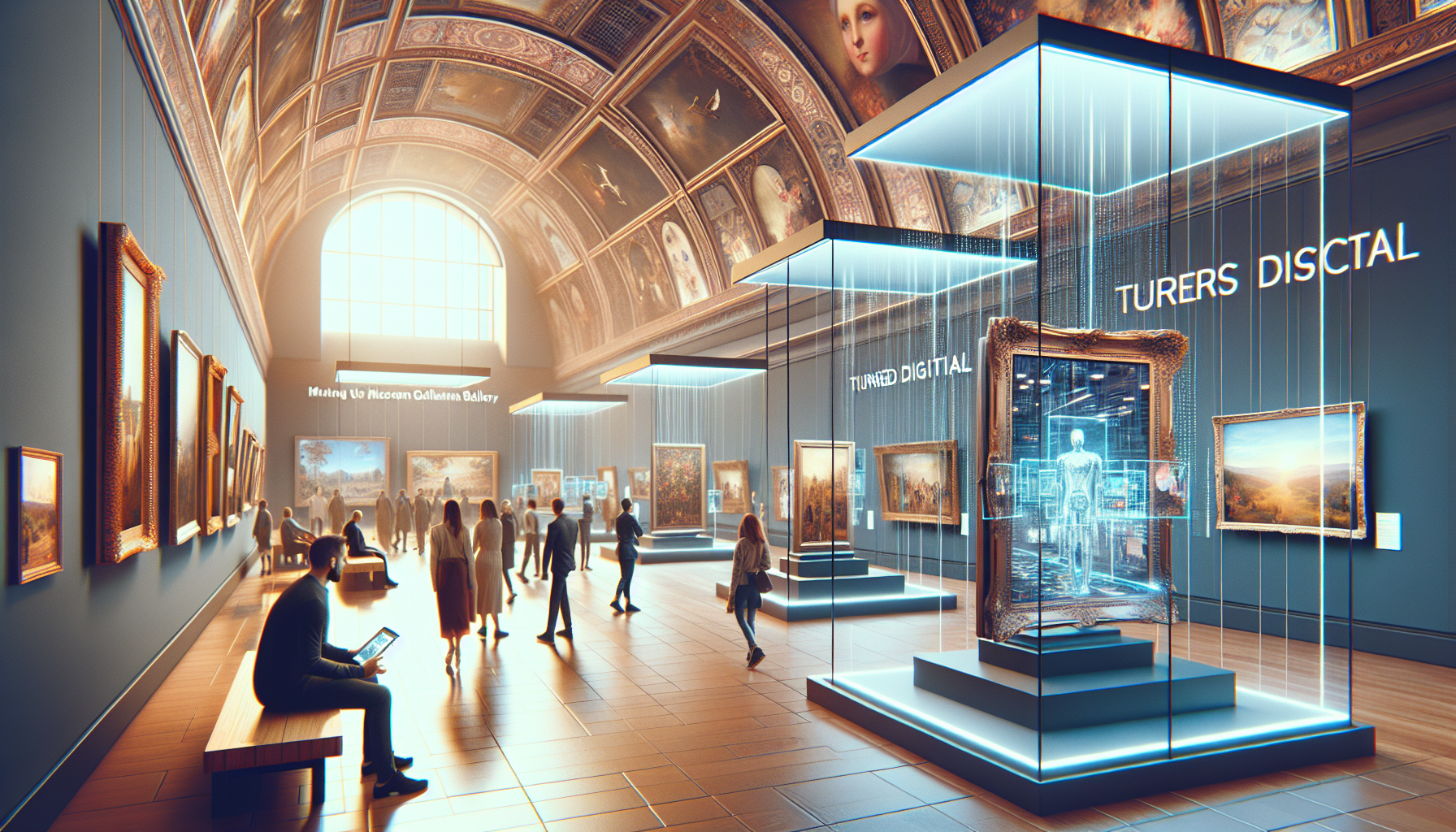


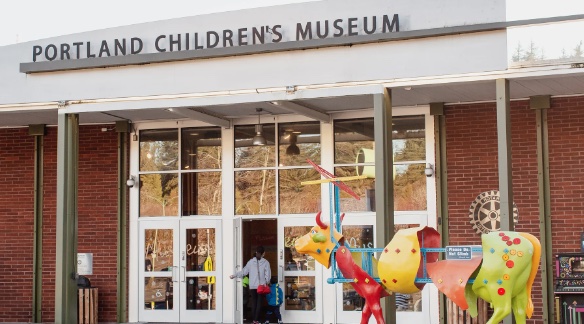

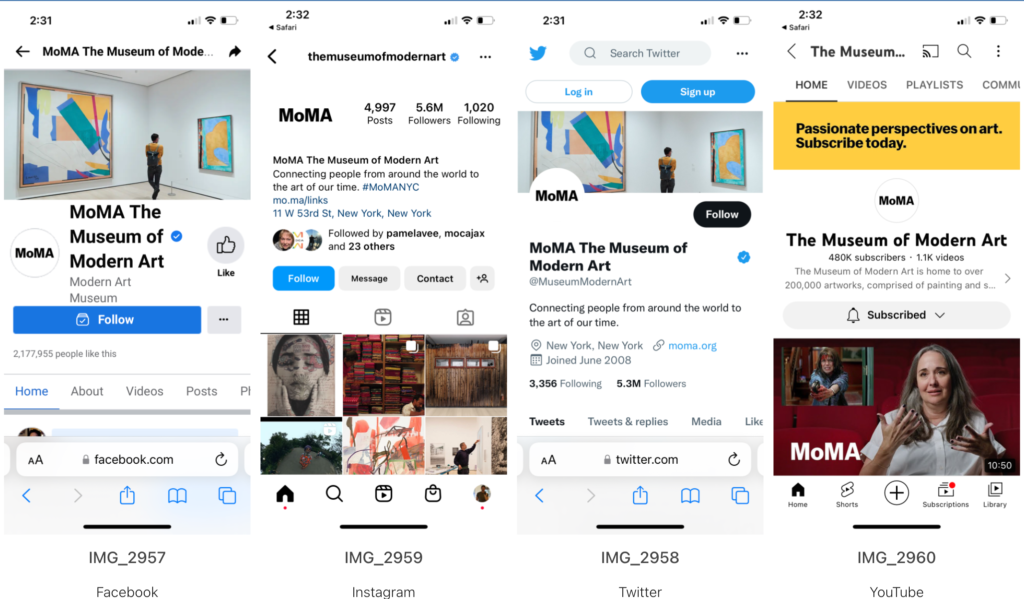

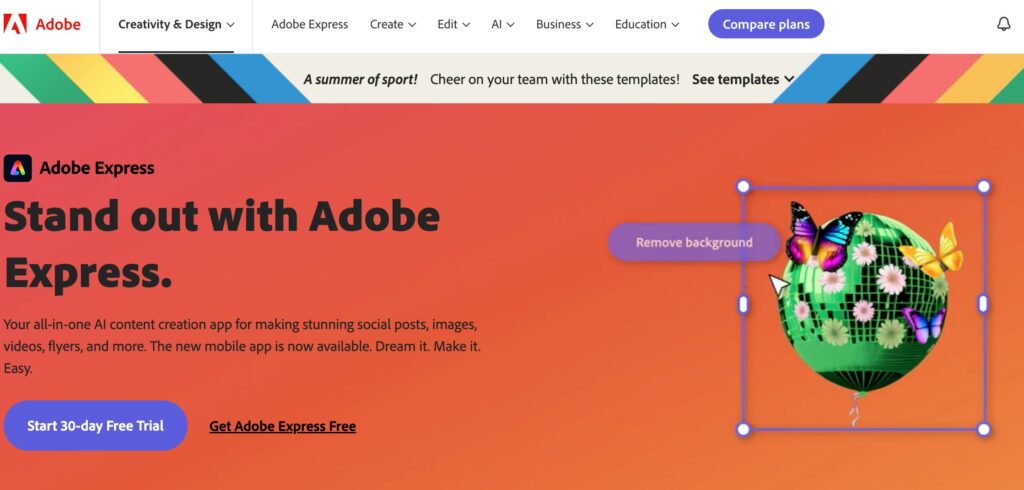
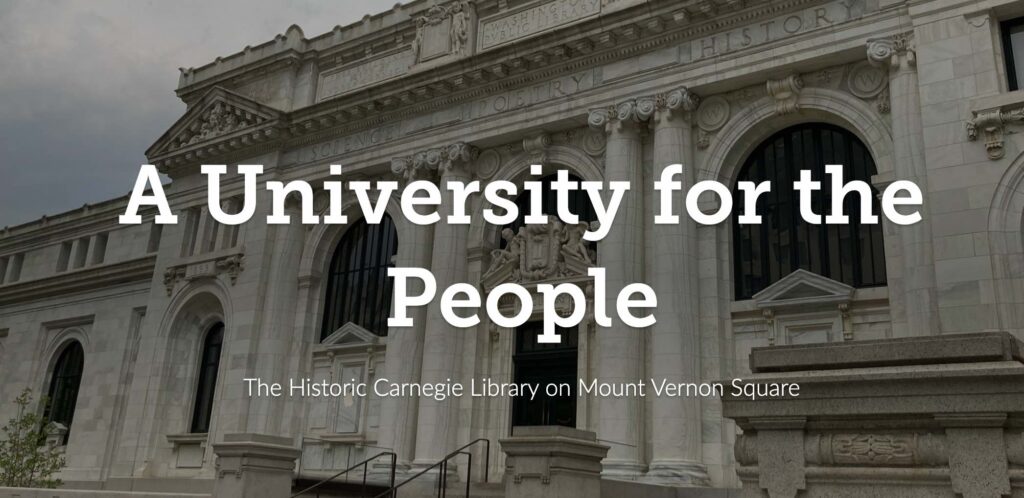




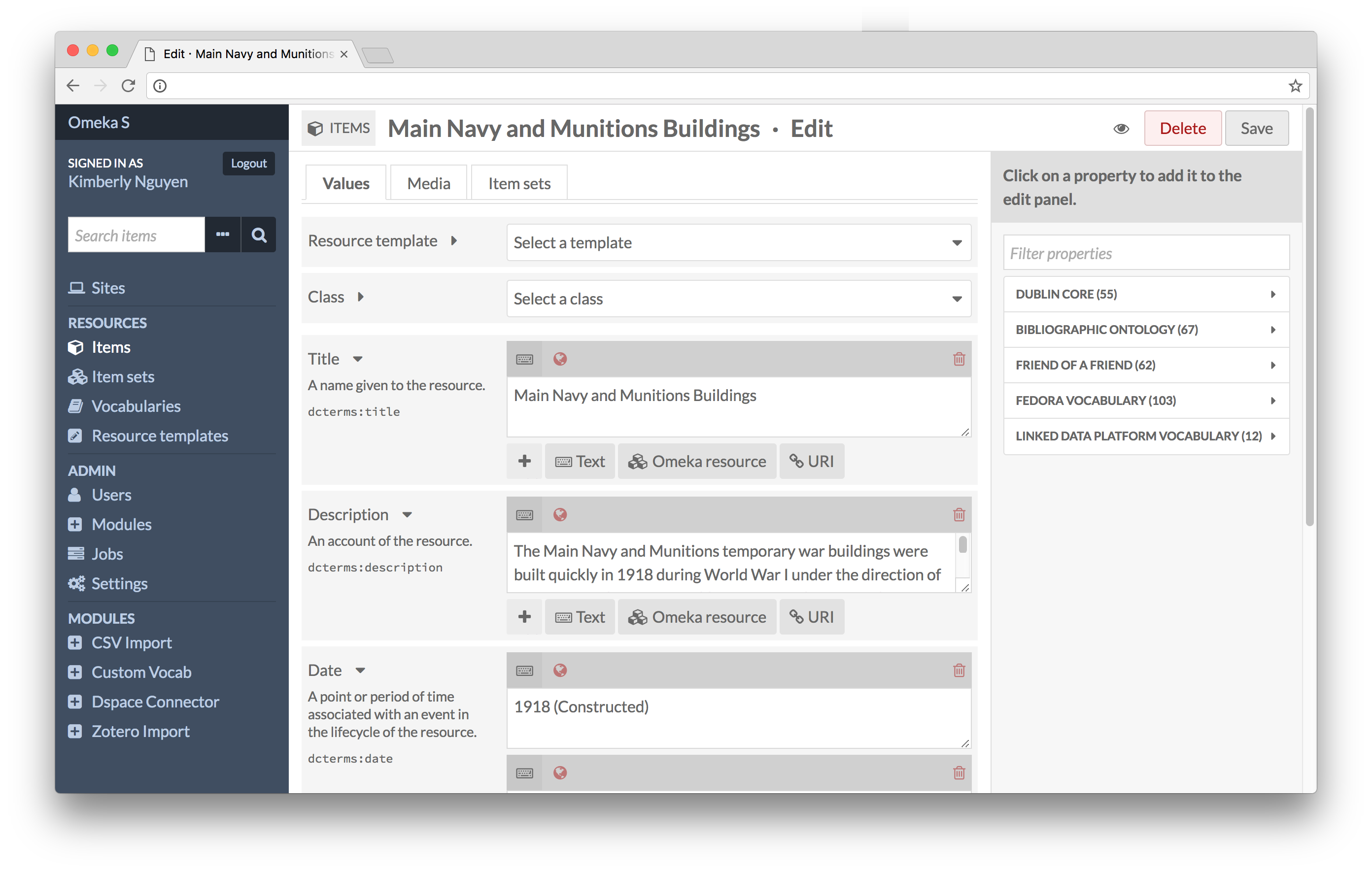


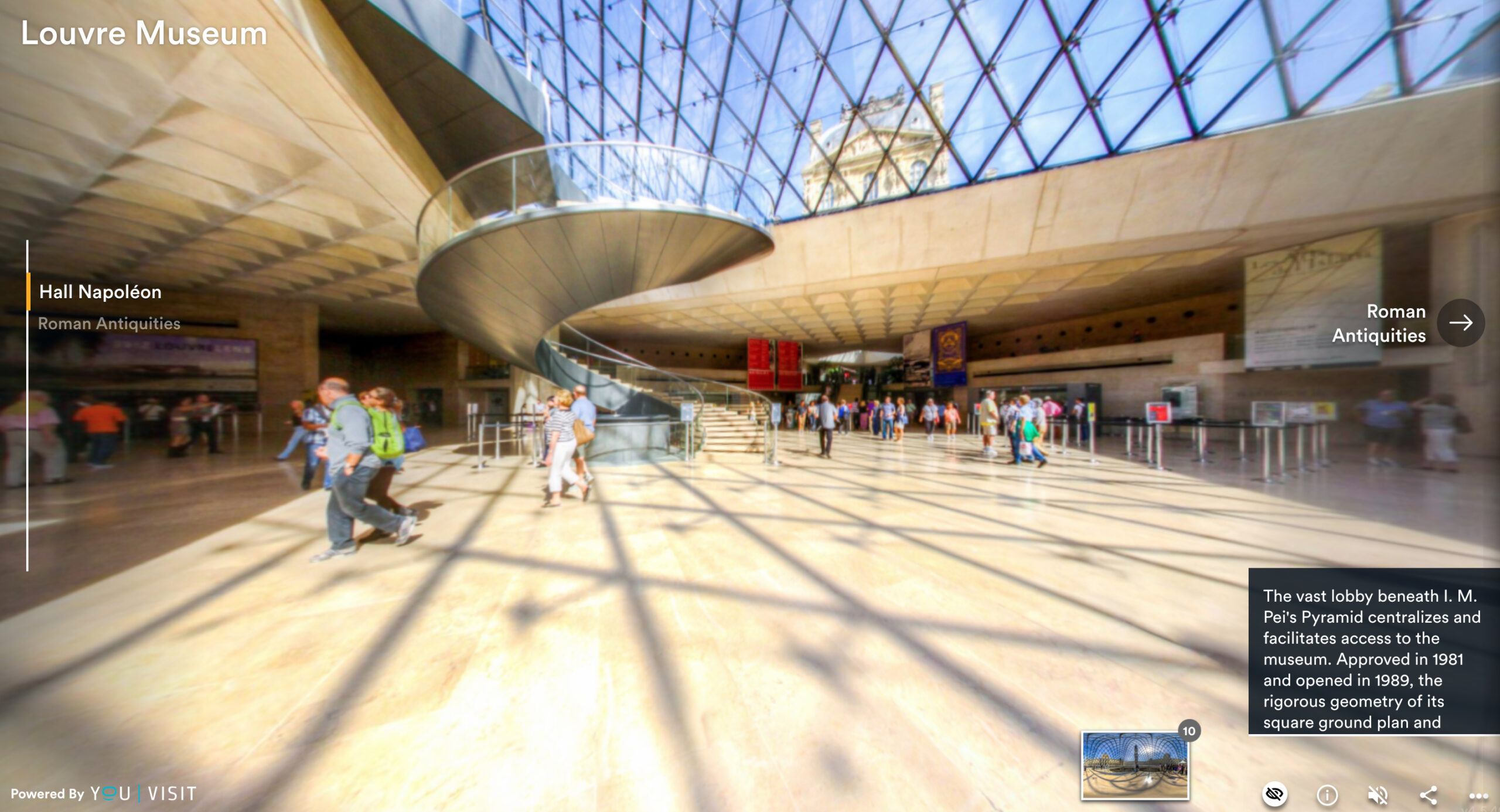
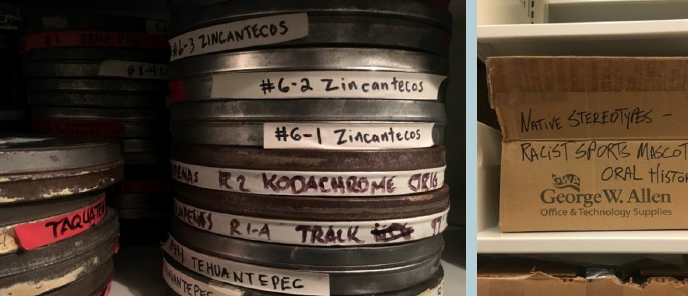
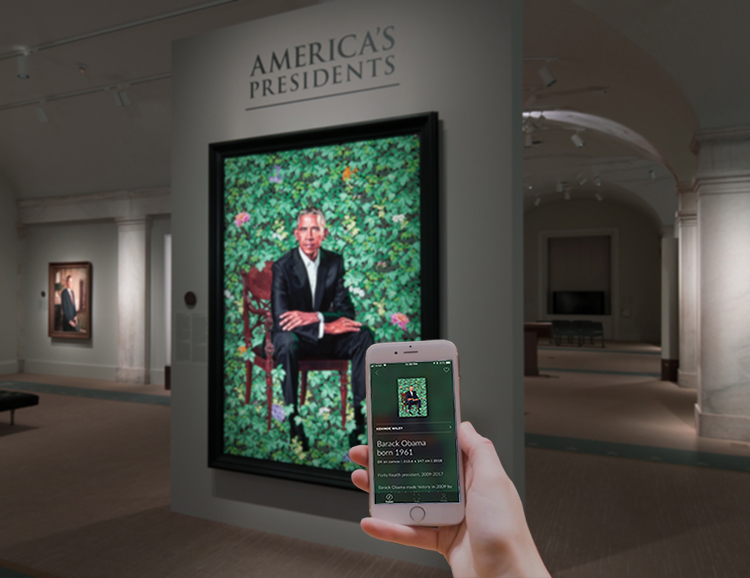
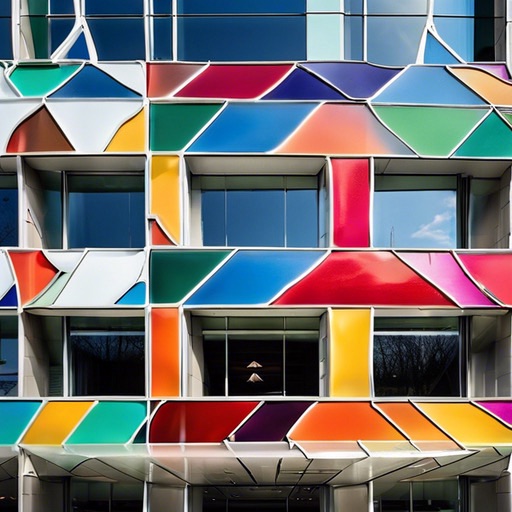




 The Obama Foundation is constructing the Obama Presidential Center on Chicago’s South Side in Jackson Park. The Center is a privately operated, non-federal organization. The National Archives does not have a presence at this location. However, NARA and the Obama Foundation will work together to have records and artifacts on display at the museum at the Obama Presidential Center.
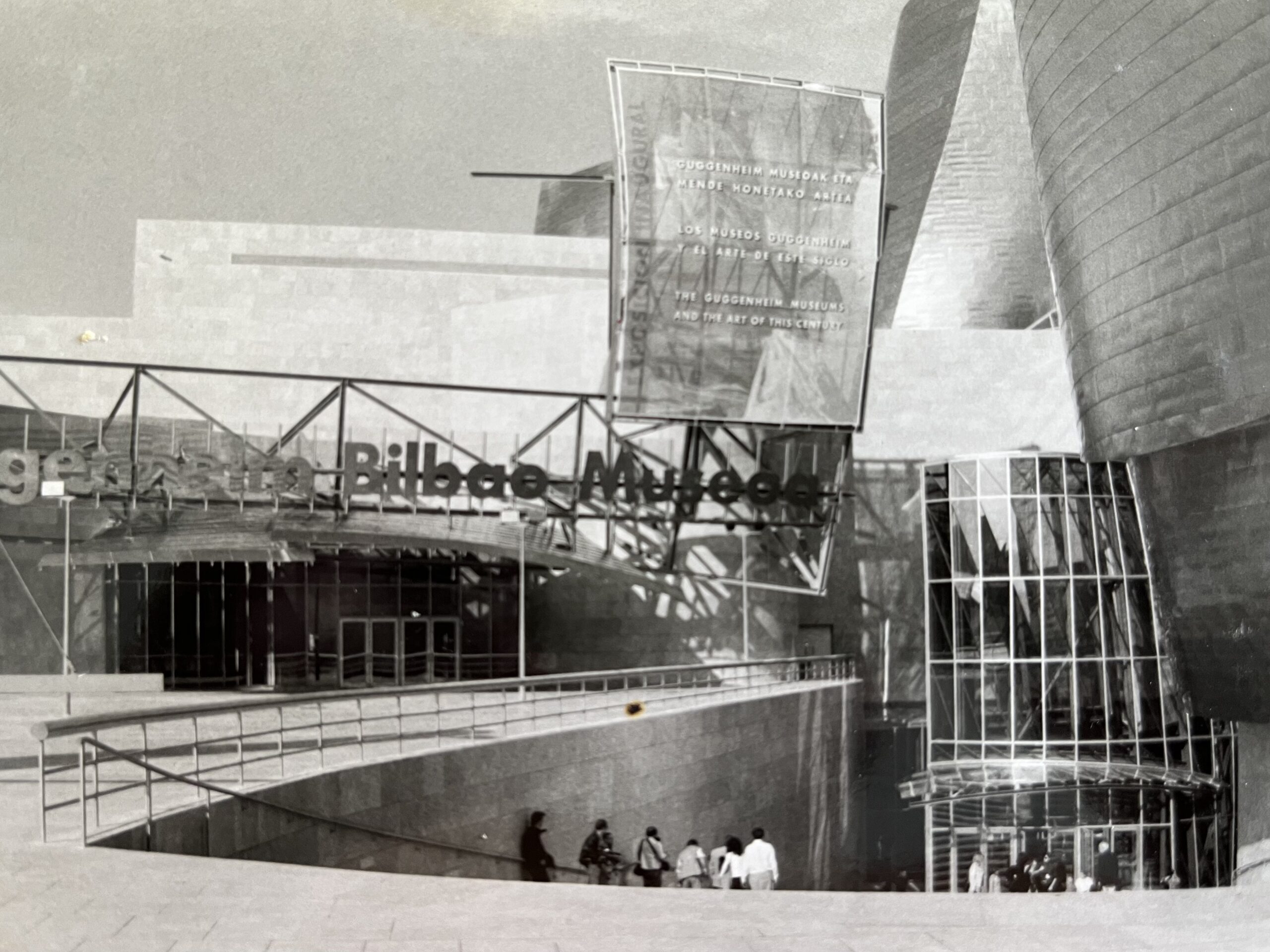


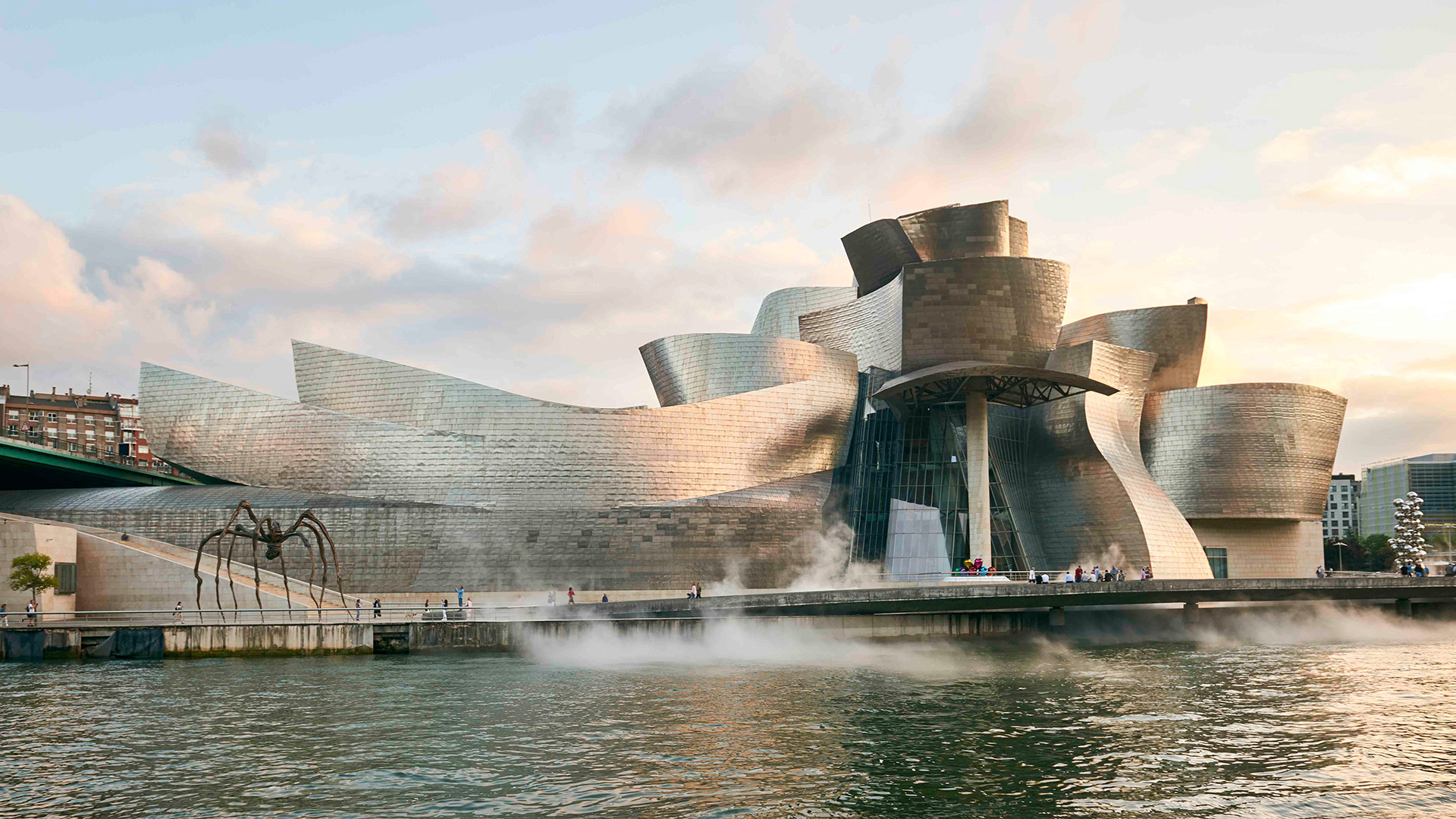


 Galleries are leveraging artificial intelligence (AI) technology to transform how they engage with visitors, authenticate artwork, and create immersive experiences that captivate audiences. From virtual reality tours to artwork authentication, AI applications in galleries are revolutionizing how art is experienced and appreciated. Explore the innovative uses of AI in galleries and its profound impact on the art world.