Category: Culture

  • IDbGLAM: The International Database of Galleries | Libraries | Archives | Museums

    IDbGLAM: The International Database of Galleries | Libraries | Archives | Museums

    March 2024 – Present

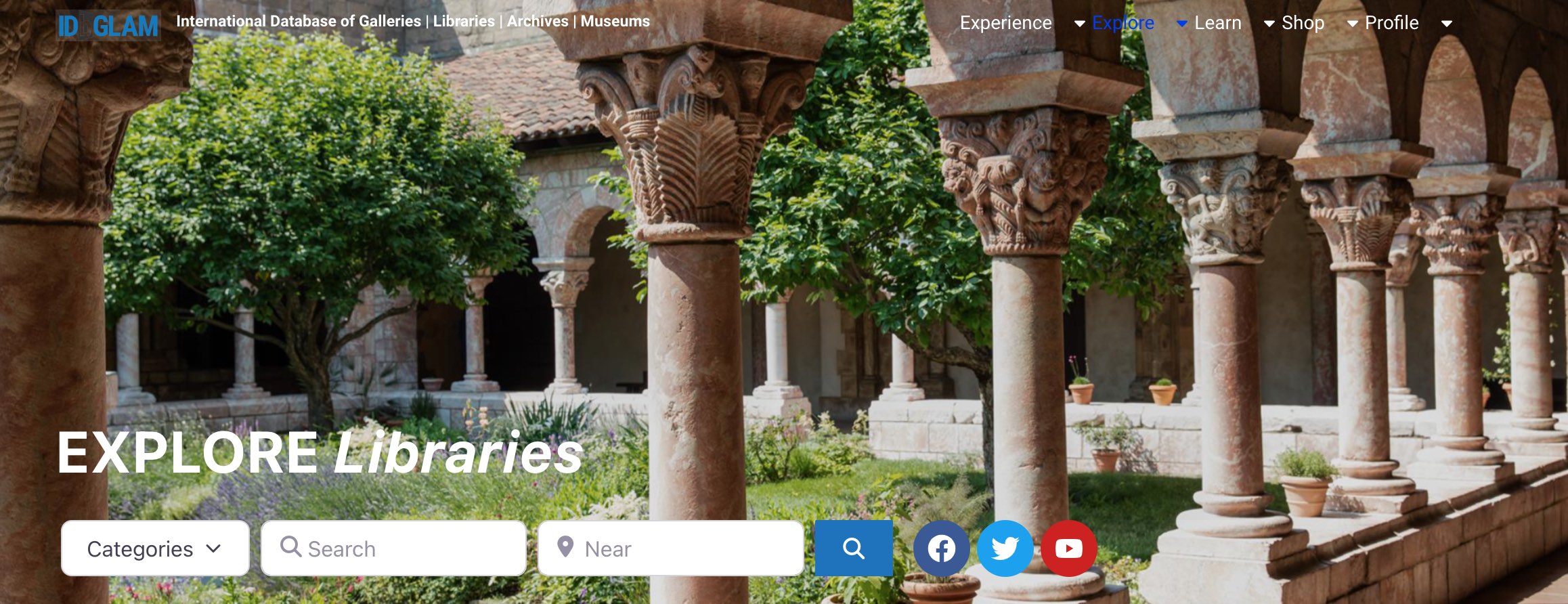
    IDbGLAM is an innovative platform designed to centralize access to digitized collections and digital experiences offered by GLAM institutions worldwide. Leveraging advanced technologies like AI, VR, and AR, the platform aggregates and distributes cultural heritage experiences, serving as the “channel” for the digital GLAM sector. It connects users with tools and content from platforms such as Google Arts & Culture, Bloomberg Culture, and Smartify, while supporting institutions in enhancing their digital presence.

    Key Contributions:

    • Platform Development: Conceptualized and built IDbGLAM as a robust, scalable digital platform to address the growing need for a centralized resource in the GLAM sector.
    • User Engagement: Engaged with over 4,800 industry professionals on LinkedIn and secured early adopters from university museums, achieving 20% month-over-month growth.
    • Digital Integration: Collaborated with Symplistic.ai to integrate AI chatbot technology and introduced user competitions through GamiPress to boost engagement.
    • Community Outreach: Fostered partnerships with academia, including the Pratt DX Center and Illinois Digital Heritage Hub, and sought feedback from professional communities like AAMG and MCN to refine the platform.
    • Revenue Strategy: Developed a freemium model to democratize access for small institutions while offering advanced tools for premium subscribers.

    Impact:
    IDbGLAM has become a vital resource for GLAM institutions, connecting them to a global audience and promoting cultural heritage preservation in the digital age. With traction across multiple sectors, IDbGLAM is poised to redefine how cultural content is experienced and accessed worldwide.

  • The Guggenheim Museum Bilbao: A Detailed Exploration of Cultural Tourism, Urban Renewal, and Political Risks

    The Guggenheim Museum Bilbao: A Detailed Exploration of Cultural Tourism, Urban Renewal, and Political Risks

    The Guggenheim Museum Bilbao, which opened its doors on October 19, 1997, stands as an enduring symbol of cultural transformation, urban regeneration, and the complex interplay of politics and regional identity. Situated in the heart of the Basque Country—a region known for its rich cultural heritage and history of political unrest—the museum’s creation was marked by innovative vision, architectural brilliance, and significant risks, including a near-tragic terrorist attack just days before its grand opening.

    The Visionaries: Thomas Krens and Frank Gehry

    The Guggenheim Museum Bilbao was the brainchild of Thomas Krens, the then-director of the Solomon R. Guggenheim Foundation, and Frank Gehry, an architect celebrated for his daring and unconventional designs. Krens envisioned a museum that would not only expand the Guggenheim’s global reach but also serve as a catalyst for revitalizing Bilbao, a city that had been suffering from industrial decline and economic stagnation.

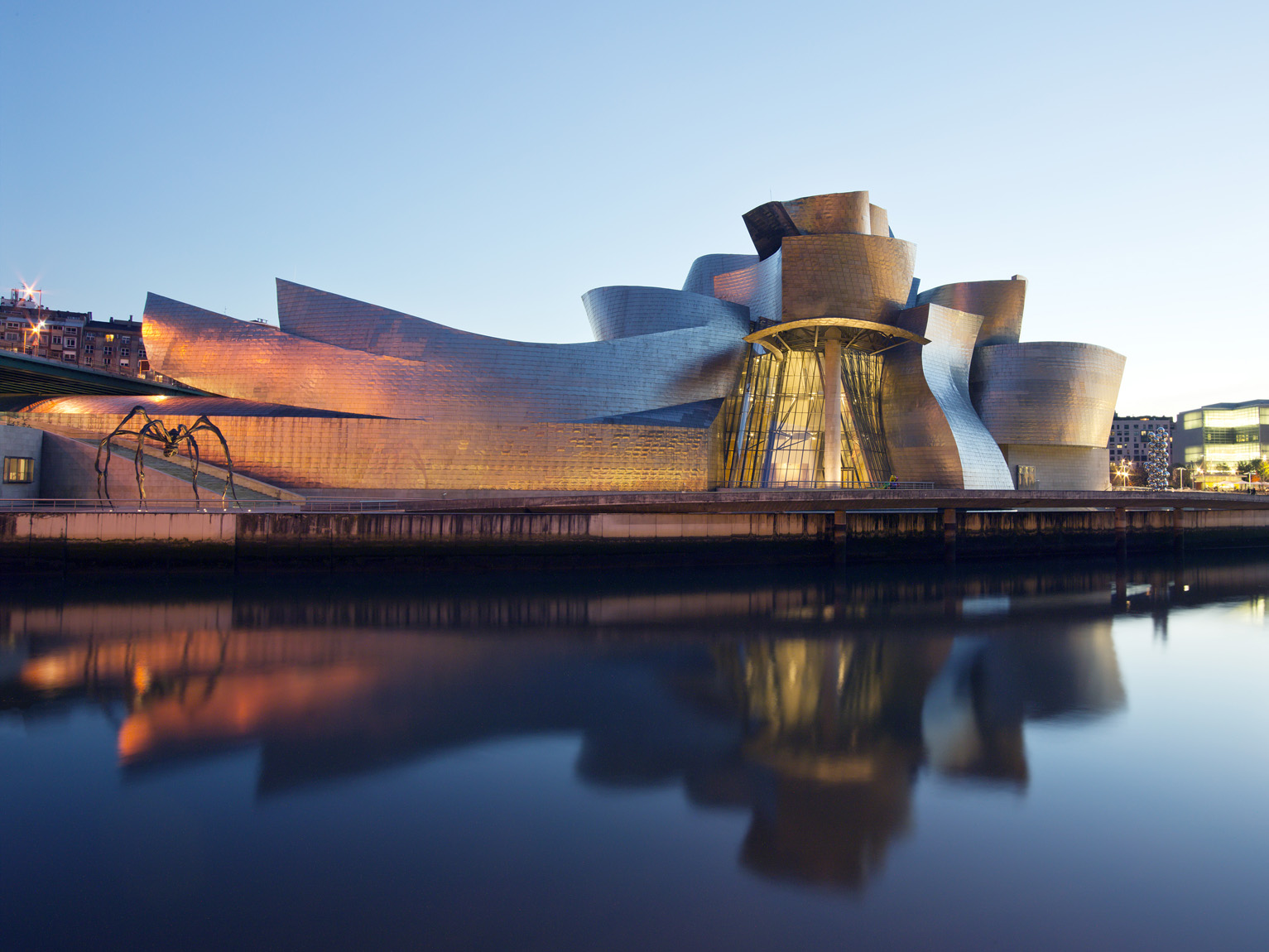
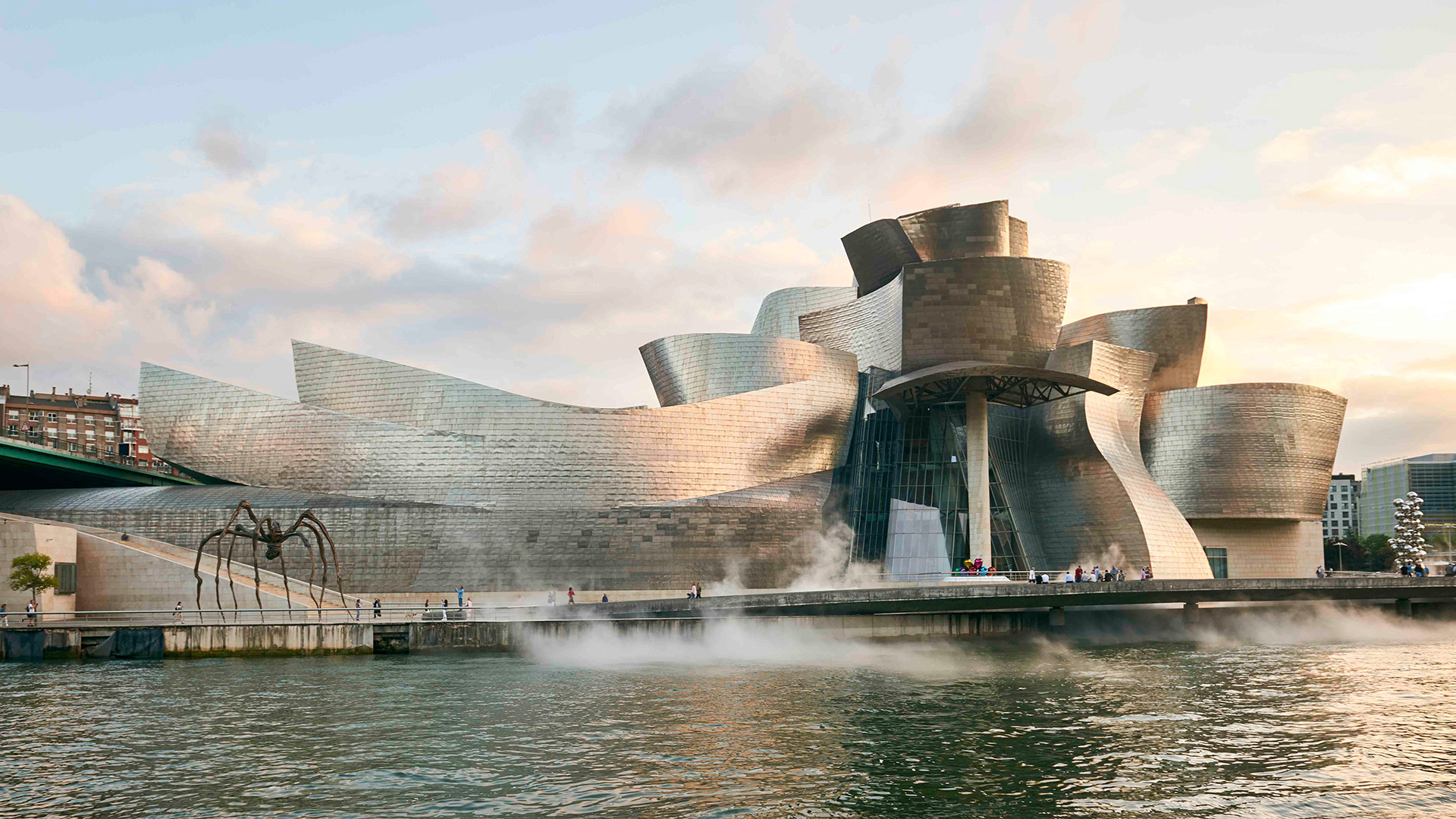
    Frank Gehry’s architectural design was nothing short of groundbreaking. The museum’s undulating forms and shimmering titanium façade redefined contemporary architecture and quickly became an iconic symbol of Bilbao. Gehry’s innovative approach to design transformed the museum itself into a work of art, drawing global attention even before its opening.

    Krens and Gehry’s collaboration was pivotal in turning the museum into more than just a cultural institution. They succeeded in creating a landmark that would become the centerpiece of a broader urban renewal strategy, attracting visitors from around the world and reshaping the city’s identity.

    The Basque Region: Navigating a Complex Political Landscape

    The decision to build the Guggenheim Museum in Bilbao was not without significant political challenges. The Basque Country, or Euskadi, has a strong sense of cultural identity and a history of political turbulence, particularly related to its aspirations for greater autonomy from Spain. The region had been marred by violence, most notably from the separatist group ETA (Euskadi Ta Askatasuna), which sought to establish an independent Basque state.

    Local reactions to the museum project were mixed. While many saw it as an opportunity to rejuvenate Bilbao and showcase Basque culture on an international stage, others were critical of the extensive public funds allocated to the project, especially in a region with pressing social and economic issues. The museum was viewed by some as a potential target for those opposed to the Spanish state’s influence in the region.

    The Terrorist Threat: The Attack on Jeff Koons’ Puppy

    The political risks associated with the museum were starkly highlighted just a week before its opening. On October 12, 1997, members of ETA attempted to sabotage the project by planting explosives inside Puppy, a large floral sculpture by Jeff Koons that stood in front of the museum. This attack underscored the tensions in the Basque region, where cultural and political aspirations were deeply intertwined with the threat of violence.

    Fortunately, the attack was thwarted by the Basque police, who arrested the perpetrators before the explosives could be detonated. The prevention of this attack allowed the museum’s opening to proceed as planned, though it was a sobering reminder of the political risks that the project had navigated.

    Despite this close call, the Guggenheim Museum Bilbao opened without incident, marking the beginning of a new chapter for the city and the region. The museum’s success, even in the face of such threats, demonstrated the resilience and determination of those who believed in the project.

    Urban Renewal and Economic Impact

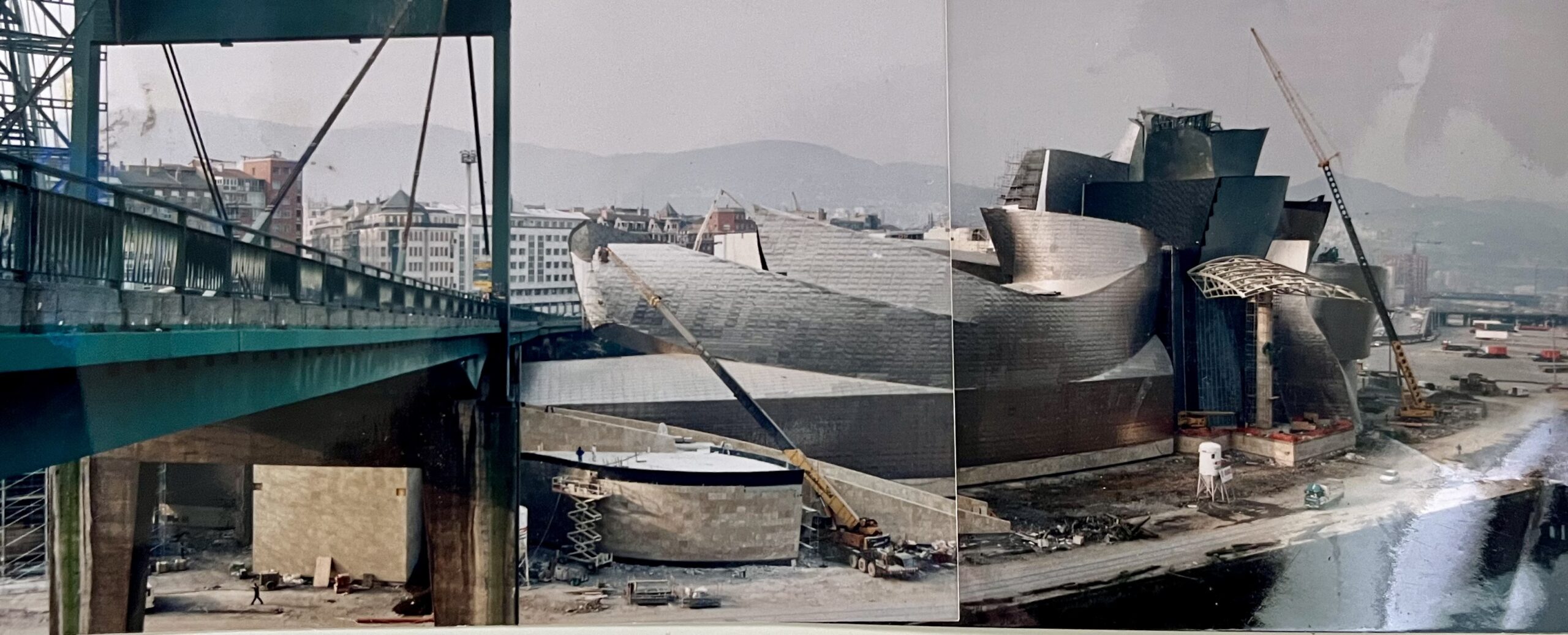
    The Guggenheim Museum Bilbao’s impact on the city’s urban landscape was nothing short of transformative. Prior to the museum’s construction, Bilbao was an industrial city in decline, characterized by aging infrastructure and a lack of international appeal. The museum became the centerpiece of an ambitious urban renewal project that revitalized the Abandoibarra area, where it is located.

    guggenheim museum billba opening day
    Guggenheim Museum Bilbao

    This renewal included not only the museum itself but also the development of new public spaces, parks, and infrastructure that turned Bilbao into a modern, livable city. The museum became the focal point of a broader effort to regenerate the city, attracting investment and boosting the local economy.

    Economically, the museum has had a profound impact on Bilbao. It quickly became a major tourist attraction, drawing millions of visitors from around the world and generating substantial revenue for the local economy. The “Bilbao Effect” became a term used to describe how cultural institutions could drive urban and economic regeneration, with Bilbao becoming a model for other cities seeking similar transformations.

    However, the document also likely addresses the complexities of sustaining this momentum and the challenges of replicating the “Bilbao Effect” in other contexts. It emphasizes the importance of strategic planning and consideration of local conditions when attempting such ambitious cultural projects.

    Conclusion: A Legacy of Vision, Creativity, and Resilience

    The Guggenheim Museum Bilbao stands as a testament to the power of visionary leadership, architectural innovation, and resilience in the face of adversity. It is a story of how a bold idea, supported by strategic investment and creative genius, can transform a city and leave a lasting impact on its cultural and economic landscape.

    Despite the political risks and the near-tragic attack on Puppy, the museum has not only survived but thrived, becoming an enduring symbol of Bilbao’s renaissance. For those fascinated by the intersection of culture, politics, and urban development, the Guggenheim Museum Bilbao offers valuable lessons in how visionary projects can change the course of a city’s history, even in the face of significant challenges.

  • Navigating DEIA Backlash: Addressing Conservative Concerns

    Navigating DEIA Backlash: Addressing Conservative Concerns

    In recent years, Diversity, Equity, Inclusion, and Accessibility (DEIA) initiatives have faced increasing scrutiny and criticism, often labeled as “woke” by some conservative factions. Fueled by rhetoric designed to inflame division, this backlash poses significant challenges for those who foster inclusive and equitable cultural spaces. However, it’s essential to continue advocating for DEIA with a balanced, well-informed approach that addresses concerns while underscoring the critical importance of these principles.

    Understanding the Backlash

    The term “woke,” originally a call for awareness about social injustices, has been co-opted by some to disparage DEIA efforts. Critics argue that such initiatives impose ideological conformity, undermine meritocracy, and create division rather than unity. This perspective often overlooks the systemic inequities that DEIA seeks to address, reducing complex issues to simplistic, polarized narratives.

    Specific Conservative Concerns:

    • Ideological Conformity: The belief that DEIA enforces a specific political or social ideology.
    • Meritocracy: Concerns that DEIA undermines merit-based systems.
    • Division: Fears that DEIA creates societal rifts rather than fostering unity.

    The Importance of DEIA in the Cultural Sector

    The cultural sector—encompassing museums, galleries, libraries, and other institutions—plays a vital role in shaping societal values and narratives. DEIA initiatives are not merely about representation but about ensuring that all voices are heard and respected.


    Real-Life Examples


    Addressing Conservative Criticisms

    To engage constructively with conservative critiques, it is crucial to acknowledge their concerns while presenting a balanced view of DEIA’s benefits.

    Strategies to Address Criticisms:

    • Emphasize Common Ground: Highlight shared values like fairness, justice, and opportunity. Many critics of DEIA genuinely care about meritocracy and fairness but may misunderstand the aims of DEIA initiatives. Clarifying that DEIA seeks to level the playing field rather than impose unfair advantages can bridge this gap.
    • Use Data and Research: Cite studies and data that demonstrate the positive impact of DEIA. For example, McKinsey & Company’s research shows that companies with diverse leadership teams are more likely to outperform their peers (McKinsey & Company, 2020). Similar findings apply to cultural institutions, where diversity can drive innovation and community engagement.
    • Showcase Success Stories: Highlight examples of successful DEIA initiatives that have enriched institutions without sacrificing quality or excellence. Personal stories and case studies can humanize the abstract concepts of DEIA, making them more relatable and less contentious.
    • Promote Open Dialogue: Encourage open, respectful conversations about DEIA. Creating forums for discussion allows for the airing of concerns and misconceptions, fostering mutual understanding and cooperation.

    Moving Forward

    Despite the challenges, it is crucial to persist in promoting DEIA in the cultural sector. This work is not about political correctness but about creating a more just and equitable society. By addressing criticisms thoughtfully and presenting compelling evidence of DEIA’s benefits, we can counteract divisive rhetoric and continue to build inclusive cultural spaces.

    As we navigate these complex dynamics, our commitment to DEIA must remain steadfast. The cultural sector thrives on diversity, drawing strength from the myriad voices and experiences that contribute to our shared heritage. By championing DEIA, we ensure that our cultural institutions remain vibrant, relevant, and inclusive for all.

    References

    • American Alliance of Museums. (2021). “Museums and Equity: Data and Research.” Retrieved from American Alliance of Museums.
    • McKinsey & Company. (2020). “Diversity Wins: How Inclusion Matters.” Retrieved from McKinsey & Company.

    By promoting DEIA with clarity, empathy, and evidence, we can effectively counteract conservative critiques and continue fostering inclusive environments within the cultural sector.

  • Olympic Museums and Libraries of Paris

    Olympic Museums and Libraries of Paris

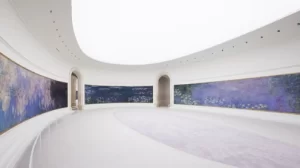
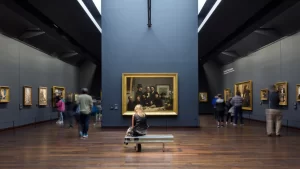
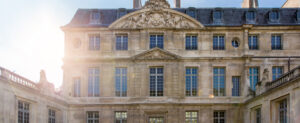
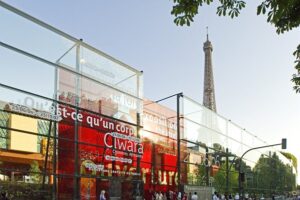
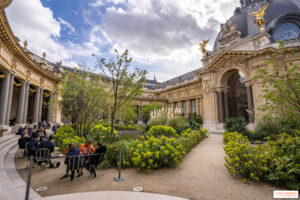
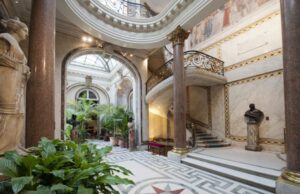
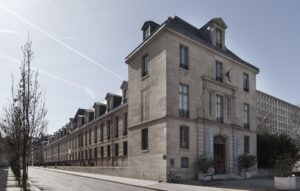
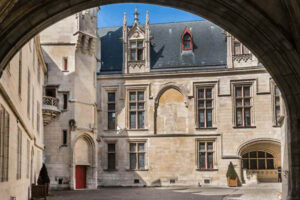
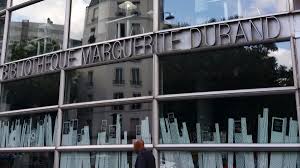
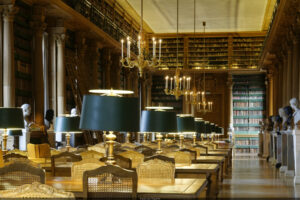
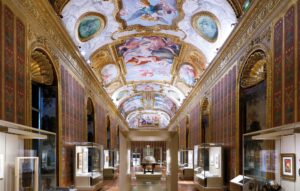
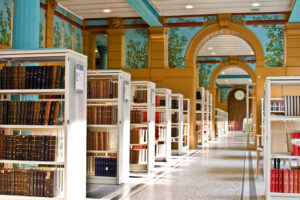
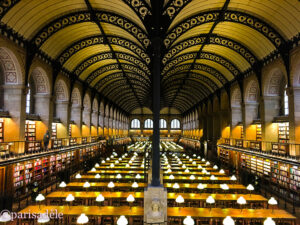
    Paris, the City of Light, is not only known for its romantic ambiance and stunning architecture but also for its rich cultural heritage. The city boasts some of the world’s most renowned museums and libraries, offering a treasure trove of art, history, and literature. Here are some of the greatest museums and libraries you must visit in Paris:

    Museums


    Libraries

    Paris’s museums and libraries offer an unparalleled cultural and educational experience, showcasing the city’s rich artistic and intellectual heritage. Whether you’re an art lover, history enthusiast, or literature aficionado, these institutions provide a deep dive into the world’s cultural treasures.

  • GLAMs: Unsung Heroes of Cultural Revenue Generation Amidst Limited Public Support

    GLAMs: Unsung Heroes of Cultural Revenue Generation Amidst Limited Public Support

    In the bustling landscape of urban development, sports venues often steal the spotlight with their grand events and massive crowds. However, the quieter, more understated institutions—Galleries, Libraries, Archives, and Museums (GLAMs)—consistently provide substantial socioeconomic benefits. Despite their significant contributions, GLAMs frequently operate with less public support than their flashier counterparts.

    The Economic Powerhouse of GLAMs

    Cultural Tourism and Revenue Generation
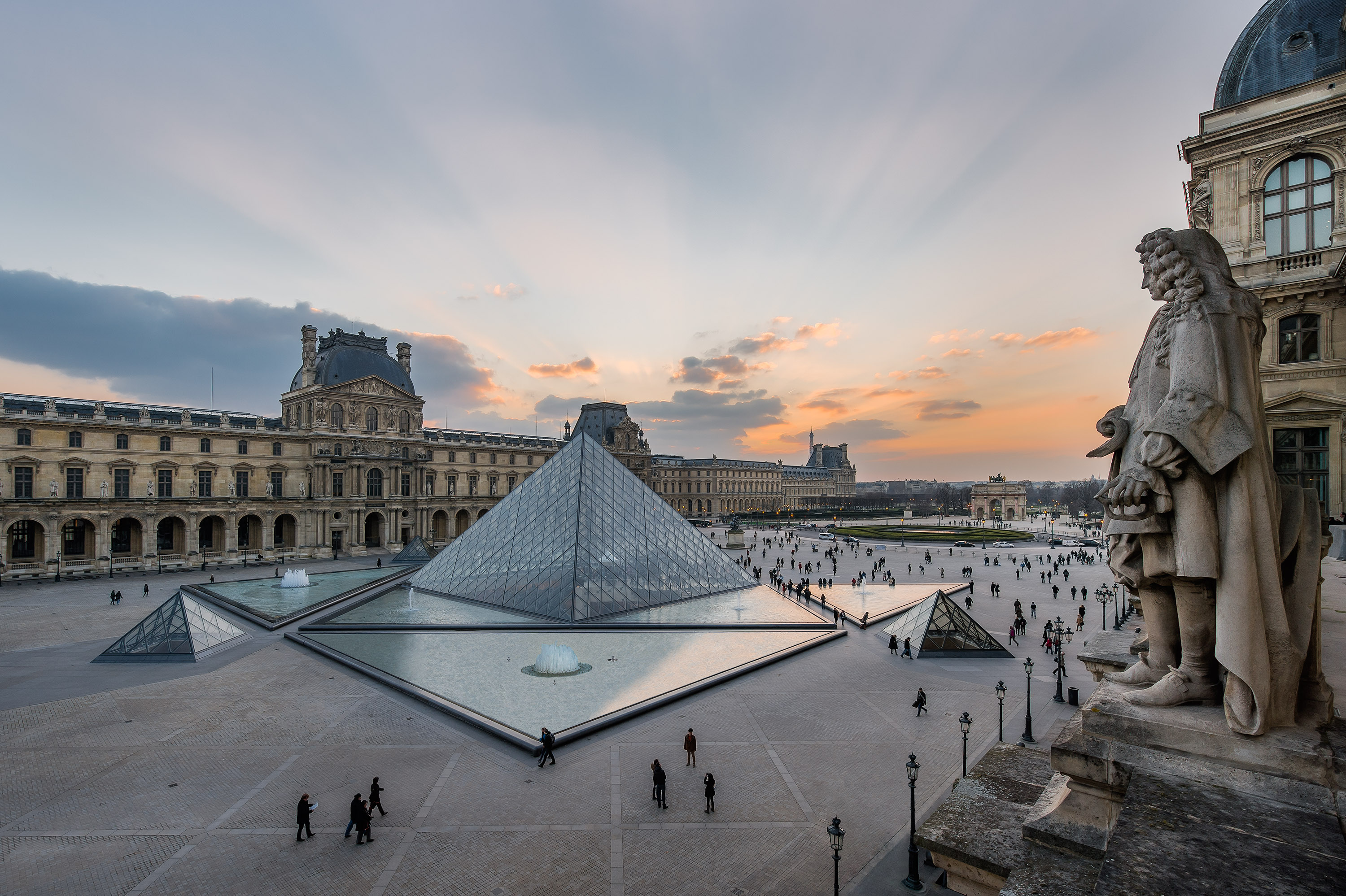
    GLAMs are magnets for cultural tourism. For example, the Louvre Museum in Paris attracted over 9.6 million visitors in 2019. These visitors contribute immensely to the local economy by spending on accommodation, dining, and shopping. The economic ripple effect of such institutions extends well beyond their immediate operations, benefiting a wide array of local businesses. In New York City, the Metropolitan Museum of Art generates approximately $946 million annually for the local economy. Similarly, London’s British Museum and the Tate Modern draw millions of visitors, significantly boosting tourism revenue.

    Employment and Economic Sustainability
    GLAMs create many job opportunities in the cultural, educational, and service sectors. These jobs range from curators and archivists to educators and administrative staff, contributing to local employment rates. Unlike the sporadic influx of revenue generated by significant sports events, GLAMs provide a more consistent and sustainable economic benefit.

    Social Contributions of GLAMs

    Education and Community Engagement
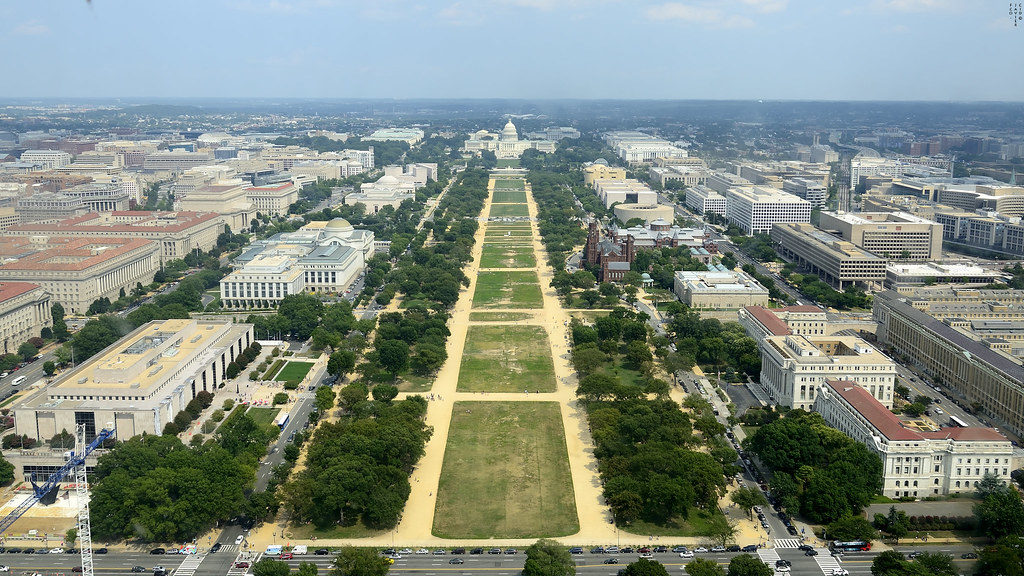
    GLAMs serve as vital educational resources, promoting literacy and lifelong learning. Libraries, for instance, offer free access to books, digital resources, and educational programs. Museums and galleries host exhibitions that educate the public about history, art, and science, fostering a culture of curiosity and knowledge. Moreover, GLAMs act as community hubs, providing spaces for public events, workshops, and social gatherings. These institutions are crucial in building social cohesion and fostering community. For example, the Smithsonian Institution in Washington, D.C., offers numerous public programs that engage and educate visitors from all walks of life.

    Inclusivity and Accessibility
    GLAMs are often more accessible and inclusive than sports venues. They cater to diverse audiences, including those from different socioeconomic backgrounds. Many GLAMs offer free or reduced admission, ensuring financial barriers do not impede access to cultural and educational resources.

    The Contrast with Sports Venues

    Economic and Social Impact of Sports Venues
    Sports venues, such as stadiums and arenas, are known for their ability to generate substantial economic activity. Significant events attract tourists, boost local businesses, and increase tax revenue. For instance, the financial impact of the 2012 London Olympics was estimated at £9.9 billion. Sports venues also create jobs, directly and indirectly, and can catalyze urban development projects. However, sports venues’ financial sustainability is often questionable. They require significant public investment, which can strain local budgets and divert funds from essential services. The return on investment is not always guaranteed, and the benefits can be short-lived, centered around significant events.

    Community Identity and Gentrification Risks
    Sports venues can foster a strong sense of community identity and pride, uniting diverse populations through shared support for local teams. However, they also carry risks of gentrification. Developing new stadiums can increase property values and living costs, potentially displacing lower-income residents.

    The Washington, D.C. Example

    Washington, D.C., provides a striking example of the disparity between investments in sports venues and GLAMs. The city has invested heavily in sports arenas such as the Capital One Arena and the new Audi Field. These venues host major sports events and concerts, attracting large crowds and generating significant economic activity. The Capital One Arena alone contributes an estimated $2 billion annually to the local economy through events and related spending.

    Conversely, while D.C. is home to world-renowned cultural institutions like the Smithsonian Museums and the Library of Congress, public funding for these and other local GLAMs has not kept pace with that for sports venues. Despite their contributions to tourism, education, and community engagement, many museums and cultural institutions face budget constraints, limiting their programming and outreach efforts.

    The imbalance is evident in the city’s budget allocations. Significant public and private funds are funneled into maintaining and upgrading sports facilities, while GLAMs often rely on donations, grants, and federal support to sustain their operations. This disparity underscores the need for a more balanced approach to public investment that recognizes the long-term benefits of cultural institutions.

    The Disparity in Public Support

    Despite their clear economic and social benefits, GLAMs often receive less public support than sports venues. Funding for museums, libraries, and cultural institutions is frequently limited, resulting in challenges such as budget cuts, staff reductions, and reduced operating hours. This disparity is striking, given the consistent and sustainable contributions GLAMs make to local economies and communities.

    Conclusion

    GLAMs are indispensable assets that provide substantial revenue and enrich our social fabric, yet they often operate with less public support than sports venues. By recognizing and addressing this disparity, we can ensure these vital institutions continue to thrive and benefit future generations. Investing in GLAMs preserves our cultural heritage and promotes economic stability and social cohesion, making them worthy of greater public and financial backing.

  • Exploring the Evolution of World’s Fairs: Celebrating Innovation, Culture, and Global Connections

    Exploring the Evolution of World’s Fairs: Celebrating Innovation, Culture, and Global Connections

    World’s fairs, known as expos, have historically been pivotal in showcasing global innovation, cultural diversity, and international cooperation. These grand events serve as platforms for nations to exhibit their technological advancements, cultural heritage, and future visions while fostering dialogue and collaboration on a global scale.

    Since 1992, the world’s fairs have continued to evolve, adapting to technological advancements and global trends. These events highlight cutting-edge technologies and sustainable practices and promote dialogue on pressing global issues such as food security, urban development, and environmental sustainability.

    Embracing Digital and Physical Experiences

    In the digital age, world fairs have expanded their reach and impact through virtual platforms alongside physical exhibits. Virtual tours, live streams, and interactive online content allow global audiences to engage with expo themes and pavilions remotely, enhancing accessibility and participation.

    Iconic Examples

    Expo 1992 Seville, Spain

    Expo 1992 in Seville celebrated the 500th anniversary of Columbus’ voyage to the Americas, showcasing Spain’s rich cultural heritage and technological achievements. Explore more about Expo 1992 Seville here.

      Expo 2000 Hannover, Germany

      Expo 2000 in Hannover was themed “Humankind, Nature, and Technology.” It emphasized sustainable development and featured the iconic Expo Axis structure, symbolizing futuristic architecture and innovation. Discover Expo 2000 Hannover here.

        Expo 2010 Shanghai, China

        One of the largest world’s fairs in history, Expo 2010 Shanghai attracted over 73 million visitors. It showcased modern urban planning, sustainable development, and cultural diversity through iconic pavilions like the China Pavilion. Visit Expo 2010 Shanghai here.

          Expo 2015 Milan, Italy

          Themed “Feeding the Planet, Energy for Life,” Expo 2015 focused on global food security and sustainability. It featured interactive exhibits and pavilions from over 140 countries, highlighting agricultural innovations and environmental stewardship. Explore Expo 2015 Milan here.

            Expo 2020 Dubai, UAE

            Initially scheduled for 2020 but held in 2021 due to the COVID-19 pandemic, Expo 2020 Dubai continued the tradition of innovation with a focus on sustainability and mobility. It introduced groundbreaking pavilions like the Sustainability Pavilion, which embodied cutting-edge environmental design. Learn more about Expo 2020 Dubai here.


              Future Outlook

              Looking ahead, world’s fairs will continue to evolve as catalysts for innovation and cultural exchange. Whether experienced physically or virtually, these events will remain integral in shaping our collective vision for a sustainable and interconnected world.

              The next World’s Fair is scheduled to be held in Osaka, Japan. Initially planned for 2025, the event is officially named “Expo 2025 Osaka, Kansai, Japan.” It will take place from April 13 to October 13, 2025. The theme of Expo 2025 Osaka is “Designing Future Society for Our Lives,” focusing on sustainable development and creating a better future for humanity. For more information about Expo 2025 Osaka, visit the official website: Expo 2025 Osaka, Kansai, Japan.

            • Sustainable Practices in Museums: How Cultural Institutions are Going Green

              Sustainable Practices in Museums: How Cultural Institutions are Going Green

              Peréz Art Museum Miami, photo by Daniel Azoulay Photography

              As cultural institutions dedicated to preserving the past and educating the public, galleries, libraries, archives, and museums (GLAMs) are uniquely responsible for addressing contemporary challenges, including environmental sustainability. Increasingly, GLAMs worldwide adopt sustainable practices to minimize their environmental impact and set an example for their communities. These efforts transform museums into greener, more responsible institutions, from eco-friendly building designs to energy-efficient operations.

              The Importance of Sustainability for GLAMs

              Galleries, libraries, archives, and museums are often large, resource-intensive buildings requiring significant energy for lighting, climate control, and day-to-day operations. By adopting sustainable practices, they can reduce their carbon footprint, lower operating costs, and contribute to global efforts to combat climate change. Additionally, GLAMs have a powerful platform to educate the public about sustainability and inspire positive environmental action.

              Key Sustainable Practices

              Green Building Design

              Many museums are incorporating green building principles into their design and construction. This includes using sustainable materials, maximizing natural light, and installing green roofs or solar panels.

              • California Academy of Sciences, San Francisco
                This museum features a living roof with native plants, solar panels, and an innovative ventilation system that reduces energy consumption. More information can be found on their website.
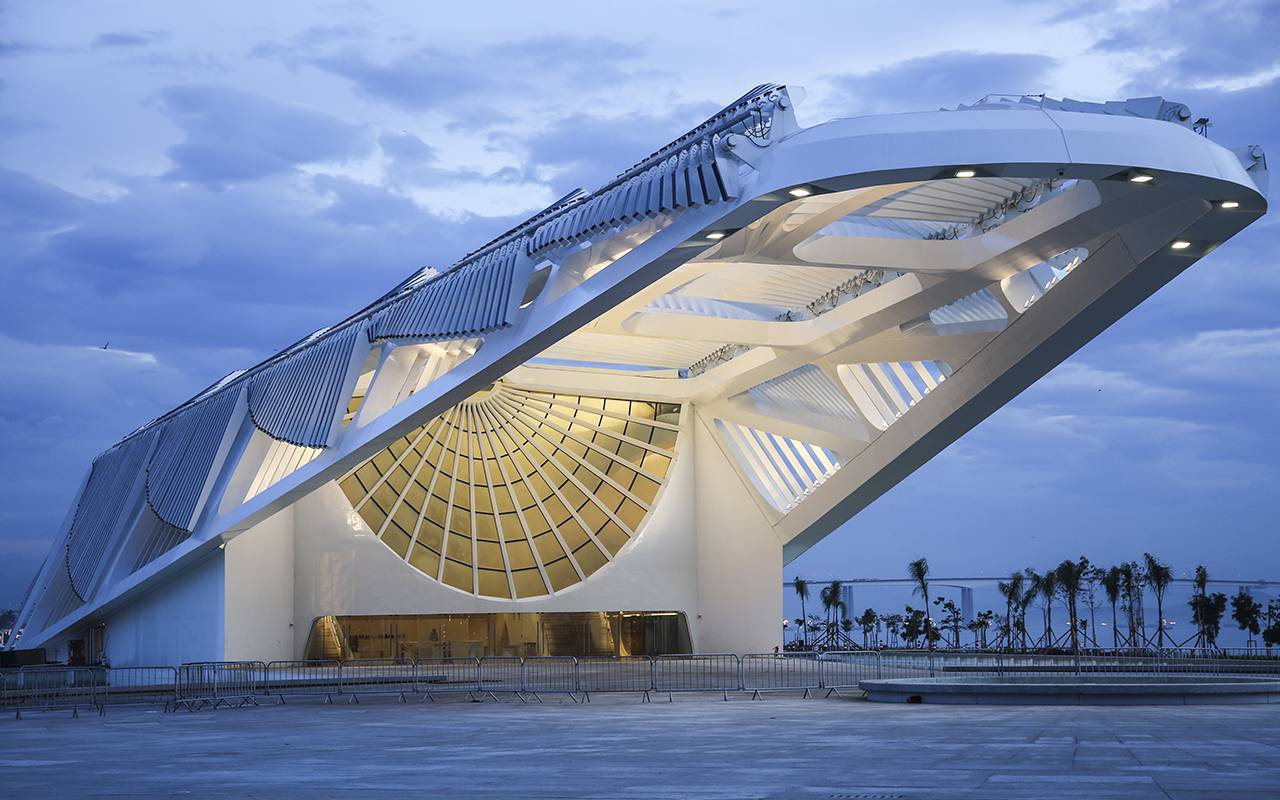
              • The Museum of Tomorrow, Rio de Janeiro
                Designed with sustainability in mind, this museum uses natural light, recycles water, and relies on renewable energy sources. Details are available here.

              Energy Efficiency

              Museums are implementing energy-efficient technologies to reduce their energy use. This includes LED lighting, smart climate control systems, and energy-efficient HVAC systems.

              • The Louvre, Paris
                The Louvre has undertaken extensive renovations to improve energy efficiency, including upgrading lighting systems to LEDs and improving insulation. Learn more about their efforts here.
              • The National Museum of the American Indian, Washington, D.C.
                This museum has incorporated geothermal wells to manage heating and cooling efficiently. Further information is available on their site.

              Waste Reduction and Recycling

              Museums and libraries are reducing waste through comprehensive recycling programs, composting organic waste, and minimizing single-use plastics.

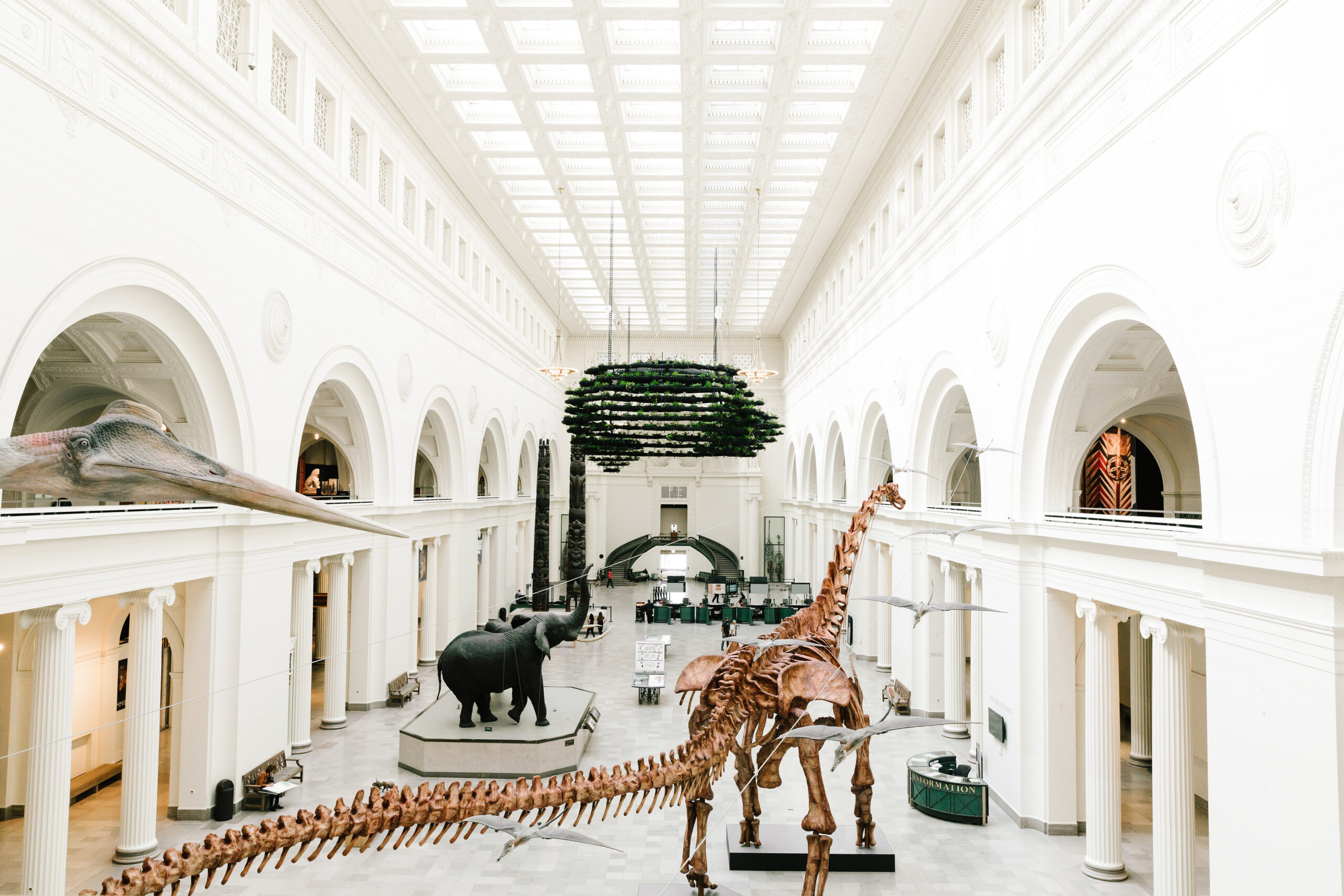
              • The Field Museum, Chicago
                This museum has implemented a zero-waste program to divert 90% of its waste from landfills through recycling and composting. More details can be found here.
              • The Natural History Museum, London
                This institution has taken steps to reduce plastic waste and encourages visitors to use refillable water bottles. Their sustainability initiatives are outlined here.

              Sustainable Exhibitions

              GLAMs design exhibitions with sustainability in mind, using recycled or reusable materials and considering the environmental impact of shipping and installation.

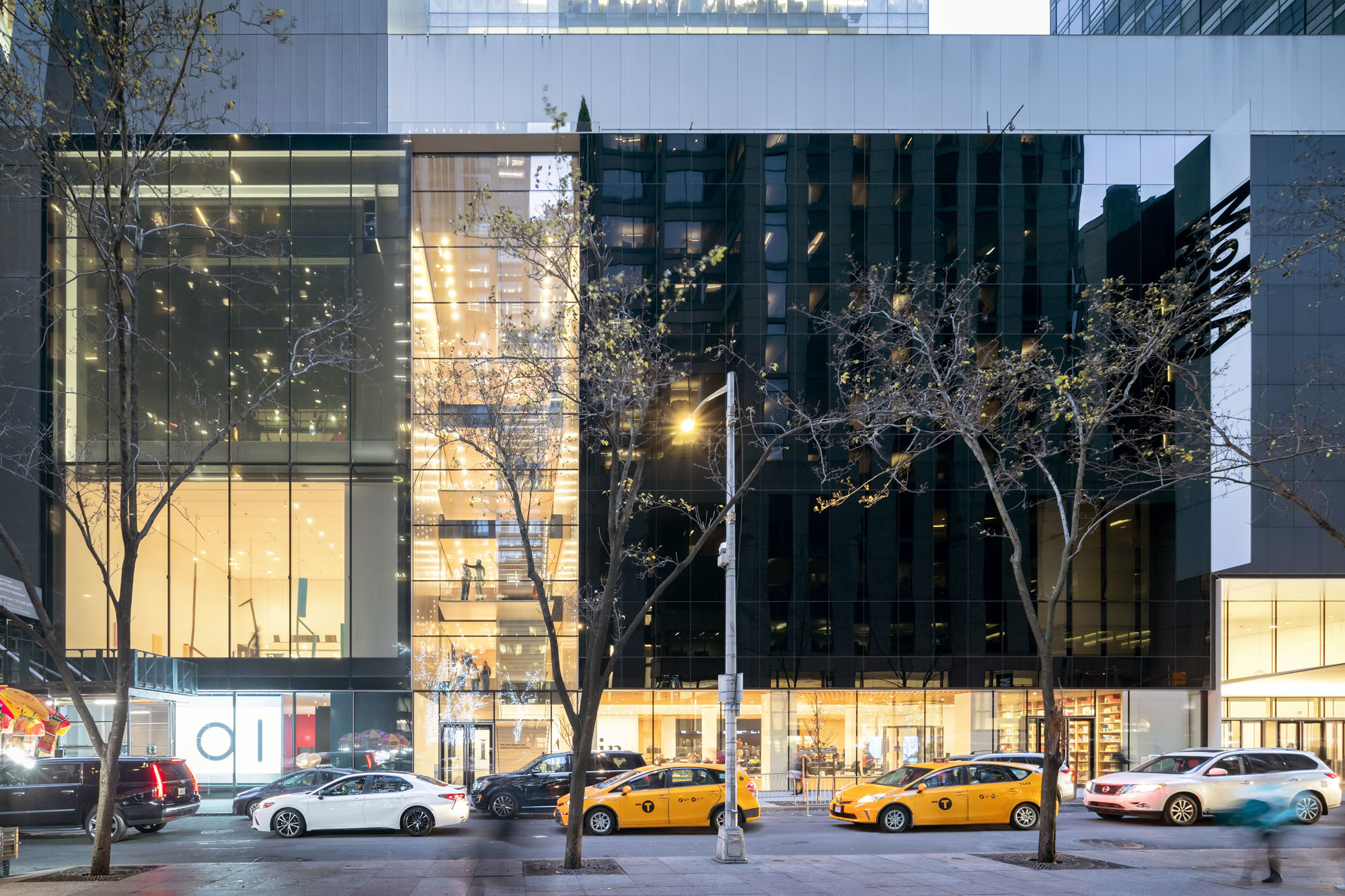
              • The Museum of Modern Art (MoMA), New York
                MoMA has developed guidelines for sustainable exhibition design, focusing on materials, transportation, and energy use. You can read more about their practices here.
              • The Victoria and Albert Museum, London
                This museum has created exhibitions using sustainable materials and practices, including the “Fashioned from Nature” exhibit, which highlights eco-friendly fashion. Additional information is available here.

              Community Engagement and Education

              GLAMs are leveraging their role as educational institutions to raise awareness about environmental issues and promote sustainable practices.

              • The Smithsonian Institution, Washington, D.C.
                The Smithsonian offers various programs and exhibits focused on sustainability and climate change. Explore their initiatives here.
              • The Australian Museum, Sydney
                This museum engages the public in sustainability programs, including citizen science projects and educational workshops. More can be found here.

              Conclusion

              By embracing sustainable practices, museums can significantly reduce their environmental impact while educating and inspiring the public to take action on climate change. These institutions play a crucial role in demonstrating the importance of sustainability and leading by example. As museums continue to innovate and implement green practices, they contribute to a more sustainable future for all.

            • Florida Cancels Culture: The Long-Term Impact of $32 Million Arts Funding Cuts

              Florida Cancels Culture: The Long-Term Impact of $32 Million Arts Funding Cuts

              The recent cancellation of $32 million in arts funding in Florida has sparked widespread concern among artists, educators, and community leaders. The arts sector is crucial to the state’s economy, culture, and education system. This article explores the potential long-term consequences of these funding cuts and what they mean for Florida’s future.

              Economic Impact

              Tourism and Local Economy

              Florida is known for its vibrant cultural scene, attracting tourists worldwide. Art festivals, galleries, theaters, and museums are significant draws contributing to the state’s tourism revenue. For example, the annual Miami Art Basel fair brings in millions of dollars and thousands of visitors. With reduced funding, the quality and number of these cultural attractions may decline, leading to a potential drop in tourism and local economic activity.

              Small Businesses

              Local businesses such as restaurants, cafes, and retail shops often thrive during arts events and festivals. Reduced funding could lead to fewer events, which means less business for these establishments. This can result in lower revenues and even closures, further impacting the local economy.

              Educational Impact

              Arts Education

              Schools and educational programs often depend on state funding to provide comprehensive arts education. Reduced financial support could limit students’ opportunities to engage with the arts, which are essential for fostering creativity, critical thinking, and emotional expression. For instance, school music programs might have to cut back on purchasing instruments or hosting performances, depriving students of valuable experiences.

              College and University Programs

              Higher education institutions might also feel the pinch. University arts programs, which often rely on state grants, could face budget cuts, leading to fewer scholarships, reduced course offerings, and diminished support for student projects. This could make arts education less accessible and lower the quality of training for aspiring artists.

              Cultural and Community Impact

              Public Art Projects

              Public art projects, such as murals and sculptures, enhance community spaces and promote civic pride. These projects often rely on state funding for commissioning and maintenance. Funding cuts could halt new projects and neglect existing ones, leading to a less vibrant public space.

              Community Outreach Programs

              Many arts organizations run community outreach programs that bring art to underserved populations, including low-income families and senior citizens. Reduced funding could mean fewer opportunities for these groups to participate in cultural activities essential for social inclusion and well-being.

              Quality of Life

              Healthcare Partnerships

              Art therapy programs in hospitals and clinics, which use creative processes to help patients heal and cope with illness, might suffer. These programs often rely on state funding to operate. Cuts could reduce the availability of art therapy, negatively impacting patients’ recovery and emotional health.

              Rehabilitation Programs

              Programs that use art as a rehabilitation tool in prisons and juvenile detention centers could also face reductions. These programs help inmates develop new skills, express themselves constructively, and prepare for reintegration into society. Funding cuts might limit these valuable initiatives, affecting rehabilitation outcomes.

              Long-Term Cultural Development

              Future Generations of Artists

              Support for emerging artists and arts education is crucial for nurturing future generations of cultural leaders. Funding cuts could stifle the development of young artists, leading to a decline in the creative talent pool and innovation within the arts sector. Programs like artist residencies and youth art competitions might be scaled back or discontinued.

              Innovation and Creativity

              The arts drive innovation and creativity, which is essential for a vibrant, forward-thinking society. Reduced funding could limit the scope of creative initiatives and cultural projects, stifling innovation and slowing cultural progress. For example, experimental theater companies and avant-garde art collectives might struggle to survive without adequate support.

              Conclusion

              The cancellation of $32 million in arts funding in Florida has far-reaching implications beyond the immediate financial impact. Significant concerns include a potential decline in tourism, job losses, reduced educational opportunities, and weakened community bonds. Moreover, the long-term effects on cultural heritage, public well-being, and the development of future artists highlight the critical importance of sustained investment in the arts. As Florida navigates these challenges, it is essential to consider the broader value of the arts to the state’s economy, education system, and social fabric.

            • Milwaukee: A Rising Star in Cultural Tourism

              Milwaukee: A Rising Star in Cultural Tourism

              Milwaukee, Wisconsin, often overlooked in favor of its larger Midwestern neighbors, has made significant strides in cultural investments, transforming itself into a vibrant destination for culture vultures. From museums to performing arts centers, Milwaukee offers a rich tapestry of experiences that attract visitors from around the globe. Here’s a closer look at how Milwaukee has invested in its cultural infrastructure and the positive outcomes of these efforts.

              Milwaukee Art Museum: An Architectural and Artistic Marvel

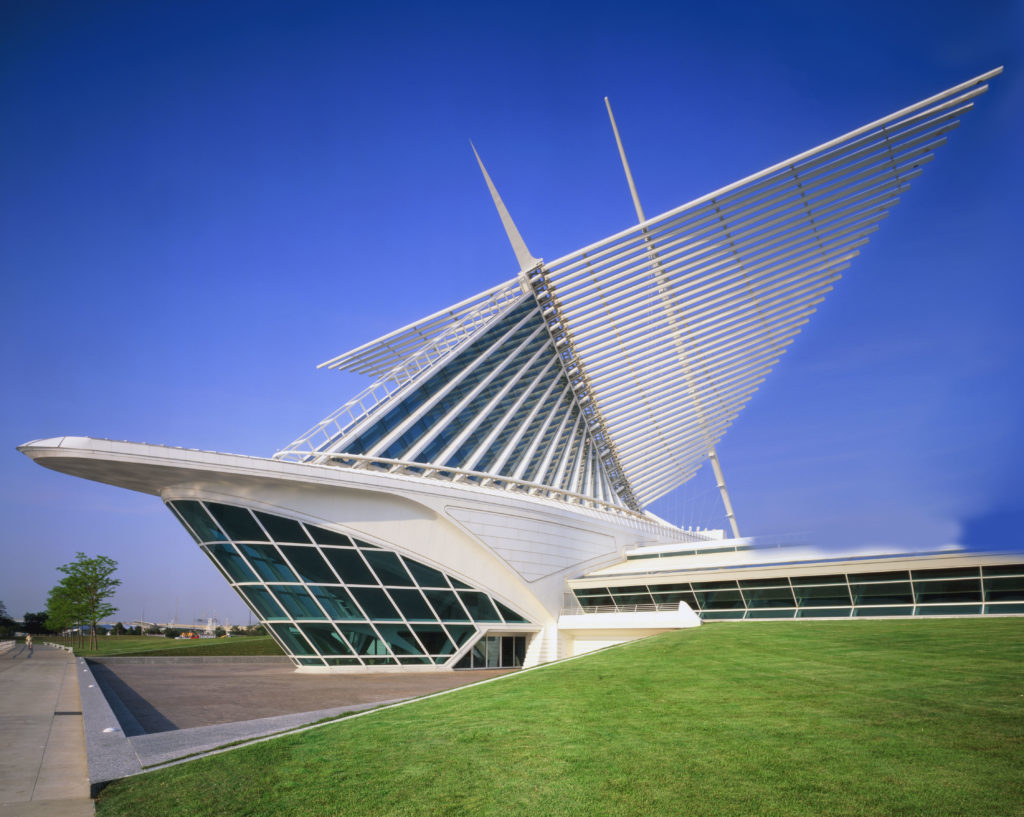
              The Milwaukee Art Museum (MAM) is a centerpiece of the city’s cultural landscape.

              • Quadracci Pavilion: Designed by Santiago Calatrava, this stunning addition, with its iconic wing-like structure, has become a symbol of Milwaukee.
              • Expansive Collections: The museum houses over 25,000 works of art, including American, European, modern, and contemporary pieces.

              The Milwaukee Art Museum’s unique architecture and extensive collections have significantly boosted tourism, drawing art enthusiasts and architecture admirers.


              Harley-Davidson Museum: Celebrating a Legendary Brand

              Milwaukee is home to the Harley-Davidson Museum, a must-visit for motorcycle enthusiasts.

              • Extensive Exhibits: The museum showcases the history and heritage of Harley-Davidson, with over 450 motorcycles and artifacts.
              • Interactive Displays: Visitors can engage with interactive exhibits and learn about the engineering and cultural impact of Harley-Davidson.

              The Harley-Davidson Museum has become a significant tourist attraction, celebrating Milwaukee’s industrial heritage and drawing visitors worldwide.


              Milwaukee Public Museum: A Journey Through Time

              The Milwaukee Public Museum (MPM) offers an immersive experience of natural and human history.

              • Dynamic Exhibits: Featuring diverse exhibits, from ancient civilizations to dioramas of local wildlife.
              • Haymarket Plaza: A newly developed public space that enhances the museum experience with outdoor exhibits and events.

              MPM’s engaging exhibits and interactive experiences have enhanced its appeal, attracting families, educators, and tourists interested in history and science.


              The Pabst Theater: A Historic Venue for Performing Arts

              The Pabst Theater, a historic gem in downtown Milwaukee, is a key player in the city’s performing arts scene.

              • Rich History: Built in 1895, it is one of the oldest continually operating theaters in the United States.
              • Diverse Programming: Hosts various performances, from concerts and plays to comedy shows and lectures.

              The Pabst Theater’s blend of historical charm and modern entertainment has made it a cultural cornerstone, boosting local tourism and providing a platform for diverse artistic expressions.


              Discovery World: Science and Technology for All Ages

              Discovery World is a premier science and technology center on Milwaukee’s lakefront.

              • Innovative Exhibits: Focuses on science, technology, freshwater resources, and maritime history.
              • Educational Programs: Offers hands-on learning experiences for children and adults, fostering a love for science and innovation.

              Discovery World’s interactive and educational exhibits have made it a popular destination for families and school groups, promoting STEM education and boosting tourism.


              The Marcus Performing Arts Center: A Cultural Hub

              The Marcus Performing Arts Center (MPAC) is Milwaukee’s premier venue for performing arts.

              • Broadway Shows: Hosts touring Broadway productions, enriching the city’s cultural offerings.
              • Local Performances: Home to the Milwaukee Ballet, Milwaukee Symphony Orchestra, and other local arts organizations.

              MPAC’s diverse programming and support for local arts have strengthened Milwaukee’s cultural scene, attracting audiences and supporting local talent.


              Conclusion: Milwaukee’s Cultural Renaissance

              Milwaukee’s strategic investments in cultural infrastructure have transformed it into a vibrant cultural destination. The city’s rich museums, theaters, and interactive experiences offer something for every culture vulture. These investments have enhanced the city’s cultural landscape, driven significant economic growth, increased tourism, and fostered a thriving local arts community. Milwaukee stands out as an exciting and dynamic destination for culture enthusiasts seeking a blend of history, art, and innovation.

            • Gems of Cultural Tourism: Investments in International Cities Yield Remarkable Results

              Gems of Cultural Tourism: Investments in International Cities Yield Remarkable Results

              Regarding cultural tourism, some cities have made remarkable strides in the past 30 years, transforming their landscapes through significant investments in museums, galleries, libraries, and historic sites. These cities, often overshadowed by global metropolises, have successfully attracted cultural tourists and revitalized their local economies.

              Bilbao, Spain: A Cultural Renaissance

              Once an industrial city, Bilbao has reinvented itself as a cultural destination. The Guggenheim Museum, opened in 1997, catalyzed this transformation. Continued investments in cultural infrastructure, including enhancements around the museum, have made Bilbao a vibrant cultural hub. The city’s success is evident in the surge of tourists, who have boosted local businesses and positioned Bilbao as a must-visit European destination.

              Valletta, Malta: A Historic Jewel

              Valletta’s cultural investments have paid off spectacularly. The opening of MUŻA (Museum of Fine Arts) in 2018 and the renovation of historic sites like Fort St. Elmo have enriched the city’s cultural offerings. As a result, Valletta has seen a significant increase in cultural tourism, leading to a thriving local economy and heightened global recognition of Malta’s rich heritage.

              Matera, Italy: From Caves to Culture

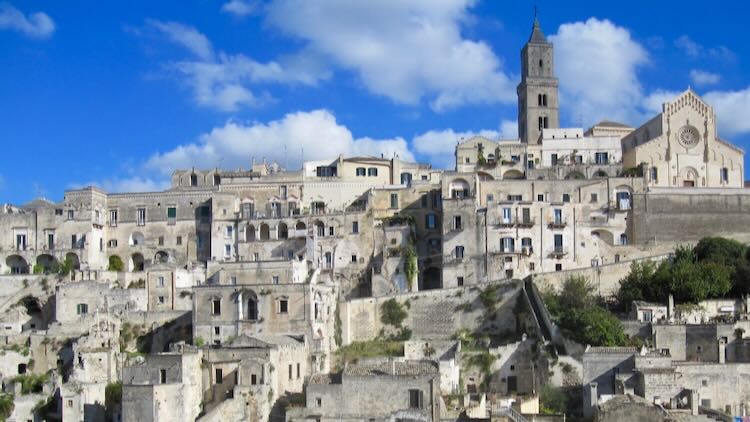
              Matera, known for its ancient cave dwellings (Sassi di Matera), was named the European Capital of Culture in 2019. Substantial investments in cultural infrastructure have transformed Matera into a vibrant cultural destination. This transformation has attracted international tourists, fostering economic growth and elevating Matera’s profile on the global stage.

              Ghent, Belgium: A Blend of History and Modernity

              Ghent has seamlessly blended its medieval architecture with modern cultural investments. The SMAK (Stedelijk Museum voor Actuele Kunst) and the renovated Museum of Fine Arts have become major attractions. These efforts have increased tourism and enhanced Ghent’s reputation as a dynamic cultural city.

              Ljubljana, Slovenia: A Cultural Capital

              Ljubljana has focused on modernizing its cultural infrastructure, including the City Museum of Ljubljana and the renovated Ljubljana Castle. These investments have turned Ljubljana into a cultural hotspot, drawing tourists and boosting the local economy. The city’s blend of historic charm and contemporary culture has made it a favorite among cultural travelers.

              Aarhus, Denmark: A Modern Art Mecca

              Thanks to investments in the ARoS Aarhus Art Museum and Moesgaard Museum, Aarhus has emerged as a cultural powerhouse. These attractions have elevated Aarhus’s status in the cultural tourism sector, attracting art and history enthusiasts worldwide and significantly contributing to the city’s economic vitality.

              Wroclaw, Poland: European Capital of Culture

              Wroclaw’s designation as the European Capital of Culture in 2016 spurred substantial cultural investments, including the National Forum of Music. These efforts have revitalized Wroclaw’s cultural scene, drawing international visitors and boosting the local economy. The city’s cultural renaissance continues to attract attention globally.

              Kaunas, Lithuania: A Cultural Awakening

              As the European Capital of Culture for 2022, Kaunas has invested heavily in its cultural infrastructure. New galleries, public art projects, and renovations have transformed Kaunas into a vibrant cultural destination. These investments have increased tourism, stimulated local businesses, and enhanced Kaunas’s cultural reputation.

              Plovdiv, Bulgaria: A Cultural Revival

              Plovdiv, another European Capital of Culture in 2019, has seen extensive renovations of its cultural and historic sites. Investments in places like the Ancient Theatre of Philippopolis have attracted tourists, fostering economic growth and revitalizing the city’s cultural heritage.

              Valencia, Spain: A Modern Cultural Haven

              Valencia’s ongoing investments in the City of Arts and Sciences and the Institut Valencià d’Art Modern (IVAM) have solidified its status as a cultural tourism destination. These attractions have drawn visitors worldwide, contributing to the city’s economic growth and enhancing its cultural landscape.

              Conclusion: The Power of Cultural Investments

              The strategic investments made by these lesser-known cities have not only enriched their cultural offerings but also driven significant economic and social outcomes. Increased tourism, economic growth, and enhanced global recognition are positive results. These cities serve as inspiring examples of how cultural infrastructure can transform local communities and attract the world’s attention. Whether you’re a cultural enthusiast or a casual traveler, these destinations promise a rich and rewarding experience.