Category: Culture

  • The Future Museum Experience: A Seamless Blend of Physical and Digital Engagement

    The Future Museum Experience: A Seamless Blend of Physical and Digital Engagement

    The future of museum visits promises to be an exciting blend of physical presence and digital engagement, creating a seamless, personalized, and immersive journey for every visitor. From discovery and planning to post-visit interaction, here’s how the ideal user experience unfolds for the museum-goer of tomorrow.

    Pre-Visit: Discovery and Planning

    The journey begins long before setting foot in the museum. Potential visitors discover upcoming exhibits and events through engaging social media campaigns on platforms like Instagram, Facebook, and TikTok. The museum’s visually appealing website and mobile app offer an intuitive interface where users can explore detailed previews of exhibits via virtual tours and augmented reality (AR) experiences.

    Creating an account unlocks personalized recommendations based on the user’s interests and previous visits, ensuring a tailor-made experience. Ticket purchasing is streamlined, with options for timed entries to manage crowd flow and digital tickets sent directly to the user’s device. Interactive content such as polls, quizzes, and countdowns on social media keeps potential visitors engaged and excited about their visit.

    Arrival: Seamless Entry

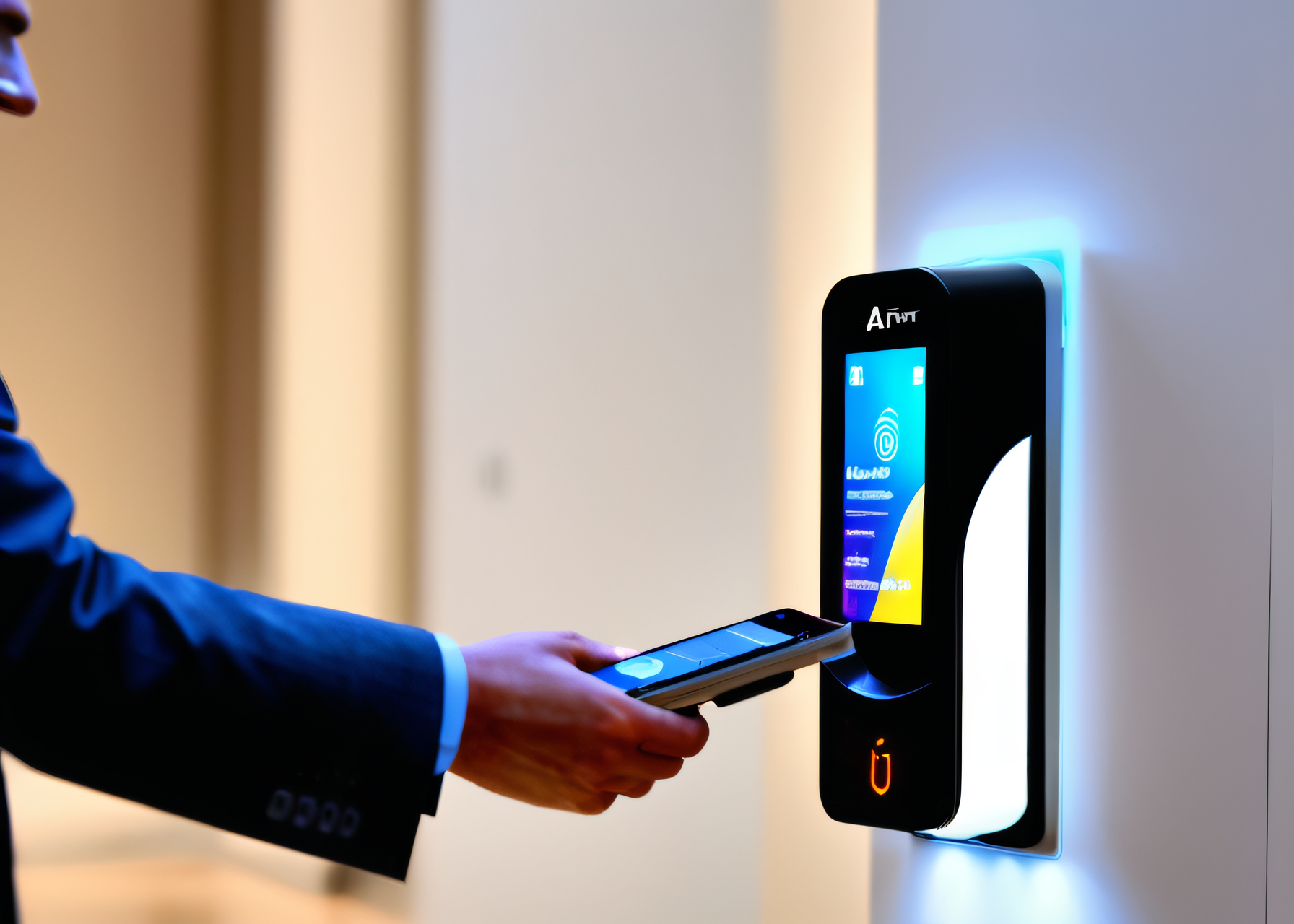
    On the day of the visit, seamless entry is facilitated by digital tickets or membership cards that allow quick, contactless check-in via QR codes or NFC technology. Welcome kiosks provide a brief orientation, current events, and exhibit highlights, ensuring visitors are well-informed and ready to explore.

    Social media engagement begins as soon as visitors arrive, with encouragement to share their check-in on social platforms using location tags and museum-branded hashtags. Custom AR filters enhance these posts, allowing visitors to create unique and shareable content.

    During the Visit: Exploration and Engagement

    Once inside, cutting-edge technology elevates the museum experience. An interactive map on the museum’s app provides real-time navigation, guiding visitors to their points of interest. AR technology allows users to scan exhibits for immersive experiences, offering in-depth information, 3D models, and historical context.

    Personalized self-guided tours cater to individual preferences and time constraints, ensuring a bespoke journey through the museum. Touchscreens and holographic displays bring exhibits to life with interactive elements, while virtual reality (VR) installations offer immersive experiences, such as historical reenactments or interactive art pieces.

    Social media remains integral, with the museum posting live updates and stories highlighting special events, live performances, or surprise guest appearances. Visitors can participate in social media challenges or scavenger hunts, exploring exhibits and sharing their progress online. Designated photo spots with unique backdrops encourage visitors to take and share photos, enhancing the communal experience through shared hashtags.

    Post-Visit: Continued Engagement

    The experience doesn’t end when visitors leave the museum. The app sends personalized follow-up content, such as articles, videos, and notifications about upcoming exhibits, ensuring ongoing engagement. Visitors are prompted to share their favorite moments and discoveries on social media, tagging the museum and using official hashtags, which the museum can then share on its channels to foster a sense of community.

    Feedback and reviews collected via social media help the museum continually improve future experiences. Visitors can access an online library of educational resources, including videos, articles, and virtual lectures, allowing them to continue learning. Opportunities for collaborative projects, such as community-curated exhibits or digital archives, provide further avenues for engagement.

    Building a Connected Community

    Social media engagement is pivotal in building a connected community around the museum. Consistent use of unique hashtags for different exhibits or events allows the museum to track engagement and foster a sense of belonging among visitors. Partnerships with influencers and local content creators broaden the museum’s reach and attract new audiences.

    Through social media stories and live streams, interactive storytelling offers behind-the-scenes looks at exhibit setups, interviews with curators, and other exclusive content. Informative posts share educational insights related to exhibits, keeping the audience informed and engaged. Virtual events like live Q&A sessions, virtual tours, and workshops on social media platforms enable remote audiences to participate and engage.

    Embracing Technology and Sustainability

    AI and data analytics play a crucial role in optimizing the museum experience. By analyzing visitor behavior, the museum can enhance exhibit layouts and personalize future visits. AI-driven tools also provide real-time translation, sign language interpretation, and other accessibility features, ensuring inclusivity for all visitors.

    Sustainability is also a key consideration. Digital tickets and information reduce paper usage, while energy-efficient technologies and eco-friendly materials promote sustainable practices. Information on the museum’s sustainability efforts and ways visitors can contribute enhances environmental awareness.

    Conclusion

    The future museum experience is characterized by a seamless integration of physical and digital interactions, personalized content, and continuous engagement. By leveraging advanced technologies and social media, museums can create unique, educational, and memorable experiences for every visitor, fostering a connected and engaged community.
  • The 2025 GLAM Project: A Vision for the Future of Galleries, Libraries, Archives, and Museums

    The 2025 GLAM Project: A Vision for the Future of Galleries, Libraries, Archives, and Museums

    As we look to the future, the “2025 Project” envisions a transformative era for cultural institutions such as galleries, libraries, archives, and museums (GLAM). This initiative outlines a strategic roadmap designed to embrace digital innovation, promote inclusivity, and ensure the sustainability of cultural heritage. For GLAM professionals, understanding and preparing for these changes is crucial. Here’s what you need to know about the 2025 Project and its impact on your work.

    Digital Transformation in GLAM Institutions

    The 2025 Project emphasizes the integration of digital technologies to enhance user experiences and operational efficiency. By 2025, expect a significant shift towards:

    • Virtual Reality (VR) and Augmented Reality (AR): These technologies will offer immersive experiences, allowing visitors to explore exhibits in entirely new ways. For instance, VR could recreate historical events or lost artifacts, providing a deeper understanding of our heritage.
    • Digitization of Collections: Accelerated digitization efforts will make collections more accessible globally. This will preserve fragile items and increase public engagement through online platforms.

    Promoting Cultural Diversity and Inclusion

    A core component of the 2025 Project is fostering cultural diversity and inclusion. GLAM institutions will play a pivotal role by:

    • Amplifying Underrepresented Voices: Curating exhibits and collections highlighting marginalized communities and their contributions to society.
    • Inclusive Programming: Developing programs and events that are accessible to all, including those with disabilities and non-English speakers.

    Sustainability in Cultural Practices

    Environmental sustainability is a pressing concern for the future. The 2025 Project encourages GLAM institutions to adopt eco-friendly practices such as:

    • Green Exhibits: Utilizing sustainable materials and energy-efficient technologies in exhibit design.
    • Climate-Resilient Preservation: Implementing strategies to protect collections from climate change impacts, such as temperature and humidity fluctuations.

    Innovation in Arts and Media

    The intersection of technology and creativity will give rise to innovative forms of art and media. By 2025, GLAM professionals can anticipate:

    • AI and Machine Learning: These technologies will aid in curating and interpreting collections, offering new insights and connections between items.
    • Interactive Experiences: Enhanced visitor engagement through interactive displays and installations that respond to user input.

    Global Cultural Convergence and Localization

    Globalization will continue to influence cultural trends, leading to a blend of global and local cultures. GLAM institutions will need to balance:

    • Cultural Exchange: Facilitating international collaborations and exchanges to enrich cultural understanding.
    • Local Identity: Preserving and promoting local traditions and histories globally.

    Education and Cultural Literacy

    Educating the public about cultural heritage will remain a cornerstone of GLAM institutions. The 2025 Project supports:

    • Technology-Enhanced Learning: Utilizing digital tools to make cultural education more engaging and accessible.
    • Cross-Cultural Programs: Offering programs that encourage understanding and appreciation of diverse cultures.

    Impact of Technology on Human Interaction

    As technology reshapes how we interact, GLAM institutions must navigate:

    • Digital Communication: Balancing online and offline engagement to maintain meaningful human connections.
    • Ethical Considerations: Addressing the moral implications of technology use, such as data privacy and digital equity.

    Cultural Policy and Governance

    Finally, effective policies and governance will be essential to support the goals of the 2025 Project. This includes:

    • Public-Private Partnerships: Collaborating with various stakeholders to fund and promote cultural initiatives.
    • International Cooperation: Working with global entities to tackle challenges like digital piracy and cultural preservation.

    Preparing for the Future

    For GLAM professionals, the 2025 Project presents both challenges and opportunities. By embracing digital innovation, promoting inclusivity, and committing to sustainability, you can ensure that your institution remains relevant and impactful in the years to come. Stay informed, be proactive, and engage with your peers to navigate this transformative period successfully.

    The future of culture is bright, and with the 2025 Project, galleries, libraries, archives, and museums are poised to lead the way into this exciting new era.

  • Conservative Heritage Foundation’s Project 2025: Implications for GLAM Workers

    Conservative Heritage Foundation’s Project 2025: Implications for GLAM Workers

    Project 2025, an initiative led by the Heritage Foundation, outlines a conservative agenda for potential future Republican administrations, with significant ramifications for museum and librarian professionals. The plan emphasizes stringent oversight of educational and cultural institutions, advocating for substantial changes in how these entities operate and the materials they provide. Here’s what you need to know about Project 2025 and its potential impact on your career.

    One of the most controversial aspects of Project 2025 is its approach to content deemed inappropriate, particularly materials related to sexual education, LGBTQ+ issues, and critical perspectives on race and history. The project calls for the removal of such content from schools and libraries, arguing that it contradicts conservative values.

    For librarians, this means stricter guidelines on what can be included in collections. In several states, laws have been introduced to impose severe penalties on librarians who provide access to banned books. For instance, Indiana has enacted legislation classifying the distribution of “obscene” or “harmful” materials to minors as a felony, with penalties including up to 2½ years in prison and $10,000 in fines.

    Professional Consequences

    Under Project 2025, librarians who resist these censorship efforts and continue to provide access to controversial materials could face significant professional consequences. The Heritage Foundation’s blueprint suggests that educators and librarians who distribute what they consider “pornographic” materials should be classed as registered sex offenders. This policy aims to deter the inclusion of diverse viewpoints and sensitive topics in library collections, leading to increased self-censorship among library professionals.

    Impact on Museums

    Museums are not exempt from Project 2025’s reach. The initiative advocates for a review and potential overhaul of exhibits and educational programs to ensure they align with conservative values. This could involve the removal or recontextualization of exhibits that address topics such as racial injustice, gender identity, and other progressive themes. Museum professionals might face similar legal and professional risks as librarians if they fail to comply with these new standards. The push for a more conservative interpretation of history and culture could limit museums’ ability to provide comprehensive and inclusive educational experiences.

    Navigating the Challenges

    As these policies take shape, museum and librarian workers must be aware of the changing legal landscape and potential career risks. It is crucial to stay informed about state and federal legislation affecting your profession and to seek guidance from professional organizations such as the American Library Association (ALA) and the American Alliance of Museums (AAM).

    Both organizations offer resources and support for professionals facing censorship challenges. For example, the ALA provides guidelines on handling book challenges and advocates for intellectual freedom. Staying connected with these organizations can help you navigate the complexities of the evolving regulatory environment.

    Conclusion

    Project 2025 represents a significant shift in the governance of educational and cultural institutions, with far-reaching implications for museum and librarian workers. The initiative’s focus on censorship and conservative values poses legal and professional risks, making it essential for professionals in these fields to stay informed and seek support from their respective organizations. By understanding and preparing for these changes, museum and librarian workers can better navigate the challenges ahead while continuing to provide valuable educational resources to their communities.

    For more detailed information on Project 2025 and its impact, visit the Heritage Foundation’s Project 2025 page and the American Library Association’s Office for Intellectual Freedom.


    This article incorporates Media Matters for America and The Independent information, providing a comprehensive overview of Project 2025 and its implications for museum and librarian workers.

  • The Decline of Art Schools in the U.S.: Causes and Consequences

    The Decline of Art Schools in the U.S.: Causes and Consequences

    Over the past few years, the higher education landscape in the United States has witnessed a notable trend: the closure of several art schools. Once vibrant centers of creativity and cultural development, these institutions are now facing significant challenges that threaten their survival. This article explores the reasons behind these closures and the broader implications for the education sector and the creative economy.

    Financial Instability and Declining Enrollments

    Financial instability is one of the primary reasons for the closure of art schools. Many art institutions operate on tight budgets, heavily reliant on tuition fees and donations. The COVID-19 pandemic exacerbated these financial challenges by causing a sharp decline in enrollments and increasing operational costs. For example, the College of Saint Rose, struggling financially for years, finally closed in 2023 due to insufficient funds and dwindling student numbers.

    Additionally, the rising cost of education has made it difficult for students to afford specialized art programs. As a result, many potential students opt for more financially viable career paths, leading to decreased enrollment in art schools. This decline in student numbers further strains the financial health of these institutions.

    Reduced Funding and Support

    Public funding for higher education has also been trending downward. State and federal budget cuts have forced many institutions to reduce their programs or shut down entirely. Art schools, which often depend on grants and state funding to support their unique programs, are particularly vulnerable. For example, the University of Wisconsin-Platteville Richland had to close its branch campus due to reduced state funding and shifting enrollment trends.

    Mergers and Acquisitions

    Some art schools have merged with larger institutions in an attempt to survive. These mergers can provide much-needed financial stability and access to broader resources. For instance, Compass College of Film and Media in Grand Rapids was acquired by Calvin University in 2023. While this preserved some educational opportunities, it marked the end of Compass as an independent entity.

    Implications for the Creative Economy

    The closure of art schools has far-reaching implications beyond the education sector. Art institutions play a crucial role in nurturing creativity, innovation, and cultural expression. They provide a pipeline of talent for industries such as design, entertainment, and media. With fewer specialized art schools, the creative economy may face a shortage of skilled professionals, impacting sectors that rely heavily on creative talent.

    Loss of Cultural Heritage

    Art schools are often seen as custodians of cultural heritage and artistic traditions. Their closures mean the loss of unique educational environments where students can immerse themselves in diverse forms of artistic expression. This can lead to a homogenization of cultural production, where mainstream and commercially viable art forms dominate at the expense of more experimental and diverse artistic practices.

    Conclusion

    The closure of art schools in the U.S. is a multifaceted issue rooted in financial instability, declining enrollments, and reduced funding. While mergers and acquisitions offer some respite, they also signal the end of many independent art institutions. The broader implications for the creative economy and cultural heritage are profound, highlighting the need for renewed investment and support for the arts in education.

  • Championing DEIA: A Personal Journey of Inclusivity and Advocacy

    Championing DEIA: A Personal Journey of Inclusivity and Advocacy

    In the late 1990s, I embarked on a journey as the American Alliance of Museums (AAM) diversity officer, driven by a profound belief in equitable representation and opportunities for all. My work aimed to raise visibility and create professional opportunities for young emerging professionals within the museum field. Partnering with the Smithsonian, we developed training programs to promote DEIA principles within the museum sector.

    Over the subsequent 20 years, this journey has evolved, presenting triumphs and challenges but always centered around the core values of diversity and inclusion. One significant milestone was my role as the executive director of the Historical Society of Washington, D.C., from 2014 to 2019. I spearheaded efforts to foster inclusivity in the organization’s programming, exhibits, and outreach during this time. Additionally, I created the new branding for the DC History Center. I worked with the local community to ensure their initiatives embraced diversity and represented the rich tapestry of Washington, D.C.’s history.

    However, as the DEIA movement has progressed, new challenges have emerged. Despite extensive efforts to advance inclusivity, I still read about how advocates for DEIA are facing obstacles in securing employment opportunities. Does this reflect a broader shift in hiring practices, where organizations prioritize visible markers of diversity over other forms of expertise and experience?

    This underscores the complexity of the journey toward inclusivity and prompts reflection on the unintended consequences of shifting priorities. While visible representation is important, true diversity encompasses a broad spectrum of experiences, perspectives, and voices. As advocates, it is essential to continue advocating for a more inclusive environment that celebrates diversity in all its forms.

    My journey in championing DEIA has been marked by personal and professional growth. While the challenges may be daunting at times, our progress is undeniable. No matter how small, each step forward contributes to a more just and inclusive society. As I continue this journey, I am reminded of the countless individuals whose lives have been positively impacted by our collective efforts. Their stories, struggles, and triumphs serve as a beacon of hope, guiding us toward a future where diversity, equity, inclusion, and accessibility are not just aspirations but lived realities for all.

  • Museum Social Media Heroes

    Museum Social Media Heroes

    Introduction

    Since COVID-19, museum social media managers have been heroes for their institutions. During the shutdowns, social media managers sustained museum operations virtually and changed how they prioritize digital content. The focus on social media during COVID-19 provided a new understanding of the “digital experience.” In many cases, this period established new relationships with audiences worldwide.

    COVID-19 and the Shift to Digital

    Social media management for US museums and libraries is a critical component of their communication strategy, never more than during the past few years of COVID-19 and sociopolitical unrest throughout the country. They relied heavily on meeting platforms to host virtual meetings, events, and programs. They scrambled to create videos inside exhibit spaces, produce new online exhibits, and expanded social media to promote and market their programs.

    As with the American Alliance of Museums article, I outlined in my previous blog, as COVID-19 forced museum closures, museums sharpened their focus on digital experiences. Accordingly, more resources shifted in the direction of digital, increasing reliance on the social media staff.

    Pandemic First Responder and Virtual Social Worker = Museum Social Media Hero

    Museums depended upon their social media channels as never before. These staff members became the only front-line workers for cultural institutions during closures. They were the first responders for their institutions. As riots erupted after the deaths of George Floyd, Breonna Taylor, and Ahmaud Arbery, museum social media heroes adapted messaging to fit the needs of their communities and, in some cases, bear the brunt of bad press about their institutions. In early 2019, AAM re-published an article from 2016 to help museums respond when caught in the crosshairs of socio-political debate.

    As a member of the Facebook group “Museum Social Media Managers,” I observed from the sidelines as the social media managers became first responders during the COVID shutdowns. Thanks to my participation in the group, I experienced how overwhelmed many felt working in this new paradigm. Their work became even more complicated as social unrest bubbled to the surface and the messaging from these leaders became even more critical to museum leaders. They were thrust into the role of “hero” for their institutions.

    Post COVID-19 Digital Era in Museums

    Looking back over the past three years, I wondered what museum leaders learned, if anything, during the pandemic. I also began to consult with technology platforms like Smartify, Verbit, and 3Play Media. I began to do some internet research to see how they did.

    My research found many articles and blog posts about how museums pivoted to digital. Most wrote success stories about adapting to the new reality of virtual engagement. Plenty of blog posts document some of the best responses to the pandemic closures from other writers about the cultural sector.

    But an interesting blog popped up when I searched from the end user’s perspective more broadly, not specific to museums.

    The Cowboy Museum, not surprisingly, is included in this blogger’s list of top 5 blogs during COVID. I wasn’t surprised because the same museum came up many times in blogs about how to use social media in new ways.

    Art Museums and the Digital Visitor

    For this study, the following art museums will be examined: Guggenheim Museum (NYC), The Metropolitan Museum of Art (NYC), Musée du Louvre (Paris), Museo del Prado (Madrid), Museum of Modern Art (NYC), Norton Museum (West Palm Beach, FL), Peréz Art Museum Miami, and the Tate (London).

    My process will examine the digital footprint of various cultural institutions from websites, mobile access points, and social media outlets. I will explore the branding continuity, social media links, and the corresponding pages. Finally, I will question access to resources and the prioritization of digital content. How do museums value the work of their social media managers as operations return to normal? Are museums now producing more digital content? Where is that digital content? And finally, is the content accessible to all?

    Websites and Social Media Links

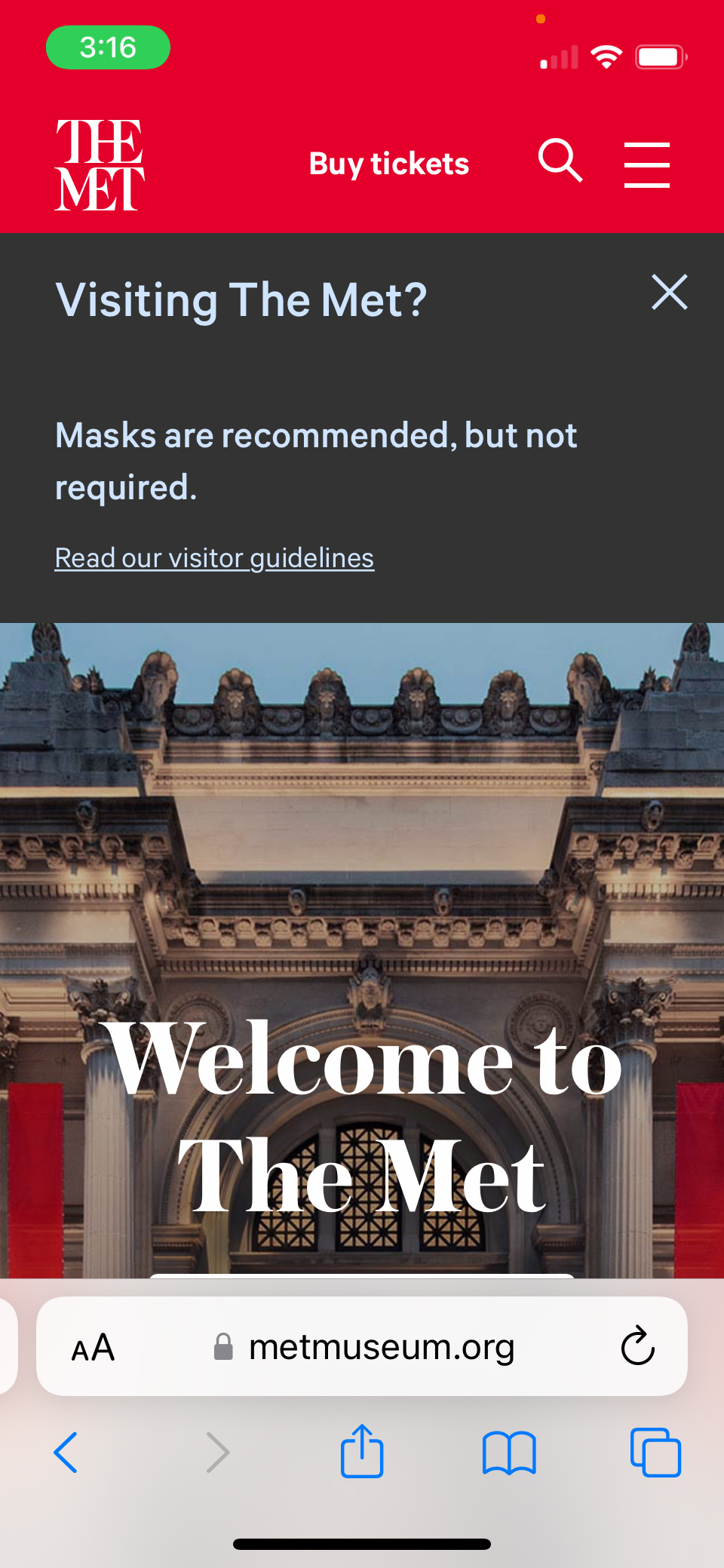
    When I looked at the websites of some of the most prominent museums to see how their websites promoted their social media channels, I noticed the social media links were always at the bottom of the page. I couldn’t understand why museums placed these important engagement links at the bottom of the page. Unusual because most digital visitors are on some form of social media, and chances are they’d connect on their favorite platform for updates.

    To view the full gallery with observations, click on the grey background of any image.

    When I researched the best practices for designing a website and where social media icons should be on any website, I learned that most blogs suggest that the icons/links should be at both the top and the bottom of a website, allowing the visitor to connect on social media immediately, rather than having to scroll the page to find the links to social outlets.

    If museeum social media managers are heroes and serve as first responders to the digital visitor, why do institutions bury the links to these important content creators? The museum social media manager is an unsung hero in the post-COVID-19 paradigm. Still.

    Social Media Channels

    This study examines the Facebook, Instagram, Twitter, and YouTube channels for the same group of art museums. Most present consistent branding across all the platforms where users can find their content. The social media pages don’t always reestablish the brand. For the most part, the branding of each social media outlet looks like the other in terms of branding.

    To view the full gallery with observations, click on the grey background of any image.

    I thought by looking at the likes, followers, and subscribers to the four platforms, one could see which ones were more successful. I’ve included some estimates of annual income to help understand resources available to each institution.

    From the data below, Twitter seems to be the most effective platform regarding the number of followers for the Guggenheim, the Met, the Prado, the Norton, and the Tate. However, the Louvre, MoMA, and PAMM all fare better on Instagram.

    MuseumFacebook LikesInstagram FollowersTwitter FollowersYouTube SubscribersAnnual Revenue
    Guggenheim834K2.6m3.4m42.1K$78.8m
    Metropolitan2m4.2m4.3m334K$1.5B
    Louvre2.6m4.9m1.5m98.3K€244m
    Prado1.1m1m1.3m151K€35m
    MoMA2.1m5.6m5.3m480K$523m
    *Norton22K25K29.7K1.6K$27m
    PAMM84K125K33.7K3.1K$16m
    Tate1.2m4.1m4.7m323K€94m
    *Cowboy Museum106K78.3K270K10K$27m
    *Compare the Norton and the Cowboy museums.

    I added the same data for the National Cowboy & Western Heritage Museum to see how it stacked up with similar-sized organizations. What do they do to garner over 200,000 Twitter followers?

    How did the Cowboy Museum’s social media numbers surpass the Norton Museum of Art’s numbers by nearly tenfold?


    Spotlight: The National Cowboy & Western Heritage Museum

    So what did the Cowboy Museum do with its Twitter account during the pandemic? The marketing team took the opportunity to empower the charismatic Tim Tiller, the museum’s head of security, to take over the Twitter account during closures.

    This creative response caught on fire across Twitter, creating a media frenzy about his friendly and refreshing posts. Here is a museum that learned how to use social media during the pandemic to go beyond sustaining audiences. The Cowboy Museum used its resources, including the security team, to grow beyond its existing audiences.

    Website

    I examined their post-COVID digital footprint and made a tiny discovery. Unlike the art museum websites I examined, the Cowboy Museum has social media links at the top and bottom of the homepage. In addition, when the digital visitor scrolls on a computer browser, all four social media icons become colorful and float down the right side of the webpage. Eureka!

    powered by Advanced iFrame

    If you are viewing this website on a mobile device, the floating icons feature is disabled.

    And they are now honoring the social media staff by promoting them as much as possible. The floating icons encourage the digital visitor to engage via social media – a small detail but an important component of understanding the digital experience during COVID, and extending the lesson into their future.

    Social Media


    CONCLUSION

    Museum social media managers are heroes.

    As museums return to “normal” operations with post-pandemic reopened spaces, digital remains a more critical part of operations. Most will continue to offer live, remote, and hybrid events as a result of learning how the closures of their physical spaces.

    Museums and libraries are now actively engaged in creating born-digital content usually placed on their social media outlets. However, their websites aren’t only connected one way. So if I visit your website, I can find your social media page.

    Digital Experiences Beyond COVID

    Social media allows you to target new audiences and develop them into potential donors or museum members. Why not have the experience beginning digitally and include your social media outlets at the top? Make them something that is very useful and helps you to build your audience.

    Another benefit of connecting social media outlets to your website is creating an entirely new audience. Allowing the visitor to encounter the most recent content from your home page is a great idea. It will keep visitors apprised of what is coming and what is happening in the museum currently.

    It would be great to create a website that is interactive with your social media content so that when a new video is posted on YouTube, it also appears on your web page. But on the website, there is no direct content from social media outlets. There’s a disconnect.