In the digital age, the preservation, digitization, and accessibility of cultural heritage have become imperative to safeguard our collective history for future generations. Universities are at the forefront of this preservation effort, engaging in partnerships with galleries, libraries, archives, and museums (GLAMs) to empower students to conserve and promote cultural artifacts.
Through collaborative projects and hands-on experiences, students gain valuable digital heritage preservation skills, ensuring the enduring legacy of our cultural treasures. This article explores ten impactful examples of how universities work hand-in-hand with GLAM institutions to strengthen cultural heritage preservation.
University of Victoria
Digital Planning for the Cultural Sector Micro-Certificate
The Digital Planning for the Cultural Sector micro-credential program looks at ways technology is being used in the cultural sector and gives you the in-de
The Cultural Informatics Program at the University of Victoria collaborates with GLAMs to provide students with research and project opportunities in digital heritage preservation. Through hands-on experience, students contribute to digitizing cultural materials, ensuring their long-term accessibility and conservation.
University of Birmingham
Cultural Heritage MA by Research/PhD (On-Campus or by Distance Learning)
Course information for prospective postgraduate students on our PhD Cultural Heritage doctoral research degree programme at the University of Birmingham
In partnership with the British Library, the Cultural Heritage and Curation program engages students in digitization projects to safeguard rare materials. Students gain practical experience preserving cultural artifacts and expanding public access to historical resources.
University of Illinois Urbana-Champaign
Cultural Informatics and Heritage
Understanding the role of information technology in preserving, transmitting, and shaping human culture and heritage
The School of Information Sciences at the University of Illinois Urbana-Champaign works with the Illinois State Library and GLAM institutions to offer students real-world exposure to digital curation and preservation projects. Students are crucial in digitizing cultural heritage materials, contributing to their enduring legacy.
University of Oslo
Home – Department of Archaeology, Conservation and History
Read this story on the University of Oslo’s website.
The University of Oslo’s Department of Archaeology, Conservation, and History collaborates with museums and archives and involves students in digitization initiatives to document and uphold Norway’s rich cultural heritage. Students gain insights into preservation and the importance of digital access to historical artifacts.
University College London
__
UCLDH is composed of a management team, a team of staff from across the College, an Industry Advisory Panel, as well as visiting and affiliated contributors.
The Centre for Digital Humanities at University College London partners with renowned cultural institutions such as the British Museum and the National Gallery. Students work on digitization projects to preserve valuable cultural artifacts, develop skills in digital curation, and contribute to disseminating cultural heritage.
University of Malta
Study-Unit Description – Courses – L-Università ta’ Malta
Study-Unit Description
The University of Malta collaborates with local museums and archives through the Digital Heritage program to digitize historical artifacts. Students actively participate in preserving Malta’s cultural heritage by digitizing and making these artifacts accessible online, ensuring their preservation for future generations.
University of California, Los Angeles
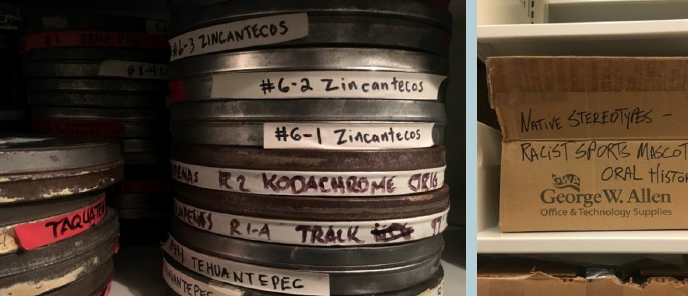
UCLA IS Media Preservation Lab Restores Community-Based Collections
Professor Shawn VanCour leads state-of-the-art lab where students gain hands-on training and participate in projects to preserve community media histories.
The University of California, Los Angeles’s Department of Information Studies, offers digital preservation and curation courses. Collaborating with GLAM institutions, students engage in digitization projects, gaining hands-on experience in preserving and providing access to cultural heritage materials.
University of Toronto
The overall objective of this project is to develop a data model, to select and model a small-scale sample of data drawn from the Archives of Ontario’s datasets, and to thereby test the possibilities and potential benefits for internal staff and public end-users.
The iSchool at the University of Toronto partners with GLAM institutions for research and collaboration on digitization initiatives. Students work on projects to digitize cultural artifacts, acquire skills in digital preservation, and contribute to advancing digital heritage practices.
University of Amsterdam
Duale master Preservation and Presentation of the Moving Image (Media Studies)
Become critically engaged with current practices of collecting and selecting, preserving and restoring, making accessible, presenting and curating moving images and sound.
The Department of Media Studies at the University of Amsterdam offers a master’s program in Preservation and Presentation of the Moving Image. Collaborating with GLAM institutions, students engage in digitization projects related to audiovisual materials, gaining expertise in digital heritage preservation and contributing to the conservation of moving image heritage.
Conclusion
These diverse collaborations between universities and GLAMs highlight students’ invaluable role in preserving, digitizing, and disseminating cultural heritage. By partnering with GLAM institutions, universities empower students to acquire practical skills, carry out meaningful digitization projects, and contribute to the ongoing efforts to safeguard our shared cultural legacy for current and future generations.
Digitizing collections for Galleries, Libraries, Archives, and Museums (GLAMs) is essential for preserving valuable items and making them accessible to a broader audience. Leveraging AI tools can significantly enhance digitization, improving efficiency, accuracy, and overall quality. Here’s a detailed guide on five easy and affordable steps to digitizing collections, including how AI tools can assist at each stage.
Prioritize and Plan Your Digitization Project
Assessment
Begin by assessing your collection to identify the most valuable, frequently accessed or at-risk items. This step ensures that you focus on the most critical items first, maximizing the impact of your digitization efforts.
Planning
Create a comprehensive digitization plan. This should include:
Goals: Define what you want to achieve with your digitization project.
Resources: Identify the equipment, software, and personnel needed.
Timeline: Set realistic deadlines for each phase of the project.
Budget: Outline your budget and explore funding opportunities if necessary.
Invest in Affordable Equipment and AI Tools
Scanners and Cameras
For documents and flat items, invest in reliable yet affordable scanners. Popular options include flatbed scanners and sheet-fed scanners for bulk processing. For 3D objects, use a high-resolution digital camera or a smartphone with a quality camera.
DIY Solutions
Consider creating DIY setups for specific tasks. For instance, a book cradle can be constructed using inexpensive materials, allowing you to photograph books efficiently without damaging them.
AI Tools for Equipment Enhancement
Optical Character Recognition (OCR): Use AI-powered OCR tools like Adobe Acrobat Pro DC, ABBYY FineReader, or Google Cloud Vision OCR to convert scanned text documents into machine-readable text.
Image Enhancement and Restoration: Leverage AI tools such as VanceAI, Remini, and MyHeritage Photo Enhancer to improve the quality of digital images and restore old or damaged photographs.
Establish a Simple and Effective Workflow with AI Assistance
Standardize Processes
Develop standard operating procedures (SOPs) for handling, scanning, and storing digital files. Consistency in these processes ensures high-quality results and protects your physical items from damage.
Batch Processing
Digitize items in batches to streamline the workflow. This method increases efficiency and helps manage time effectively, making the digitization process less daunting.
AI Tools for Workflow Management
Automated Metadata Generation: Use AI to generate and tag digital asset metadata automatically. Tools like Clarifai, Google Cloud Vision API, and TagSpaces can assist in organizing and retrieving information.
Natural Language Processing (NLP): Utilize NLP tools such as spaCy, IBM Watson Natural Language Understanding, and Amazon Comprehend to analyze and extract information from large text corpora.
Utilize Free or Low-Cost Software Solutions Enhanced by AI
Scanning Software
Use free or open-source scanning software like NAPS2 (Not Another PDF Scanner 2) or SimpleScan. These tools offer robust features without the cost, making them ideal for budget-conscious projects.
Image Editing Tools
For editing and enhancing digital images, leverage free tools such as GIMP (GNU Image Manipulation Program) or Paint.net. These programs provide powerful editing capabilities similar to expensive software.
AI-Powered Tools
Automated Transcription Services: Use AI-driven transcription tools like Otter.ai, Trint, and Rev.ai to convert audio and video content into text.
Machine Learning for Pattern Recognition: AI tools such as TensorFlow, PyTorch, and IBM Watson Visual Recognition can analyze and identify patterns within digital collections.
Implement Secure Storage and Backup Solutions with AI Support
Digital Storage
Choose reliable digital storage solutions such as external hard drives or cloud services like Google Drive, OneDrive, or Dropbox. Ensure that your storage solution offers sufficient space and is easy to access.
Backup Systems
Implement a robust backup system to protect against data loss. Regularly back up your digital files to multiple locations, including an offsite or cloud-based backup.
File Organization
Organize your digital files using clear and consistent naming conventions and folder structures. This approach facilitates easy retrieval and management, saving time and reducing frustration.
AI Tools for Storage and Quality Control
Content Moderation and Quality Control: Use AI tools like Microsoft Azure Content Moderator and Amazon Rekognition to automatically check the quality of digitized content and flag any issues.
Automated Translation Services: For multilingual collections, AI-powered translation tools like Google Translate, DeepL, and Microsoft Translator can help translate text into various languages.
Conclusion
By following these five easy and affordable steps, GLAM institutions can efficiently digitize their collections, ensuring the preservation of valuable items and enhancing accessibility. Prioritizing and planning, investing in affordable equipment and AI tools, establishing a streamlined workflow, utilizing free and AI-enhanced software, and implementing secure storage and backup systems are all critical components of a successful digitization project. Start today to safeguard your collection’s future and make it accessible to a broader audience.
The GLAM sector—encompassing galleries, libraries, archives, and museums—stands at the forefront of preserving and promoting cultural heritage. As technology advances, augmented reality in museums and other GLAM institutions has emerged as a powerful tool that can revolutionize how these institutions engage with their audiences. This article explores how AR is reshaping the GLAM industry, enhancing visitor experiences, and offering new opportunities for education and engagement.
“The Temple of Invention Augmented Reality Experience” Debuts at the Smithsonian American Art Museum April 18 | Smithsonian Institution
History comes alive in a new augmented reality (AR) experience at the Smithsonian American Art Museum. Before it was an art museum, the historical building housed the patent office for the United States, where ingenuity was celebrated and knowledge shared through the display of thousands of patent models. Known as a “temple of invention,” it was a place for ideas and exploration, creativity and change.
Enhancing Visitor Experiences
Immersive Exhibitions
One of the most significant impacts of AR in galleries and museums is the creation of immersive exhibitions. By overlaying digital information onto physical objects, AR allows visitors to experience art and artifacts in new and interactive ways. For instance, visitors can use AR apps on their smartphones or tablets to see historical events reenacted around them or view 3D models of objects too fragile to be displayed.
Skin & Bones promotional video
Skin & Bones brings animal skeletons to life through 3D imagery in the Bone Hall at the Smithsonian’s National Museum of Natural History. Download on the App…
Interactive Storytelling
AR technology in the GLAM sector enables interactive storytelling to bring exhibits to life. In a museum, an AR app might animate a historical painting, allowing visitors to witness scenes from the past. Libraries can use AR to create virtual tours, guiding users through different sections with engaging narratives and visual aids. This storytelling approach enhances learning and makes visits more memorable and engaging.
Virtual Veronese | Past exhibitions | National Gallery, London
Experience Veronese’s painting, ‘The Consecration of Saint Nicholas’, as it would have been seen in 1562
Expanding Educational Opportunities
Augmented Learning
AR for archives and other GLAM institutions offers unique opportunities for educational programs. Through AR, learners can interact with 3D models of artifacts, manuscripts, and historical sites, providing a hands-on learning experience. This is particularly beneficial for educational workshops and school programs, where students can engage with history and art dynamically and interactively.
Welcome to Great Wharton – The National Archives
Discover stories of life in Britain during the First World War by exploring Great Wharton.
Remote Access
AR for remote access to collections makes cultural heritage accessible to a global audience. Virtual tours and remote AR experiences allow people who cannot visit in person to explore exhibits and learn from them. This can significantly increase the reach and impact of GLAM institutions, fostering a greater appreciation for cultural heritage worldwide.
AGO mixes virtual reality with historic art
The AGO’s new exhibit mixes virtual reality with historic works of art. The creators of ReBlink hope the technology will encourage gallery goers to take a se…
Streamlining Operations and Preservation
Enhanced Cataloging and Documentation
AR can assist in cataloging and documenting collections. Using AR glasses, staff can quickly access detailed information about artifacts and artworks, streamlining the inventory process. This technology also aids in preserving items by providing detailed 3D scans that can be used for restoration and conservation efforts.
Use Augmented Reality to Explore a Virtual Museum Gallery from Home
How to use Google Arts & Culture’s Pocket Gallery to see a new Getty exhibition
Visitor Analytics
AR applications can collect data on visitor interactions, providing valuable insights into visitor behavior and preferences. This information can help GLAM institutions tailor their exhibits and programs better to meet the needs and interests of their audiences, leading to more effective and engaging experiences.
Marketing and Outreach
Innovative Marketing Campaigns
AR applications for museums can be leveraged for innovative marketing campaigns that attract new visitors and engage existing audiences. For example, a museum might create an AR app that offers sneak peeks of upcoming exhibits or interactive previews of special collections. These engaging, tech-savvy campaigns can capture the interest of a broader audience, particularly younger generations who are accustomed to digital interactions.
Social Media Integration
Integrating AR with social media platforms can amplify the reach of GLAM institutions. Visitors can share their AR experiences in real time, generating buzz and attracting new visitors. Hashtags and AR filters can create interactive social media campaigns, enhancing the institution’s online presence and engagement.
Conclusion
Augmented reality for cultural institutions is poised to have a transformative impact on the GLAM sector, enhancing visitor experiences, expanding educational opportunities, streamlining operations, and boosting marketing efforts. By embracing AR technology, galleries, libraries, archives, and museums can more effectively preserve and promote cultural heritage and engage with their audiences in innovative and meaningful ways. As the GLAM sector continues to evolve, AR will undoubtedly play a crucial role in shaping its future.
Private foundations play a critical role in enhancing and preserving libraries and museums, providing substantial financial support for various initiatives. These foundations are dedicated to fostering education, cultural enrichment, and community engagement through their targeted grants and donations. Here are some major private foundations actively funding libraries and museums today.
Andrew W. Mellon Foundation
The Andrew W. Mellon Foundation is one of the most prominent supporters of libraries and museums. With a focus on the humanities, arts, and higher education, the foundation provides grants for the preservation of collections, digital initiatives, and infrastructure improvements. For instance, the Mellon Foundation has funded projects such as digitizing rare manuscripts and developing advanced archival technologies, which are crucial for the accessibility and longevity of library and museum collections.
Bill & Melinda Gates Foundation
Renowned for its commitment to global health and education, the Bill & Melinda Gates Foundation also significantly invests in library programs, particularly those that enhance access to information technology. The foundation’s Global Libraries initiative has helped libraries worldwide improve their technological infrastructure, enabling greater access to digital information and resources for underserved communities.
Getty Foundation
The Getty Foundation focuses on the visual arts and the conservation of cultural heritage. It supports museums through grants for conservation projects, scholarly research, and professional development. For example, the foundation’s Pacific Standard Time initiative has bolstered collaborative research and exhibitions among Southern California museums, thereby increasing public engagement with art and history.
Knight Foundation
The Knight Foundation is dedicated to fostering informed and engaged communities. It funds libraries and museums that strive to innovate and use technology to improve civic engagement and information dissemination. The foundation’s support often includes projects that blend digital media with traditional library services to serve community needs better.
Ford Foundation
The Ford Foundation supports social justice and the arts, significantly contributing to museums and libraries that work towards inclusivity and representation. This includes funding initiatives that promote diverse narratives in museum exhibitions and library collections and supporting community-based programs that foster cultural understanding and dialogue.
Carnegie Corporation of New York
With a long history of supporting libraries, the Carnegie Corporation of New York continues to fund initiatives that modernize library services and improve educational resources. The corporation’s contributions often target developing digital literacy programs and integrating new technologies into library operations to serve evolving public needs better.
Here are five lesser-known foundations supporting libraries and museums:
Kress Foundation: Dedicated to European art and architecture, the Samuel H. Kress Foundation offers grants for conservation, research, and educational programs in museums and libraries, focusing on fostering a deeper understanding of cultural heritage.
The Laura Bush Foundation for America’s Libraries: Founded by former First Lady Laura Bush, this foundation provides grants to school libraries nationwide, emphasizing literacy initiatives and promoting reading among young people.
The Graham Foundation for Advanced Studies in the Fine Arts: The Graham Foundation supports projects exploring architecture and the built environment. It provides grants to museums and libraries for exhibitions, publications, and research, fostering dialogue around design and urban planning.
The Robert Rauschenberg Foundation: Committed to supporting artists and their creative endeavors, this foundation also funds smaller museums and libraries, prioritizing initiatives that promote social change, innovation, and artistic expression within local communities.
The Geraldine R. Dodge Foundation: Focused on arts, education, and the environment in New Jersey, the Geraldine R. Dodge Foundation grants libraries and museums for programs that enhance community engagement, cultural diversity, and access to knowledge and resources in the region.
Although lesser known, these foundations play vital roles in enriching and preserving the cultural landscape by supporting libraries and museums.
Conclusion
Private foundations like the Andrew W. Mellon Foundation, Bill & Melinda Gates Foundation, Getty Foundation, Knight Foundation, Ford Foundation, and Carnegie Corporation of New York support libraries and museums. Their funding helps these institutions preserve cultural heritage, embrace technological advancements, and enhance public access to knowledge and the arts. These foundations’ generous contributions ensure that libraries and museums remain vibrant and relevant in today’s rapidly changing world.
Yes! The digitization of collections in U.S. museums and libraries has markedly increased since the COVID-19 pandemic. The need to digitize became more urgent due to the pandemic’s restrictions on physical access to collections and the increased demand for online content as people were confined to their homes.
Public libraries are alive and well, thanks to Gen Z, millennials and the shift to digital collections | StateScoop
Libraries aren’t dying — they’re just changing.
Below are critical drivers for this increased digitization effort:
Shift to Virtual Engagement: With the physical closure of institutions, there was a sudden need to shift to virtual engagement to maintain a connection with audiences. This led to an expansion of online galleries, virtual tours, and digital exhibits.
Growing Demand for Digital Access: As people relied more on the Internet for entertainment, education, and research, museums, and libraries intensified their digitization efforts to meet the increased demand for digital access to their collections.
Adaptation to New Norms: Institutions began rethinking their service delivery models, recognizing that digital offerings could be a new norm even post-pandemic. This foresight encouraged them to increase their investment in digitization.
Expansion of Online Programming and Services: Programming, such as educational workshops, lectures, and interactive activities, was transitioned to online platforms. Alongside these, digitized collections became central resources for these programs.
Improvement in Digital Infrastructure: Many institutions upgraded their digital infrastructures to host better and present their digital collections, which included enhancing online catalogs, databases, and viewing interfaces.
Increased Funding for Digital Projects: Funding initiatives often pivoted to support digital and virtual projects from private and public sources. Grants and relief funds distributed during the pandemic are sometimes targeted explicitly to enhance digital capabilities.
Collaboration and Open Access: There was a significant movement toward open access, where institutions provided unrestricted access to digital images and data from their collections. Partnerships between institutions for digital projects also saw an upswing.
The impact of the pandemic on digitization initiatives highlighted both the potential and necessity of digital transformation in cultural institutions. As a result, many U.S. museums and libraries are expected to continue to expand and improve their digital presence. It’s also important to note that digital strategies now consider not only accessibility in terms of geographic location and physical ability but also aim to address broader concerns of digital equity and community engagement.
In the digital age, the preservation and accessibility of cultural heritage materials are paramount. Galleries, Libraries, Archives, and Museums (GLAMs) are crucial in safeguarding our collective history and knowledge. However, digitizing their vast collections requires significant resources, making funding a critical aspect of digitization projects. In this guide, I’ll explore various sources of financial support available for GLAM digitization initiatives.
Government Grants and Programs
Protecting and converting our history into digital forms is essential. It helps keep our shared past safe for those who come after us. To help with this, government agencies of all sizes, from small towns to Federal agencies, have funding to support these efforts. These resources are significant for galleries, libraries, archives, and museums that work to ensure everyone can access these cultural treasures.
For example, the National Endowment for the Humanities (NEH) in the U.S. is well-known for helping with projects that put historical and cultural content online. The NEH understands that digitization protects and creates greater access. They fund organizations to digitize their collections online through the Humanities Collections and Reference Resources program, giving access to these essential pieces of culture and knowledge. They also support new and creative ways to digitize, like using virtual reality or taking detailed pictures that show parts of artifacts that are usually hidden. Using cutting-edge technology improves how we save and display our cultural history.
In the United States, not only does the National Endowment for the Humanities (NEH) give financial help to libraries and museums, but other government agencies do, too. For instance:
City or county governments may support by giving money or tax breaks to protect historical sites and records.
Private Foundations
Numerous private institutions actively fund digital access to collections housed within galleries, libraries, archives, and museums. The significant contributions from private foundations in this arena cannot be overstressed.
A prominent example is the Andrew W. Mellon Foundation, which provides and strategically targets grants to support various projects. The purposes of these projects range from promoting the longevity and preservation of cultural heritage to increasing public access through digital means. These grants are critical for initiatives that include but are not limited to digitizing art, historical documents, and various other cultural artifacts [2].
In parallel, the Getty Foundation is another vital contributor in this field. The foundation’s purview extends to fostering a comprehensive understanding and conservation of the world’s artistic and cultural heritage. Among its major endeavors is the support of GLAM institutions through significant funding for digitization projects. The Getty Foundation aids in safeguarding cultural heritage and ensuring that digital archives are accessible. They recognize that digitization efforts by GLAM institutions are essential for cultural preservation in the digital age, offering a means to share precious artifacts with a global audience [3].
In addition, other private entities and philanthropic organizations worldwide continue to acknowledge the critical importance of digitization, contributing resources that enable GLAM institutions to pursue technological advancements, curate comprehensive digital collections, and effectively share the richness of humanity’s cultural legacy with all.
Nonprofit Organizations
Nonprofit organizations are pivotal in the progression and execution of digitization projects for libraries, archives, and museums. Groups like the Council on Library and Information Resources (CLIR) and the Digital Public Library of America (DPLA) serve as critical resources, providing much-needed grants and support. This assistance is integral for these cultural institutions to advance their digitization efforts.
CLIR’s aid, from financial grants to scholarly resources, enables the preservation of valuable collections and promotes the dissemination of knowledge. Their role extends to fostering a community of practice where experts in information science, librarianship, and technology can collaborate to solve the pressing challenges of preservation and access [4].
Similarly, the DPLA extends its reach by connecting diverse American cultural and scientific institutions with a platform to digitize and share their collections. This collaboration offers a national-scale impact, allowing anyone with internet access to explore America’s rich heritage. The digital offerings curated by the DPLA aid in educational and research pursuits and enhance the public’s interaction with history, art, and science, thereby democratizing access to information [5].
These organizations contribute significantly to the GLAM sector. They embody the spirit of collaboration essential to the GLAM community, encouraging partnerships across organizations and borders. As stewards of cultural heritage, CLIR and the DPLA are pivotal in ensuring that irreplaceable collections and their knowledge are preserved and made accessible to future generations, fostering an informed and connected society.
Corporate Sponsorship and Partnerships
GLAM institutions must pursue diverse strategies to obtain the necessary resources and support, particularly for digitization initiatives that guarantee the preservation and accessibility of collections for future generations. Museums, galleries, libraries, and archives should seek the support of businesses that recognize the significance of cultural heritage and are willing to contribute to its sustainability.
Partnering with corporate entities may also come with perks, such as branding opportunities at events, exhibitions, and digital spaces where digitized collections become accessible to a global audience. These partnerships could also include the sponsors’ features in promotional materials, providing recognition that can incentivize corporations to contribute generously.
In addition to getting support from big companies, places like museums, galleries, and libraries can benefit by working with tech companies and schools or research groups. These partnerships could give them access to the latest digital technology to scan and preserve old items. Tech companies could offer programs and equipment or create special tools to help with these projects. Working with universities can provide additional knowledge from research to students eager to learn and help.
These partnerships may offer immediate benefits and pave the way for future grants and funding from other sources. When an institution shows a track record of successful collaborations and project completions, it strengthens its case for support from government agencies, non-profits, and international governing bodies dedicated to cultural heritage preservation.
These strategies provide the necessary funding and resources for GLAM digitization projects and ensure that cultural heritage is preserved and shared with future generations in the digital realm. By building a network of supportive partnerships, GLAM institutions become more resilient, adaptable, and able to navigate the challenges of an increasingly digital world.
Crowdfunding
Crowdfunding platforms have emerged as a vital resource for Galleries, Libraries, Archives, and Museums (GLAM institutions), empowering them to secure funding for digitization projects directly from the general public. Renowned platforms such as Kickstarter, Indiegogo, and GoFundMe offer a dynamic space for GLAMs to connect with their communities and secure the financial support necessary for digitizing and thus preserving culturally significant materials.
By leveraging these platforms, GLAM institutions can create comprehensive campaigns detailing the significance of their digitization projects. This raises the necessary funds and increases public awareness of the importance of cultural preservation. Funders enjoy a sense of participation and personal investment in the success of projects they contribute to, leading to a stronger relationship between GLAMs and their audiences.
Moreover, crowdfunding campaigns have a dual benefit. On the one hand, they can provide the capital needed to digitize artifacts, documents, and artworks, safeguarding them for future generations. On the other hand, they also serve as a powerful marketing tool, expanding the institution’s reach and engaging a global audience interested in cultural heritage.
Digitization projects funded through such means often increase accessibility to GLAM’s resources. This aligns with the global movement towards open access to information, as digitized materials can be available online for educators, researchers, and the public.
The collaborative nature of crowdfunding reflects a shift in how cultural institutions approach funding and public engagement, fostering a community-oriented approach to preserving our collective history. Institutions also have the opportunity to follow up with their donors, maintain an ongoing conversation through updates, and share the progress of digitization initiatives, thereby strengthening community ties and ensuring sustained interest and support.
Conclusion
Today, digitizing valuable collections from art galleries, libraries, archives, and museums is crucial. This helps keep our shared history safe and allows everyone worldwide to learn more about it. However, we need money to ensure we can make digital copies of these essential cultural items. When GLAMs use all these different ways of raising money, they can ensure that crucial pieces of our culture and history are saved in digital form for everyone to enjoy. It takes careful planning and collaboration to raise the money needed, but keeping our cultural treasures safe for the future is worth it.
In an era where technology has become synonymous with progress, digitizing cultural heritage materials has sparked a digital renaissance, opening doors to vast repositories of knowledge and creativity. Galleries, libraries, archives, and museums (GLAMs) worldwide are undertaking ambitious digitization projects, creating a wealth of digital content transcending geographical boundaries and time constraints. In this article, we delve into the magnitude of digital content being generated through these transformative initiatives.
The Scope of Digitization Efforts
Image generated using AI technology, “Digital Renaissance” 2024.
GLAM institutions—galleries, libraries, archives, and museums—are at the forefront of preserving cultural heritage through digitization efforts. The digitization process involves converting physical materials like ancient manuscripts, which may contain everything from historical accounts to literary works of art, to digital formats that can be easily accessed and shared globally. Historical documents, which often hold legal, administrative, or personal information, provide invaluable insights into the past and inform our understanding of historical events and daily life in bygone eras.
In addition to printed materials, priceless artworks are also being digitized, which not only helps preserve their visual details for future generations but also enables a broader audience to appreciate pieces that might otherwise be inaccessible due to geographical or physical constraints. The digitization of artwork also aids in the study and authentication of these pieces by art historians and scholars.
Archaeological artifacts, ranging from simple domestic utensils to complex structures uncovered during excavations, tell the story of human history and evolution. Digitizing these items can help reconstruct ancient civilizations and understand their culture and provide a digital repository that can outlast their physical lifespans.
With over 200 million items already digitized, this number is expected to grow annually. This global endeavor not only preserves the past for future generations but also democratizes access to knowledge and cultural experiences, regardless of an individual’s location or background [1]. This digitization drive ensures continuity of knowledge and provides an inclusive platform for people worldwide to connect with cultural artifacts that are part of our shared human heritage.
Libraries: Unlocking the Written Word
Libraries have long been revered as the guardians of human thought and knowledge, offering invaluable information repositories stretching back centuries. The advent of digitization has revolutionized these venerable institutions, metamorphosing the way we access and preserve this treasure trove of written wisdom. In an era where digital technology permeates all aspects of life, the digitization efforts by libraries across the globe are a testament to the evolving landscape of knowledge sharing and archival preservation.
One of the most notable examples of these efforts is the large-scale digitization projects undertaken by world-renowned libraries, such as the British Library and the Library of Congress. These institutions have embraced the digital challenge, committing extensive resources towards digitizing their vast collections. Their efforts have resulted in converting millions of manuscripts, books, and documents into digital form, which has several profound implications for the accessibility and sustainability of our global heritage.
Firstly, digitization makes rare and often fragile works available internationally. Scholars and researchers from remote locations can now delve into texts without the need to travel vast distances. Consequently, this democratizes access to information and facilitates interdisciplinary research by providing a broader scope of reference materials easily obtainable from scholars’ workspaces [2].
Secondly, the fragile nature of many historical documents necessitates a solution to ensure their longevity, as paper and parchment are susceptible to deterioration over time. Digitization is a modern-day form of preservation, ensuring that even if the original work is lost to time or catastrophe, its contents remain part of the human record, accessible to future generations.
Moreover, digitizing library archives supports educational outreach, allowing primary sources to be incorporated into teaching materials and curricula. This enriches the learning experience and cultivates an appreciation for the depth and breadth of human intellectual history.
Golden threads of our shared past, once locked away in the silent halls of libraries, now leap across the digital divide to touch screens in every corner of the world. This transformation underscores the commitment to safeguarding and sharing knowledge, which is fundamental to the mission of libraries. As they adapt to the changing landscape of information consumption, our relationships with these institutions continue to deepen, underscoring the enduring importance of libraries as custodians in our interconnected digital world.
Archives: Preserving the Past
Archives serve as guardians of our collective memory, preserving numerous historical records, photographs, and audiovisual materials that constitute the bedrock of our understanding of the past. Beyond mere storehouses of aged papers and artifacts, they provide the seminal primary sources essential for piecing together historical narratives and cultural heritages.
One of the critical technological advancements revolutionizing the archival field is digitization, converting analog information into digital formats. Digitization initiatives, spearheaded by national and local archives, have led to the digital reproduction of millions of documents, photos, and audio recordings. These digitized artifacts become accessible to the public through online databases and repositories.
For genealogists, these digitized resources are invaluable. They allow individuals to trace their lineage, discover ancestral stories, and piece together family histories with a detail previously deemed impossible. Online archives have transformed genealogical research from a time-consuming and often arduous physical task into an efficient, sometimes instantaneous, endeavor.
Historians also reap considerable benefits from digitization projects. The availability of digital materials enriches the research landscape, allowing for broader comparative studies and the ability to manipulate and analyze data in novel ways. Critical primary sources, once accessible only by visiting an archive in person, can now be reviewed and scrutinized virtually anywhere in the world.
Educators can also leverage these digital collections to bring history to life within the classroom. Interactive learning experiences can be crafted using historical documents, eliciting a more engaging and dynamic approach to education. Furthermore, digitized archives allow students to conduct research and projects that were once the sole province of academics with physical access to the archives.
In conclusion, digitization initiatives by archives present a growing wealth of data that is an indispensable resource for genealogists, historians, educators, and anyone interested in the past. These initiatives preserve and breathe new life into our collective memory, ensuring that even the most delicate and ancient documents can be accessible now and for future generations [3].
Museums: Bringing Art and Culture to the Masses
The digitization of museum collections represents a significant leap forward in the democratization of culture and education. Museums around the globe are increasingly investing in the digital preservation of their collections to enhance the accessibility and engagement of diverse audiences with cultural heritage, irrespective of geographical barriers.
From ancient artifacts that tell the stories of civilizations long gone to contemporary artworks that spark dialogue about current societal issues, these digital archives serve as virtual treasure troves for history buffs, researchers, artists, and the general public. Through initiatives such as The Metropolitan Museum of Art’s digital archive, online visitors can journey through time and space, exploring myriad exhibitions at the click of a button.
The advantages of digitizing museum collections are manifold:
Accessibility: Remote visitors can explore collections without the limitation of physical distance, broadening the museum’s reach to a global audience.
Conservation: High-resolution imaging allows for delicate items to be cataloged and examined without potential damage from handling and light exposure.
Education: Digitized collections often contain extensive descriptions, providing context and educational material facilitating self-directed learning.
Interactivity: Virtual tours and digital exhibits can incorporate interactive elements, engaging visitors in a more immersive experience than traditional displays.
Preservation: Digital archives safeguard against the loss of cultural artifacts due to deterioration, providing a permanent record for future generations.
In conclusion, as museums continue to digitize their collections, the potential for engagement, education, and preservation of our shared cultural heritage grows exponentially. Embracing technology in this way benefits the museums themselves and enriches the cultural fabric of society globally.
Galleries: Showcasing Artistic Masterpieces
Galleries are increasingly harnessing the power of digitization to broaden their reach and share their treasures with a more extensive, international audience. With high-resolution images, viewers can now explore the intricacies of artworks from the comforts of their homes. These images offer a remarkable level of detail, presenting an opportunity to observe the subtleties of brushwork, the richness of color, and the complexity of textures that were once only perceivable in person.
Digitization initiatives are not only expanding access but are also helping to preserve the cultural heritage for future generations. By creating digital archives, galleries ensure the longevity of artworks vulnerable to the ravages of time and environment. In addition, these digital collections serve as a valuable resource for educators, students, and researchers, providing a platform for study and analysis that is unbound by geographical or temporal constraints. Furthermore, digitization facilitates greater interactivity and engagement with art. Users can zoom in on specific aspects of a painting, compare works from different periods or artists, and even take virtual tours of exhibitions. This level of interaction fosters a deeper understanding and connection with art, promoting an enriched appreciation that traditional viewing methods may not be able to replicate.
Through digitization, art becomes a dynamic entity, continually accessible and inviting exploration. As the technology progresses, we can anticipate even more immersive experiences that will further democratize art appreciation and education.
Galleries are not just preservationists of history but also pioneers in the digital realm, shaping the future of how art is consumed and enjoyed. High-resolution images of artworks allow art enthusiasts to examine brushstrokes, details, and textures with unprecedented clarity, effectively transcending physical boundaries and enriching the appreciation of artistic masterpieces [5]. The potential of these digital advancements is boundless, heralding a new era for the art world.
The Impact of Digitization
The digitization of GLAM (Galleries, Libraries, Archives, and Museums) collections represents a monumental shift in how we access and interact with cultural heritage. By embracing digital technologies, these institutions have broken through the physical barriers that once limited exposure to historical, artistic, and cultural materials. This transformation has effectively democratized access, allowing individuals from various geographical locations and diverse socio-economic backgrounds to explore, learn, and engage with history, art, and culture in previously unimaginable ways.
In an age where information is paramount, digital platforms and online repositories are crucial gateways to knowledge. These resources are more than mere containers of information; they are dynamic and interactive platforms that encourage users to consume content and create and share their own interpretations and contributions. The implications for education are profound, as students and researchers can now tap into a wealth of primary sources and artifacts that were once inaccessible, fostering a more inclusive and comprehensive understanding of history and culture.
The digital landscape has facilitated an environment ripe for creativity, collaboration, and innovation. Artists, scholars, and technologists can now work together, often across continents, on projects that weave the threads of historical and modern elements. Interactive exhibits, virtual reality experiences, and augmented reality applications elevate the user experience, bridging the gap between the past and the present.
This ongoing digital revolution within GLAM institutions not only preserves and protects our cultural heritage for future generations but also ensures that the vast array of human experiences reflected within these collections continues to inspire and educate. The reach of digital initiatives, often supplemented by social media and community engagement programs, extends the influence of these cultural repositories, solidifying their role as essential pillars in the architecture of our shared global knowledge base.
Conclusion
The digitization of galleries, libraries, archives, and museums represents a monumental effort to preserve and promote our shared cultural heritage in the digital era. By digitizing millions of items, GLAM institutions ensure that future generations can access the rich tapestry of human knowledge and creativity that defines our collective identity. In summary, digitizing cultural heritage materials is not just a technological feat; it is a testament to our commitment to preserving and sharing the richness of human culture with the world.
[1]
IFLA
We inspire, engage, enable and connect the global library field
[2]
Digitisation and Cataloguing
This section contains the guidance documents, templates and forms required by grant holders and their project teams to assist with: surveys, digitisation, cataloguing and submitting a Methodology Report. The documentation for reporting on the progress of the project and requesting further grant payments are to be found here.
[3]
National Archives
National Archives and Records Administration
[4]
Thomas J. Watson Library Digital Collections
The Watson Library Digital Collections provide access to The Met’s rare and unique research materials from both the library’s collection and other departmental collections.
[5]
Image Collections
The library’s department of image collections is a study and research center predominantly for photographic images of Western art and architecture. . It is one of the largest of its kind. Its holdings number more than 16 million photographs, slides, negatives, microforms, and digital images.
Introduction Oral history has long been recognized as a powerful tool for preserving and sharing diverse perspectives, experiences, and narratives. As technology advances, oral history programs are significantly transforming through digitization. This essay explores the state of oral history programs and the impact of digitization on their preservation, accessibility, and scholarly engagement.
Preservation One of the primary benefits of digitization for oral history programs is enhanced preservation. Traditional oral history recordings, often stored on analog formats like tapes or CDs, are susceptible to degradation over time. Digitization offers a solution by converting these recordings into digital formats, such as MP3 or WAV files, which are more stable and easily replicable.
According to the Oral History Association, digitization “extends the life of the original recording by creating copies that can be easily reproduced without any loss in quality” (Oral History Association, n.d.). Institutions and organizations worldwide are investing in digitization efforts to ensure the long-term preservation of oral history collections for future generations.
Accessibility Digitization also plays a crucial role in improving the accessibility of oral history content. Digital archives allow for broader dissemination of oral history materials, eliminating geographical barriers and enabling remote access. Researchers, historians, students, and the general public can now explore and engage with oral history recordings from anywhere in the world. Furthermore, digitization facilitates the creation of online platforms and databases that provide user-friendly interfaces for searching, browsing, and accessing oral history content. For example, the Smithsonian Institution’s Oral History Program offers an online portal where users can explore various oral history interviews covering multiple topics and themes (“Oral History Collections,” n.d.). By making oral history content more accessible, digitization democratizes knowledge and promotes inclusivity in historical research and scholarship.
Scholarly Engagement
In addition to preservation and accessibility, digitization has transformed scholarly engagement with oral history materials. Digital platforms offer tools for indexing, transcribing, and annotating oral history recordings, making it easier for researchers to analyze and interpret the content. Moreover, advancements in natural language processing and machine learning have enabled the automated transcription of oral history interviews, reducing the time and resources required for transcription. These transcriptions enhance searchability and facilitate linguistic analysis and qualitative research methods. Scholars can now conduct comprehensive studies and extract valuable insights from large-scale oral history collections more efficiently and accurately. Furthermore, digitization has fostered collaboration among institutions, researchers, and communities, enabling sharing of resources, expertise, and best practices in oral history.
Conclusion
In conclusion, digitization has revolutionized oral history programs, offering unprecedented opportunities for preservation, accessibility, and scholarly engagement. By converting analog recordings into digital formats, oral history collections are preserved for future generations, ensuring longevity and accessibility. Digital platforms provide users with tools for searching, browsing, and analyzing oral history content, enhancing scholarly research and engagement. As technology evolves, digitizing oral history programs will remain essential in preserving cultural heritage, promoting historical understanding, and fostering dialogue across diverse communities.
References
Oral History in the Digital Age – Oral History Association
Oral History in the Digital Age (https://ohda.matrix.msu.edu) connects you to the latest information on digital technologies pertaining to all phases of the
Galleries, Libraries, Archives, and Museums Revolutionize with AI Technology
In the digital age, cultural institutions such as museums, archives, galleries, and libraries are embracing artificial intelligence (AI) technology to enhance operations, improve visitor experiences, and preserve valuable collections. This article will explore the importance of AI in these institutions and how they are leveraging this innovative technology.
Importance of AI in Museums, Archives, Galleries, and Libraries
AI is crucial in helping cultural institutions adapt to the ever-evolving digital landscape. It enables them to digitize their collections, provides personalized recommendations for visitors, streamlines conservation efforts, enhances search capabilities in archives, preserves delicate materials, conducts data analysis for researchers, offers virtual reality (VR) tours, allows for artwork authentication in galleries, and improves cataloging and organization in libraries.
How AI is Being Used
Digitization of Collections: AI technology allows museums to digitize their collections, making them more accessible to a global audience. By creating digital archives, institutions can preserve and showcase their artifacts, artworks, and historical documents in a virtual space.
Recommendations for Visitors: AI algorithms analyze visitor preferences and behaviors to provide personalized recommendations, creating more engaging and customized museum experiences. This can include suggesting specific exhibits, events, or collections based on individual interests.
Conservation Efforts: AI assists in conservation efforts by analyzing environmental conditions, detecting potential risks to artifacts, and monitoring conservation processes. This proactive approach helps institutions better preserve and protect their valuable collections.
AI Applications in Galleries
Galleries are leveraging artificial intelligence (AI) technology to transform how they engage with visitors, authenticate artwork, and create immersive experiences that captivate audiences. From virtual reality tours to artwork authentication, AI applications in galleries are revolutionizing how art is experienced and appreciated. Explore the innovative uses of AI in galleries and its profound impact on the art world.
Virtual Reality Tours: AI-powered virtual reality (VR) tours allow gallery visitors to explore exhibitions and artworks in a fully immersive and interactive digital environment. By combining AI algorithms with VR technology, galleries can transport visitors to different eras, locations, and artistic styles, providing a unique and engaging way to experience art beyond physical boundaries.
Artwork Authentication: AI technology is revolutionizing the process of authenticating artwork by analyzing details such as brushstrokes, materials, and composition to determine the authenticity of pieces in gallery collections. By utilizing AI algorithms for image recognition and analysis, galleries can verify the provenance and authenticity of artworks, safeguarding the integrity of their collections.
Enhanced Audience Engagement: AI applications in galleries enhance audience engagement through interactive exhibits, augmented reality experiences, and personalized content recommendations. By tailoring experiences to individual preferences and behaviors, galleries can create immersive and interactive environments that resonate with diverse audiences and foster a deeper appreciation for art and culture.
Predictive Analytics and Exhibition Planning: AI algorithms analyze visitor data, trends, and preferences to predict audience behavior and optimize exhibition planning. By leveraging data analytics and machine learning algorithms, galleries can curate exhibitions that resonate with their audience, increase visitor engagement, and drive attendance through personalized and targeted programming.
Art Market Insights: AI technology provides galleries with valuable insights into the art market, trends, and pricing dynamics. By analyzing market data, auction results, and art sales trends, galleries can make informed decisions on acquisitions, valuation, and marketing strategies, enabling them to navigate the competitive art market landscape confidently.
AI applications in galleries are revolutionizing how art is experienced, authenticated, and appreciated, providing new opportunities for audience engagement, exhibition planning, and market insights. As galleries continue to embrace AI technology, they are shaping a more dynamic and immersive art world that leverages innovation to engage audiences, preserve cultural heritage, and foster creativity and appreciation for art and culture.
AI Technology in Libraries
Libraries are embracing artificial intelligence (AI) technology to revolutionize organizing, accessing, and sharing information with patrons. From improving cataloging systems to enhancing research capabilities, AI applications in libraries are reshaping the way knowledge is curated and accessed in the digital age. Explore the transformative role of AI in libraries and its impact on the future of information management and access.
Improved Cataloging and Organization: AI technology automates and streamlines the cataloging and organization of library resources, making it easier for patrons to search and access materials. By utilizing AI algorithms for metadata analysis, content categorization, and recommendation systems, libraries can enhance the discoverability and accessibility of their collections, enabling users to find relevant information efficiently.
Text Analysis for Researchers: AI tools facilitate text analysis and data mining for researchers, enabling them to extract insights, identify patterns, and conduct in-depth analysis of textual materials such as books, journals, and manuscripts. By leveraging natural language processing and machine learning algorithms, libraries can offer researchers advanced search capabilities and access to knowledge repositories.
Virtual Reference Services: AI-powered virtual reference services provide immediate assistance to library users, answering questions, providing recommendations, and guiding patrons on research inquiries. By integrating chatbots, virtual assistants, and AI-driven search engines, libraries can offer personalized support, enhance user engagement, and provide efficient and convenient access to information resources.
Enhanced Data Analytics: AI technology enables libraries to leverage data analytics for insights into user behavior, collection usage, and resource optimization. By analyzing usage patterns, circulation data, and patron interactions, libraries can make informed decisions on collection development, resource allocation, and service improvements, ensuring that resources meet their users’ evolving needs.
Predictive Modeling and Recommendation Systems: AI algorithms predict user preferences and behaviors to generate personalized library resources, services, and program recommendations. Using machine learning and collaborative filtering techniques, libraries can offer tailored recommendations, anticipate user needs, and enhance user satisfaction and engagement.
AI technology is reshaping libraries’ landscapes, enabling them to enhance information organization, streamline research capabilities, and provide personalized user experiences. As libraries embrace AI innovation, they optimize resource management, improve user services, and foster knowledge discovery and access in the digital era. By leveraging the power of AI, libraries are transforming into dynamic hubs of information and knowledge that empower users to explore, learn, and engage with the vast world of information.
The Role of AI in Archives
Archives play a vital role in preserving and sharing historical documents, records, and artifacts with significant cultural and historical value. With the advancement of artificial intelligence (AI) technology, archives are leveraging AI tools to digitize, organize, and protect these invaluable materials.
Digitization and Preservation: AI technology is revolutionizing the process of digitizing and preserving archival materials by automating digitization workflows, enhancing image quality, and improving metadata tagging. Through AI-powered tools such as optical character recognition (OCR) and machine learning algorithms, archives can efficiently digitize and archive documents, photos, and manuscripts, ensuring their long-term preservation and accessibility for future generations.
Enhanced Search and Discovery: AI algorithms enhance search capabilities in archives by intelligently categorizing, indexing, and analyzing vast collections of documents and records. By implementing AI-powered search engines and recommendation systems, archives can provide users faster and more accurate access to historical information, enabling researchers, scholars, and the public to discover hidden insights and connections within archival materials.
Risk Assessment and Preservation Planning: AI tools are utilized in archives to assess environmental risks, monitor conservation conditions, and plan preservation strategies for delicate and vulnerable materials. By analyzing ecological data, detecting potential risks, and predicting deterioration patterns, AI technology helps archives safeguard their collections and implement proactive conservation measures to prolong the lifespan of historical artifacts and documents.
Data Analysis and Research Insights: AI technology empowers archives to analyze and extract insights from vast amounts of historical data, enabling researchers to uncover trends, patterns, and correlations within archival collections. Archives can use AI-powered data analysis tools to facilitate in-depth research, historical analysis, and knowledge discovery, providing valuable insights into the past and enriching scholarly investigations in various fields.
Ethical Considerations and Data Privacy: As archives incorporate AI technology into their operations, ethical considerations regarding data privacy, security, and bias must be carefully addressed. Archives must adhere to strict data protection protocols, transparency guidelines, and ethical practices to ensure the responsible and equitable use of AI tools in archives, safeguarding the integrity and privacy of historical materials and user data.
AI technology is pivotal in transforming archives by digitizing, organizing, and preserving historical materials, enhancing search capabilities, facilitating research insights, and ensuring the long-term sustainability of archival collections. As archives continue to harness the power of AI, they advance the preservation and accessibility of historical knowledge, empowering researchers, scholars, and the public to delve deeper into the annals of history. By embracing AI innovation, archives preserve our shared heritage and open new avenues for exploration, discovery, and appreciation of our cultural legacy.
The Role of AI in Museums
In the digital age, museums leverage artificial intelligence (AI) technology to revolutionize how they preserve, engage with, and share their collections with a global audience. From digitizing artifacts to enhancing visitor experiences, AI reshapes how museums operate and connect with patrons. AI technology empowers museums to digitize their collections, analyze visitor behavior, optimize exhibition layouts, personalize experiences, and streamline operations. By harnessing the capabilities of AI algorithms, museums can offer immersive virtual tours, provide interactive exhibits, deliver personalized recommendations, and enhance accessibility for all visitors
Digitization and Preservation: AI enables museums to digitize artifacts, artworks, and historical documents, preserving them in a digital archive for future generations to access and admire. Through advanced image recognition and data analysis, AI helps museums catalog and organize their collections efficiently, ensuring the preservation of cultural heritage for years to come.
Enhanced Visitor Experiences: AI algorithms analyze visitor preferences, interactions, and feedback to create personalized experiences that cater to individual interests. From recommending relevant exhibits to providing interactive content, museums can engage with visitors on a deeper level and create memorable and immersive experiences that resonate with diverse audiences.
Optimizing Operations: AI technology streamlines museum operations by automating inventory management, scheduling, and visitor analytics tasks. By analyzing data and generating insights, museums can make informed decisions, optimize resource allocation, and improve overall efficiency, leading to a more seamless and organized visitor experience.
Driving Innovation and Engagement: AI fosters innovation in museums by enabling the development of interactive exhibits, augmented reality experiences, and immersive storytelling methods. By integrating AI-powered technologies, museums can engage visitors in new and exciting ways, spark creativity, and foster a deeper connection with cultural heritage and artistic expression.
As AI technology continues to evolve, the possibilities for its application in museums are limitless. From AI-generated art to predictive analytics for exhibition planning, museums are at the forefront of utilizing AI to push the boundaries of creativity, accessibility, and engagement. By embracing AI innovation, museums are shaping a dynamic and inclusive cultural landscape that captivates audiences and fosters a deeper appreciation for art, history, and culture.
Benefits of Using AI in Cultural Institutions
Increased Accessibility for Visitors and Researchers: AI technology improves accessibility to cultural institution resources by providing enhanced search capabilities, personalized recommendations, and virtual experiences. Visitors and researchers can easily navigate vast collections, access relevant information, and engage with cultural materials from anywhere in the world.
Enhanced Preservation and Conservation Efforts: AI tools aid in preserving and conserving artifacts, artworks, historical documents, and delicate materials within museums, archives, galleries, and libraries. By monitoring environmental conditions, detecting risks, and automating conservation processes, institutions can prolong the lifespan of their collections and ensure their long-term sustainability.
Improved Visitor Experiences: AI technology enhances visitor experiences by offering personalized recommendations, interactive exhibits, virtual tours, and engaging content. Cultural institutions can tailor experiences to individual preferences, create immersive environments, and provide educational opportunities that captivate and inspire visitors of all ages.
Challenges and Limitations of AI in Cultural Institutions
Privacy Concerns: Adopting AI technology in cultural institutions raises privacy concerns regarding the collection, storage, and use of visitor and user data. Institutions must implement strict privacy policies, data protection measures, and transparency practices to ensure the ethical and responsible use of AI technologies.
Data Bias: AI algorithms may unintentionally perpetuate bias and discrimination, especially in image recognition, language processing, and recommendation systems. Cultural institutions must continuously monitor and mitigate bias in their AI systems to uphold fairness, diversity, and inclusivity in their operations.
Maintenance Costs: Implementing and maintaining AI technology within cultural institutions can incur significant costs related to software development, hardware infrastructure, training, and ongoing support. Institutions must carefully assess their budgetary constraints and resource allocations to ensure the sustainable integration of AI technologies.
Conclusion
AI technology transforms cultural institutions’ operations, collections, and visitor experiences. By harnessing AI’s power for digitization, conservation, data analysis, and audience engagement, museums, archives, galleries, and libraries can adapt to the digital age and meet the evolving needs of their audiences.
As AI technology advances, the potential for its application in cultural institutions is vast and promising. From enhancing virtual experiences to improving data analytics, AI can revolutionize how museums, archives, galleries, and libraries interact with their collections and engage with their audiences. By embracing AI innovation, cultural institutions can unlock new opportunities for creativity, research, and accessibility, shaping a more dynamic and immersive cultural landscape for future generations.
Links of Interest
VIVERSE Virtual World Guide | Top 6 AI Art Galleries You Need to Visit
Welcome to the futuristic world of AI-generated art galleries! With Mid-Journey and other AI art generators, you can dive into the fascinating realm of decorating virtual Worlds and become a part of immersive 3D spaces like never before. Unleash your artistic creativity in the virtual world and explore the limitless possibilities of AI-generated art with a bit of guidance and practice.
This article discusses the impact of artificial intelligence on libraries and library professionals, covering topics such as information organization, library operations, user services, data and AI literacy, and library analytics.
How the National Archives is using AI to make records more accessible in the digital age
The National Archives is using AI to help with public records requests, among other efforts to make its holdings more accessible, said Colleen Shogan,
How Are Museums Using Artificial Intelligence, And Is AI The Future Of Museums?
If you’ve talked to Siri or Alexa, you’ve used AI. But what can artifical intelligence do for museums? in this article we look at best practice from museums around
Digitizing the World’s Largest Library and Museum
DIGITIZING COLLECTIONS Library of Congress v. Smithsonian Institution Summary The Library of Congress and the Smithsonian Institution are renowned cultural institutions in the United States and arguably the world’s largest library and museum. The Library of Congress holds 171 million items, and the Smithsonian houses over 156 million artifacts. Both cultural repositories have undertaken significant digitization projects to make their collections more accessible to a global audience. The Library of Congress has embarked on an extensive digitization initiative to preserve and provide access to its vast collection of books, manuscripts, photographs, and other materials. The Library of Congress offers online…
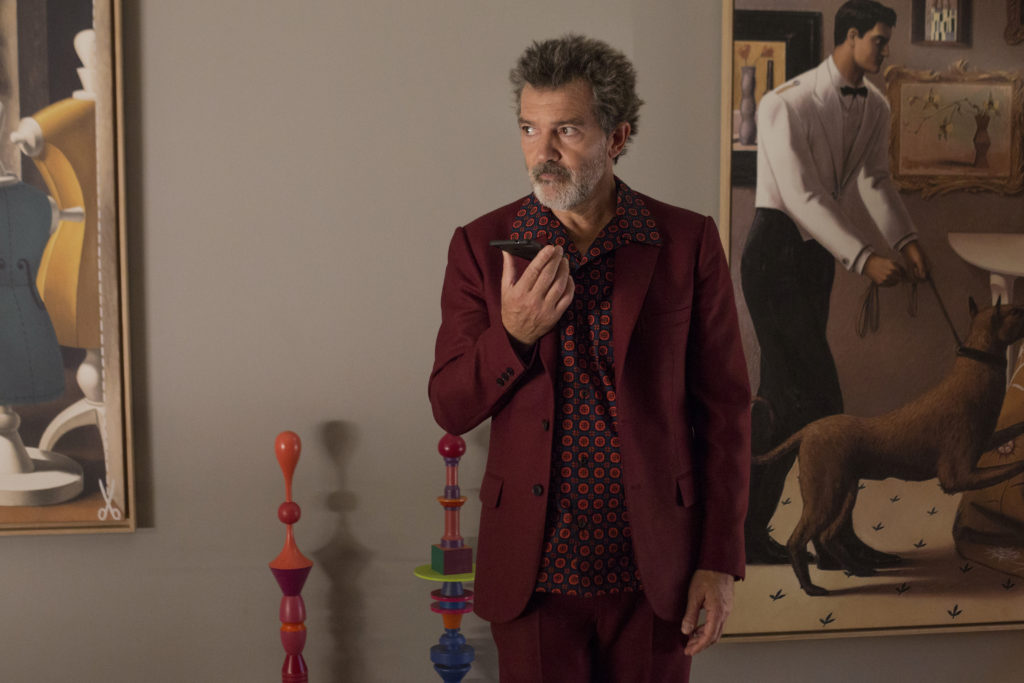
Modern art plays a prominent role in the newest Pedro Almodóvar film, Pain and Glory. Antonio Banderas portrays Salvador Mallo, a successful film director in Madrid with a penchant for modern art. Like Almodóvar, Salvador’s success affords him an outstanding private art collection.
Antonio Banderas delivers what may be his most sublime performance to date in “Pain and Glory,” a film that delves deep into the intricacies of life’s trials and the profound nature of creative expression. This narrative stands as a testament to the enduring partnership between Banderas and the acclaimed filmmaker Pedro Almodóvar—a collaboration that has spanned decades and produced a myriad of cinematic treasures.
In “Pain and Glory,” Banderas embodies the role of the protagonist, a director who navigates through a series of introspective episodes that mirror Almodóvar’s personal history, blending the lines between the character’s fictional existence and the director’s own reality. It’s a portrayal brimming with authenticity and emotional depth, which not only showcases Banderas’s versatile acting chops but also reverently acknowledges the intimate relationship between a director and his muse.
The film’s narrative structure is a mosaic of memories, regrets, and reconciliations, all of which coalesce into a portrait of an artist at a crossroads. Banderas, with a meticulous attention to the minutiae of emotion and movement, crafts a character that is both a figure of reverence and a deeply flawed human being, making the performance all the more gripping.
Beyond the individual triumphs of Banderas, “Pain and Glory” also serves as a cultural landmark within the filmographies of both actor and director, marking a moment where their collaborative synergy reaches its zenith. This movie is not just a story told on screen—it’s a piece of living art, inviting viewers to empathize, reflect, and even find pieces of their own life stories within the frames of this poignant film.
Salvador Mallo (Antonio Banderas) between two paintings by Sigfrido Martín Begué in Pain and Glory: Las Costureras (left) and Santa Casilda – El Olfato (right). Image courtesy El Deseo D.A. S.L.U., photo by Manolo Pavón.
It’s worth noting that the impact of Banderas‘s performance is enhanced by his history with Almodóvar. Having launched his career in “Labyrinth of Passion,” Banderas has evolved as an actor alongside Almodóvar’s growth as a filmmaker. This synergy is palpable in “Pain and Glory,” their eighth film. Their collective history imbues the narrative with a depth that resonates with those familiar with their work.
In “Pain and Glory,” Antonio Banderas embodies the emotional and physical tribulations of aging with a visceral sincerity. The character grapples with a spectrum of emotions from regret to reminiscence, and the portrayal is imbued with a poignant realism. The pains of aging, as experienced by the character, reflect a universal human experience, making the film deeply relatable.
The narrative weaves through the protagonist’s past and present, highlighting the layers of his identity as an artist and as a gay man facing the twilight years of his life. Banderas not only succeeds in captivating the audience with his Oscar-worthy portrayal but also offers an insightful gaze into the soul of an artist. His performance pays homage to the rich complexity of Almodóvar’s “auto-fictional” character, making “Pain and Glory” an unforgettable experience in contemporary cinema.
Spain in the 1990s
The cinematic landscape of post-Franco Spain is vividly brought to life through the films of Pedro Almodóvar, among other creative talents emerging during this dynamic period of cultural reawakening. The country, having endured a long period of repression under Franco’s dictatorship, experienced a flourishing of creative expression that echoed through cinema, literature, art, and architecture following the dictator’s death in 1975.
This renaissance was not only evident in high culture but also seen in the streets and lives of the Spanish people, who embraced newfound freedoms with a vivacious spirit that would come to be known as La Movida Madrileña. This movement, with Madrid as its epicenter, encapsulated a societal urge to break free from the conservative shackles of the past, and it fostered an environment where artists like Almodóvar could thrive.
The movie in question, reflecting this era, showcases Spain’s rapid modernization and the exuberance of its people. The characters and their environments are painted with a palette that speaks to this zeitgeist—a bold and liberal use of color, form, and texture that could be seen in the urban landscape and in the private spaces of the Spanish citizens.
By the time 1992 arrived, Spain was ready to present itself on the world stage as a nation reborn. Barcelona’s hosting of the Olympics was a sporting spectacle that also highlighted the city’s architectural marvels, from Gaudí’s Sagrada Familia to the contemporary structures developed for the games. In the same breath, Seville’s EXPO’92 served as a global exposition of the world’s cultures and innovations, with Spain demonstrating its leadership in various fields. Madrid, as the Cultural Capital of Europe in 1992, affirmed Spain’s position at the forefront of the arts. The city showcased a kaleidoscope of cultural achievements that year, from art exhibitions to theatrical performances, and pulsated with the creative energy that had been building up over the past decades.
The notion that a character’s home in the movie would take its inspiration from Pedro Almodóvar’s actual residence is a testament to the director’s personal influence in defining the aesthetic of the era. His home, much like the sets of his films, would presumably be a microcosm of this broader cultural evolution—a place where avant-garde meets tradition, and the boldness of La Movida is encapsulated within the walls of an intimate, personal space. Through the characters’ lives and the spaces they inhabit, viewers are given a window into a transformative time in Spanish history that still echoes in the nation’s contemporary culture.
The director’s art collection heralds a time when La Movida M__adrileña counted both Pedro Almodóvar and Sigfrido Martín Begué among its leading creative figures. Sigfrido Martín Begué (Madrid, 1959-2010) created two of the most prominent paintings in the film, Las Costureras (1996) and Santa Casilda – El Olfato (1986). Together, they make a stylish and bold Spanish backdrop to the unfolding drama. It comes as little surprise to those of us who knew Sigfrido that his art would figure so prominently in Almodóvar’s films. The two were good friends. Pedro Almodóvar attended Sigfrido’s art exhibits, and Sigfrido was always present at Almodóvar’s film premiers in Madrid. As a result, Sigfrido’s work has appeared in several of Almodóvar’s films but never so prominently as in Pain and Glory.
Santa Casilda – El Olfato
Santa Casilda – El Olfato(art as seen in Almodóvar’s Pain and Glory)) was part of an intricate series of five paintings by the revered artist Sigfrido Martín Begué, each an ode to the human senses. This particular piece garners special attention due to its sundry artistry and layered meanings. It was first unveiled to the public in the engaging exhibit Máquinas held at the Galería Mar Estrada. Máquinas wasn’t just any ordinary display; it embodied Begué’s bold vision and a showcase highlighting the zenith of his artistic journey.
Begué’s portfolio displayed during this solo exhibition was nothing short of a visual lexicon of his multifaceted skills. Expertly weaving through different artistic periods, he imbued traditional narratives with modern ethos. Through Santa Casilda – El Olfato, Begué fused the historic and the contemporary, paying tribute not just to one sense, but encapsulating a full spectrum of sensory experiences. The series elaborates on themes as varied as the historical recognition of saints and as modern as technology’s role in today’s society.
One could infer a subtle interplay between the ethereal and the material in his work. Fashion and technology—often seen at polar ends of the cultural spectrum—are amalgamated to reflect society’s changing values and its constant quest for innovation and aesthetics. The architectural elements in the pieces demonstrate Begué’s firm grasp on structure and form, showing that the arrangement of space is as crucial to the narrative of a painting as its subject and palette.
The composition and design of each painting are meticulously crafted to evoke deep contemplation, illustrating not only Begué’s command of artistic symbolism but also his sagacity in layering multiple elements to produce a coherent and impactful body of work. His paintings are an invitation to dive deep into the depths of history and rise to the surface clad in contemporary understandings. With works such as Santa Casilda – El Olfato, Sigfrido Martín Begué has undeniably etched his name into the annals of art history.
Sigfrido’s Santa Casilda – El Olfato is a luxurious painting about the sense of smell. We know this is Santa Casilda because the artist has placed a loaf of bread in her Balenciaga-inspired dress. She is protecting the bread from an aggressive dog, obviously attracted by the aroma of the bread. Behind her, a gallery of floral paintings provokes the idea of their sweet smells and reminds us of the olfactory sense. Finally, one sees a small perfume bottle on the table to remind the viewer that this is Santa Casilda.
The Art of Sigfrido Martín Begué
Sigfrido Martín Begué (Madrid, 1959–2010)
Sigfrido Martín Begué is an artist whose work is an intriguing juxtaposition of the surreal and futuristic, heavily influenced by the painterly techniques honed by Italy and Spain’s neoclassical masters. Every brushstroke reverberates with a profound understanding of these classical traditions, yet his visions are firmly planted in the present and future, creating a bridge across time through art.
His oeuvre tackles modern and contemporary societal issues. Yet, it does so with an ever-present nod to Christian symbolism and metaphoric storytelling — tools that infuse his art with layers of meaning. The powerful yet graceful references to religious iconography are not blunt; instead, they are woven seamlessly into the narrative of each piece, asking the viewer to look deeper and engage with the undercurrents of faith and spirituality that flow beneath the surface.
Begué’s stylistic choices recall the dramatic tension and metaphysical musings of De Chirico and the distinctive, spiritually charged figures of El Greco. However, he adds a distinct post-modern flair to this lineage that sets his work apart. His figures are often elongated, elegantly distorted echoes of the human form that are at once familiar and alien. This stylization is not merely aesthetic but rich in meaning, creating a visual dialogue about the human condition and its flexibility in the face of societal pressures and existential dilemmas.
Sigfrido’s palette is as varied as it is deliberate—bold hues command attention in one instance, while muted tones suggest introspection and calm in another. This choice of colors is strategic, designed to guide the viewer’s emotional response and highlight thematic elements within each composition.
Yet, despite the weighty themes and classical influences, there is an unmistakable undercurrent of humor and irony in much of Sigfrido’s work. This deft touch invites the viewer not only to contemplate and reflect but also to find joy in the absurdity and contradictions of life.
His portfolio showcases a range and depth of talent, from delicate pencil drawings highlighting his meticulous attention to detail to grand, large-scale oil paintings that call to mind the exquisite and exacting works of his Spanish predecessors. Each piece feels like a crafted world unto itself, with themes that evoke deep contemplation — from Los Automátas, a commentary on the mechanization of humanity, to Las Máquinas, a meditation on the relationship between man and the machinery of his creation.
In a unique blend of art and fashion, his Santas series pays homage to the high couture of Cristóbal Balenciaga, with each saint’s dress meticulously inspired by the groundbreaking designs of the renowned fashion icon. Balenciaga, who forged his path in the fashion world by opening his boutique in 1917, seems a fitting muse for Sigfrido’s art, which is unafraid to break molds and transcend boundaries.
The Art of Pain and Glory
The film Pain and Glory, directed by the illustrious Pedro Almodóvar, stars renowned actors Antonio Banderas and Penelope Cruz, and has been commanding the attention of cinema enthusiasts with its compelling narrative paired with a striking aesthetic. The movie is not merely resting on its laurels; instead, it continues to harvest a wealth of positive critiques and accolades from various critical spheres. One undeniable impact of the film has been to refuel the conversation around the works of Sigfrido Martin Begué, whose unique artistic lexicon is receiving renewed examination and appreciation.
Through Almodóvar’s cinematic lens, audiences are offered a glimpse into a world suffused with color and emotional depth, reminiscent of Begué’s own artistic endeavors. Just as the artist’s creations distill stories into palettes and forms that evoke a poignant response, Almodóvar’s film achieves a similar resonance through its visual storytelling. Both the artist and the filmmaker share an avidity for communicating narratives that transcend conventional norms—instead, they opt for a polyphonic palette of emotions and hues.
Almodóvar’s craftsmanship in Pain and Glory celebrates life’s spectrum, from the agonizing depths of a character’s experience to the exhilarating peaks of creative euphoria. Banderas’s portrayal is a testament to Almodóvar’s ability to extract deeply personal performances from his actors, while Cruz’s participation adds a layer of authenticity and charm. Beyond its immediate narrative, the film prompts a broader dialogue about art, memory, and the indelible marks that both leave on the human experience.
Pain and Glory stands not just as a singular piece of cinematic art but also as a beacon that illuminates the works of visionary artists like Sigfrido Martin Begué. It is a clear demonstration of the power of film to act as a conduit for the renaissance of interest in different art forms, encouraging audiences to explore the myriad ways stories can be told and experienced. Almodóvar, ever the auteur, proves once more that cinema can create a tapestry of life as complex, vibrant, and profound as the artworks that inspire it.



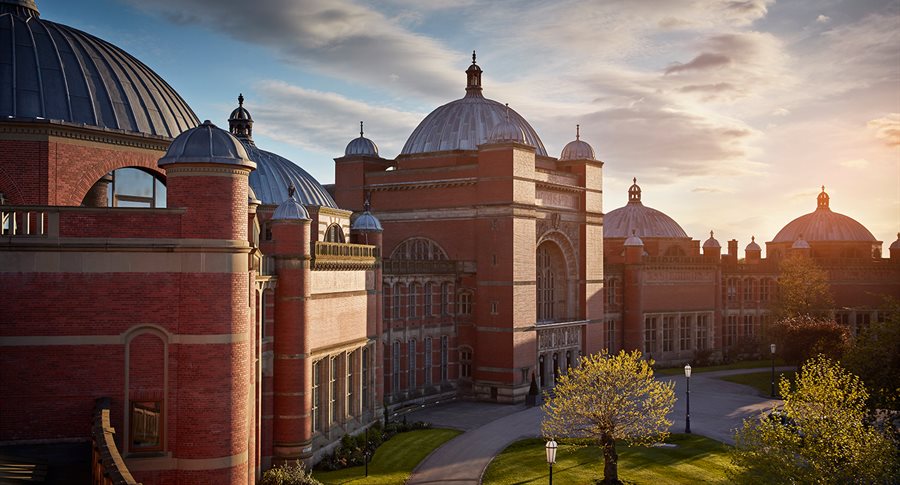

















 Galleries are leveraging artificial intelligence (AI) technology to transform how they engage with visitors, authenticate artwork, and create immersive experiences that captivate audiences. From virtual reality tours to artwork authentication, AI applications in galleries are revolutionizing how art is experienced and appreciated. Explore the innovative uses of AI in galleries and its profound impact on the art world.