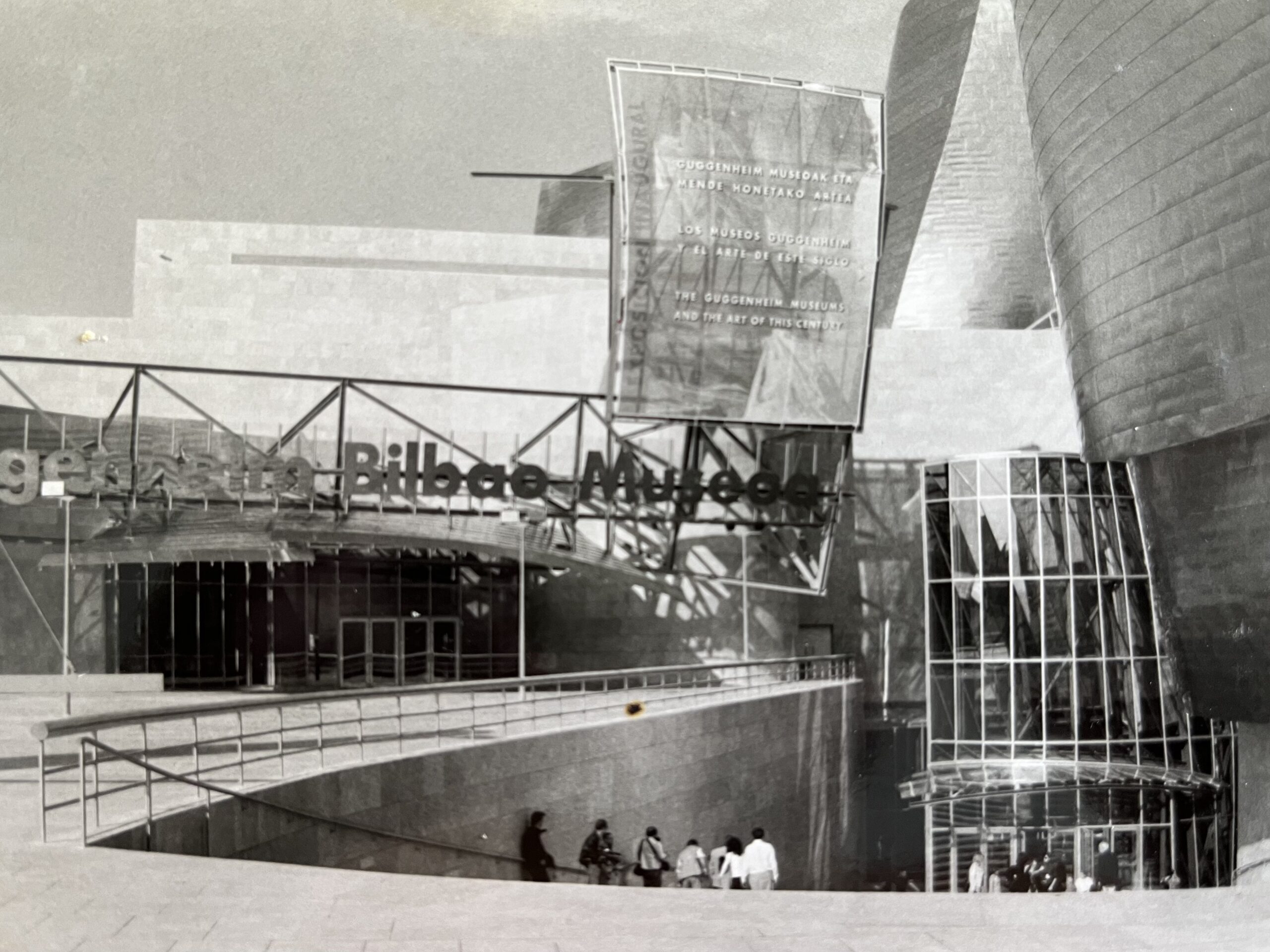
The Guggenheim Museum Bilbao, which opened its doors on October 19, 1997, stands as an enduring symbol of cultural transformation, urban regeneration, and the complex interplay of politics and regional identity. Situated in the heart of the Basque Country—a region known for its rich cultural heritage and history of political unrest—the museum’s creation was marked by innovative vision, architectural brilliance, and significant risks, including a near-tragic terrorist attack just days before its grand opening.
The Visionaries: Thomas Krens and Frank Gehry
The Guggenheim Museum Bilbao was the brainchild of Thomas Krens, the then-director of the Solomon R. Guggenheim Foundation, and Frank Gehry, an architect celebrated for his daring and unconventional designs. Krens envisioned a museum that would not only expand the Guggenheim’s global reach but also serve as a catalyst for revitalizing Bilbao, a city that had been suffering from industrial decline and economic stagnation.
The Bilbao effect: how Frank Gehry’s Guggenheim started a global craze
Opened 20 years ago this month, the glittering titanium museum had a wow factor that cities around the globe were soon clamouring to copy
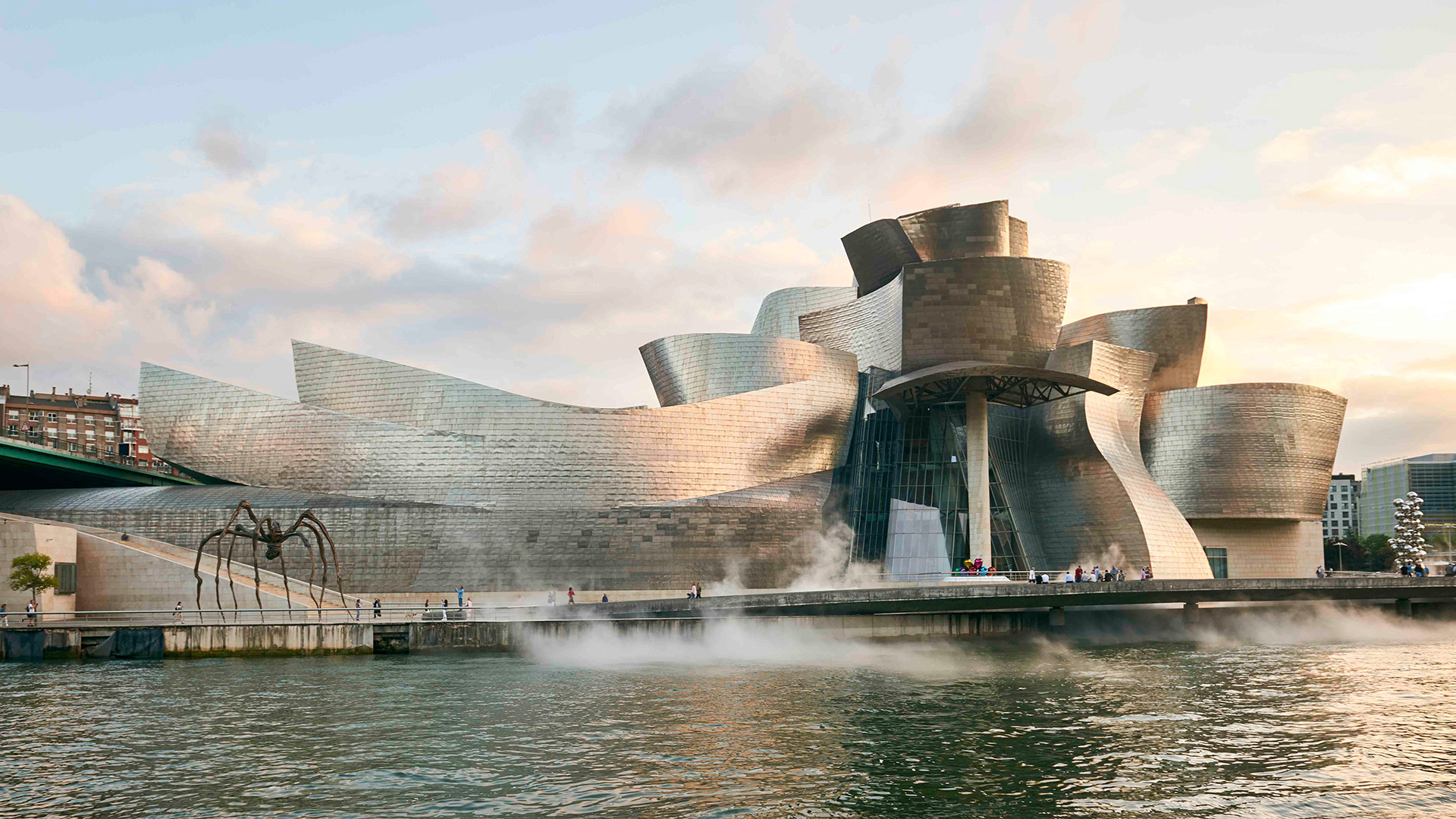
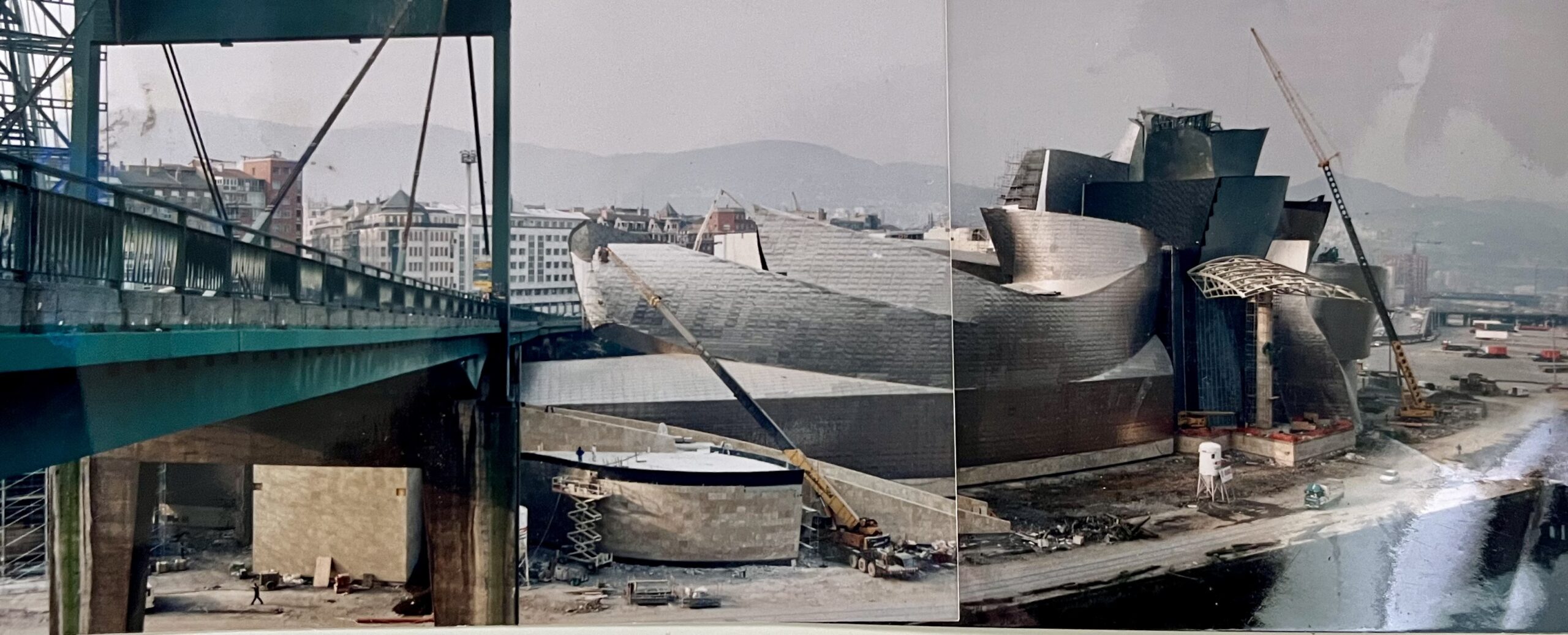
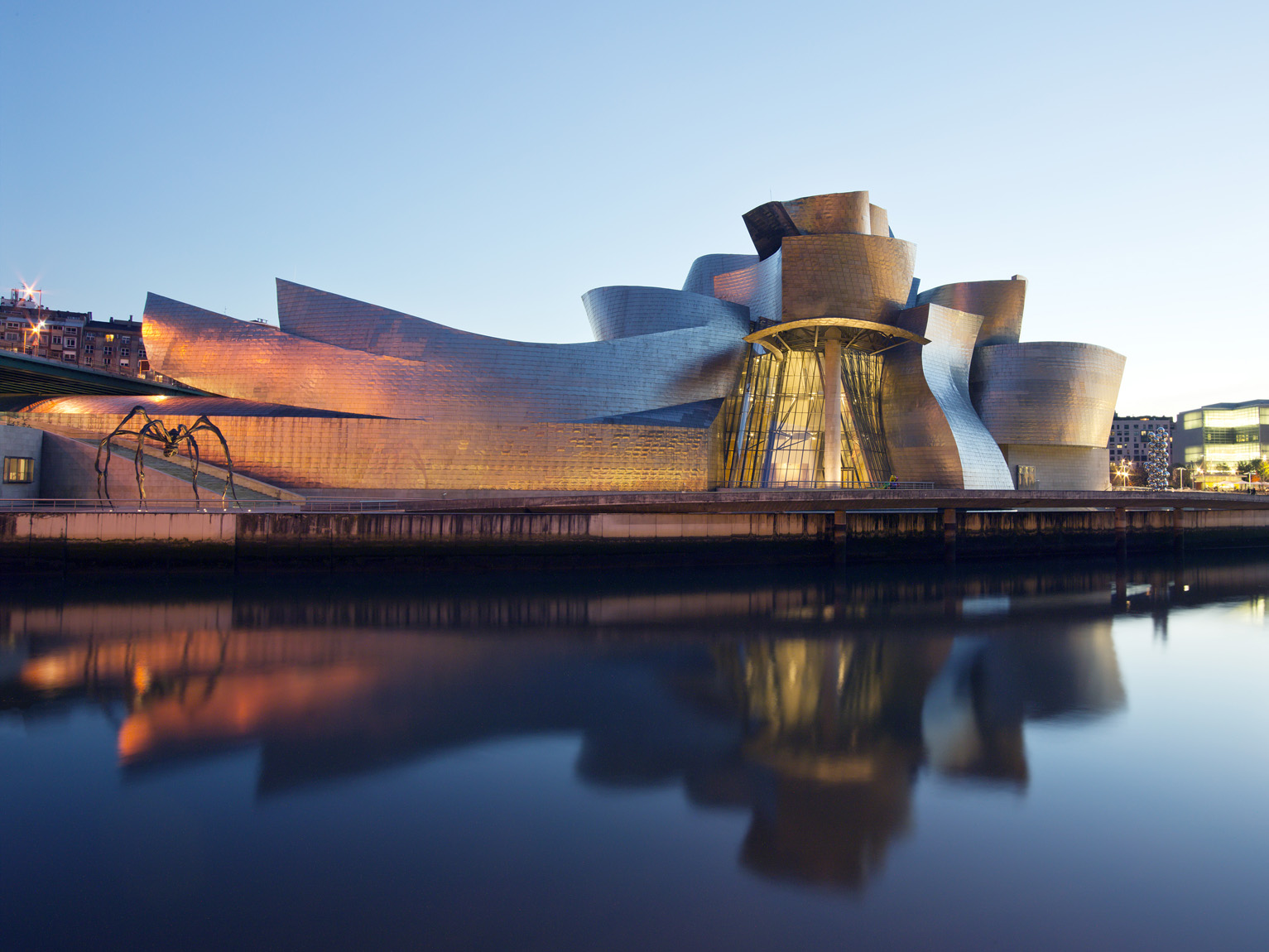
Frank Gehry’s architectural design was nothing short of groundbreaking. The museum’s undulating forms and shimmering titanium façade redefined contemporary architecture and quickly became an iconic symbol of Bilbao. Gehry’s innovative approach to design transformed the museum itself into a work of art, drawing global attention even before its opening.
Krens and Gehry’s collaboration was pivotal in turning the museum into more than just a cultural institution. They succeeded in creating a landmark that would become the centerpiece of a broader urban renewal strategy, attracting visitors from around the world and reshaping the city’s identity.
The Basque Region: Navigating a Complex Political Landscape
The decision to build the Guggenheim Museum in Bilbao was not without significant political challenges. The Basque Country, or Euskadi, has a strong sense of cultural identity and a history of political turbulence, particularly related to its aspirations for greater autonomy from Spain. The region had been marred by violence, most notably from the separatist group ETA (Euskadi Ta Askatasuna), which sought to establish an independent Basque state.
A House Divided
No one denies that Thomas Krens, the Guggenheim’s controversial director, has put the museum on the map—literally, figuratively, and, some say, dangerously. But is Krens’s empire on murky financial ground?
Local reactions to the museum project were mixed. While many saw it as an opportunity to rejuvenate Bilbao and showcase Basque culture on an international stage, others were critical of the extensive public funds allocated to the project, especially in a region with pressing social and economic issues. The museum was viewed by some as a potential target for those opposed to the Spanish state’s influence in the region.
The Terrorist Threat: The Attack on Jeff Koons’ Puppy
The political risks associated with the museum were starkly highlighted just a week before its opening. On October 12, 1997, members of ETA attempted to sabotage the project by planting explosives inside Puppy, a large floral sculpture by Jeff Koons that stood in front of the museum. This attack underscored the tensions in the Basque region, where cultural and political aspirations were deeply intertwined with the threat of violence.
Guggenheim Built in Spain Opens Under Militant Cloud (Published 1997)
Inauguration of Guggenheim Museum in Bilbao, Spain, goes ahead under heavy security because of threat that Basque separatist group ETA will disrupt ceremony; museum represents Bilbao’s desire to turn its back on its recent past of industrial decay and separatist violence and to present new image of economic and urban renewal to world; Frank O Gehry, American, is museum’s architect; map; photo (M)
Fortunately, the attack was thwarted by the Basque police, who arrested the perpetrators before the explosives could be detonated. The prevention of this attack allowed the museum’s opening to proceed as planned, though it was a sobering reminder of the political risks that the project had navigated.
Despite this close call, the Guggenheim Museum Bilbao opened without incident, marking the beginning of a new chapter for the city and the region. The museum’s success, even in the face of such threats, demonstrated the resilience and determination of those who believed in the project.
Urban Renewal and Economic Impact
The Guggenheim Museum Bilbao’s impact on the city’s urban landscape was nothing short of transformative. Prior to the museum’s construction, Bilbao was an industrial city in decline, characterized by aging infrastructure and a lack of international appeal. The museum became the centerpiece of an ambitious urban renewal project that revitalized the Abandoibarra area, where it is located.
Guggenheim Museum Bilbao
This renewal included not only the museum itself but also the development of new public spaces, parks, and infrastructure that turned Bilbao into a modern, livable city. The museum became the focal point of a broader effort to regenerate the city, attracting investment and boosting the local economy.
Economically, the museum has had a profound impact on Bilbao. It quickly became a major tourist attraction, drawing millions of visitors from around the world and generating substantial revenue for the local economy. The “Bilbao Effect” became a term used to describe how cultural institutions could drive urban and economic regeneration, with Bilbao becoming a model for other cities seeking similar transformations.
However, the document also likely addresses the complexities of sustaining this momentum and the challenges of replicating the “Bilbao Effect” in other contexts. It emphasizes the importance of strategic planning and consideration of local conditions when attempting such ambitious cultural projects.
Conclusion: A Legacy of Vision, Creativity, and Resilience
The Guggenheim Museum Bilbao stands as a testament to the power of visionary leadership, architectural innovation, and resilience in the face of adversity. It is a story of how a bold idea, supported by strategic investment and creative genius, can transform a city and leave a lasting impact on its cultural and economic landscape.
Despite the political risks and the near-tragic attack on Puppy, the museum has not only survived but thrived, becoming an enduring symbol of Bilbao’s renaissance. For those fascinated by the intersection of culture, politics, and urban development, the Guggenheim Museum Bilbao offers valuable lessons in how visionary projects can change the course of a city’s history, even in the face of significant challenges.
Budget vetoes deal a ‘devastating blow’ to Florida’s arts and culture groups
Gov. Ron DeSantis’ vetoes cut millions of dollars in funds for more than 600 organizations in Florida, including in the greater Tampa Bay region.
The recent cancellation of $32 million in arts funding in Florida has sparked widespread concern among artists, educators, and community leaders. The arts sector is crucial to the state’s economy, culture, and education system. This article explores the potential long-term consequences of these funding cuts and what they mean for Florida’s future.
Economic Impact
Tourism and Local Economy
Florida is known for its vibrant cultural scene, attracting tourists worldwide. Art festivals, galleries, theaters, and museums are significant draws contributing to the state’s tourism revenue. For example, the annual Miami Art Basel fair brings in millions of dollars and thousands of visitors. With reduced funding, the quality and number of these cultural attractions may decline, leading to a potential drop in tourism and local economic activity.
Small Businesses
Local businesses such as restaurants, cafes, and retail shops often thrive during arts events and festivals. Reduced funding could lead to fewer events, which means less business for these establishments. This can result in lower revenues and even closures, further impacting the local economy.
Educational Impact
Arts Education
Schools and educational programs often depend on state funding to provide comprehensive arts education. Reduced financial support could limit students’ opportunities to engage with the arts, which are essential for fostering creativity, critical thinking, and emotional expression. For instance, school music programs might have to cut back on purchasing instruments or hosting performances, depriving students of valuable experiences.
College and University Programs
Higher education institutions might also feel the pinch. University arts programs, which often rely on state grants, could face budget cuts, leading to fewer scholarships, reduced course offerings, and diminished support for student projects. This could make arts education less accessible and lower the quality of training for aspiring artists.
Cultural and Community Impact
Public Art Projects
Public art projects, such as murals and sculptures, enhance community spaces and promote civic pride. These projects often rely on state funding for commissioning and maintenance. Funding cuts could halt new projects and neglect existing ones, leading to a less vibrant public space.
Community Outreach Programs
Many arts organizations run community outreach programs that bring art to underserved populations, including low-income families and senior citizens. Reduced funding could mean fewer opportunities for these groups to participate in cultural activities essential for social inclusion and well-being.
Quality of Life
Healthcare Partnerships
Art therapy programs in hospitals and clinics, which use creative processes to help patients heal and cope with illness, might suffer. These programs often rely on state funding to operate. Cuts could reduce the availability of art therapy, negatively impacting patients’ recovery and emotional health.
Rehabilitation Programs
Programs that use art as a rehabilitation tool in prisons and juvenile detention centers could also face reductions. These programs help inmates develop new skills, express themselves constructively, and prepare for reintegration into society. Funding cuts might limit these valuable initiatives, affecting rehabilitation outcomes.
Long-Term Cultural Development
Future Generations of Artists
Support for emerging artists and arts education is crucial for nurturing future generations of cultural leaders. Funding cuts could stifle the development of young artists, leading to a decline in the creative talent pool and innovation within the arts sector. Programs like artist residencies and youth art competitions might be scaled back or discontinued.
Innovation and Creativity
The arts drive innovation and creativity, which is essential for a vibrant, forward-thinking society. Reduced funding could limit the scope of creative initiatives and cultural projects, stifling innovation and slowing cultural progress. For example, experimental theater companies and avant-garde art collectives might struggle to survive without adequate support.
Conclusion
The cancellation of $32 million in arts funding in Florida has far-reaching implications beyond the immediate financial impact. Significant concerns include a potential decline in tourism, job losses, reduced educational opportunities, and weakened community bonds. Moreover, the long-term effects on cultural heritage, public well-being, and the development of future artists highlight the critical importance of sustained investment in the arts. As Florida navigates these challenges, it is essential to consider the broader value of the arts to the state’s economy, education system, and social fabric.
Milwaukee, Wisconsin, often overlooked in favor of its larger Midwestern neighbors, has made significant strides in cultural investments, transforming itself into a vibrant destination for culture vultures. From museums to performing arts centers, Milwaukee offers a rich tapestry of experiences that attract visitors from around the globe. Here’s a closer look at how Milwaukee has invested in its cultural infrastructure and the positive outcomes of these efforts.
Milwaukee Art Museum: An Architectural and Artistic Marvel
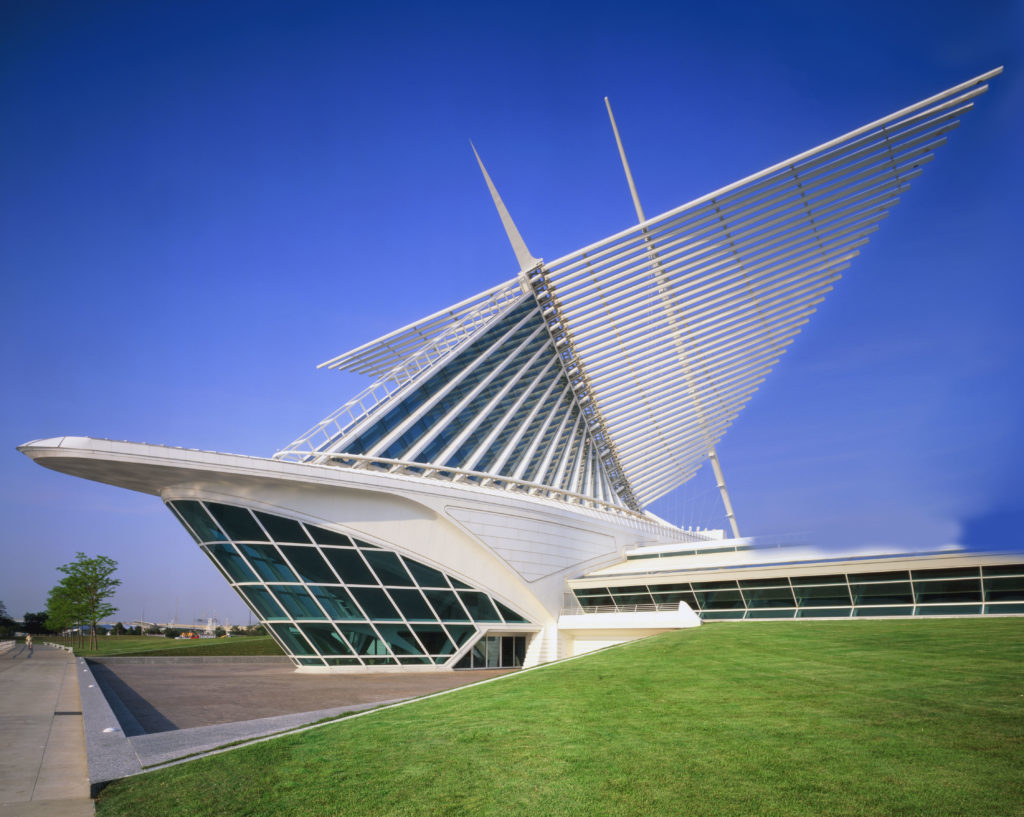
The Milwaukee Art Museum (MAM) is a centerpiece of the city’s cultural landscape.
Milwaukee Art Museum
See works of art from antiquity to present day in Wisconsin’s largest art museum, famous for its moving Burke Brise Soleil, or “wings.”
Read More
mam.org
Quadracci Pavilion: Designed by Santiago Calatrava, this stunning addition, with its iconic wing-like structure, has become a symbol of Milwaukee.
Expansive Collections: The museum houses over 25,000 works of art, including American, European, modern, and contemporary pieces.
The Milwaukee Art Museum’s unique architecture and extensive collections have significantly boosted tourism, drawing art enthusiasts and architecture admirers.
Harley-Davidson Museum: Celebrating a Legendary Brand
Milwaukee is home to the Harley-Davidson Museum, a must-visit for motorcycle enthusiasts.
museum.html
Read More
www.harley-davidson.com
Extensive Exhibits: The museum showcases the history and heritage of Harley-Davidson, with over 450 motorcycles and artifacts.
Interactive Displays: Visitors can engage with interactive exhibits and learn about the engineering and cultural impact of Harley-Davidson.
The Harley-Davidson Museum has become a significant tourist attraction, celebrating Milwaukee’s industrial heritage and drawing visitors worldwide.
Milwaukee Public Museum: A Journey Through Time
The Milwaukee Public Museum (MPM) offers an immersive experience of natural and human history.
Wisconsin’s Natural History Museum | Milwaukee Public Museum
As Wisconsin’s natural history museum, MPM inspires curiosity, excites minds, and increases desire to preserve our world’s natural and cultural diversity.
Read More
www.mpm.edu
Dynamic Exhibits: Featuring diverse exhibits, from ancient civilizations to dioramas of local wildlife.
Haymarket Plaza: A newly developed public space that enhances the museum experience with outdoor exhibits and events.
MPM’s engaging exhibits and interactive experiences have enhanced its appeal, attracting families, educators, and tourists interested in history and science.
The Pabst Theater: A Historic Venue for Performing Arts
The Pabst Theater, a historic gem in downtown Milwaukee, is a key player in the city’s performing arts scene.
The Pabst Theater | The Pabst Theater Group
144 E Wells St , Milwaukee, WI 53202(414) 242-8200
Read More
www.pabsttheatergroup.com
Rich History: Built in 1895, it is one of the oldest continually operating theaters in the United States.
Diverse Programming: Hosts various performances, from concerts and plays to comedy shows and lectures.
The Pabst Theater’s blend of historical charm and modern entertainment has made it a cultural cornerstone, boosting local tourism and providing a platform for diverse artistic expressions.
Discovery World: Science and Technology for All Ages
Discovery World is a premier science and technology center on Milwaukee’s lakefront.
Discovery World Science and Technology Museum Milwaukee
Explore the mind-blowing kids and family activities and aquarium at Discovery World in Milwaukee. We are on Lake Michigan’s shoreline.
Read More
discoveryworld.org
Innovative Exhibits: Focuses on science, technology, freshwater resources, and maritime history.
Educational Programs: Offers hands-on learning experiences for children and adults, fostering a love for science and innovation.
Discovery World’s interactive and educational exhibits have made it a popular destination for families and school groups, promoting STEM education and boosting tourism.
The Marcus Performing Arts Center: A Cultural Hub
The Marcus Performing Arts Center (MPAC) is Milwaukee’s premier venue for performing arts.
Home
The Marcus Performing Arts Center (MPAC) is the premier performing arts community gathering space in downtown Milwaukee.
Read More
www.marcuscenter.org
Broadway Shows: Hosts touring Broadway productions, enriching the city’s cultural offerings.
Local Performances: Home to the Milwaukee Ballet, Milwaukee Symphony Orchestra, and other local arts organizations.
MPAC’s diverse programming and support for local arts have strengthened Milwaukee’s cultural scene, attracting audiences and supporting local talent.
Conclusion: Milwaukee’s Cultural Renaissance
Milwaukee’s strategic investments in cultural infrastructure have transformed it into a vibrant cultural destination. The city’s rich museums, theaters, and interactive experiences offer something for every culture vulture. These investments have enhanced the city’s cultural landscape, driven significant economic growth, increased tourism, and fostered a thriving local arts community. Milwaukee stands out as an exciting and dynamic destination for culture enthusiasts seeking a blend of history, art, and innovation.
Over the past few years, the higher education landscape in the United States has witnessed a notable trend: the closure of several art schools. Once vibrant centers of creativity and cultural development, these institutions are now facing significant challenges that threaten their survival. This article explores the reasons behind these closures and the broader implications for the education sector and the creative economy.
University of the Arts President Resigns After School Announces Closure
Kerry Walk announced last week that the institution would close on June 7, leaving hundreds of students in academic limbo.
Financial Instability and Declining Enrollments
Financial instability is one of the primary reasons for the closure of art schools. Many art institutions operate on tight budgets, heavily reliant on tuition fees and donations. The COVID-19 pandemic exacerbated these financial challenges by causing a sharp decline in enrollments and increasing operational costs. For example, the College of Saint Rose, struggling financially for years, finally closed in 2023 due to insufficient funds and dwindling student numbers.
A look back at the college closures and mergers of 2023
More than a dozen colleges announced closures this year. Most struggled with enrollment issues that only accelerated after the coronavirus pandemic.
Additionally, the rising cost of education has made it difficult for students to afford specialized art programs. As a result, many potential students opt for more financially viable career paths, leading to decreased enrollment in art schools. This decline in student numbers further strains the financial health of these institutions.
Reduced Funding and Support
Public funding for higher education has also been trending downward. State and federal budget cuts have forced many institutions to reduce their programs or shut down entirely. Art schools, which often depend on grants and state funding to support their unique programs, are particularly vulnerable. For example, the University of Wisconsin-Platteville Richland had to close its branch campus due to reduced state funding and shifting enrollment trends.
Mergers and Acquisitions
Some art schools have merged with larger institutions in an attempt to survive. These mergers can provide much-needed financial stability and access to broader resources. For instance, Compass College of Film and Media in Grand Rapids was acquired by Calvin University in 2023. While this preserved some educational opportunities, it marked the end of Compass as an independent entity.
Implications for the Creative Economy
The closure of art schools has far-reaching implications beyond the education sector. Art institutions play a crucial role in nurturing creativity, innovation, and cultural expression. They provide a pipeline of talent for industries such as design, entertainment, and media. With fewer specialized art schools, the creative economy may face a shortage of skilled professionals, impacting sectors that rely heavily on creative talent.
Loss of Cultural Heritage
Art schools are often seen as custodians of cultural heritage and artistic traditions. Their closures mean the loss of unique educational environments where students can immerse themselves in diverse forms of artistic expression. This can lead to a homogenization of cultural production, where mainstream and commercially viable art forms dominate at the expense of more experimental and diverse artistic practices.
Conclusion
The closure of art schools in the U.S. is a multifaceted issue rooted in financial instability, declining enrollments, and reduced funding. While mergers and acquisitions offer some respite, they also signal the end of many independent art institutions. The broader implications for the creative economy and cultural heritage are profound, highlighting the need for renewed investment and support for the arts in education.
How many colleges and universities have closed since 2016?
The University of the Arts joins a handful of other colleges that have announced closures in the past several weeks.
The American Visionary Art Museum (AVAM) in Baltimore is a unique and inspiring destination for anyone exploring the world of outsider art.
American Visionary Art Museum
Founded in 1995, AVAM showcases the work of self-taught artists who create art outside the traditional art world. The museum’s collection includes various artworks, including paintings, sculptures, and mixed media pieces, all created by artists driven by their inner vision and creativity.
One of the highlights of the American Visionary Art Museum is its commitment to showcasing the work of artists who may not have had formal training or recognition in the mainstream art world. This focus on outsider art allows visitors to experience a fresh perspective on creativity and artistic expression. Visitors to the museum can explore various styles and techniques, from intricate drawings to bold and colorful paintings.
In addition to its impressive collection of artwork, the American Visionary Art Museum hosts a variety of exhibitions and events throughout the year. These exhibitions often feature emerging artists and provide a platform for them to showcase their work to a wider audience. Anyone visiting the museum will have the opportunity to discover new and innovative artists and gain insights into the creative process behind their work.
The museum’s commitment to promoting creativity and self-expression also extends to its educational programs. The American Visionary Art Museum produces workshops, lectures, and other events exploring outsider art’s themes and techniques. These programs provide a valuable opportunity for audiences to expand their knowledge and gain a deeper understanding of the diverse world of visionary art.
About AVAM and Rebecca Hoffberger
Rebecca Hoffberger, February 2015
The American Visionary Art Museum in Baltimore was founded in 1995 by visionary leader Rebecca Hoffberger. Hoffberger’s passion for outsider art and her dedication to showcasing the work of self-taught artists were instrumental in shaping the museum into the inspiring destination it is today. Her vision and commitment to promoting creativity and self-expression have significantly impacted the art world and helped elevate the status of outsider artists.
Rebecca’s innovative approach to curating the collection has garnered international acclaim and recognition. Her keen eye for talent and ability to spot emerging artists have resulted in a museum at the forefront of contemporary outsider art. Hoffberger’s tireless efforts to support and promote these artists have created a platform for them to share their unique visions with the world.
In addition to her work at the museum, Rebecca Hoffberger is a respected author and educator in outsider art. Her contributions to the study and appreciation of visionary art have helped to raise awareness of this important and often overlooked genre. Rebecca Hoffberger’s leadership and dedication to the American Visionary Art Museum have made it a beacon of creativity and inspiration for artists and art lovers alike. Her unwavering commitment to championing the work of self-taught artists has created a space where diverse voices and visions can be celebrated and shared.
Visiting the museum allows one to experience firsthand the impact of Hoffberger’s vision and the transformative power of outsider art. Overall, the American Visionary Art Museum and its founder, Rebecca Hoffberger, offer a one-of-a-kind experience for art lovers seeking to explore the world of visionary art. Hoffberger’s legacy and the museum’s vibrant collection make it a must-visit destination for anyone interested in discovering the beauty and creativity of outsider art.
Overall, the American Visionary Art Museum in Baltimore is a must-visit destination for exploring the world of outsider art. With its diverse collection, engaging exhibitions, and educational programs, the museum offers a unique and inspiring experience that will leave a lasting impression.
Visit the museum and discover the beauty and creativity of visionary art!
American Visionary Art Museum
Welcome to the nation’s museum for self-taught, intuitive artistry.
Are you a fan of all things quirky and offbeat in the world of museums?
If so, you’ll love exploring these ten obscure gems that will pique your curiosity and spark your imagination. From the fascinating history of dog collars to the chilling world of medieval torture instruments, these museums offer a unique glimpse into the strange and unusual. So, gather your fellow GLAM enthusiasts and embark on a journey of discovery to some of the most unconventional museums around the globe.
Step into the Dog Collar Museum at Leeds Castle in England, where you can marvel at a collection of over 130 ornate dog collars dating back to the 15th century. Discover the evolution of canine fashion and the intricate craftsmanship behind each collar, showcasing a unique blend of art and functionality.
Venture into the Museum of Broken Relationships in Zagreb, Croatia, where heartbreak takes center stage. Explore a poignant collection of artifacts donated by individuals worldwide, each telling a story of love lost and emotional upheaval. It’s a tribute to the complexities of human relationships and the resilience of the human spirit.
Journey to Reykjavik, Iceland, to visit the Icelandic Phallological Museum – home to many phallic specimens from various mammals, including whales, seals, and humans. Delve into the cultural significance of the male reproductive organ and marvel at the diversity of shapes and sizes on display.
The Kansas Barbed Wire Museum in La Crosse, Kansas, showcases the history and evolution of barbed wire, showcasing a diverse collection of barbed wire varieties, tools, and artifacts related to fencing. Visitors can learn about the role of barbed wire in shaping the American West and its impact on agriculture and settlement. The museum offers a fascinating look at an everyday object turned into a history worth exploring.
If you taste the bizarre, stop by the Museum of Bad Artin Massachusetts, where hilariously terrible artworks take center stage. Embrace the beauty in imperfection as you explore a collection of rejected paintings and sculptures that defy traditional art standards.
A few other museologically interesting venues include:
These are just a few of the unconventional museums that await your discovery. Embrace the weird and wonderful world of GLAM and let your curiosity lead you to new and exciting corners of the museum universe. Who knows what hidden treasures you might uncover along the way!
Guggenheim Museum Bilbao on opening day, October 18, 1997. Photo by John T. Suau
Situated in the heart of Bilbao, Spain, the Guggenheim Museum Bilbao stands as a stunning architectural marvel and a beacon of cultural significance. This iconic museum, designed by renowned architect Frank Gehry, symbolizes Bilbao’s transformation from an industrial city to a thriving cultural hub. Since opening in 1997, the Guggenheim Museum Bilbao has garnered international acclaim for its innovative design, world-class exhibitions, and profound impact on the local community.
The History of the Guggenheim Museum Bilbao
The Guggenheim Museum Bilbao’s inception can be traced back to a collaboration between the Guggenheim Foundation and the Basque government, which sought to revitalize Bilbao’s economy and cultural landscape by constructing a modern art museum. The selection of Frank Gehry as the architect marked a bold move towards avant-garde architecture and design, setting the stage for a groundbreaking project that would redefine the concept of museum architecture.
The Success and Impact of the Guggenheim Museum Bilbao
The Guggenheim Museum Bilbao’s impact on Bilbao’s economy and tourism industry has been nothing short of transformative. According to a report by the Basque government, the museum has generated over 4 billion euros for the local economy since its opening, attracting millions of visitors from around the world. The “Bilbao Effect,” a term coined to describe the museum’s influence on urban revitalization, has led to the development of new cultural institutions, infrastructure improvements, and a thriving arts scene in the city.
The museum’s success can also be attributed to its dynamic exhibitions and collection of contemporary art. With works by artists such as Jeff Koons, Yves Klein, and Richard Serra, the Guggenheim Museum Bilbao has established itself as a global destination for art enthusiasts and cultural connoisseurs. The museum’s rotating exhibitions, educational programs, and outreach initiatives have further solidified its reputation as a hub for creativity, innovation, and artistic expression.
Guggenheim Museum Bilbao on opening day, October 18, 1997. Photo by John T. Suau
In addition to its cultural impact, the Guggenheim Museum Bilbao has been lauded for its architectural brilliance and technological innovation. Gehry’s design, characterized by undulating curves, titanium panels, and interconnected spaces, has redefined the possibilities of contemporary architecture and inspired a new wave of architectural experimentation. The museum’s use of cutting-edge technologies, interactive displays, and digital initiatives has enhanced the visitor experience and cemented its status as a pioneer in integrating technology and art.
In conclusion, the Guggenheim Museum Bilbao stands as a shining example of the transformative power of architecture, art, and culture. From its innovative design to its profound impact on the local community, the museum has made an indelible mark on the cultural landscape of Bilbao and the world. As we look towards the future, the Guggenheim Museum Bilbao continues to inspire creativity, foster artistic dialogue, and push the boundaries of what is possible in the intersection of art, architecture, and technology. Visit the museum and experience the magic and wonder of the Guggenheim Museum Bilbao.
Q: How is the Solomon R. Guggenheim Foundation’s financial position with all the museums worldwide?
As of 2021, the Solomon R. Guggenheim Foundation remains a prominent and financially stable institution within the global museum landscape. The foundation, which oversees the operations of the Solomon R. Guggenheim Museum in New York City and its iconic international affiliates, such as the Guggenheim Museum Bilbao in Spain and the Peggy Guggenheim Collection in Venice, Italy, has consistently demonstrated a solid financial position.
The foundation’s financial stability can be attributed to several factors:
1. Diversified Funding Sources: The Solomon R. Guggenheim Foundation relies on various funding sources to support its operations, including government grants, corporate sponsorships, individual donations, and revenue generated from admissions, memberships, and special events. This diversified funding model helps mitigate financial risks and ensures a steady income stream.
2. Endowment Management: The foundation manages an endowment fund that provides a stable source of income to support its programs and activities. Prudent investment strategies and effective endowment management have helped the foundation weather economic fluctuations and maintain financial resilience.
3. International Recognition and Attendance: The global network of Guggenheim museums, each renowned for its architectural significance and exceptional art collections, attracts many visitors worldwide. High attendance numbers generate revenue, bolstering the foundation’s financial standing.
4. Corporate Partnerships and Sponsorships: The Solomon R. Guggenheim Foundation has established partnerships with corporate sponsors and donors who provide financial support for exhibitions, education programs, and special projects. These collaborations contribute to the foundation’s economic health and enhance its visibility and reputation.
5. Strategic Planning and Management: The foundation’s leadership team implements strategic planning and financial management practices to ensure fiscal sustainability and long-term viability. Strong governance, oversight, and accountability mechanisms help safeguard the foundation’s financial resources and assets.
While the COVID-19 pandemic has posed financial challenges for cultural institutions globally, including the Guggenheim Foundation, the foundation has adapted and innovated to navigate these unprecedented circumstances. Initiatives such as virtual exhibitions, online programming, and digital engagement have enabled the foundation to reach audiences virtually and maintain a connection with art enthusiasts during museum closures and restrictions.
Overall, the Solomon R. Guggenheim Foundation’s financial position remains stable, supported by diversified funding sources, effective management strategies, international recognition, and a commitment to artistic excellence and cultural engagement. The foundation continues to uphold its mission of promoting modern and contemporary art, fostering creativity, and inspiring audiences worldwide through its initiatives and programs across its network of museums.
The Guggenheim is Making a Major Investment in Digital Art and Technology
The Guggenheim in New York announced the LG Guggenheim Art and Technology Initiative.
Guggenheim Bilbao Museum. Come in and plan your visit
Explore the Guggenheim Museum Bilbao and plan your visit: exhibitions and activities, the Collection, the Building, and ticket purchase.
Homepage | The Guggenheim Museums and Foundation
Visit the Frank Lloyd Wright–designed Guggenheim Museum in NYC, part of a UNESCO World Heritage Site. Explore the famed art collection and special exhibitions.
Museums, Exhibits, and Digital Technology
As we begin the new year in 2021, the COVID-19 public health crisis continues to impact the museum sector: intermittent closures, widespread layoffs, and a scramble to create engaging visitor experiences, inside and outside the museum. This article explores digital technology solutions that have helped museums with visitor engagement during the crisis.
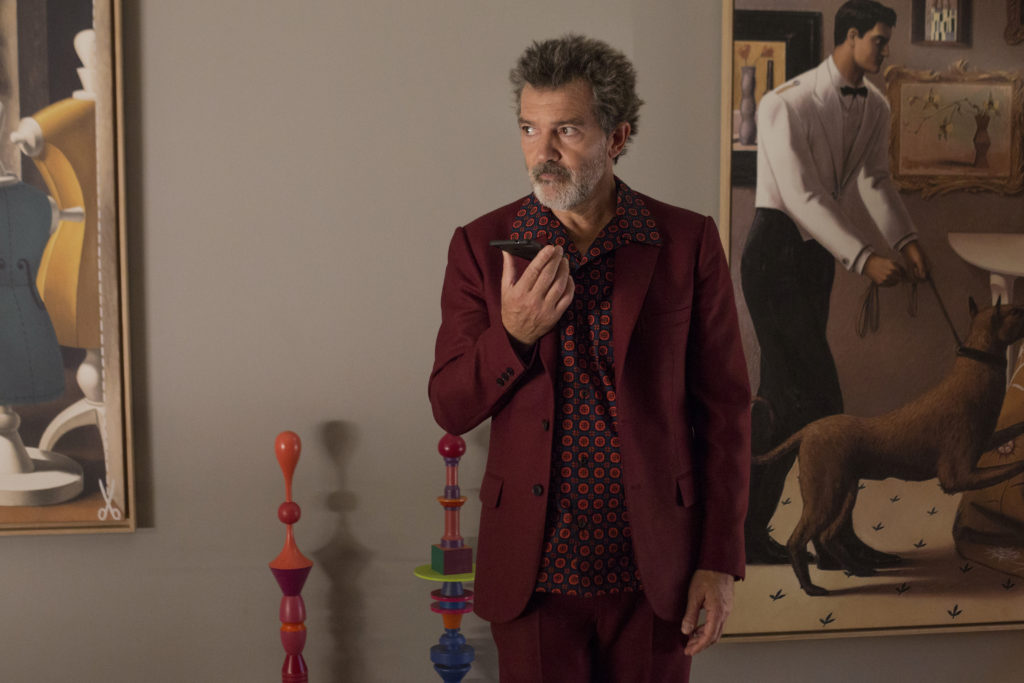
Modern art plays a prominent role in the newest Pedro Almodóvar film, Pain and Glory. Antonio Banderas portrays Salvador Mallo, a successful film director in Madrid with a penchant for modern art. Like Almodóvar, Salvador’s success affords him an outstanding private art collection.
Antonio Banderas delivers what may be his most sublime performance to date in “Pain and Glory,” a film that delves deep into the intricacies of life’s trials and the profound nature of creative expression. This narrative stands as a testament to the enduring partnership between Banderas and the acclaimed filmmaker Pedro Almodóvar—a collaboration that has spanned decades and produced a myriad of cinematic treasures.
In “Pain and Glory,” Banderas embodies the role of the protagonist, a director who navigates through a series of introspective episodes that mirror Almodóvar’s personal history, blending the lines between the character’s fictional existence and the director’s own reality. It’s a portrayal brimming with authenticity and emotional depth, which not only showcases Banderas’s versatile acting chops but also reverently acknowledges the intimate relationship between a director and his muse.
The film’s narrative structure is a mosaic of memories, regrets, and reconciliations, all of which coalesce into a portrait of an artist at a crossroads. Banderas, with a meticulous attention to the minutiae of emotion and movement, crafts a character that is both a figure of reverence and a deeply flawed human being, making the performance all the more gripping.
Beyond the individual triumphs of Banderas, “Pain and Glory” also serves as a cultural landmark within the filmographies of both actor and director, marking a moment where their collaborative synergy reaches its zenith. This movie is not just a story told on screen—it’s a piece of living art, inviting viewers to empathize, reflect, and even find pieces of their own life stories within the frames of this poignant film.
Salvador Mallo (Antonio Banderas) between two paintings by Sigfrido Martín Begué in Pain and Glory: Las Costureras (left) and Santa Casilda – El Olfato (right). Image courtesy El Deseo D.A. S.L.U., photo by Manolo Pavón.
It’s worth noting that the impact of Banderas‘s performance is enhanced by his history with Almodóvar. Having launched his career in “Labyrinth of Passion,” Banderas has evolved as an actor alongside Almodóvar’s growth as a filmmaker. This synergy is palpable in “Pain and Glory,” their eighth film. Their collective history imbues the narrative with a depth that resonates with those familiar with their work.
In “Pain and Glory,” Antonio Banderas embodies the emotional and physical tribulations of aging with a visceral sincerity. The character grapples with a spectrum of emotions from regret to reminiscence, and the portrayal is imbued with a poignant realism. The pains of aging, as experienced by the character, reflect a universal human experience, making the film deeply relatable.
The narrative weaves through the protagonist’s past and present, highlighting the layers of his identity as an artist and as a gay man facing the twilight years of his life. Banderas not only succeeds in captivating the audience with his Oscar-worthy portrayal but also offers an insightful gaze into the soul of an artist. His performance pays homage to the rich complexity of Almodóvar’s “auto-fictional” character, making “Pain and Glory” an unforgettable experience in contemporary cinema.
Spain in the 1990s
The cinematic landscape of post-Franco Spain is vividly brought to life through the films of Pedro Almodóvar, among other creative talents emerging during this dynamic period of cultural reawakening. The country, having endured a long period of repression under Franco’s dictatorship, experienced a flourishing of creative expression that echoed through cinema, literature, art, and architecture following the dictator’s death in 1975.
This renaissance was not only evident in high culture but also seen in the streets and lives of the Spanish people, who embraced newfound freedoms with a vivacious spirit that would come to be known as La Movida Madrileña. This movement, with Madrid as its epicenter, encapsulated a societal urge to break free from the conservative shackles of the past, and it fostered an environment where artists like Almodóvar could thrive.
The movie in question, reflecting this era, showcases Spain’s rapid modernization and the exuberance of its people. The characters and their environments are painted with a palette that speaks to this zeitgeist—a bold and liberal use of color, form, and texture that could be seen in the urban landscape and in the private spaces of the Spanish citizens.
By the time 1992 arrived, Spain was ready to present itself on the world stage as a nation reborn. Barcelona’s hosting of the Olympics was a sporting spectacle that also highlighted the city’s architectural marvels, from Gaudí’s Sagrada Familia to the contemporary structures developed for the games. In the same breath, Seville’s EXPO’92 served as a global exposition of the world’s cultures and innovations, with Spain demonstrating its leadership in various fields. Madrid, as the Cultural Capital of Europe in 1992, affirmed Spain’s position at the forefront of the arts. The city showcased a kaleidoscope of cultural achievements that year, from art exhibitions to theatrical performances, and pulsated with the creative energy that had been building up over the past decades.
The notion that a character’s home in the movie would take its inspiration from Pedro Almodóvar’s actual residence is a testament to the director’s personal influence in defining the aesthetic of the era. His home, much like the sets of his films, would presumably be a microcosm of this broader cultural evolution—a place where avant-garde meets tradition, and the boldness of La Movida is encapsulated within the walls of an intimate, personal space. Through the characters’ lives and the spaces they inhabit, viewers are given a window into a transformative time in Spanish history that still echoes in the nation’s contemporary culture.
The director’s art collection heralds a time when La Movida M__adrileña counted both Pedro Almodóvar and Sigfrido Martín Begué among its leading creative figures. Sigfrido Martín Begué (Madrid, 1959-2010) created two of the most prominent paintings in the film, Las Costureras (1996) and Santa Casilda – El Olfato (1986). Together, they make a stylish and bold Spanish backdrop to the unfolding drama. It comes as little surprise to those of us who knew Sigfrido that his art would figure so prominently in Almodóvar’s films. The two were good friends. Pedro Almodóvar attended Sigfrido’s art exhibits, and Sigfrido was always present at Almodóvar’s film premiers in Madrid. As a result, Sigfrido’s work has appeared in several of Almodóvar’s films but never so prominently as in Pain and Glory.
Santa Casilda – El Olfato
Santa Casilda – El Olfato(art as seen in Almodóvar’s Pain and Glory)) was part of an intricate series of five paintings by the revered artist Sigfrido Martín Begué, each an ode to the human senses. This particular piece garners special attention due to its sundry artistry and layered meanings. It was first unveiled to the public in the engaging exhibit Máquinas held at the Galería Mar Estrada. Máquinas wasn’t just any ordinary display; it embodied Begué’s bold vision and a showcase highlighting the zenith of his artistic journey.
Begué’s portfolio displayed during this solo exhibition was nothing short of a visual lexicon of his multifaceted skills. Expertly weaving through different artistic periods, he imbued traditional narratives with modern ethos. Through Santa Casilda – El Olfato, Begué fused the historic and the contemporary, paying tribute not just to one sense, but encapsulating a full spectrum of sensory experiences. The series elaborates on themes as varied as the historical recognition of saints and as modern as technology’s role in today’s society.
One could infer a subtle interplay between the ethereal and the material in his work. Fashion and technology—often seen at polar ends of the cultural spectrum—are amalgamated to reflect society’s changing values and its constant quest for innovation and aesthetics. The architectural elements in the pieces demonstrate Begué’s firm grasp on structure and form, showing that the arrangement of space is as crucial to the narrative of a painting as its subject and palette.
The composition and design of each painting are meticulously crafted to evoke deep contemplation, illustrating not only Begué’s command of artistic symbolism but also his sagacity in layering multiple elements to produce a coherent and impactful body of work. His paintings are an invitation to dive deep into the depths of history and rise to the surface clad in contemporary understandings. With works such as Santa Casilda – El Olfato, Sigfrido Martín Begué has undeniably etched his name into the annals of art history.
Sigfrido’s Santa Casilda – El Olfato is a luxurious painting about the sense of smell. We know this is Santa Casilda because the artist has placed a loaf of bread in her Balenciaga-inspired dress. She is protecting the bread from an aggressive dog, obviously attracted by the aroma of the bread. Behind her, a gallery of floral paintings provokes the idea of their sweet smells and reminds us of the olfactory sense. Finally, one sees a small perfume bottle on the table to remind the viewer that this is Santa Casilda.
The Art of Sigfrido Martín Begué
Sigfrido Martín Begué (Madrid, 1959–2010)
Sigfrido Martín Begué is an artist whose work is an intriguing juxtaposition of the surreal and futuristic, heavily influenced by the painterly techniques honed by Italy and Spain’s neoclassical masters. Every brushstroke reverberates with a profound understanding of these classical traditions, yet his visions are firmly planted in the present and future, creating a bridge across time through art.
His oeuvre tackles modern and contemporary societal issues. Yet, it does so with an ever-present nod to Christian symbolism and metaphoric storytelling — tools that infuse his art with layers of meaning. The powerful yet graceful references to religious iconography are not blunt; instead, they are woven seamlessly into the narrative of each piece, asking the viewer to look deeper and engage with the undercurrents of faith and spirituality that flow beneath the surface.
Begué’s stylistic choices recall the dramatic tension and metaphysical musings of De Chirico and the distinctive, spiritually charged figures of El Greco. However, he adds a distinct post-modern flair to this lineage that sets his work apart. His figures are often elongated, elegantly distorted echoes of the human form that are at once familiar and alien. This stylization is not merely aesthetic but rich in meaning, creating a visual dialogue about the human condition and its flexibility in the face of societal pressures and existential dilemmas.
Sigfrido’s palette is as varied as it is deliberate—bold hues command attention in one instance, while muted tones suggest introspection and calm in another. This choice of colors is strategic, designed to guide the viewer’s emotional response and highlight thematic elements within each composition.
Yet, despite the weighty themes and classical influences, there is an unmistakable undercurrent of humor and irony in much of Sigfrido’s work. This deft touch invites the viewer not only to contemplate and reflect but also to find joy in the absurdity and contradictions of life.
His portfolio showcases a range and depth of talent, from delicate pencil drawings highlighting his meticulous attention to detail to grand, large-scale oil paintings that call to mind the exquisite and exacting works of his Spanish predecessors. Each piece feels like a crafted world unto itself, with themes that evoke deep contemplation — from Los Automátas, a commentary on the mechanization of humanity, to Las Máquinas, a meditation on the relationship between man and the machinery of his creation.
In a unique blend of art and fashion, his Santas series pays homage to the high couture of Cristóbal Balenciaga, with each saint’s dress meticulously inspired by the groundbreaking designs of the renowned fashion icon. Balenciaga, who forged his path in the fashion world by opening his boutique in 1917, seems a fitting muse for Sigfrido’s art, which is unafraid to break molds and transcend boundaries.
The Art of Pain and Glory
The film Pain and Glory, directed by the illustrious Pedro Almodóvar, stars renowned actors Antonio Banderas and Penelope Cruz, and has been commanding the attention of cinema enthusiasts with its compelling narrative paired with a striking aesthetic. The movie is not merely resting on its laurels; instead, it continues to harvest a wealth of positive critiques and accolades from various critical spheres. One undeniable impact of the film has been to refuel the conversation around the works of Sigfrido Martin Begué, whose unique artistic lexicon is receiving renewed examination and appreciation.
Through Almodóvar’s cinematic lens, audiences are offered a glimpse into a world suffused with color and emotional depth, reminiscent of Begué’s own artistic endeavors. Just as the artist’s creations distill stories into palettes and forms that evoke a poignant response, Almodóvar’s film achieves a similar resonance through its visual storytelling. Both the artist and the filmmaker share an avidity for communicating narratives that transcend conventional norms—instead, they opt for a polyphonic palette of emotions and hues.
Almodóvar’s craftsmanship in Pain and Glory celebrates life’s spectrum, from the agonizing depths of a character’s experience to the exhilarating peaks of creative euphoria. Banderas’s portrayal is a testament to Almodóvar’s ability to extract deeply personal performances from his actors, while Cruz’s participation adds a layer of authenticity and charm. Beyond its immediate narrative, the film prompts a broader dialogue about art, memory, and the indelible marks that both leave on the human experience.
Pain and Glory stands not just as a singular piece of cinematic art but also as a beacon that illuminates the works of visionary artists like Sigfrido Martin Begué. It is a clear demonstration of the power of film to act as a conduit for the renaissance of interest in different art forms, encouraging audiences to explore the myriad ways stories can be told and experienced. Almodóvar, ever the auteur, proves once more that cinema can create a tapestry of life as complex, vibrant, and profound as the artworks that inspire it.
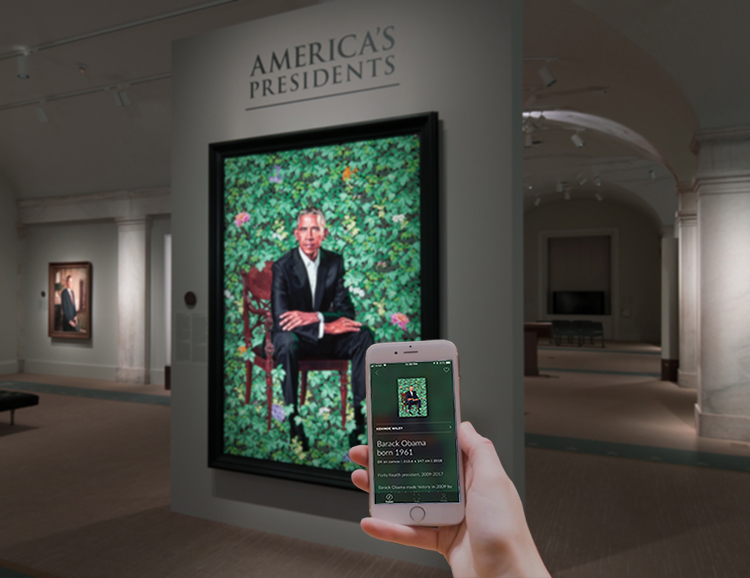
Smartifyis a free app that scans art and provides access to content in museums and galleries. Smartify users can also use it to build a personal art collection from some of the world’s best museums. Additionally, the augmented reality (AR) feature allows users to see the art in their homes.
Smartify works in the Smithsonian National Portrait Gallery’s Hall of Presidents. Pictured here is the portrait of President Barrack Obama.
I first learned about the museum app Smartify at the Smithsonian National Portrait Galleryin front of the portrait of President Barrack Obama. There was a sign to download an app. I could deploy as a scanner on my iPhone to learn more about the Presidential portraits. I quickly downloaded it and scanned the art, and it worked. What a thrill!
A few weeks later, I created a partnership between Smartify and the Historical Society of Washington, DC., where I was the executive director. The platform was a perfect solution for the new museum. The goal was to deliver information about the history of the Carnegie Library to personal mobile devices. The app can be used throughout the DC History Center. Plans include expanding the content to allow scans of sculptures in and around the building.
Scan Art Not QR Codes – Behind the App Technology
This app eliminates the need to scan QR codes. It uses technology to recognize the art itself. This technology works on smartphones and mobile devices. And it is an art guide that provides information instantly. It works across venues and is easy to use. Smartify is a social enterprise that serves a global community of art venues, artists, and art lovers. It’s the one app you can use to scan artwork to discover content for museums around the world.
Case Study: Carnegie Library at Mount Vernon Square
Carnegie Library at Mt. Vernon Squareis a history exhibit about the 1903 Carnegie Library in Washington, DC. Produced in partnership with Apple, the permanent exhibition is in the Carnegie Gallery on the lower level. Originally called the “bicycle room” when it opened, the room was meticulously restored in 2019 by Apple.
Carnegie Gallery, Carnegie Library at Mt. Vernon Square
With dramatic ceramic ceilings by Rafael Guastavino, the exhibit space includes sixteen images. They benchmark moments from the building’s 115-year history. These include conceptual designs, blueprints, and other images from the 70 years as the public library. The exhibit concludes with the 2018 renovations by Apple.
The complete history is available at the DC History Center website. Here, learners can find the full and unedited version of the history of the 1903 Beaux-Arts building. The website includes the history of the selection of Washington, DC, as the site for the new capital city and Peter L’Enfant’s design of the District.
To enhance the minimal content on the exhibit walls, the Historical Society partnered with Smartify to deploy additional historical images and text to visitors’ mobile devices. Visitors scan any one of the 16 images to gain access to more information. The partnership with Smartify resulted in increased visibility of the DC History Center and allows visitors to support the organization with memberships and donations.
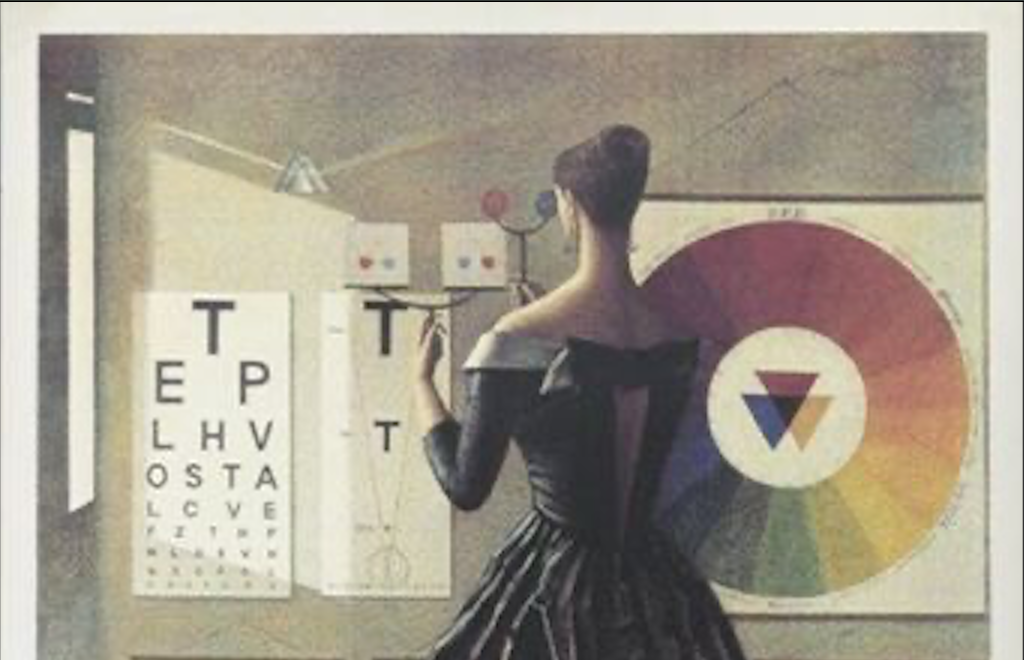
In his painting Santa Lucía – La Vista, Spanish artist Sigfrido Martín Begué pays tribute to the patron saint of vision.
Santa Lucía – La Vista, Sigfrido Martín Begué (1990)
Santa Lucía – La Vista
Sigfrido’s Santa Lucía – La Vista is a vibrant painting about vision. The large eyes in the foreground are a big clue that this is Santa Lucía. With her back facing the viewer, we cannot see her eyes at all. Like the other Santas, she is wearing a Balenciaga-inspired dress. She is taking a vision test. On the wall, the artist created a gallery of paintings, including all kinds of visual tests and examinations. Finally, one sees a small demon in the foreground with visual trickery often used by painters.
About Santa Lucía
Santa Lucía (283-304) originated in Syracuse, Italy. She was the daughter of a Roman nobleman who died when she was only five years old. Santa Lucía pledged her virginity to God and gave her riches to the poor. Unfortunately, her widowed mother had already promised her to a wealthy pagan. When her betrothed learned of the disbursement of her dowry, he denounced her to the governor. As legend has it, they attempted to defile and burn her at the stake, but she survived. She died after gouging out her eyes. Miraculously, claims that her eyes were intact when unearthed in the 16th century still prevail.
[maxbutton name=”STA LUCIA”]
The Art of Martín Begué
Sigfrido Martín Begue, c. 1989 (Photo courtesy Mar Estrada)
Sigfrido Martín Begué’s art is surreal and futuristic at the same time, drawing upon painterly techniques of Italy and Spain’s neoclassical painters. His work embraces modern and contemporary societal themes while deploying deeply-rooted Christian symbolism and metaphors. The artwork style recalls De Chirico and El Greco with a post-modern twist. Sigfrido’s figures are often elongated and stylized, and the color palette is bold in places and muted in others. His sense of humor and irony is evident in almost every major work.
Sigfrigo’s portfolio included his pencil drawings to large-scale oil paintings executed with the precision of his Spanish predecessors. His paintings fit into large contemplative themes, from Los Automátas to Las Máquinas. All of the dresses depicted in the series were inspired by the fashion designs of Cristóbal Balenciaga, who opened his first clothing boutique in 1917 in San Sebastián, Spain.
Artist Series Available for Collectors
Santa Lucía – La Vista (1989) was one of a series of five paintings about the senses in the exhibit Máquinas. Produced by Galería Mar Estrada, the exhibition was a solo show of Sigfrido Martín Begué’s most grandiose paintings. Máquinas was a tour-de-force display of the artist’s prolific technique. His images demonstrate fluency in history and in-depth knowledge of saints. Evident is a passion for fashion and a fascination with technology. He loved architecture, composition, and design, which are second only to his command of artistic symbolism.
To celebrate the 30th anniversary of the exhibit Máquinas, a few signed and numbered silk-screens of Santa Lucía – La Vista are available for purchase.

 The Guggenheim Museum Bilbao was the brainchild of Thomas Krens, the then-director of the Solomon R. Guggenheim Foundation, and Frank Gehry, an architect celebrated for his daring and unconventional designs. Krens envisioned a museum that would not only expand the Guggenheim’s global reach but also serve as a catalyst for revitalizing Bilbao, a city that had been suffering from industrial decline and economic stagnation.


 Despite the political risks and the near-tragic attack on Puppy, the museum has not only survived but thrived, becoming an enduring symbol of Bilbao’s renaissance. For those fascinated by the intersection of culture, politics, and urban development, the Guggenheim Museum Bilbao offers valuable lessons in how visionary projects can change the course of a city’s history, even in the face of significant challenges.