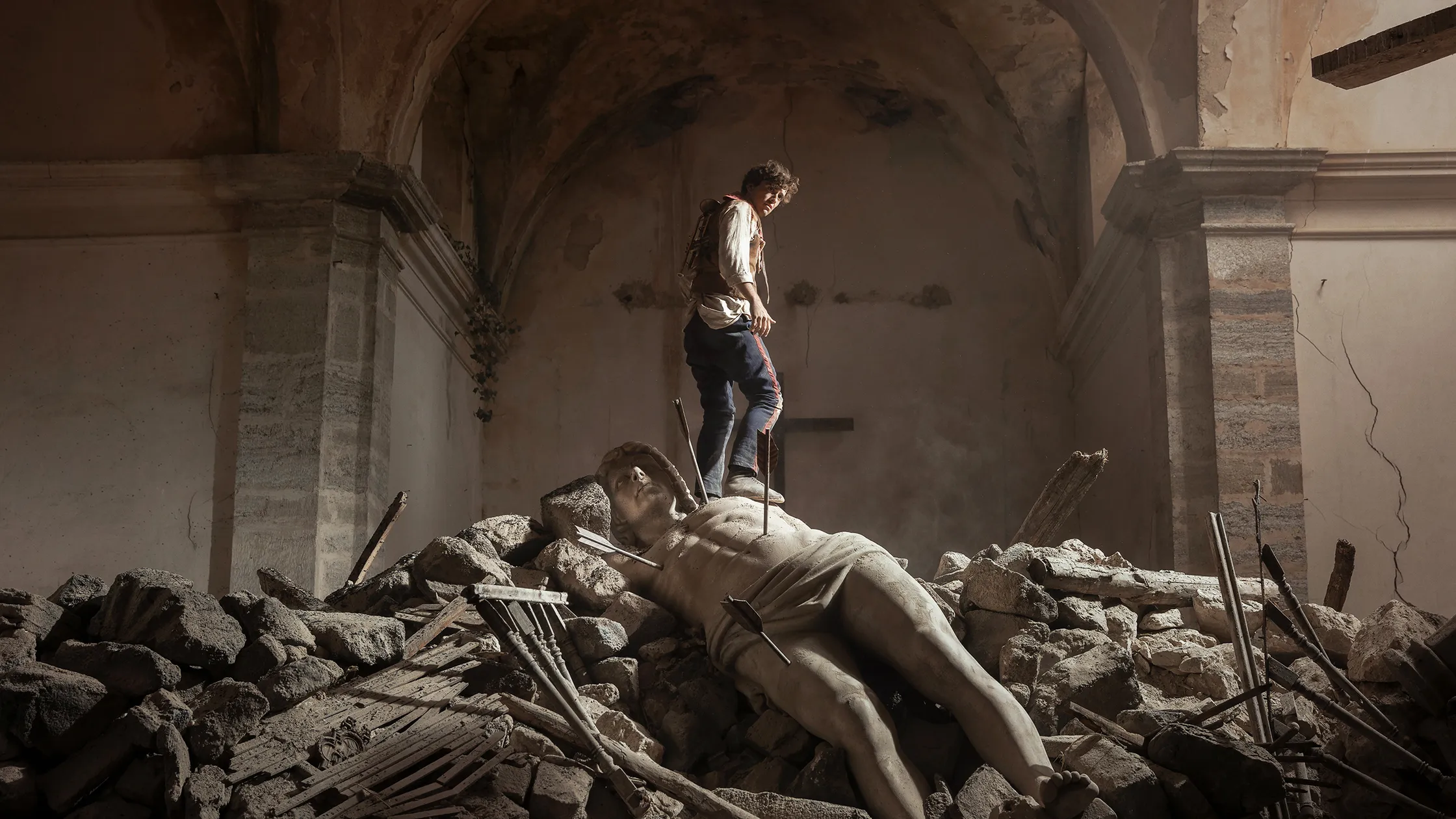
Some stories reach us intact. Others survive as fragments: a name, a rumor, a silence in a family, a life that history never thought to record. La bola negra begins with one such fragment, Federico García Lorca’s unfinished play, and expands it into a film about what happens when queer lives are pushed out of the official story.
The film moves across three periods, connecting men whose lives are separated by time but joined by the risks of being seen. In one story, a young man is rejected by a prestigious club because of rumors about his sexuality. In another, a Nationalist soldier is assigned to guard a wounded Republican prisoner and falls in love with him. In the present, a queer historian follows an inheritance toward a past his family has left obscured.
That structure could feel like a puzzle assembled to make its point. Instead, the timelines make the point emotionally: history is not only what survives in documents. It is also what people conceal, what families refuse to explain, and what later generations must learn to read between the lines.
I was drawn to the film’s attention to those gaps. I have long been interested in the way a life can be reconstructed from images, objects, memories, and omissions. La bola negra understands that recovering the past is never a neutral act. The historian is not simply gathering facts. He is discovering how the past has shaped the present, and how much of himself is bound up in what was withheld.
The film’s romance matters because it gives these histories a human scale. The love between Sebastián and Rafael exists in a brutal world that offers them little room for a future. The film does not pretend that love cancels the violence around them. It lets tenderness exist inside that violence, which makes the tenderness feel more consequential.
That emotional ambition may strike some viewers as melodramatic. I found the question more interesting than the label: has the film earned the scale of its feeling? Its answer lies in the way the personal and the historical keep pressing against each other. The romance is not separate from the story of war, repression, and memory. It shows what those forces threaten to erase.
The film’s most affecting idea is that recovering a hidden life can change the meaning of the present. The past does not become less painful once it is known. But it becomes less solitary. Someone can finally recognize the shape of what happened, and another person can inherit more than silence.
La bola negra is an expansive film about queer history, but its deepest subject is the work of recognition: seeing the people who were left out, and understanding that their stories belong to us.
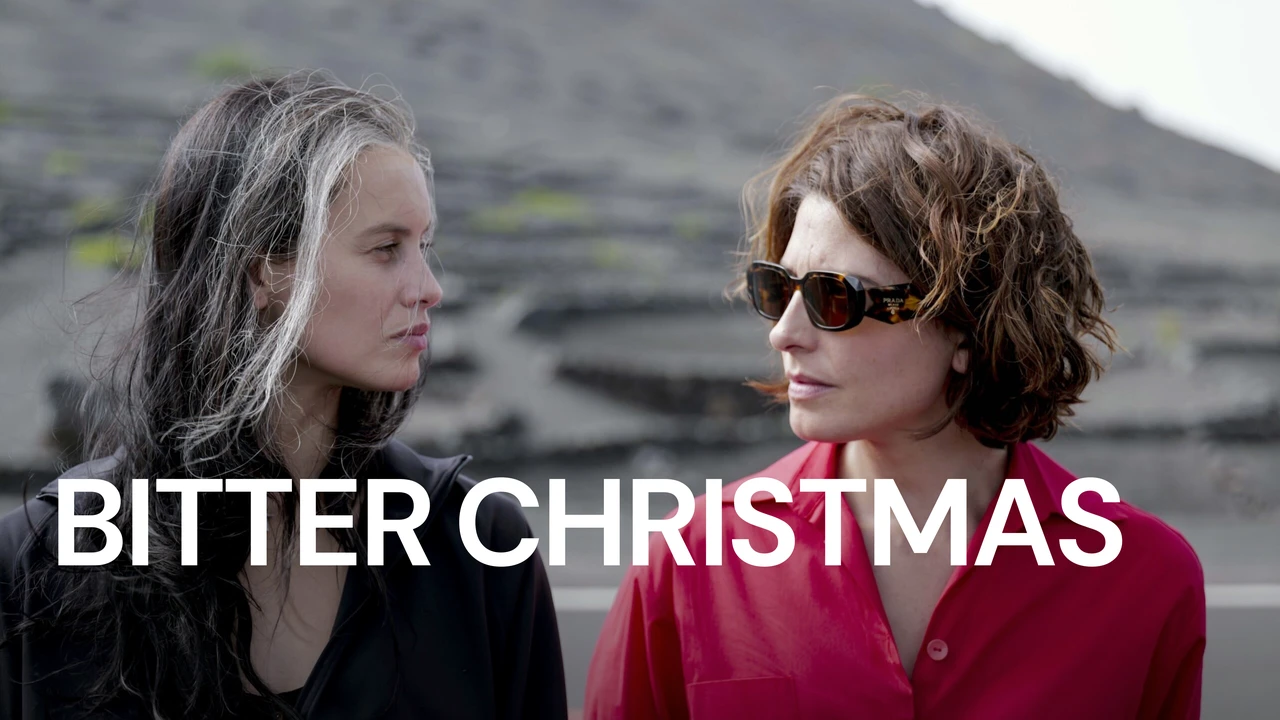
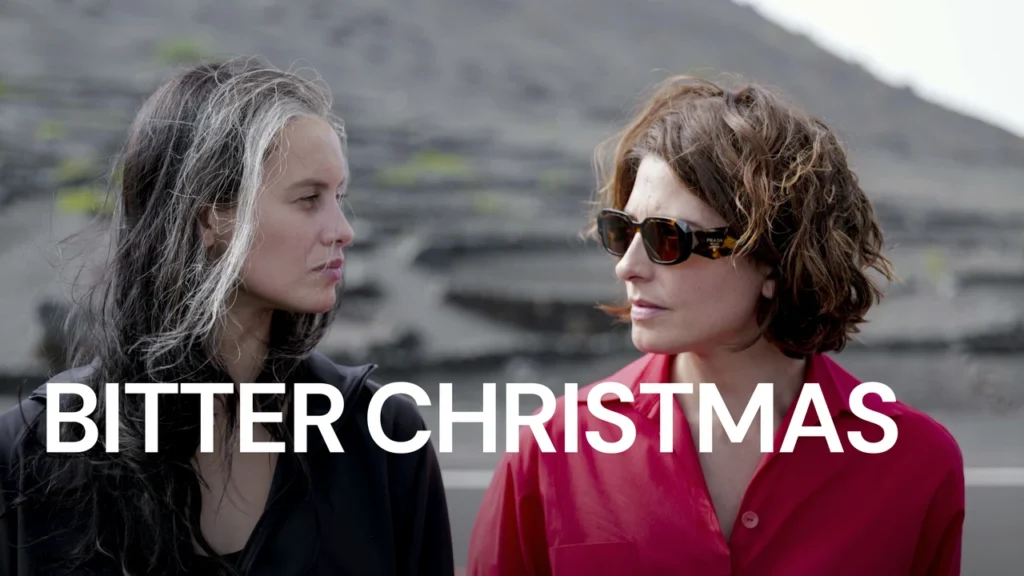
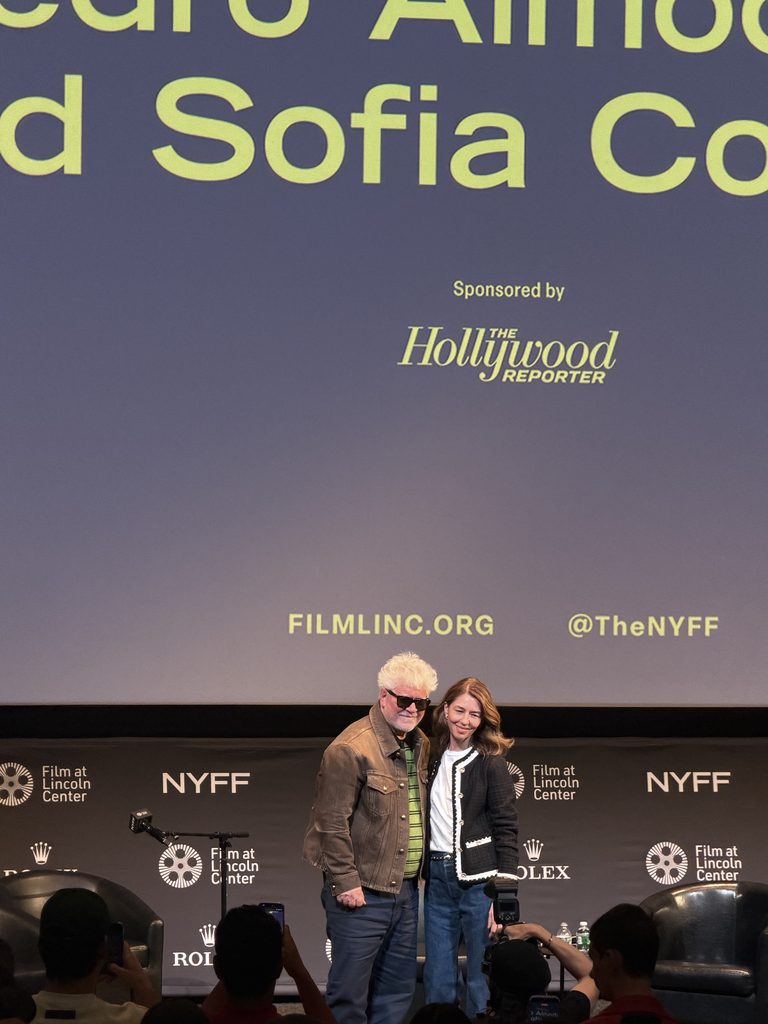
At the New York Film Festival screening of Bitter Christmas, I found myself responding to Pedro Almodóvar through several layers of recognition: the filmmaker whose work has accompanied me for decades, the visual storyteller whose eye continues to move me, and the man whose creative world intersects with my memories of Madrid.
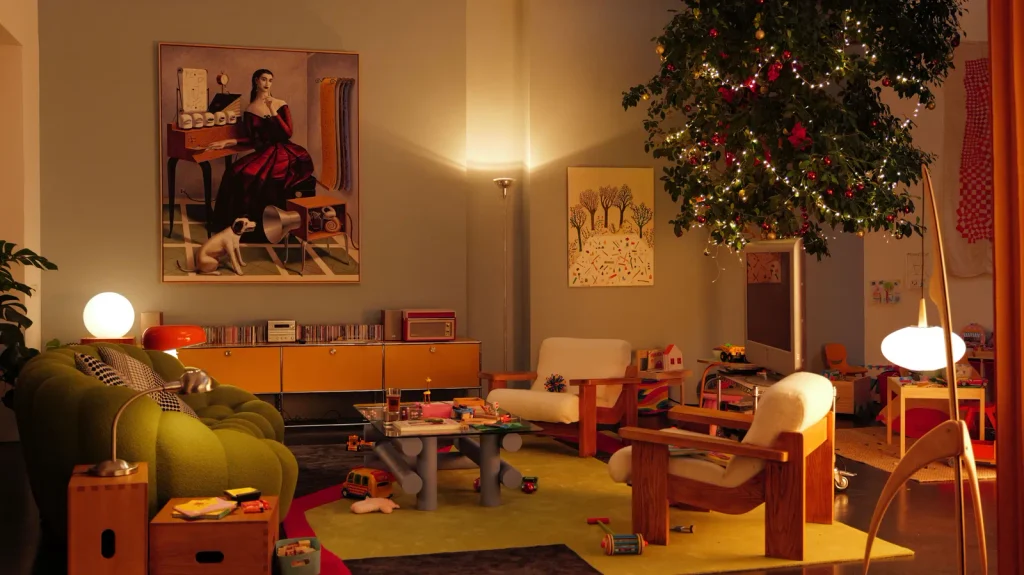
My connection to his cinema has always been visual. With my background in art and design, I pay attention to the paintings, furniture, colors, and relationships between objects. In Pedro’s films, these choices have emotional weight. A room tells us something about the person who inhabits it before that person speaks. A painting can introduce another story within the story we are watching.
Sigfrido Martín Begué is an important part of that connection. Having known Sigfrido, I bring something personal to seeing his work in Pedro’s cinematic world. In my earlier writing about Pain and Glory, I discussed his paintings Las Costureras and Santa Casilda – El Olfato, and the friendship between the artist and the filmmaker. Their presence gave those interiors a particular resonance for me. There were people and relationships behind the images.
Sigfrido’s combination of classical references, theatricality, invention, and irony offers a useful way of looking at Pedro’s films. Both invite us into carefully constructed worlds where beauty accommodates strangeness. Elegance and absurdity can occupy the same space. The visual pleasure draws us in, then gives us something less comfortable to consider.
That connection continues in Bitter Christmas, which includes Sigfrido’s 1987 Santa Cecilia in Patricia’s apartment. For me, the inclusion opens a conversation across different moments in Pedro’s work, and between cinema and painting. It also makes me think about how an artist’s presence survives through the choices of others: what they collect, what they display, and what they bring into view again.
This gave particular weight to Pedro’s comment about the selfishness of writers who draw friends and family into their stories. I was moved by his acknowledgment. What happens when someone close to us becomes material? Whose version of a shared experience survives? The writer has the power to arrange, omit, and give the story its ending.
I found myself considering a related question through the art: how do we carry people into our work? A painting on a wall can become a form of remembrance. Its meaning changes when we know something about the person who made it and the person who chose to place it there.
Yet my admiration for the visual world of Bitter Christmas did not entirely resolve my reservations about its storytelling. Some of the material felt repetitive. I recognized emotional concerns Pedro has explored before, but did not always feel that I was discovering something new within them. My eye remained engaged even when my involvement in the narrative weakened.
Perhaps that response reveals my own expectations. I still long for the Pedro drawn to subcultures, unconventional desires, unruly people, and the possibilities of lives lived outside social approval. My years in Madrid are part of that attachment. His earlier films belong to my understanding of a place and a period, as well as to my history as a viewer.
Seeing him in person added another dimension. He looked older than I had expected, and seemed comfortable inhabiting his age. The attentiveness of his partner beside him was touching. It made me conscious of the years through which both an artist and his audience travel.
I want to leave room for the filmmaker he is becoming. At the same time, I miss the surprise I once associated with entering his world. The art still brings me close. Sigfrido’s presence deepens that connection. But I am still chasing that Pedro, hoping his next story will take me somewhere I did not know I wanted to go.
About Sigfrido Martín Begué
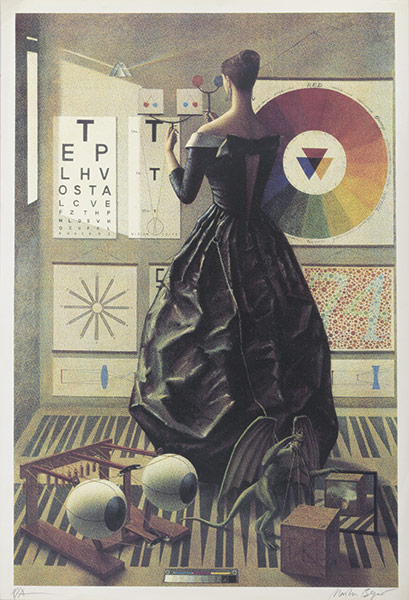
Sigfrido Martín Begué (Madrid, April 19, 1959 – December 31, 2010) was a painter, architect, and designer, and one of the defining artists of La Movida Madrileña. He began painting in the late 1970s as part of Los Esquizos, a figurative group that drew on Pop art, cinema, comics, and popular music.
Santa Lucía – La VistaSanta Cecilia – El Oído (Courtesy Mar Estrada)
Trained at the Madrid School of Architecture, he brought an architect’s eye to painting: geometric compositions, classical forms, and a fearless use of color. His work draws on Mannerism, mythology, and the Renaissance and Baroque, often staging scenes that are at once elegant and quietly unsettling. He received a fellowship at the Spanish Academy in Rome, where his series Los sentidos (The Senses) was first exhibited, and he also taught and designed for the stage, creating sets and costumes for opera, ballet, and theater.
His saints, from Santa Casilda and Santa Lucía to Santa Cecilia, are among his best-known images. His paintings are held in public collections including the Centro de Arte Dos de Mayo (CA2M), the La Caixa Collection, and the Museo Patio Herreriano in Valladolid.
To explore more of his work, including screenprints of his saints, visit Universo Sigfrido.
Expanding Fundraising Capacity for Small Nonprofits
August 2026–Present
Opportunity Abundance is an AI-assisted development consulting company created to help small and emerging nonprofit organizations build the fundraising capacity they need to fulfill their missions.
Many nonprofits operate without dedicated development staff, reliable donor systems, or the time required to identify and pursue funding opportunities. Opportunity Abundance gives these organizations access to practical development expertise, research capacity, and administrative support without the expense of adding a full-time position. The company combines artificial intelligence with more than 30 years of nonprofit and cultural-sector leadership. AI supports the first stage of research, organization, and analysis; every recommendation and deliverable then receives a human overlay grounded in institutional experience, judgment, and knowledge of the philanthropic landscape.
Key Services
Grant Prospecting and Readiness
Identifies foundation, corporate, and government funding opportunities aligned with each organization’s mission, programs, geography, eligibility, and funding needs. Research is translated into a prioritized pipeline rather than a generic list of prospects.
Proposal Development
Prepares funder research, application narratives, letters of inquiry, supporting language, calendars, and copy-and-paste-ready submission materials. The process is designed to reduce the burden on nonprofit leaders while keeping the organization in control of every final submission.
Donor and Corporate Research
Develops qualified lists of individual, corporate, and institutional prospects, supported by information that helps organizations understand capacity, interests, relationships, and potential points of connection.
Development Systems
Helps organizations establish and improve donor databases, gift records, appeals, campaigns, reporting practices, and ongoing stewardship workflows. Services include CRM selection, data cleanup, imports, and the creation of practical systems that staff can sustain.
Opportunity Abundance launched with paid nonprofit consulting engagements in Maryland and beyond. Current work includes strengthening fundraising systems, building institutional and corporate prospect pipelines, developing grant proposals, organizing historical donor data, and supporting a major preservation and expansion campaign for Poe Baltimore.
The company also works with cultural organizations and community institutions facing urgent needs but limited internal development capacity. Each engagement is tailored to the organization’s actual priorities, resources, and readiness.
The Vision
Opportunity Abundance is building a more accessible model for nonprofit development—one that allows smaller organizations to benefit from sophisticated research, stronger systems, and experienced strategic guidance.
Technology makes the work faster and more comprehensive. Human experience makes it credible, selective, and useful. The goal is not simply to produce more information. It is to help nonprofit leaders identify the right opportunities, make stronger decisions, build lasting relationships, and move important work forward.
More capacity. Better opportunities. Stronger organizations.
Building the Digital Infrastructure for Cultural Discovery
June 2025–Present
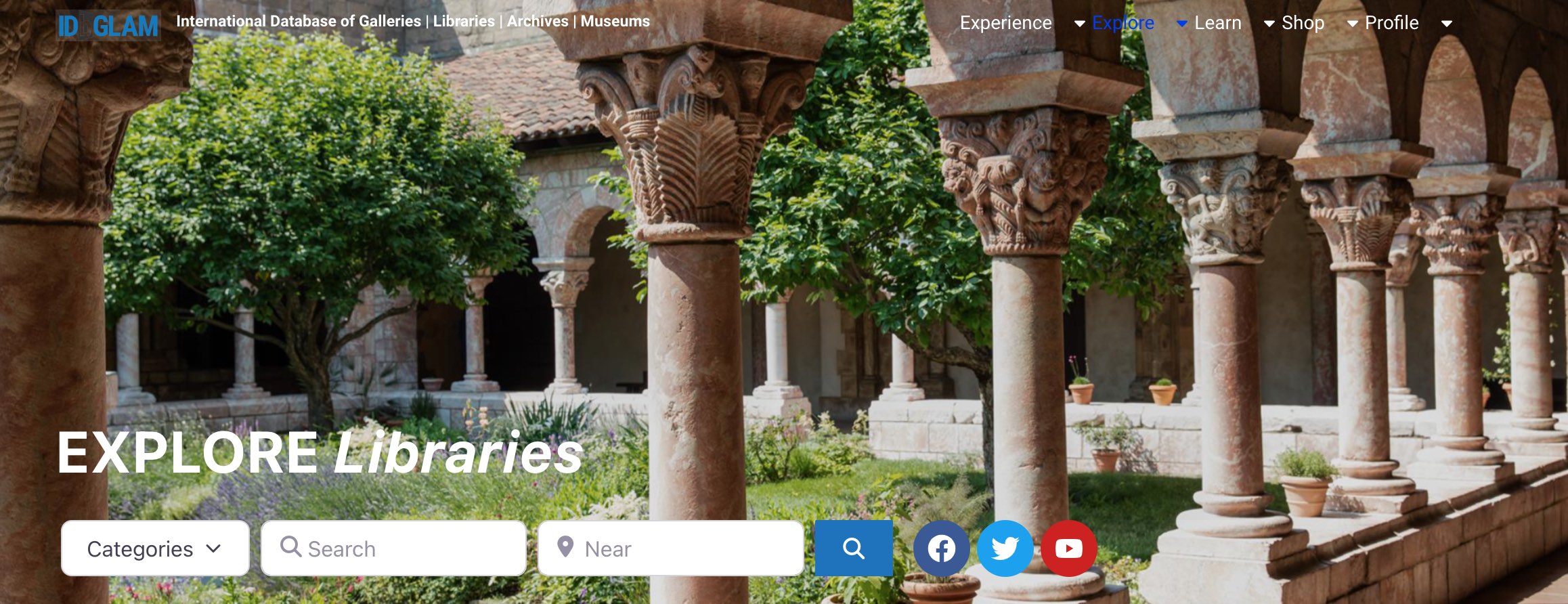
IDbGLAM—the International Database of Galleries, Libraries, Archives, and Museums—is a new digital discovery platform designed to make the world’s cultural organizations, collections, exhibitions, events, and experiences easier to find and explore.
Version 2.0 transforms IDbGLAM from a directory of digital resources into a connected cultural ecosystem. Beginning with Baltimore as its proof of concept, the platform brings together museums, historic sites, libraries, archives, galleries, cultural centers, universities, theaters, festivals, public art, and heritage destinations in one searchable, location-based network.
Users can discover what is nearby, explore cultural places by category, find current exhibitions and events, and connect directly with participating organizations. Institutions gain greater visibility, stronger connections to local audiences, and access to digital tools that many smaller organizations cannot develop independently.
Key Developments
A Connected Cultural Directory Built an expandable database that connects cultural organizations with their locations, programs, exhibitions, events, collections, and institutional relationships.
Baltimore Proof of Concept Selected Baltimore—one of the nation’s most culturally and historically rich cities—as the first demonstration market, creating a model that can be expanded regionally, nationally, and internationally.
AI-Assisted Database Building Developing tools that can identify cultural organizations, gather publicly available information, detect missing data, and prepare new listings for human review—dramatically reducing the time required to build and maintain the database.
Location-Based Discovery Introduced maps, proximity searches, category filters, and “near me” functionality to help residents and visitors understand the cultural landscape around them.
Events and Experiences Expanded beyond institutional listings to connect users with exhibitions, performances, tours, festivals, public programs, and other cultural experiences.
Stronger Institutional Profiles Designed richer listings that can include organizational relationships, social media, accessibility information, amenities, collections, events, digital experiences, and related venues.
Shared Digital Infrastructure Created a platform where organizations of every size can benefit from enhanced visibility and technology without each institution having to build these systems independently.
Sustainable Growth Model Developed a tiered structure that keeps basic participation accessible while creating premium opportunities for institutions, destinations, associations, vendors, sponsors, and cultural-sector partners.
The Vision
IDbGLAM 2.0 is more than a directory. It is infrastructure for the cultural sector—a shared system that makes cultural resources visible, connected, and useful. By revealing the relationships among places, collections, programs, communities, and technology, IDbGLAM can support cultural tourism, education, research, preservation, audience development, and economic growth. The platform begins in Baltimore and is designed to scale from Baltimore to the world.
Current Impact
IDbGLAM 2.0 is establishing the foundation for a comprehensive cultural discovery network: one that helps the public find meaningful experiences, helps organizations reach wider audiences, and helps communities understand the full scale and value of their cultural assets.
When I joined The Peale as Executive Director, I stepped into a museum with an extraordinary legacy and a wide-open opportunity: to strengthen Baltimore’s Community Museum as a home for creativity, storytelling, and collaborative civic culture.
Over the past year, that vision has taken shape across programs, partnerships, facilities, and the very way The Peale welcomes the city into its historic spaces.
Completing the Campus Experience
The upcoming Silhouettes Café will enhance The Peale’s current visitor experience by complementing our existing shop, refreshing our garden spaces, and restoring alley access that will allow smoother entry into the museum grounds.
These improvements are timed to support major upcoming events—including Artscape 2026, Sondheim, Spark!, and expanded Peale programming that will activate the museum’s indoor and outdoor spaces for artists, performers, and visitors.
Rendering of the Moses Williams Center and the new café
The café will strengthen The Peale as a destination where people gather, linger, and participate in creative life.
Expanding Community Exhibitions and Programs
The Peale continues to champion exhibitions shaped with and by Baltimore communities. Building on our legacy, we are developing more juried art exhibitions that explore Life in Baltimore, amplifying the city’s many voices—artists, activists, students, storytellers, and neighborhood historians.
Our performance and concert programming is also growing, anchored by our baby Steinway piano and partnerships with Chamber Music Maryland, among others.
These programs reinforce The Peale’s position as a space where Baltimore’s creative diversity can flourish.
Building Workforce Pathways
The Guild @ The Peale—our restoration arts and museum trades apprenticeship program—has become a cornerstone of our work. Through hands-on experience inside Baltimore’s oldest museum building, apprentices develop skills in preservation, gallery work, and the restorative arts while supporting real projects throughout the facility.
The Guild’s partnerships continue expanding across Maryland, connecting apprentices to meaningful career pathways and ensuring that Baltimore’s heritage trades reflect the community they serve.
Innovation, Storytelling, and Digital Creativity
This year also marked the growth of The Lab @ The Peale, co-led with Nancy Proctor. The Lab experiments with emerging media—AR and VR tools, immersive audio, digital timelines, influencer-driven storytelling, and experiential interpretation.
Whether developing new digital and accessibility strategies, The Lab ensures The Peale remains at the forefront of museum storytelling and community-centered media creation.
Partnerships & Vision for Baltimore’s Creative Future
This year we have deepened relationships across the city and state, securing grants and collaborations with organizations that share our commitment to community-driven cultural work. Whether through preservation apprenticeships, digital storytelling initiatives, or expanded public programs, these partnerships ensure that The Peale continues to thrive as a cultural anchor.
Looking ahead, the museum is preparing to play a major role in:
Sondheim Semifinalist during Artscape 2026, with accessible indoor and outdoor programming
New community juried exhibitions about Baltimore
Digital storytelling projects through The Lab
Expanded apprenticeship training through The Guild
Activation of garden and alley spaces through Silhouettes Café
Together, these initiatives build a Peale that is future-facing while deeply rooted in Baltimore.
The Work Continues
The Peale remains Baltimore’s Community Museum because the people of Baltimore continue to shape it. My role has been to strengthen the financial foundations, complete the infrastructure, further the vision, and strengthen and increase partnerships that help the institution serve as a platform for creativity, storytelling, and civic pride.
IDbGLAM is an innovative platform designed to centralize access to digitized collections and digital experiences offered by GLAM institutions worldwide. Leveraging advanced technologies like AI, VR, and AR, the platform aggregates and distributes cultural heritage experiences, serving as the “channel” for the digital GLAM sector. It connects users with tools and content from platforms such as Google Arts & Culture, Bloomberg Culture, and Smartify, while supporting institutions in enhancing their digital presence.
Discover the Best Galleries, Libraries, Archives, and Museums Worldwide
Immerse yourself in the world of galleries, libraries, archives, and museums. Unearth the global heritage and appreciate the beauty of different cultu
Key Contributions:
Platform Development: Conceptualized and built IDbGLAM as a robust, scalable digital platform to address the growing need for a centralized resource in the GLAM sector.
User Engagement: Engaged with over 4,800 industry professionals on LinkedIn and secured early adopters from university museums, achieving 20% month-over-month growth.
Digital Integration: Collaborated with Symplistic.ai to integrate AI chatbot technology and introduced user competitions through GamiPress to boost engagement.
Community Outreach: Fostered partnerships with academia, including the Pratt DX Center and Illinois Digital Heritage Hub, and sought feedback from professional communities like AAMG and MCN to refine the platform.
Revenue Strategy: Developed a freemium model to democratize access for small institutions while offering advanced tools for premium subscribers.
Impact:
IDbGLAM has become a vital resource for GLAM institutions, connecting them to a global audience and promoting cultural heritage preservation in the digital age. With traction across multiple sectors, IDbGLAM is poised to redefine how cultural content is experienced and accessed worldwide.
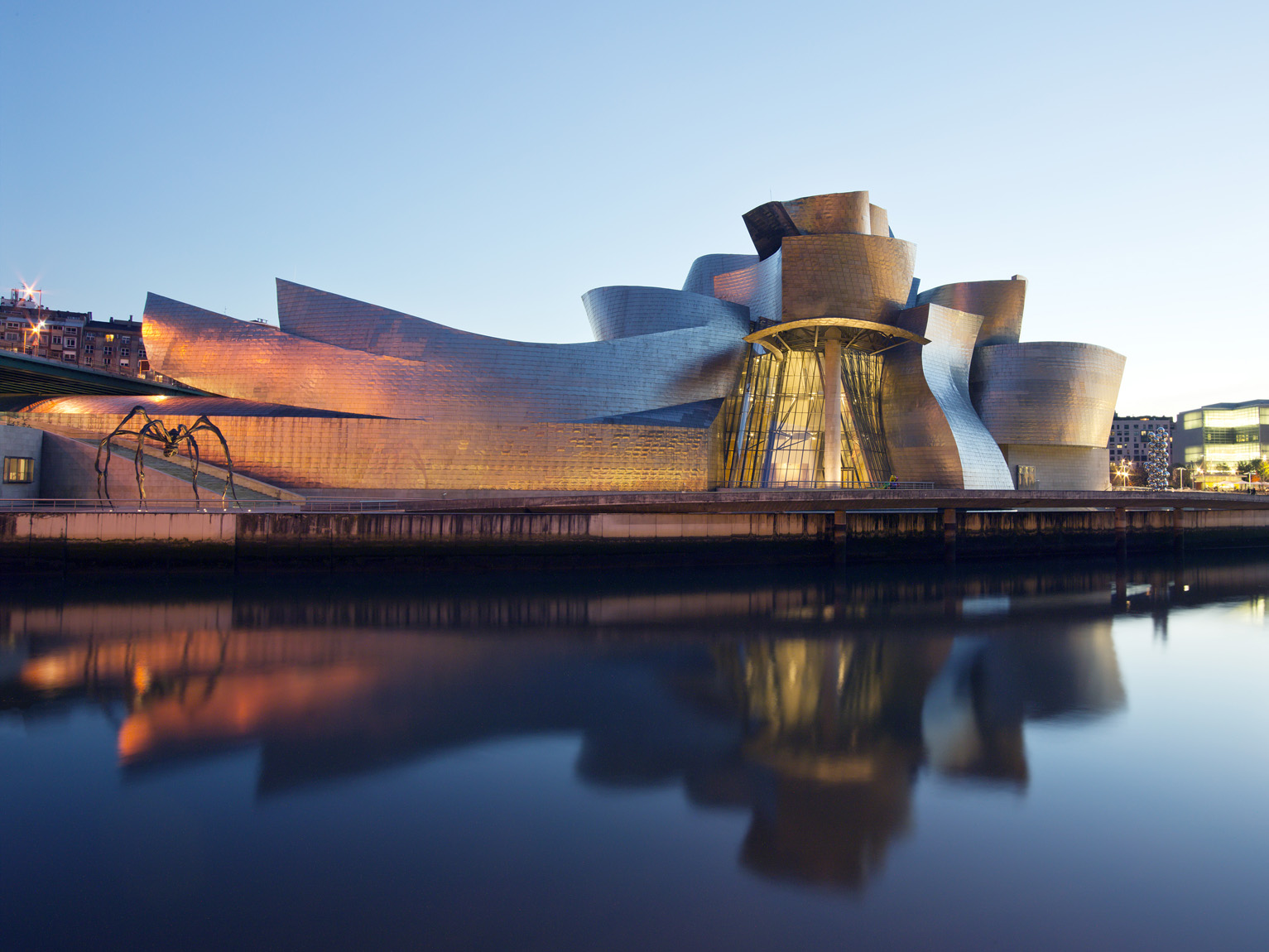
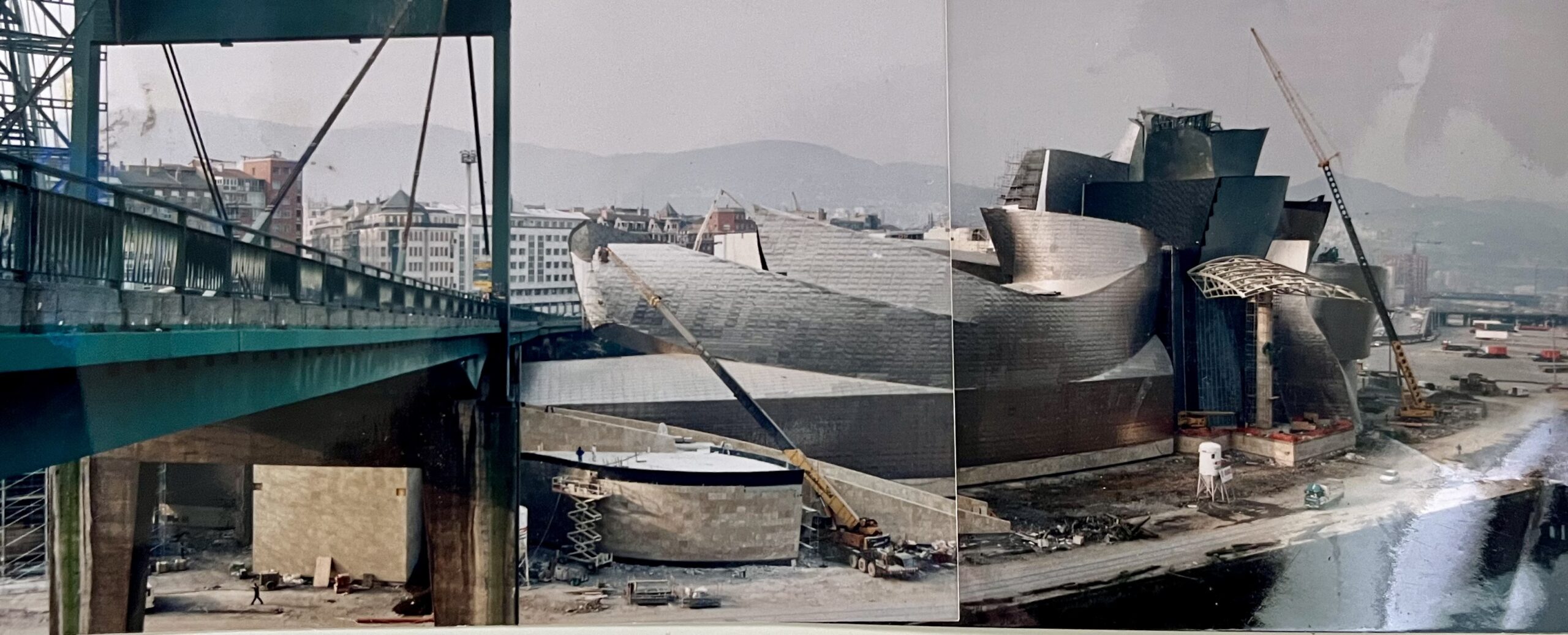
The Guggenheim Museum Bilbao, which opened its doors on October 19, 1997, stands as an enduring symbol of cultural transformation, urban regeneration, and the complex interplay of politics and regional identity. Situated in the heart of the Basque Country—a region known for its rich cultural heritage and history of political unrest—the museum’s creation was marked by innovative vision, architectural brilliance, and significant risks, including a near-tragic terrorist attack just days before its grand opening.
The Visionaries: Thomas Krens and Frank Gehry
The Guggenheim Museum Bilbao was the brainchild of Thomas Krens, the then-director of the Solomon R. Guggenheim Foundation, and Frank Gehry, an architect celebrated for his daring and unconventional designs. Krens envisioned a museum that would not only expand the Guggenheim’s global reach but also serve as a catalyst for revitalizing Bilbao, a city that had been suffering from industrial decline and economic stagnation.
The Bilbao effect: how Frank Gehry’s Guggenheim started a global craze
Opened 20 years ago this month, the glittering titanium museum had a wow factor that cities around the globe were soon clamouring to copy
Frank Gehry’s architectural design was nothing short of groundbreaking. The museum’s undulating forms and shimmering titanium façade redefined contemporary architecture and quickly became an iconic symbol of Bilbao. Gehry’s innovative approach to design transformed the museum itself into a work of art, drawing global attention even before its opening.
Krens and Gehry’s collaboration was pivotal in turning the museum into more than just a cultural institution. They succeeded in creating a landmark that would become the centerpiece of a broader urban renewal strategy, attracting visitors from around the world and reshaping the city’s identity.
The Basque Region: Navigating a Complex Political Landscape
The decision to build the Guggenheim Museum in Bilbao was not without significant political challenges. The Basque Country, or Euskadi, has a strong sense of cultural identity and a history of political turbulence, particularly related to its aspirations for greater autonomy from Spain. The region had been marred by violence, most notably from the separatist group ETA (Euskadi Ta Askatasuna), which sought to establish an independent Basque state.
A House Divided
No one denies that Thomas Krens, the Guggenheim’s controversial director, has put the museum on the map—literally, figuratively, and, some say, dangerously. But is Krens’s empire on murky financial ground?
Local reactions to the museum project were mixed. While many saw it as an opportunity to rejuvenate Bilbao and showcase Basque culture on an international stage, others were critical of the extensive public funds allocated to the project, especially in a region with pressing social and economic issues. The museum was viewed by some as a potential target for those opposed to the Spanish state’s influence in the region.
The Terrorist Threat: The Attack on Jeff Koons’ Puppy
The political risks associated with the museum were starkly highlighted just a week before its opening. On October 12, 1997, members of ETA attempted to sabotage the project by planting explosives inside Puppy, a large floral sculpture by Jeff Koons that stood in front of the museum. This attack underscored the tensions in the Basque region, where cultural and political aspirations were deeply intertwined with the threat of violence.
Guggenheim Built in Spain Opens Under Militant Cloud (Published 1997)
Inauguration of Guggenheim Museum in Bilbao, Spain, goes ahead under heavy security because of threat that Basque separatist group ETA will disrupt ceremony; museum represents Bilbao’s desire to turn its back on its recent past of industrial decay and separatist violence and to present new image of economic and urban renewal to world; Frank O Gehry, American, is museum’s architect; map; photo (M)
Fortunately, the attack was thwarted by the Basque police, who arrested the perpetrators before the explosives could be detonated. The prevention of this attack allowed the museum’s opening to proceed as planned, though it was a sobering reminder of the political risks that the project had navigated.
Despite this close call, the Guggenheim Museum Bilbao opened without incident, marking the beginning of a new chapter for the city and the region. The museum’s success, even in the face of such threats, demonstrated the resilience and determination of those who believed in the project.
Urban Renewal and Economic Impact
The Guggenheim Museum Bilbao’s impact on the city’s urban landscape was nothing short of transformative. Prior to the museum’s construction, Bilbao was an industrial city in decline, characterized by aging infrastructure and a lack of international appeal. The museum became the centerpiece of an ambitious urban renewal project that revitalized the Abandoibarra area, where it is located.
Guggenheim Museum Bilbao
This renewal included not only the museum itself but also the development of new public spaces, parks, and infrastructure that turned Bilbao into a modern, livable city. The museum became the focal point of a broader effort to regenerate the city, attracting investment and boosting the local economy.
Economically, the museum has had a profound impact on Bilbao. It quickly became a major tourist attraction, drawing millions of visitors from around the world and generating substantial revenue for the local economy. The “Bilbao Effect” became a term used to describe how cultural institutions could drive urban and economic regeneration, with Bilbao becoming a model for other cities seeking similar transformations.
However, the document also likely addresses the complexities of sustaining this momentum and the challenges of replicating the “Bilbao Effect” in other contexts. It emphasizes the importance of strategic planning and consideration of local conditions when attempting such ambitious cultural projects.
Conclusion: A Legacy of Vision, Creativity, and Resilience
The Guggenheim Museum Bilbao stands as a testament to the power of visionary leadership, architectural innovation, and resilience in the face of adversity. It is a story of how a bold idea, supported by strategic investment and creative genius, can transform a city and leave a lasting impact on its cultural and economic landscape.
Despite the political risks and the near-tragic attack on Puppy, the museum has not only survived but thrived, becoming an enduring symbol of Bilbao’s renaissance. For those fascinated by the intersection of culture, politics, and urban development, the Guggenheim Museum Bilbao offers valuable lessons in how visionary projects can change the course of a city’s history, even in the face of significant challenges.
The COVID-19 pandemic was a seismic event that forced museums and libraries to shut their doors, shifting their focus to digital platforms almost overnight. As physical spaces became inaccessible, these cultural institutions had to adapt quickly, discovering new ways to reach and engage their audiences digitally. From virtual tours and online exhibitions to live-streamed events and digital archives, the shift to digital opened up new possibilities for global outreach. But, as the world emerged from the pandemic and restrictions eased, many institutions are retreating from these digital innovations, refocusing only on live programs. This article explores how museums and libraries have missed a crucial opportunity by not sustaining their digital momentum in the post-COVID world, while also highlighting examples of those who got it right.
The Digital Shift During COVID-19
During the pandemic, museums and libraries found themselves at a crossroads. With physical doors closed, they turned to digital platforms to continue serving their communities. This shift led to a surge in online content, including virtual tours, webinars, online workshops, and more. Institutions before viewing digital as a supplementary tool began to see it as an essential means of connection. For many, this period of digital innovation allowed them to reach broader, more diverse audiences, including those who never have set foot in their physical locations.
One of the most famous examples of this digital shift was the National Cowboy & Western Heritage Museum in Oklahoma. During the pandemic, the museum’s security guard, Tim Send, took over its social media accounts and quickly became an internet sensation.
Meet The Security Chief Making Social Media Feeds Extra Delightful
Through the coronavirus pandemic, security guard Tim Tiller is often at the National Cowboy
Learn more
His endearing, humorous posts not only entertained audiences but also dramatically increased the museum’s online following.
This example underscores the power of digital engagement, where creativity and authenticity can significantly boost an institution’s profile.
Another example is the Getty Museum in Los Angeles, which launched the #GettyMuseumChallenge. The museum encouraged people to recreate famous artworks using household items, a challenge that went viral and generated enormous engagement.
The challenge highlighted how digital content fosters creativity and community during difficult times.
The Getty Museum Challenge Is Now a Book
Own a timeless selection from the social media phenomenon, with all profits going to charity
Learn more
The happiest of endings is the publication of a book including the best of submissions. Talk about engagement, the Getty’s program is something to be copied for continued engagement.
Post-COVID: A Retreat from Digital?
As the pandemic subsided and institutions reopened, there was a noticeable retreat from the digital-first strategies that had been so successful during COVID-19. Museums and libraries, eager to reestablish their on-site presence, shifted their focus back to in-person programming. While this return to physical spaces was essential for community engagement and economic recovery, it often came at the expense of the digital innovations developed during the pandemic. Many institutions scaled back their online offerings, viewing them as temporary solutions rather than permanent strategies.
Unfortunately, not all institutions can survive the financial strain of prolonged closures, leading to permanent closures for some. For example, the San Francisco Art Institute, a historic institution known for its art programs and galleries, closed its doors in 2022 after 151 years of operation. The pandemic exacerbated its financial difficulties, and despite efforts to sustain the institution, it closed.
Fortunately for the community, the school was purchased with an endowment of roughly $30 million. Importantly, the new arts nonprofit’s advisory committee is made up of senior heavy hitters in the SF art arena
Living Computers Museum to Close Permanently
The museum will begin auctioning some of its massive collection of vintage gear this year.
Learn more
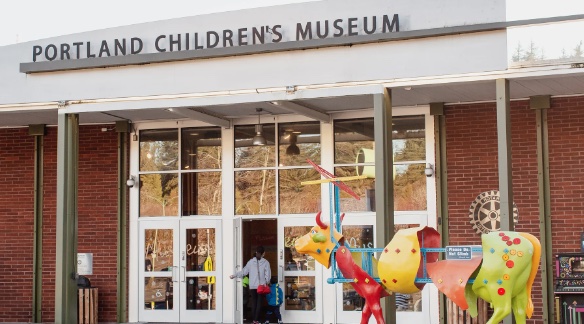
The Portland Children’s Museum, located in Portland, Oregon, was a beloved institution dedicated to the education and enrichment of children through interactive and imaginative play. Unfortunately, the Portland Children’s Museum permanently closed its doors in June 2021 due to financial difficulties exacerbated by the COVID-19 pandemic. The decision to close was a significant loss for the community, as the museum had been a cherished resource for families for many years.
Efforts are in motion to rebuild a new children’s museum for the city.
Missing the Portland Children’s Museum? Replacements are in the works
Groups are working to create options for kids in the suburbs — but a new, permanent museum is years away.
Learn more
These closures highlight the precarious position that many cultural institutions found themselves in during the pandemic. While some can adapt and innovate, others struggle to survive, demonstrating the critical need for a balanced approach that includes both digital and physical engagement.
The Missed Opportunity
The retreat from digital is a missed opportunity for museums and libraries. The pandemic demonstrated that digital platforms significantly expand the reach and impact of these institutions, connecting them with global audiences and offering new ways to experience culture and knowledge. By scaling back digital efforts, many institutions have inadvertently alienated the new audiences they had attracted during the pandemic. Additionally, the hybrid model—where digital and in-person experiences coexist—offers a sustainable path, allowing institutions to continue reaching those who can’t visit in person while enhancing the on-site experience with digital elements.
Who Got It Right?
While many institutions retreated from digital, some recognized the potential of maintaining and even expanding their online presence. The New York Public Library (NYPL) is a prime example of an institution that continued to rank digital engagement post-COVID. During the pandemic, the NYPL ramped up its digital content, offering virtual storytimes, online book clubs, and expanded access to its digital collections. Rather than scaling back as physical branches reopened, the NYPL has continued to invest in its digital platforms, recognizing that they offer a unique way to reach audiences beyond the city.
Calendar: Online Events & Classes at NYPL
The New York Public Library is here to help people of all ages learn and engage with their communities through our online classes, programs, book clubs, and more. Discover our wide array of free online offerings.
Learn more
Another excellent example is the Smithsonian Institution, which embraced a hybrid model by enhancing both its online and on-site offerings. The Smithsonian created the “Smithsonian Open Access” initiative, making millions of images and resources freely available online for public use.
This commitment to digital accessibility has not only expanded the Smithsonian’s reach but also reinforced its role as a leader in educational resources.
Smithsonian Open Access | Smithsonian Institution
Welcome to Smithsonian Open Access, where you can download, share, and reuse millions of the Smithsonian’s images—right now, without asking. With new platforms and tools, you have easier access to more than 4.9 million digital items.
Learn more
The Missed Opportunity
The retreat from digital is a missed opportunity for museums and libraries. The pandemic demonstrated that digital platforms significantly expand the reach and impact of these institutions. They connect them with global audiences and offer new ways to experience culture and knowledge. By scaling back digital efforts, many institutions have inadvertently alienated the new audiences they had attracted during the pandemic. Additionally, the hybrid model—where digital and in-person experiences coexist—offers a sustainable path. By allowing institutions to continue reaching those who can’t visit in person while enhancing the on-site experience with digital elements.
Social Media: A Missed Marketing Opportunity
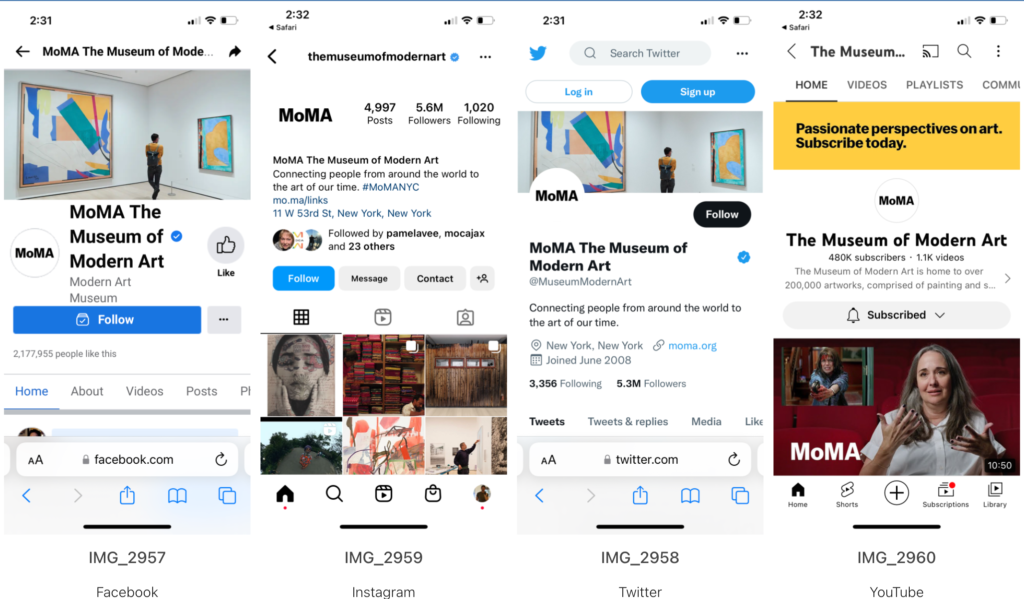
One of the most puzzling aspects of the post-COVID digital retreat is the way many museums and libraries bury their social media links at the bottom of their websites. During the pandemic, social media emerged as one of the most powerful tools for engaging with audiences worldwide.
These platforms allowed institutions to share content quickly, foster community interactions, and keep visibility even when physical spaces were closed. Yet, despite this proven effectiveness, many institutions still treat social media as an afterthought.
Museum Social Media Heroes
Since COVID-19, museum social media managers have been heroes for their institutions. During the shutdowns, social media managers sustained museum operations virtually and changed how they prioritize digital content.
Learn more
Post-COVID, social media should be front and center on museum and library websites. They serve as the main attraction for online visitors. These channels are not just marketing tools. They are dynamic platforms for delivering content, engaging with users, and building global communities. By relegating social media links to the bottom of their websites, institutions miss out on the best opportunity to reach new audiences and keep relevance in an increasingly digital world.
Why Digital Should Stay a Priority
Global Reach: Digital platforms break down geographical barriers, allowing institutions to reach a global audience. This expanded reach can drive engagement, increase visibility, and attract new supporters.
Accessibility: Digital content can make museums and libraries more accessible to people with disabilities, those with limited mobility, and others who face barriers to physical attendance.
Innovation: Maintaining a strong digital presence encourages ongoing innovation, allowing institutions to experiment with new formats, technologies, and ways of engagement.
Resilience: A robust digital strategy can help institutions stay resilient in the face of future disruptions, whether due to pandemics, natural disasters, or other unforeseen events.
Conclusion
The COVID-19 pandemic was a turning point for museums and libraries, pushing them to embrace digital platforms in ways they had never done before. But, as these institutions move ahead, they mustn’t lose sight of the lessons learned during the pandemic. By prioritizing digital engagement, museums and libraries can stay relevant, accessible, and resilient in an ever-changing world. The future of these institutions lies not in a return to the past but in a hybrid model that fully integrates the digital with the physical, offering the best of both worlds to their audiences.
The digital transformation of galleries, libraries, archives, and museums (GLAMs) has opened new avenues for engaging audiences worldwide. Digital exhibits offer a dynamic way to present collections and narratives, making cultural heritage more accessible. This article delves into some of the leading technology platforms that assist GLAM institutions in creating compelling digital exhibits, evaluating their strengths, limitations, and notable examples of use.
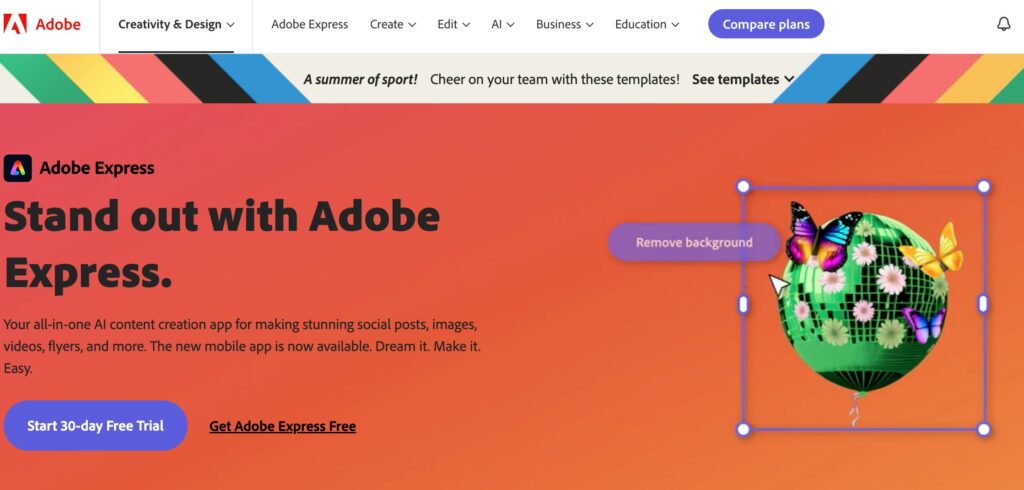
Adobe Express
Adobe Express is an intuitive, versatile tool that can significantly enhance the creation and presentation of digital exhibits for Galleries, Libraries, Archives, and Museums (GLAMs). With its range of design templates, multimedia integration, and easy-to-use interface, Adobe Express allows institutions to craft visually compelling and interactive digital exhibits without the need for extensive technical expertise.
Learn more
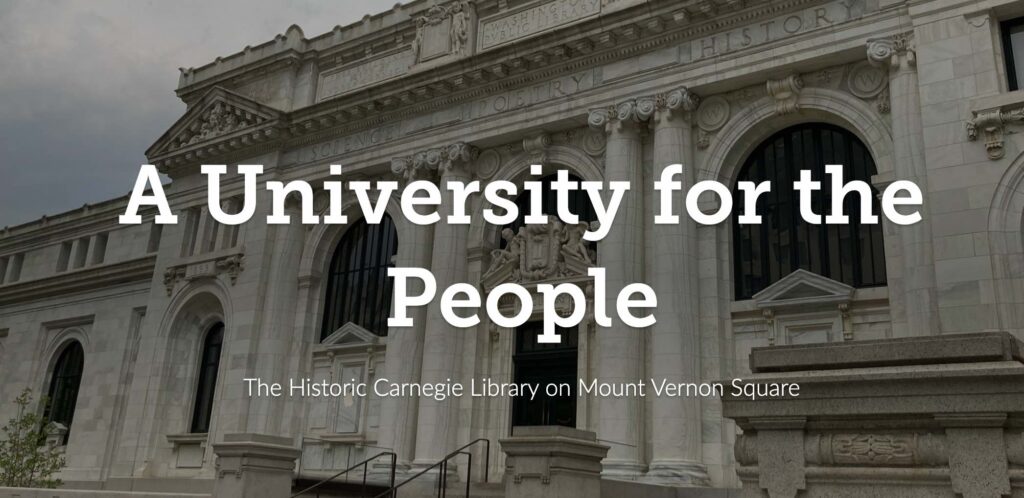
DC History Center
Engraved on the benches in front of the building, the phrase, “A University for the People” reminds visitors that the Carnegie Library has represented public access to knowledge since its inception.
Learn more
Features and Strengths
Design Templates: Adobe Express offers a wide variety of pre-designed templates that can be customized to fit the specific needs of an exhibit. This includes templates for posters, social media posts, web pages, and more.
Multimedia Integration: The platform supports the incorporation of various media types, including images, videos, and audio, allowing for rich, engaging content. This multimedia approach can help bring exhibits to life and provide a deeper understanding of the subject matter.
Ease of Use: With its drag-and-drop interface, Adobe Express is accessible to users with varying levels of design experience. This user-friendly approach allows GLAM institutions to create professional-quality exhibits quickly and efficiently.
Brand Consistency: Adobe Express enables institutions to maintain consistent branding across all digital content. This is crucial for building a recognizable and professional online presence.
Collaboration: The platform supports collaborative work, allowing multiple team members to contribute to the design and creation process, which can be particularly useful for larger projects.
Limitations
Limited Advanced Features: While Adobe Express is excellent for basic to intermediate design tasks, it may lack some advanced features available in other Adobe products like Photoshop or Illustrator.
Subscription Model: Access to the full range of Adobe Express features requires a subscription, which might be a consideration for smaller institutions with limited budgets.
Curatescape
Curatescape is a mobile and web-based platform designed for storytelling and digital exhibits. It allows institutions to create location-based narratives, incorporating multimedia content such as images, audio, and video. Curatescape is particularly suited for outdoor exhibits and heritage trails, offering an engaging way to explore cultural heritage. Examples include the Cleveland Historical project and the Fremont Historical Society using Curatescape for local history tours. The platform’s reliance on mobile technology might limit accessibility for audiences without smartphones or reliable internet access.
Learn more
Explore Baltimore Heritage
Explore Baltimore Heritage helps historians, students and residents tell the stories behind Baltimore’s buildings and neighborhoods.
Learn more
Features and Strengths
Location-Based Storytelling: Curatescape leverages geolocation technology to create place-based narratives. This allows users to explore stories tied to specific locations, enhancing the context and engagement of exhibits.
Multimedia Integration: The platform supports various media types, including images, audio, video, and text. This multimedia approach helps create rich, engaging narratives that appeal to diverse audiences.
User-Friendly Interface: Curatescape is designed to be easy to use, both for institutions creating content and for end-users interacting with the exhibits. The platform’s intuitive design ensures a smooth user experience.
Responsive Design: The platform is optimized for both web and mobile devices, ensuring that exhibits are accessible to users regardless of their device. This is particularly important for location-based storytelling, where users might be exploring sites in real-time on their smartphones.
Customizable and Scalable: Curatescape offers customization options that allow institutions to tailor the platform to their specific needs. Additionally, it can handle projects of varying sizes, making it scalable for both small and large institutions.
Community and Support: Curatescape has a supportive community and offers resources such as tutorials and documentation. This helps institutions get the most out of the platform and troubleshoot any issues.
Limitations
Dependence on Mobile Technology: The platform’s reliance on mobile devices for location-based features might limit accessibility for audiences without smartphones or reliable internet access.
Technical Setup and Maintenance: While user-friendly, setting up Curatescape and integrating it with existing systems can require technical expertise. Ongoing maintenance and updates might also necessitate technical support.
Cost Considerations: While Curatescape offers valuable features, there are costs associated with its use, which might be a consideration for smaller institutions with limited budgets.
Google Arts & Culture
Google Arts & Culture is a powerful platform that allows GLAM institutions to create interactive digital exhibits. It offers high-resolution images, virtual tours, and tools to build engaging stories around collections. The platform’s extensive reach and user-friendly interface are significant advantages, making it easy for institutions to showcase their collections to a global audience. Notable examples include the Van Gogh Museum’s virtual tour and the Rijksmuseum’s Night Watch. However, some institutions may find the customization options limited compared to other platforms.
Learn more
The Night Watch
Google Arts & Culture features content from over 2000 leading museums and archives who have partnered with the Google Cultural Institute to bring the world’s treasures online.
Learn more
Features and Strengths
High-Resolution Imaging: Google Arts & Culture allows institutions to upload high-resolution images of their artifacts, enabling users to explore details that might be missed in person. The zoom feature provides an in-depth look at artworks and artifacts.
Virtual Tours: The platform supports 360-degree virtual tours, allowing users to virtually walk through museums and galleries from anywhere in the world. This feature is particularly beneficial for institutions looking to reach a global audience.
Storytelling Tools: Google Arts & Culture offers tools to create narrative-driven exhibits. Institutions can combine images, videos, audio, and text to build comprehensive stories around their collections, enhancing user engagement.
Extensive Reach: As part of Google, the platform has a vast audience. Exhibits created on Google Arts & Culture can reach millions of users worldwide, increasing visibility and engagement for institutions.
User-Friendly Interface: The platform is designed to be intuitive and easy to use, both for creators and end-users. This ease of use helps institutions create and share content quickly and effectively.
Educational Resources: Google Arts & Culture provides resources for educators, allowing institutions to create educational content and lesson plans. This feature helps museums and libraries engage with schools and students.
Cross-Platform Accessibility: The platform is accessible via web browsers and a mobile app, ensuring users can explore exhibits on various devices. This accessibility broadens the audience and allows for greater interaction.
Limitations
Customization Options: While user-friendly, Google Arts & Culture may have limited customization options compared to other platforms. Institutions looking for highly tailored exhibits might find the platform somewhat restrictive.
Content Ownership: Institutions should be aware of content ownership and usage rights when uploading to a third-party platform like Google. It’s important to review and understand the terms and conditions.
Technical Requirements: High-resolution imaging and virtual tours require good technical infrastructure. Institutions without high-quality imaging equipment or technical support might face challenges.
Matterport
In the realm of digital exhibits, Matterport stands out as a cutting-edge platform, transforming how Galleries, Libraries, Archives, and Museums (GLAMs) present their collections. Matterport’s 3D capture technology enables the creation of immersive, interactive virtual tours, allowing institutions to showcase their spaces and artifacts in unprecedented detail.
Learn more
Heinz History Center
This exhibit showcases artwork of more than 100 Americans with Western PA connections on loan from the National Portrait Gallery in DC.
Learn more
Features and Strengths
3D Capture Technology: Matterport uses advanced 3D scanning technology to create highly detailed and accurate virtual replicas of physical spaces. This allows users to explore exhibits as if they were physically present.
Virtual Tours: The platform supports the creation of interactive virtual tours, enabling users to navigate through spaces at their own pace. This feature is particularly valuable for museums and galleries looking to provide remote access to their exhibits.
Dollhouse View: Matterport’s unique “dollhouse” view provides a 3D floor plan of the entire space, offering an overview that helps users understand the layout and context of the exhibit.
Interactive Features: Institutions can enhance their virtual tours with interactive elements such as information tags, multimedia content, and links. These features allow for deeper engagement and provide additional context to the exhibits.
Cross-Platform Accessibility: Matterport tours can be accessed on various devices, including desktops, tablets, and smartphones. This ensures that users can explore the exhibits from anywhere, at any time.
Easy Integration: The platform allows for easy integration with websites and social media, helping institutions share their virtual tours with a wider audience. Embedding Matterport tours on an institution’s website is straightforward and enhances online engagement.
Analytics: Matterport provides analytics tools that allow institutions to track user engagement and understand how visitors interact with their virtual tours. This data can be used to improve the exhibits and enhance user experience.
Limitations
Cost: The advanced 3D capture technology and hosting services come with associated costs, which might be a barrier for smaller institutions with limited budgets.
Technical Expertise: Creating high-quality 3D scans and setting up interactive tours requires some technical expertise. Institutions may need to invest in training or hire external professionals.
Hardware Requirements: Capturing 3D images requires specific hardware, such as a Matterport Pro2 camera or compatible 360 cameras. This additional equipment represents an initial investment.
Museum in a Box
Museum in a Box offers an innovative approach to digital exhibits by combining physical objects with digital content. Institutions can create “boxes” that contain replicas of artifacts accompanied by audio or visual content, which users can interact with through a smartphone or tablet. This platform is particularly effective for educational purposes, providing a tactile and immersive learning experience. Notable examples include the British Museum’s “Museum in a Box” project and Museum in a Box’s use by schools to enhance classroom learning. However, the physical component means that it might not be entirely digital and can incur additional costs for production and shipping.
Learn more
Royal Mint Museum
On 15 February 1971 Britain changed over from the centuries old system of pounds, shillings and pence to a new currency based on 100 pennies to the pound. This change affected the entire nation…
Learn more
Features and Strengths
Physical and Digital Integration: Museum in a Box combines physical replicas of artifacts with digital content. Each artifact can trigger multimedia content when interacted with through a smart device, offering a blended learning experience.
Educational Focus: The platform is designed to enhance learning and engagement, making it ideal for schools and educational programs. It helps students connect with cultural heritage through hands-on interaction and immersive storytelling.
Customizable Content: Institutions can customize the content associated with each artifact, including audio narratives, videos, and images. This flexibility allows for tailored educational experiences that meet specific learning objectives.
Tactile Learning: The physical aspect of Museum in a Box supports tactile learning, which can be particularly beneficial for younger audiences and those with special educational needs. The tangible nature of the artifacts helps reinforce learning through touch and interaction.
Scalable and Portable: The boxes are designed to be portable, making it easy to share and distribute them to various locations, including classrooms, libraries, and community centers. This scalability allows institutions to reach a wider audience.
Interactive and Engaging: By combining physical touchpoints with digital media, Museum in a Box offers an engaging and interactive experience. This interaction helps to keep users interested and actively participating in the learning process.
Limitations
Production and Shipping Costs: Creating and distributing the physical components of Museum in a Box can incur additional costs. Institutions need to consider the expense of producing replicas and shipping them to various locations.
Technical Setup: While the platform is user-friendly, setting up the digital components and ensuring smooth integration with the physical artifacts requires some technical knowledge.
Limited to Physical Distribution: Unlike fully digital platforms, Museum in a Box relies on the physical distribution of artifacts. This can limit immediate accessibility and requires logistical planning.
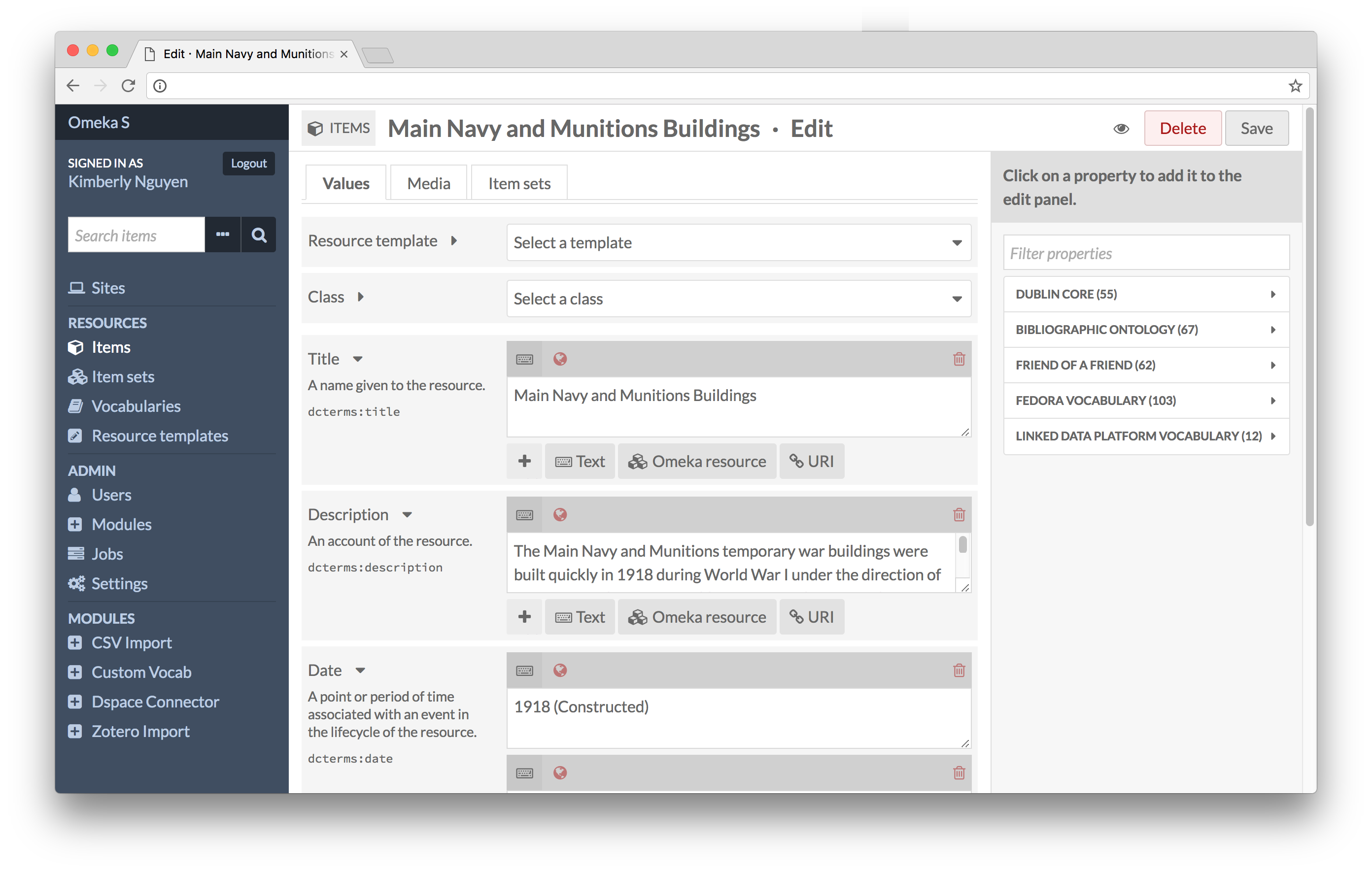
Omeka
Omeka is a flexible, open-source web-publishing platform ideal for creating and managing digital exhibits. It allows institutions to display collections and curate interactive online exhibits with ease. Omeka supports a wide range of plugins that enhance functionality, enabling institutions to tailor the platform to their specific needs. The main limitation is the technical expertise required to set up and maintain the platform, which might be a barrier for smaller institutions without dedicated IT staff. An example of Omeka’s use is the History of Science Collections at the University of Oklahoma, which showcases rare manuscripts and artifacts.
Learn more
Suffragette Stories
This is the Website for the Heritage Lottery funded Suffragette Stories project which used material from the archives of leading suffragettes, Annie Kenney and Jessie Kenney, to inspire conversations in Norfolk schools and community libraries about forgotten legacies and the history of women’s equality.
Learn more
Features and Strengths
Open-Source Flexibility: Being open-source, Omeka offers extensive customization options. Institutions can tailor the platform to meet their specific needs by modifying the code or adding plugins.
Exhibit Building: Omeka allows for the creation of complex, multi-page exhibits with rich multimedia content. Institutions can easily combine images, videos, audio, and text to create engaging and informative presentations.
Metadata Management: The platform supports robust metadata standards, making it easier to catalog and manage digital collections. This ensures that all items in the collection are searchable and well-organized.
Community and Support: Omeka has a strong user community and a wealth of resources available, including forums, documentation, and tutorials. This support network is invaluable for troubleshooting and learning best practices.
Plugins and Themes: Omeka’s extensive library of plugins and themes allows institutions to extend the platform’s functionality. These add-ons can enhance everything from user experience to backend management.
Cost-Effective: As an open-source platform, Omeka is free to use. While there may be costs associated with hosting and customization, it remains a cost-effective solution compared to many proprietary platforms.
Limitations
Technical Expertise Required: Setting up and maintaining Omeka can require a fair amount of technical knowledge, particularly when it comes to customization and plugin integration. Smaller institutions without dedicated IT staff might find this challenging.
Hosting Requirements: Institutions need to manage their own hosting, which involves additional costs and technical responsibilities. This might be a barrier for some organizations.
Performance: Depending on the hosting environment and the size of the collection, performance issues can arise. Large databases and extensive multimedia content can slow down the platform if not managed properly.
Smartify
Smartify is an innovative platform that allows galleries, libraries, archives, and museums (GLAMs) to create interactive digital exhibits using advanced image recognition technology. By transforming how audiences engage with art and artifacts, Smartify provides an immersive and educational experience, making cultural heritage more accessible and engaging.
Learn more
The Art of Mindfulness
A work of art can help us become aware in the present moment. Take thirty minutes to s…
Learn more
Features and Strengths
Cross-Platform Accessibility: Smartify tours can be accessed on various devices, including desktops, tablets, and smartphones. This ensures that users can explore the exhibits from anywhere, at any time.
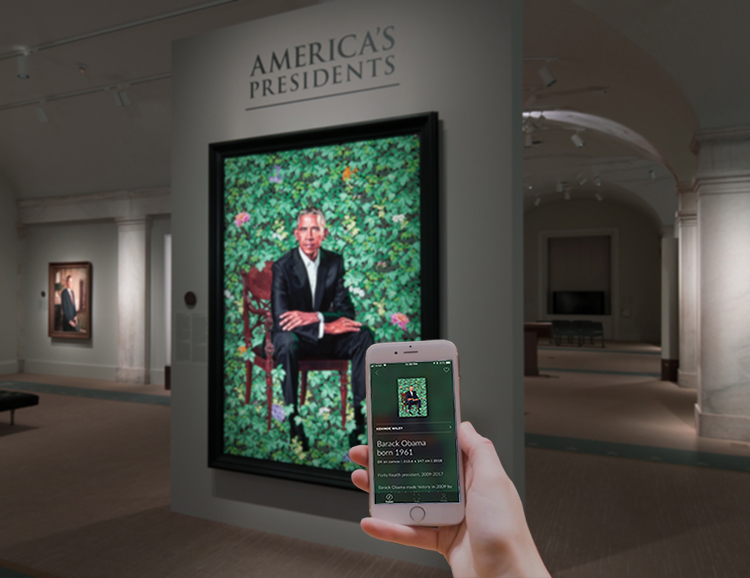
Image Recognition: Smartify’s technology lets users scan artworks with their smartphones to get detailed information, audio guides, and multimedia content about the items. This feature enhances the visitor experience with immediate insights.
Interactive Content: The platform supports the integration of various types of content, including text, audio, video, and interactive elements, providing a richer and more engaging narrative around exhibits.
Personalized Experience: Smartify allows users to create personal collections of their favorite scanned items. This feature encourages deeper engagement and enables users to revisit their collections anytime.
Accessibility: The app makes exhibits more accessible to a global audience by providing content in multiple languages and offering features that cater to diverse user needs, such as audio descriptions for visually impaired users.
Analytics: Smartify offers institutions detailed analytics on user engagement, helping them understand visitor behavior and preferences. This data can inform future exhibit designs and marketing strategies.
Integration with Existing Systems: Smartify can be integrated with an institution’s existing collection management systems, making it easier to manage and update digital content.
Limitations
Initial Setup and Cost: Implementing Smartify requires an initial setup that might include digitizing collections and integrating the platform with existing systems, which can be resource-intensive. The cost of the service may also be a consideration for smaller institutions.
These platforms provide essential tools for GLAM institutions to create engaging and accessible digital exhibits. The choice of platform will depend on the specific needs, resources, and goals of the institution, but each of these options offers unique strengths that can help bring collections and stories to a global audience.
In recent years, Diversity, Equity, Inclusion, and Accessibility (DEIA) initiatives have faced increasing scrutiny and criticism, often labeled as “woke” by some conservative factions. Fueled by rhetoric designed to inflame division, this backlash poses significant challenges for those who foster inclusive and equitable cultural spaces. However, it’s essential to continue advocating for DEIA with a balanced, well-informed approach that addresses concerns while underscoring the critical importance of these principles.
Understanding the Backlash
The term “woke,” originally a call for awareness about social injustices, has been co-opted by some to disparage DEIA efforts. Critics argue that such initiatives impose ideological conformity, undermine meritocracy, and create division rather than unity. This perspective often overlooks the systemic inequities that DEIA seeks to address, reducing complex issues to simplistic, polarized narratives.
Specific Conservative Concerns:
Ideological Conformity: The belief that DEIA enforces a specific political or social ideology.
Meritocracy: Concerns that DEIA undermines merit-based systems.
Division: Fears that DEIA creates societal rifts rather than fostering unity.
The Importance of DEIA in the Cultural Sector
The cultural sector—encompassing museums, galleries, libraries, and other institutions—plays a vital role in shaping societal values and narratives. DEIA initiatives are not merely about representation but about ensuring that all voices are heard and respected.
For instance, a study by the American Alliance of Museums found that diverse and inclusive museums are more likely to engage and resonate with a broader audience, enhancing their relevance and impact (American Alliance of Museums, 2021). Moreover, accessibility initiatives ensure that everyone, regardless of ability, can participate fully in cultural experiences, fostering a sense of belonging and inclusion.
Learn more
Real-Life Examples
Smithsonian Institution
Implemented the “Race, Community, and Our Shared Future” initiative, which has successfully engaged diverse communities through dialogues and exhibitions. This initiative includes a series of public programs and digital content aimed at addressing race and systemic racism in the U.S.
Learn more
British Museum: Accessibility at the Museum
Launched accessibility programs, including tactile tours and sign language tours, ensuring inclusivity for visitors with disabilities. These programs have received positive feedback for enhancing the visitor experience and making the museum more accessible to all
Learn more
Addressing Conservative Criticisms
To engage constructively with conservative critiques, it is crucial to acknowledge their concerns while presenting a balanced view of DEIA’s benefits.
Strategies to Address Criticisms:
Emphasize Common Ground: Highlight shared values like fairness, justice, and opportunity. Many critics of DEIA genuinely care about meritocracy and fairness but may misunderstand the aims of DEIA initiatives. Clarifying that DEIA seeks to level the playing field rather than impose unfair advantages can bridge this gap.
Use Data and Research: Cite studies and data that demonstrate the positive impact of DEIA. For example, McKinsey & Company’s research shows that companies with diverse leadership teams are more likely to outperform their peers (McKinsey & Company, 2020). Similar findings apply to cultural institutions, where diversity can drive innovation and community engagement.
Showcase Success Stories: Highlight examples of successful DEIA initiatives that have enriched institutions without sacrificing quality or excellence. Personal stories and case studies can humanize the abstract concepts of DEIA, making them more relatable and less contentious.
Promote Open Dialogue: Encourage open, respectful conversations about DEIA. Creating forums for discussion allows for the airing of concerns and misconceptions, fostering mutual understanding and cooperation.
Moving Forward
Despite the challenges, it is crucial to persist in promoting DEIA in the cultural sector. This work is not about political correctness but about creating a more just and equitable society. By addressing criticisms thoughtfully and presenting compelling evidence of DEIA’s benefits, we can counteract divisive rhetoric and continue to build inclusive cultural spaces.
As we navigate these complex dynamics, our commitment to DEIA must remain steadfast. The cultural sector thrives on diversity, drawing strength from the myriad voices and experiences that contribute to our shared heritage. By championing DEIA, we ensure that our cultural institutions remain vibrant, relevant, and inclusive for all.
References
American Alliance of Museums. (2021). “Museums and Equity: Data and Research.” Retrieved from American Alliance of Museums.
McKinsey & Company. (2020). “Diversity Wins: How Inclusion Matters.” Retrieved from McKinsey & Company.
By promoting DEIA with clarity, empathy, and evidence, we can effectively counteract conservative critiques and continue fostering inclusive environments within the cultural sector.








 Despite the political risks and the near-tragic attack on Puppy, the museum has not only survived but thrived, becoming an enduring symbol of Bilbao’s renaissance. For those fascinated by the intersection of culture, politics, and urban development, the Guggenheim Museum Bilbao offers valuable lessons in how visionary projects can change the course of a city’s history, even in the face of significant challenges.