Author: John Suau

  • Olympic Museums Worldwide

    Olympic Museums Worldwide

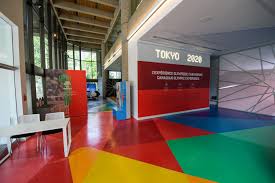
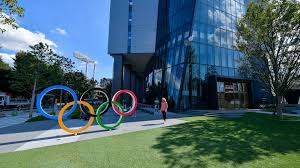
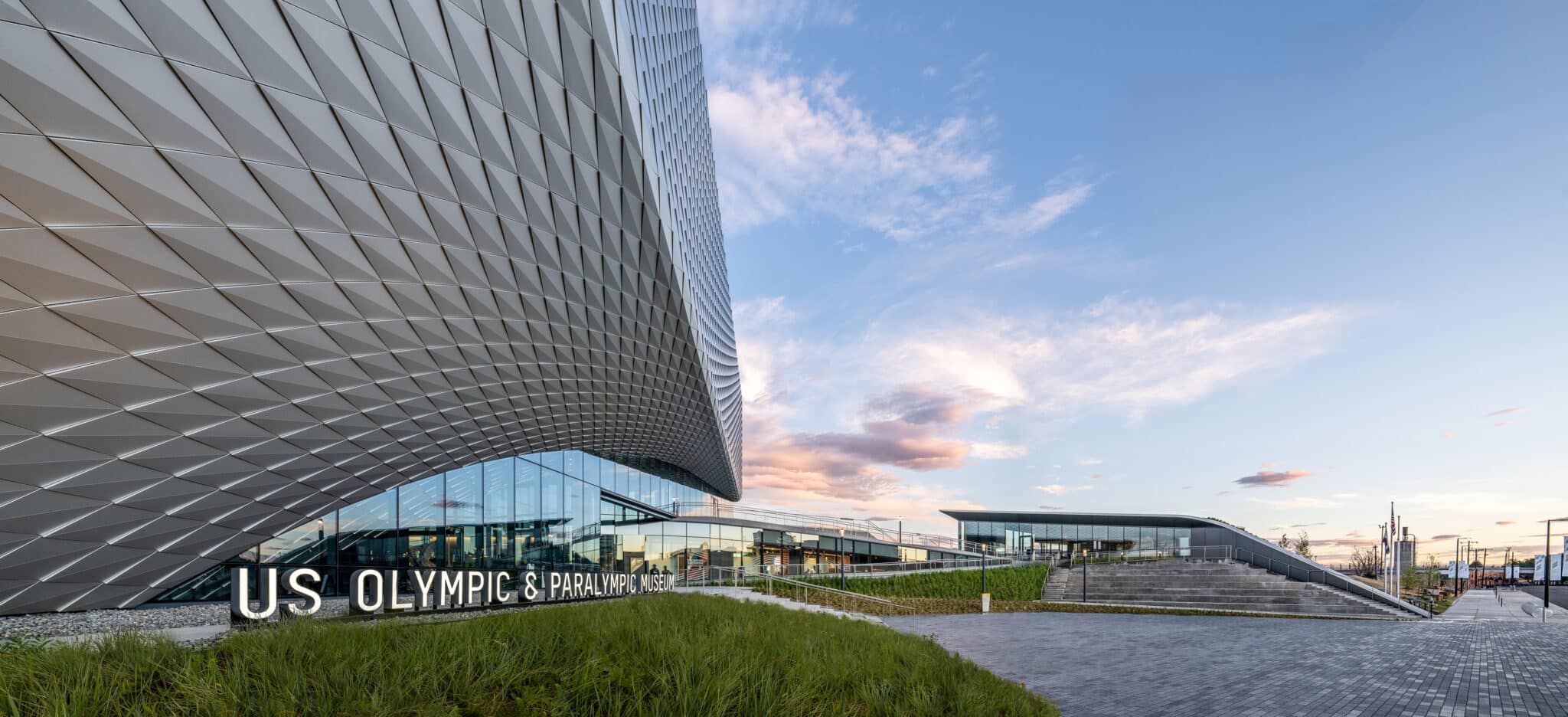
    Olympic museums celebrate the history and spirit of the Olympic Games, showcasing artifacts, memorabilia, and exhibits related to this global sporting event. Here are some notable Olympic museums around the world.

    These Olympic museums offer valuable insights into the history and legacy of the Olympic Games, celebrating the achievements of athletes and the enduring spirit of this global event.

  • Olympic Museums and Libraries of Paris

    Olympic Museums and Libraries of Paris

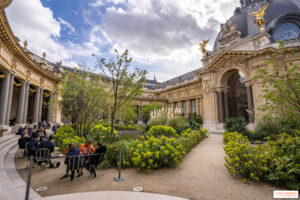
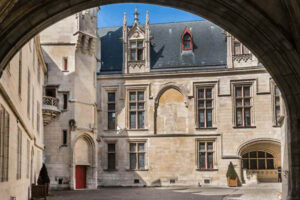
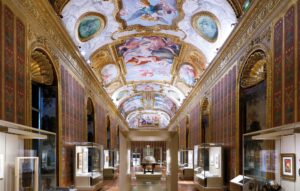
    Paris, the City of Light, is not only known for its romantic ambiance and stunning architecture but also for its rich cultural heritage. The city boasts some of the world’s most renowned museums and libraries, offering a treasure trove of art, history, and literature. Here are some of the greatest museums and libraries you must visit in Paris:

    Museums


    Libraries

    Paris’s museums and libraries offer an unparalleled cultural and educational experience, showcasing the city’s rich artistic and intellectual heritage. Whether you’re an art lover, history enthusiast, or literature aficionado, these institutions provide a deep dive into the world’s cultural treasures.

  • Discover Indigenous Museums Globally: A Cultural Journey

    Discover Indigenous Museums Globally: A Cultural Journey

    Indigenous museums worldwide play a crucial role in preserving and celebrating Indigenous peoples’ rich histories, cultures, and contributions. Here are 15 must-visit Indigenous museums globally:

    These indigenous museums offer a profound insight into the histories, cultures, and contributions of Indigenous peoples worldwide. They provide a platform for preserving and celebrating indigenous heritage, fostering greater understanding and appreciation of these diverse cultures.

  • Public Sector Jobs and the Political Scenario: Project 2025’s Impact on the GLAM Sector

    Public Sector Jobs and the Political Scenario: Project 2025’s Impact on the GLAM Sector

    With Project 2025 looming large on the political horizon, the future of public sector employment, particularly within the galleries, libraries, archives, and museums (GLAM) sector, has become a hot topic of discussion. This ambitious initiative, aimed at significant restructuring and reforms in federal government operations, brings both opportunities and uncertainties. This article explores the implications of Project 2025 for GLAM institutions and whether potential employees should be dubious about pursuing careers in this sector.

    About Project 2025

    Project 2025 is a comprehensive plan designed to streamline federal government functions, improve efficiency, and reduce bureaucracy. It emphasizes modernizing technology, enhancing accountability, and reallocating resources to priority areas. While the initiative promises a more responsive and agile government, it raises concerns about job security, funding, and the potential politicization of cultural and educational institutions.

    GLAM Sector Implications

    For the GLAM sector, the implications of Project 2025 are profound. The plan’s focus on resource reallocation could lead to shifts in funding priorities. Some institutions may receive increased support due to their alignment with national priorities, while others might face budget cuts, impacting their ability to operate and maintain their collections. The National Archives and Records Administration (NARA) and the Smithsonian Institution are prime examples of large GLAM employers within the federal government that could be significantly affected by these changes.

    Job security is another primary concern. The promise of increased efficiency often comes hand-in-hand with workforce reductions or reassignments. Employees in the GLAM sector may face job insecurity as roles are evaluated and potentially eliminated or merged. This uncertainty can significantly deter those considering public-sector employment in these fields. For instance, the Library of Congress, another major employer, may need to reassess its staffing in light of the proposed efficiency measures.

    Technological modernization is a critical component of Project 2025. This could lead to improved digital infrastructure for GLAM institutions, enhancing their ability to reach wider audiences and preserve their collections digitally. However, this requires staff to adapt to new technologies and workflows, necessitating continuous professional development. Expanding its digital presence, the National Gallery of Art exemplifies an institution that could benefit from these technological advancements while facing adaptation challenges.

    As with any significant governmental reform, there is a risk of politicization. GLAM institutions are valued for their objectivity and dedication to preserving cultural heritage. Project 2025’s changes could lead to concerns about political influence over hiring practices, programming, and curation, potentially undermining public trust. The Smithsonian Institution, with its vast array of museums and research centers, is particularly vulnerable to such concerns given its prominent public role. Below is a recent article published by Project 2025’s creator, the Heritage Foundation.

    Future Public Sector Employees

    Whether individuals should be dubious about employment with the federal government in the GLAM sector under Project 2025 is complex. Traditionally, public sector jobs are seen as stable with good benefits. However, the restructuring under Project 2025 introduces uncertainty that potential employees must weigh. The push for modernization and efficiency can create new opportunities for growth and advancement within the GLAM sector. Employees who are adaptable and skilled in technology may find exciting new roles emerging.

    For many working in the GLAM sector, the mission to preserve and promote cultural heritage is paramount. Potential employees need to consider how changes under Project 2025 align with their values and career goals. Despite uncertainties, many are driven to serve the public good. Those with a solid commitment to public service may still find working within the GLAM sector fulfilling, even amidst changes.

    Conclusion

    Project 2025 presents challenges and opportunities for public-sector employment in the GLAM sector. While the initiative aims to enhance efficiency and modernization, it also brings uncertainties regarding job security, funding, and potential politicization. Prospective employees must carefully consider these factors when deciding on a career in the GLAM sector within the federal government. Ultimately, those who are adaptable, mission-driven, and eager to embrace new technologies may find rewarding opportunities even amidst the transformative landscape of Project 2025.

  • GLAMs: Unsung Heroes of Cultural Revenue Generation Amidst Limited Public Support

    GLAMs: Unsung Heroes of Cultural Revenue Generation Amidst Limited Public Support

    In the bustling landscape of urban development, sports venues often steal the spotlight with their grand events and massive crowds. However, the quieter, more understated institutions—Galleries, Libraries, Archives, and Museums (GLAMs)—consistently provide substantial socioeconomic benefits. Despite their significant contributions, GLAMs frequently operate with less public support than their flashier counterparts.

    The Economic Powerhouse of GLAMs

    Cultural Tourism and Revenue Generation
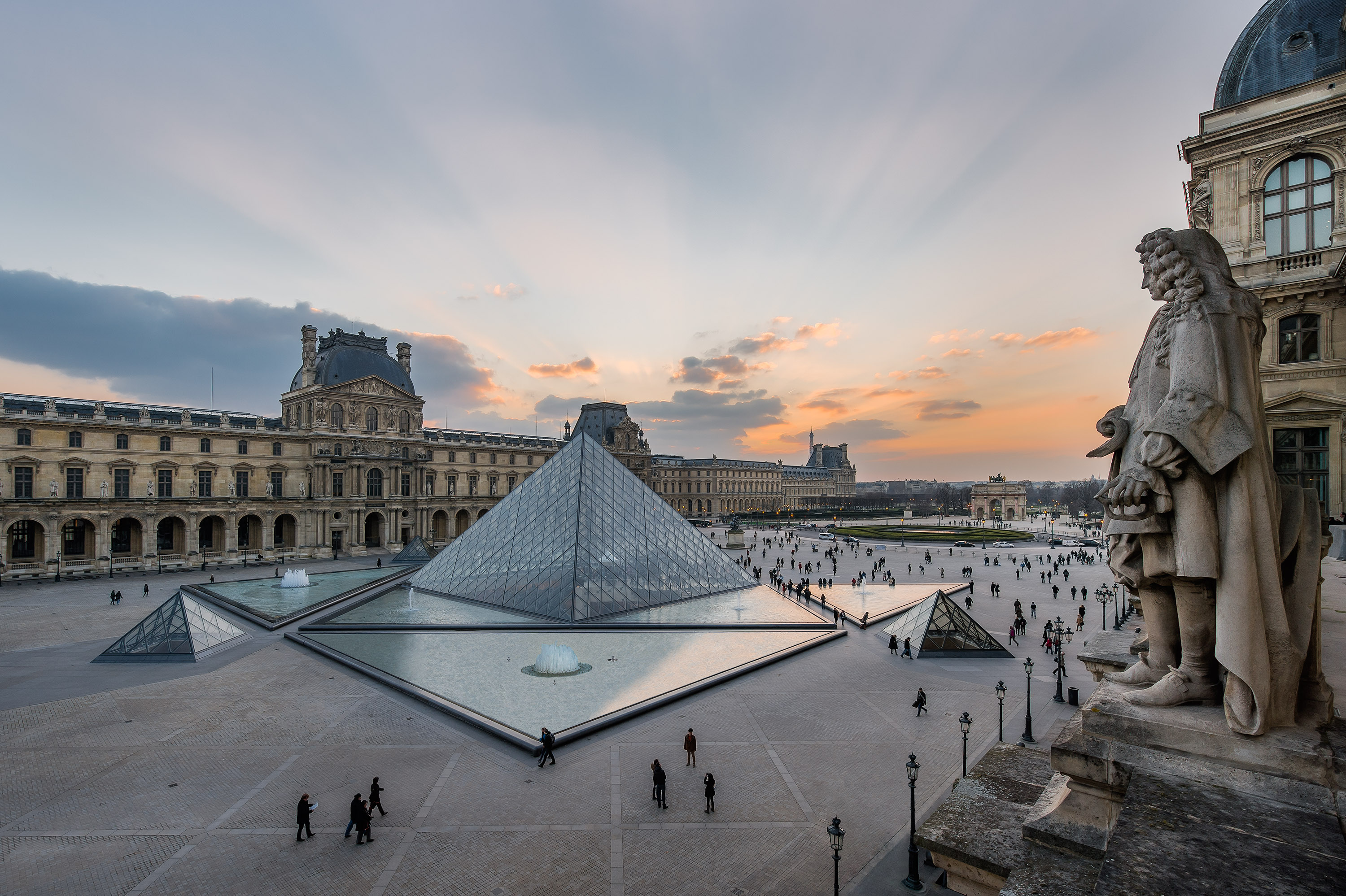
    GLAMs are magnets for cultural tourism. For example, the Louvre Museum in Paris attracted over 9.6 million visitors in 2019. These visitors contribute immensely to the local economy by spending on accommodation, dining, and shopping. The economic ripple effect of such institutions extends well beyond their immediate operations, benefiting a wide array of local businesses. In New York City, the Metropolitan Museum of Art generates approximately $946 million annually for the local economy. Similarly, London’s British Museum and the Tate Modern draw millions of visitors, significantly boosting tourism revenue.

    Employment and Economic Sustainability
    GLAMs create many job opportunities in the cultural, educational, and service sectors. These jobs range from curators and archivists to educators and administrative staff, contributing to local employment rates. Unlike the sporadic influx of revenue generated by significant sports events, GLAMs provide a more consistent and sustainable economic benefit.

    Social Contributions of GLAMs

    Education and Community Engagement
    GLAMs serve as vital educational resources, promoting literacy and lifelong learning. Libraries, for instance, offer free access to books, digital resources, and educational programs. Museums and galleries host exhibitions that educate the public about history, art, and science, fostering a culture of curiosity and knowledge. Moreover, GLAMs act as community hubs, providing spaces for public events, workshops, and social gatherings. These institutions are crucial in building social cohesion and fostering community. For example, the Smithsonian Institution in Washington, D.C., offers numerous public programs that engage and educate visitors from all walks of life.

    Inclusivity and Accessibility
    GLAMs are often more accessible and inclusive than sports venues. They cater to diverse audiences, including those from different socioeconomic backgrounds. Many GLAMs offer free or reduced admission, ensuring financial barriers do not impede access to cultural and educational resources.

    The Contrast with Sports Venues

    Economic and Social Impact of Sports Venues
    Sports venues, such as stadiums and arenas, are known for their ability to generate substantial economic activity. Significant events attract tourists, boost local businesses, and increase tax revenue. For instance, the financial impact of the 2012 London Olympics was estimated at £9.9 billion. Sports venues also create jobs, directly and indirectly, and can catalyze urban development projects. However, sports venues’ financial sustainability is often questionable. They require significant public investment, which can strain local budgets and divert funds from essential services. The return on investment is not always guaranteed, and the benefits can be short-lived, centered around significant events.

    Community Identity and Gentrification Risks
    Sports venues can foster a strong sense of community identity and pride, uniting diverse populations through shared support for local teams. However, they also carry risks of gentrification. Developing new stadiums can increase property values and living costs, potentially displacing lower-income residents.

    The Washington, D.C. Example

    Washington, D.C., provides a striking example of the disparity between investments in sports venues and GLAMs. The city has invested heavily in sports arenas such as the Capital One Arena and the new Audi Field. These venues host major sports events and concerts, attracting large crowds and generating significant economic activity. The Capital One Arena alone contributes an estimated $2 billion annually to the local economy through events and related spending.

    Conversely, while D.C. is home to world-renowned cultural institutions like the Smithsonian Museums and the Library of Congress, public funding for these and other local GLAMs has not kept pace with that for sports venues. Despite their contributions to tourism, education, and community engagement, many museums and cultural institutions face budget constraints, limiting their programming and outreach efforts.

    The imbalance is evident in the city’s budget allocations. Significant public and private funds are funneled into maintaining and upgrading sports facilities, while GLAMs often rely on donations, grants, and federal support to sustain their operations. This disparity underscores the need for a more balanced approach to public investment that recognizes the long-term benefits of cultural institutions.

    The Disparity in Public Support

    Despite their clear economic and social benefits, GLAMs often receive less public support than sports venues. Funding for museums, libraries, and cultural institutions is frequently limited, resulting in challenges such as budget cuts, staff reductions, and reduced operating hours. This disparity is striking, given the consistent and sustainable contributions GLAMs make to local economies and communities.

    Conclusion

    GLAMs are indispensable assets that provide substantial revenue and enrich our social fabric, yet they often operate with less public support than sports venues. By recognizing and addressing this disparity, we can ensure these vital institutions continue to thrive and benefit future generations. Investing in GLAMs preserves our cultural heritage and promotes economic stability and social cohesion, making them worthy of greater public and financial backing.


  • Protected: Opera al Nuevo Mundo: The Life and Times of Humberto and

    Protected: Opera al Nuevo Mundo: The Life and Times of Humberto and

    This content is password-protected. To view it, please enter the password below.

  • The Role of Libraries, Galleries, Archives, and Museums During Extreme Weather

    The Role of Libraries, Galleries, Archives, and Museums During Extreme Weather

    Due to climate change, extreme weather events, from scorching heatwaves to devastating storms, are becoming increasingly frequent. In these challenging times, galleries, libraries, archives, and museums (collectively known as GLAM institutions) offer more than cultural enrichment; they provide crucial services and safe havens for communities. Here are real-life examples of how these institutions have proven invaluable during extreme weather.

    Providing Safe Shelter and Cooling Centers

    Many GLAM institutions serve as cooling centers during heat waves. For instance, during the 2021 Pacific Northwest heat wave, the Seattle Public Library opened its doors to provide a cool refuge for residents seeking relief from the record-breaking temperatures. Similarly, the New York Public Library has historically opened as a cooling center during extreme heat, offering air-conditioned spaces and water to those in need.

    Offering Access to Information and Resources

    Access to accurate and timely information is critical during extreme weather. Libraries and archives offer up-to-date information on weather forecasts, emergency procedures, and local resources. In Houston, during Hurricane Harvey in 2017, local libraries provided internet access for residents to stay informed and communicate with emergency services. Additionally, they offered charging stations for electronic devices, ensuring people could maintain contact with loved ones and receive real-time updates.

    Mental Health and Wellbeing Support

    The stress and anxiety associated with extreme weather events can take a toll on mental health. GLAM institutions can play a therapeutic role by offering a calm and quiet environment. After the 2019 bushfires in Australia, many museums and galleries, such as the National Gallery of Victoria, provided spaces for relaxation and mental respite, hosting art therapy sessions and mindfulness activities to help residents cope with the trauma.

    Community Hubs and Emergency Response Centers

    GLAM institutions often serve as community hubs, making them ideal for coordinating and disseminating aid during extreme weather events. The Chicago Public Library system has been instrumental in distributing emergency supplies and coordinating volunteer efforts during severe weather events, such as the 2011 blizzard. Their established role in the community enables them to act as trusted centers for emergency response and recovery operations.

    Preserving Cultural Heritage

    Extreme weather poses a significant threat to cultural heritage. Archives and museums play a critical role in safeguarding these items. After the flooding caused by Hurricane Katrina in 2005, the Louisiana State Museum implemented rigorous disaster response plans to protect historical artifacts and documents from damage. They also guided other institutions and individuals in protecting their collections.

    Education and Awareness

    GLAM institutions are pivotal in educating the public about climate change and extreme weather. The American Museum of Natural History in New York has hosted exhibitions and lectures on climate change, raising awareness about its causes and impacts. By fostering a better understanding of these issues, they empower communities to take proactive measures in mitigating risks and enhancing resilience.

    Supporting Vulnerable Populations

    Vulnerable populations, including the elderly, homeless, and low-income families, are often disproportionately affected by extreme weather. Libraries provide a refuge for these groups. During the 2021 Texas winter storm, libraries across the state opened their doors to offer warmth, internet access, and social services to those without power or shelter. This support was crucial in bridging the gap for those in need during the crisis.

    Conclusion

    Libraries, galleries, archives, and museums are more than repositories of knowledge and culture; they are integral to community resilience during extreme weather events. These institutions demonstrate their vital role in immediate response and long-term recovery by providing safe spaces, information, mental health support, community coordination, cultural preservation, education, and support for vulnerable populations. As we face an era of increasing climatic challenges, the multifaceted contributions of GLAM institutions will continue to be indispensable in safeguarding and sustaining our communities.


  • Exploring the Evolution of World’s Fairs: Celebrating Innovation, Culture, and Global Connections

    Exploring the Evolution of World’s Fairs: Celebrating Innovation, Culture, and Global Connections

    World’s fairs, known as expos, have historically been pivotal in showcasing global innovation, cultural diversity, and international cooperation. These grand events serve as platforms for nations to exhibit their technological advancements, cultural heritage, and future visions while fostering dialogue and collaboration on a global scale.

    Since 1992, the world’s fairs have continued to evolve, adapting to technological advancements and global trends. These events highlight cutting-edge technologies and sustainable practices and promote dialogue on pressing global issues such as food security, urban development, and environmental sustainability.

    Embracing Digital and Physical Experiences

    In the digital age, world fairs have expanded their reach and impact through virtual platforms alongside physical exhibits. Virtual tours, live streams, and interactive online content allow global audiences to engage with expo themes and pavilions remotely, enhancing accessibility and participation.

    Iconic Examples

    Expo 1992 Seville, Spain

    Expo 1992 in Seville celebrated the 500th anniversary of Columbus’ voyage to the Americas, showcasing Spain’s rich cultural heritage and technological achievements. Explore more about Expo 1992 Seville here.

      Expo 2000 Hannover, Germany

      Expo 2000 in Hannover was themed “Humankind, Nature, and Technology.” It emphasized sustainable development and featured the iconic Expo Axis structure, symbolizing futuristic architecture and innovation. Discover Expo 2000 Hannover here.

        Expo 2010 Shanghai, China

        One of the largest world’s fairs in history, Expo 2010 Shanghai attracted over 73 million visitors. It showcased modern urban planning, sustainable development, and cultural diversity through iconic pavilions like the China Pavilion. Visit Expo 2010 Shanghai here.

          Expo 2015 Milan, Italy

          Themed “Feeding the Planet, Energy for Life,” Expo 2015 focused on global food security and sustainability. It featured interactive exhibits and pavilions from over 140 countries, highlighting agricultural innovations and environmental stewardship. Explore Expo 2015 Milan here.

            Expo 2020 Dubai, UAE

            Initially scheduled for 2020 but held in 2021 due to the COVID-19 pandemic, Expo 2020 Dubai continued the tradition of innovation with a focus on sustainability and mobility. It introduced groundbreaking pavilions like the Sustainability Pavilion, which embodied cutting-edge environmental design. Learn more about Expo 2020 Dubai here.


              Future Outlook

              Looking ahead, world’s fairs will continue to evolve as catalysts for innovation and cultural exchange. Whether experienced physically or virtually, these events will remain integral in shaping our collective vision for a sustainable and interconnected world.

              The next World’s Fair is scheduled to be held in Osaka, Japan. Initially planned for 2025, the event is officially named “Expo 2025 Osaka, Kansai, Japan.” It will take place from April 13 to October 13, 2025. The theme of Expo 2025 Osaka is “Designing Future Society for Our Lives,” focusing on sustainable development and creating a better future for humanity. For more information about Expo 2025 Osaka, visit the official website: Expo 2025 Osaka, Kansai, Japan.

            • Sustainable Practices in Museums: How Cultural Institutions are Going Green

              Sustainable Practices in Museums: How Cultural Institutions are Going Green

              Peréz Art Museum Miami, photo by Daniel Azoulay Photography

              As cultural institutions dedicated to preserving the past and educating the public, galleries, libraries, archives, and museums (GLAMs) are uniquely responsible for addressing contemporary challenges, including environmental sustainability. Increasingly, GLAMs worldwide adopt sustainable practices to minimize their environmental impact and set an example for their communities. These efforts transform museums into greener, more responsible institutions, from eco-friendly building designs to energy-efficient operations.

              The Importance of Sustainability for GLAMs

              Galleries, libraries, archives, and museums are often large, resource-intensive buildings requiring significant energy for lighting, climate control, and day-to-day operations. By adopting sustainable practices, they can reduce their carbon footprint, lower operating costs, and contribute to global efforts to combat climate change. Additionally, GLAMs have a powerful platform to educate the public about sustainability and inspire positive environmental action.

              Key Sustainable Practices

              Green Building Design

              Many museums are incorporating green building principles into their design and construction. This includes using sustainable materials, maximizing natural light, and installing green roofs or solar panels.

              • California Academy of Sciences, San Francisco
                This museum features a living roof with native plants, solar panels, and an innovative ventilation system that reduces energy consumption. More information can be found on their website.
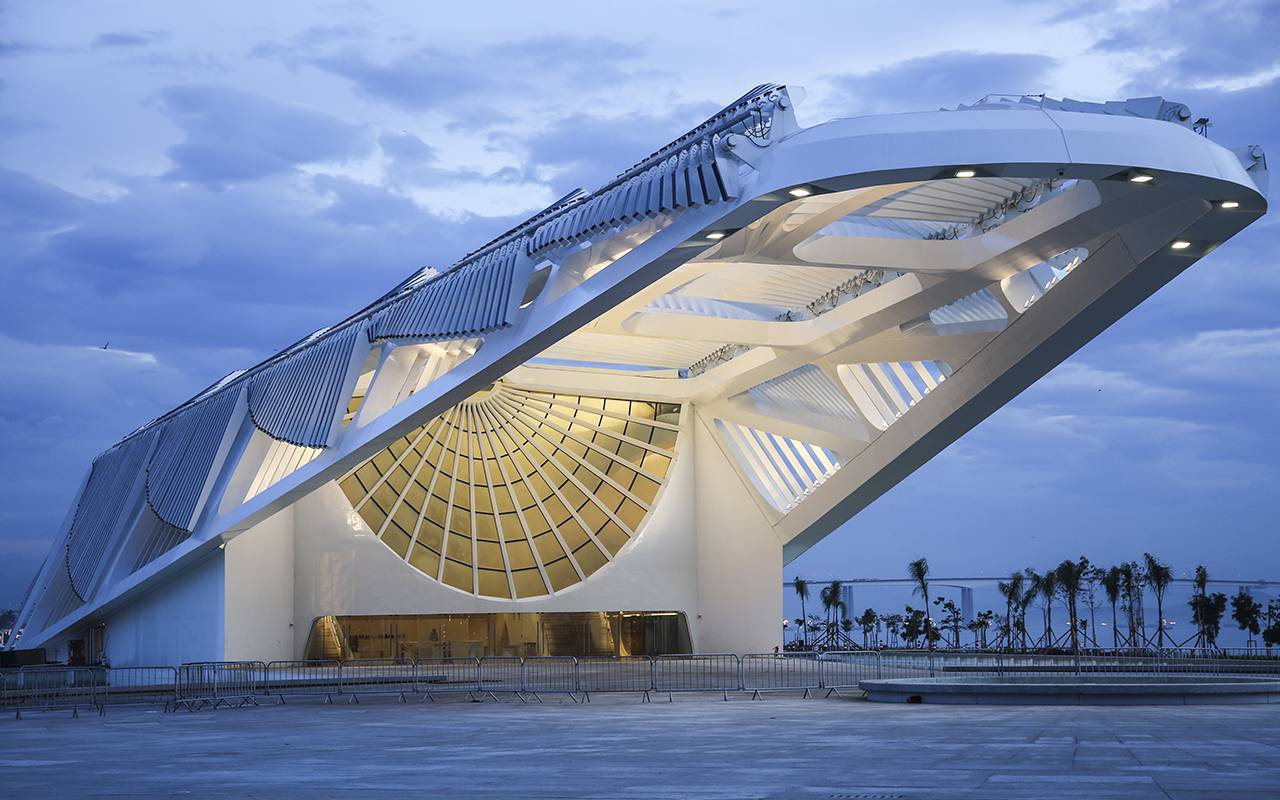
              • The Museum of Tomorrow, Rio de Janeiro
                Designed with sustainability in mind, this museum uses natural light, recycles water, and relies on renewable energy sources. Details are available here.

              Energy Efficiency

              Museums are implementing energy-efficient technologies to reduce their energy use. This includes LED lighting, smart climate control systems, and energy-efficient HVAC systems.

              • The Louvre, Paris
                The Louvre has undertaken extensive renovations to improve energy efficiency, including upgrading lighting systems to LEDs and improving insulation. Learn more about their efforts here.
              • The National Museum of the American Indian, Washington, D.C.
                This museum has incorporated geothermal wells to manage heating and cooling efficiently. Further information is available on their site.

              Waste Reduction and Recycling

              Museums and libraries are reducing waste through comprehensive recycling programs, composting organic waste, and minimizing single-use plastics.

              • The Field Museum, Chicago
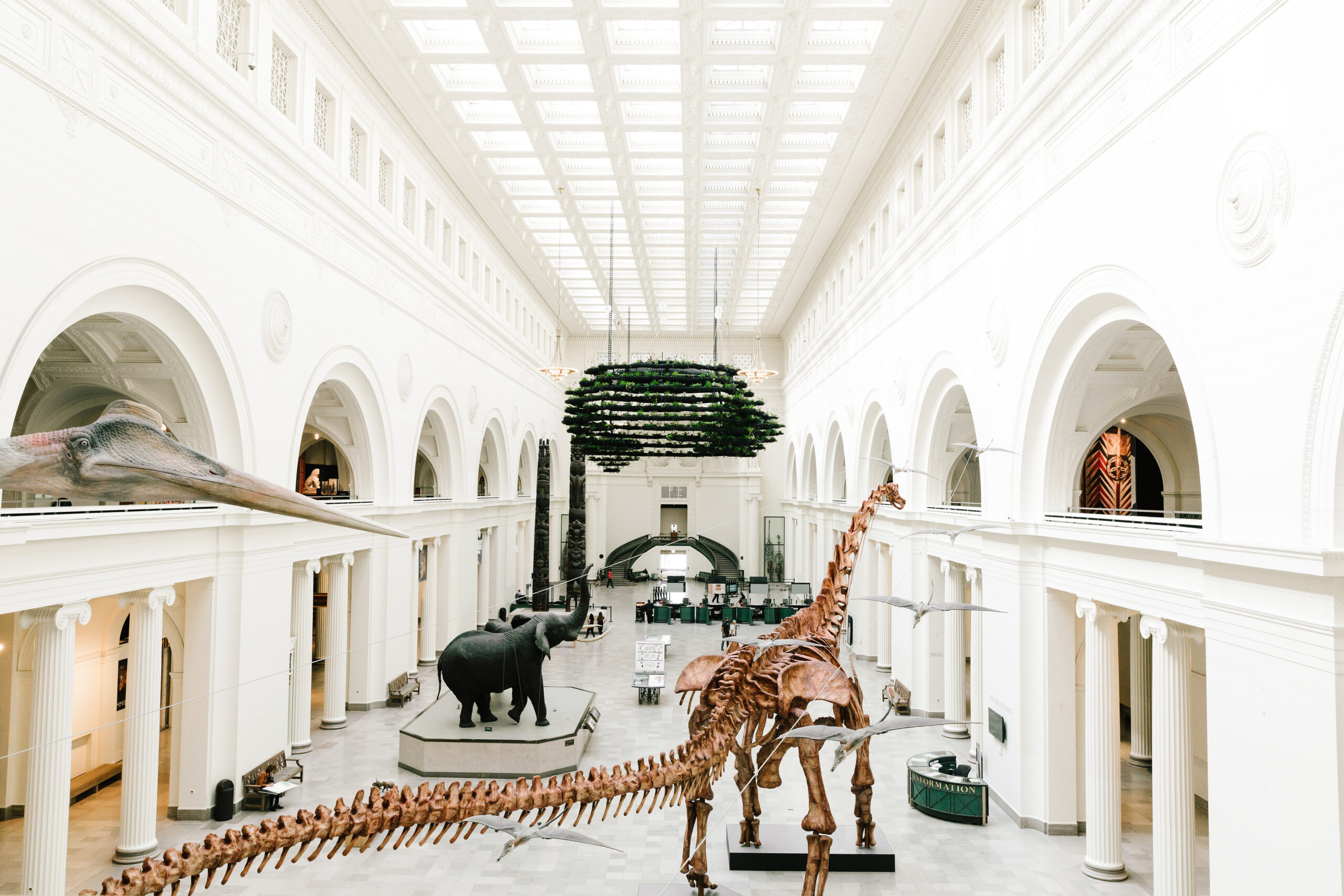
                This museum has implemented a zero-waste program to divert 90% of its waste from landfills through recycling and composting. More details can be found here.

              • The Natural History Museum, London
                This institution has taken steps to reduce plastic waste and encourages visitors to use refillable water bottles. Their sustainability initiatives are outlined here.

              Sustainable Exhibitions

              GLAMs design exhibitions with sustainability in mind, using recycled or reusable materials and considering the environmental impact of shipping and installation.

              • The Museum of Modern Art (MoMA), New York
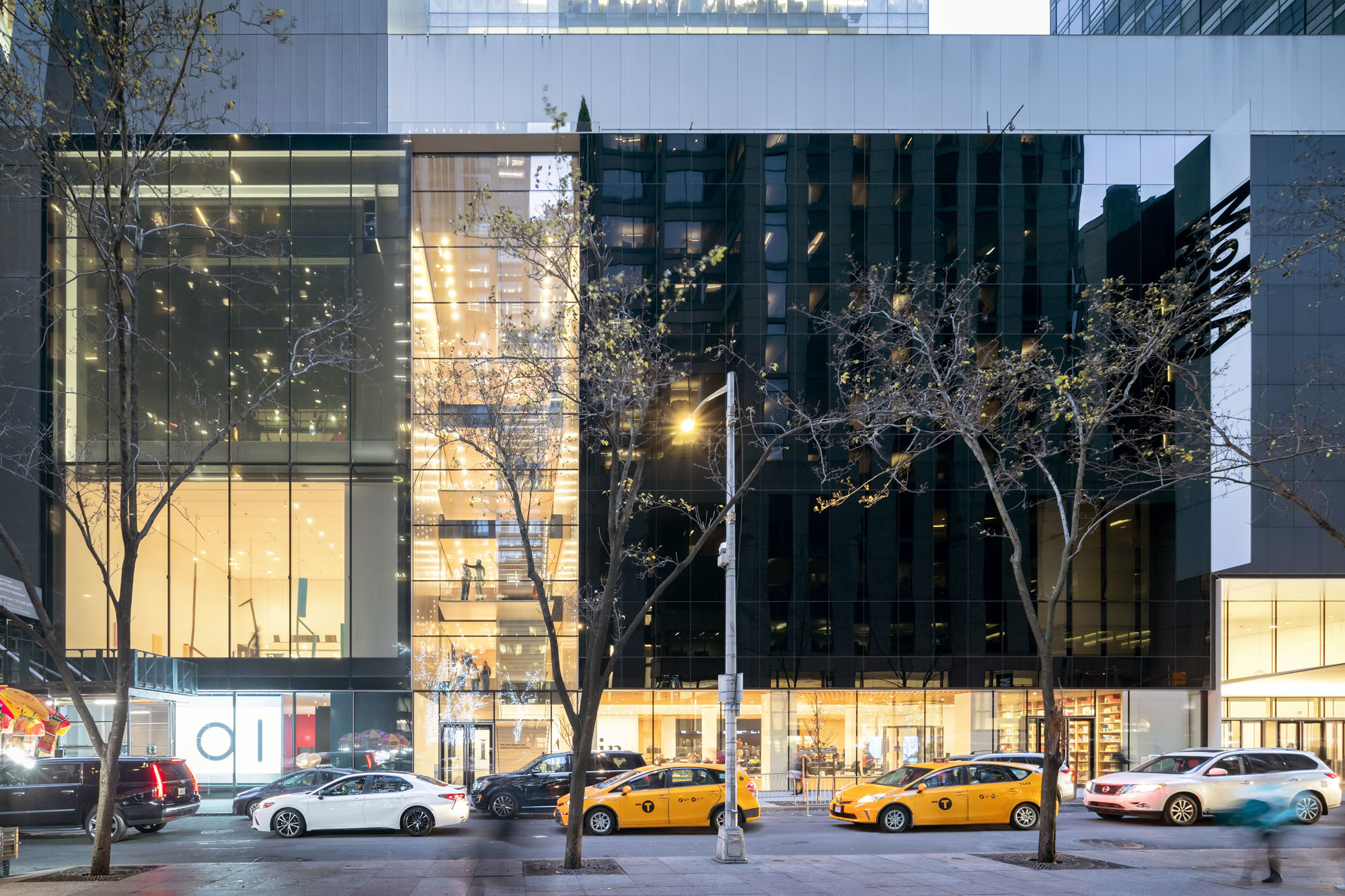
                MoMA has developed guidelines for sustainable exhibition design, focusing on materials, transportation, and energy use. You can read more about their practices here.
              • The Victoria and Albert Museum, London
                This museum has created exhibitions using sustainable materials and practices, including the “Fashioned from Nature” exhibit, which highlights eco-friendly fashion. Additional information is available here.

              Community Engagement and Education

              GLAMs are leveraging their role as educational institutions to raise awareness about environmental issues and promote sustainable practices.

              • The Smithsonian Institution, Washington, D.C.
                The Smithsonian offers various programs and exhibits focused on sustainability and climate change. Explore their initiatives here.
              • The Australian Museum, Sydney
                This museum engages the public in sustainability programs, including citizen science projects and educational workshops. More can be found here.

              Conclusion

              By embracing sustainable practices, museums can significantly reduce their environmental impact while educating and inspiring the public to take action on climate change. These institutions play a crucial role in demonstrating the importance of sustainability and leading by example. As museums continue to innovate and implement green practices, they contribute to a more sustainable future for all.

            • Florida Cancels Culture: The Long-Term Impact of $32 Million Arts Funding Cuts

              Florida Cancels Culture: The Long-Term Impact of $32 Million Arts Funding Cuts

              The recent cancellation of $32 million in arts funding in Florida has sparked widespread concern among artists, educators, and community leaders. The arts sector is crucial to the state’s economy, culture, and education system. This article explores the potential long-term consequences of these funding cuts and what they mean for Florida’s future.

              Economic Impact

              Tourism and Local Economy

              Florida is known for its vibrant cultural scene, attracting tourists worldwide. Art festivals, galleries, theaters, and museums are significant draws contributing to the state’s tourism revenue. For example, the annual Miami Art Basel fair brings in millions of dollars and thousands of visitors. With reduced funding, the quality and number of these cultural attractions may decline, leading to a potential drop in tourism and local economic activity.

              Small Businesses

              Local businesses such as restaurants, cafes, and retail shops often thrive during arts events and festivals. Reduced funding could lead to fewer events, which means less business for these establishments. This can result in lower revenues and even closures, further impacting the local economy.

              Educational Impact

              Arts Education

              Schools and educational programs often depend on state funding to provide comprehensive arts education. Reduced financial support could limit students’ opportunities to engage with the arts, which are essential for fostering creativity, critical thinking, and emotional expression. For instance, school music programs might have to cut back on purchasing instruments or hosting performances, depriving students of valuable experiences.

              College and University Programs

              Higher education institutions might also feel the pinch. University arts programs, which often rely on state grants, could face budget cuts, leading to fewer scholarships, reduced course offerings, and diminished support for student projects. This could make arts education less accessible and lower the quality of training for aspiring artists.

              Cultural and Community Impact

              Public Art Projects

              Public art projects, such as murals and sculptures, enhance community spaces and promote civic pride. These projects often rely on state funding for commissioning and maintenance. Funding cuts could halt new projects and neglect existing ones, leading to a less vibrant public space.

              Community Outreach Programs

              Many arts organizations run community outreach programs that bring art to underserved populations, including low-income families and senior citizens. Reduced funding could mean fewer opportunities for these groups to participate in cultural activities essential for social inclusion and well-being.
              Quality of Life

              Healthcare Partnerships

              Art therapy programs in hospitals and clinics, which use creative processes to help patients heal and cope with illness, might suffer. These programs often rely on state funding to operate. Cuts could reduce the availability of art therapy, negatively impacting patients’ recovery and emotional health.

              Rehabilitation Programs

              Programs that use art as a rehabilitation tool in prisons and juvenile detention centers could also face reductions. These programs help inmates develop new skills, express themselves constructively, and prepare for reintegration into society. Funding cuts might limit these valuable initiatives, affecting rehabilitation outcomes.

              Long-Term Cultural Development

              Future Generations of Artists

              Support for emerging artists and arts education is crucial for nurturing future generations of cultural leaders. Funding cuts could stifle the development of young artists, leading to a decline in the creative talent pool and innovation within the arts sector. Programs like artist residencies and youth art competitions might be scaled back or discontinued.

              Innovation and Creativity

              The arts drive innovation and creativity, which is essential for a vibrant, forward-thinking society. Reduced funding could limit the scope of creative initiatives and cultural projects, stifling innovation and slowing cultural progress. For example, experimental theater companies and avant-garde art collectives might struggle to survive without adequate support.

              Conclusion

              The cancellation of $32 million in arts funding in Florida has far-reaching implications beyond the immediate financial impact. Significant concerns include a potential decline in tourism, job losses, reduced educational opportunities, and weakened community bonds. Moreover, the long-term effects on cultural heritage, public well-being, and the development of future artists highlight the critical importance of sustained investment in the arts. As Florida navigates these challenges, it is essential to consider the broader value of the arts to the state’s economy, education system, and social fabric.