Author: John Suau

  • 21st Century Marketing Strategies for GLAMs: Galleries, Libraries, Archives, and Museums

    21st Century Marketing Strategies for GLAMs: Galleries, Libraries, Archives, and Museums

    The GLAM sector—encompassing galleries, libraries, archives, and museums—faces unique challenges and opportunities in the 21st century. As cultural institutions, GLAMs play a crucial role in preserving and promoting cultural heritage, education, and community engagement. To thrive in today’s digital and highly connected world, GLAMs must adopt innovative marketing strategies that leverage modern technology and cater to evolving audience expectations. Here are some effective marketing strategies for GLAMs in the 21st century and real-world examples.

    Digital Transformation and Online Presence

    User-Friendly Websites

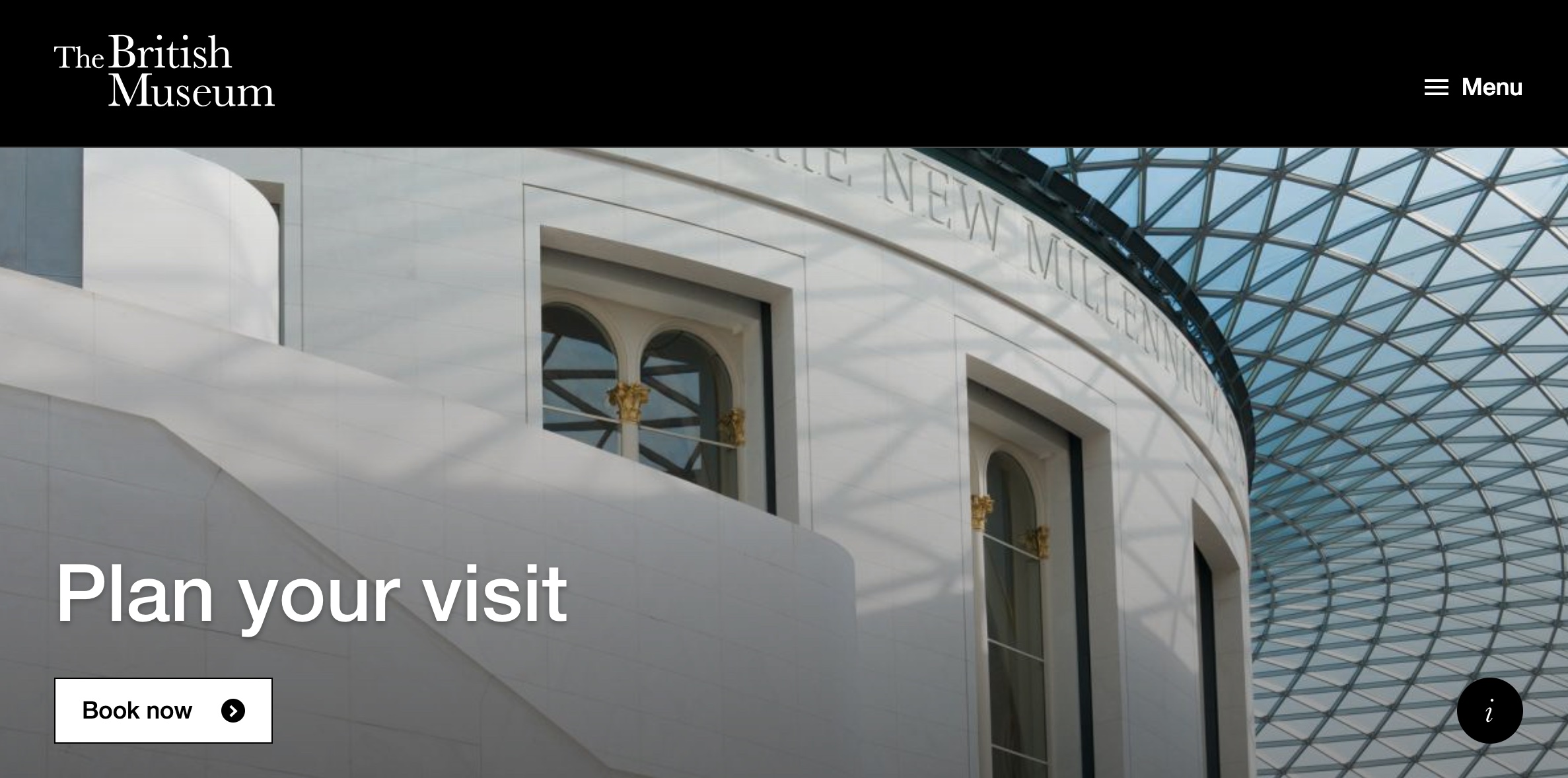
    A robust and user-friendly website is essential. It should feature intuitive navigation, rich content, virtual tours, digital collections, and easy access to information about exhibitions, events, and services. The British Museum‘s website offers extensive digital resources, including virtual tours and a comprehensive collection database.

    Search Engine Optimization (SEO)

    Implementing SEO strategies ensures that your institution appears prominently in search engine results, increasing visibility and attracting more visitors.

    Virtual Tours and Online Exhibitions

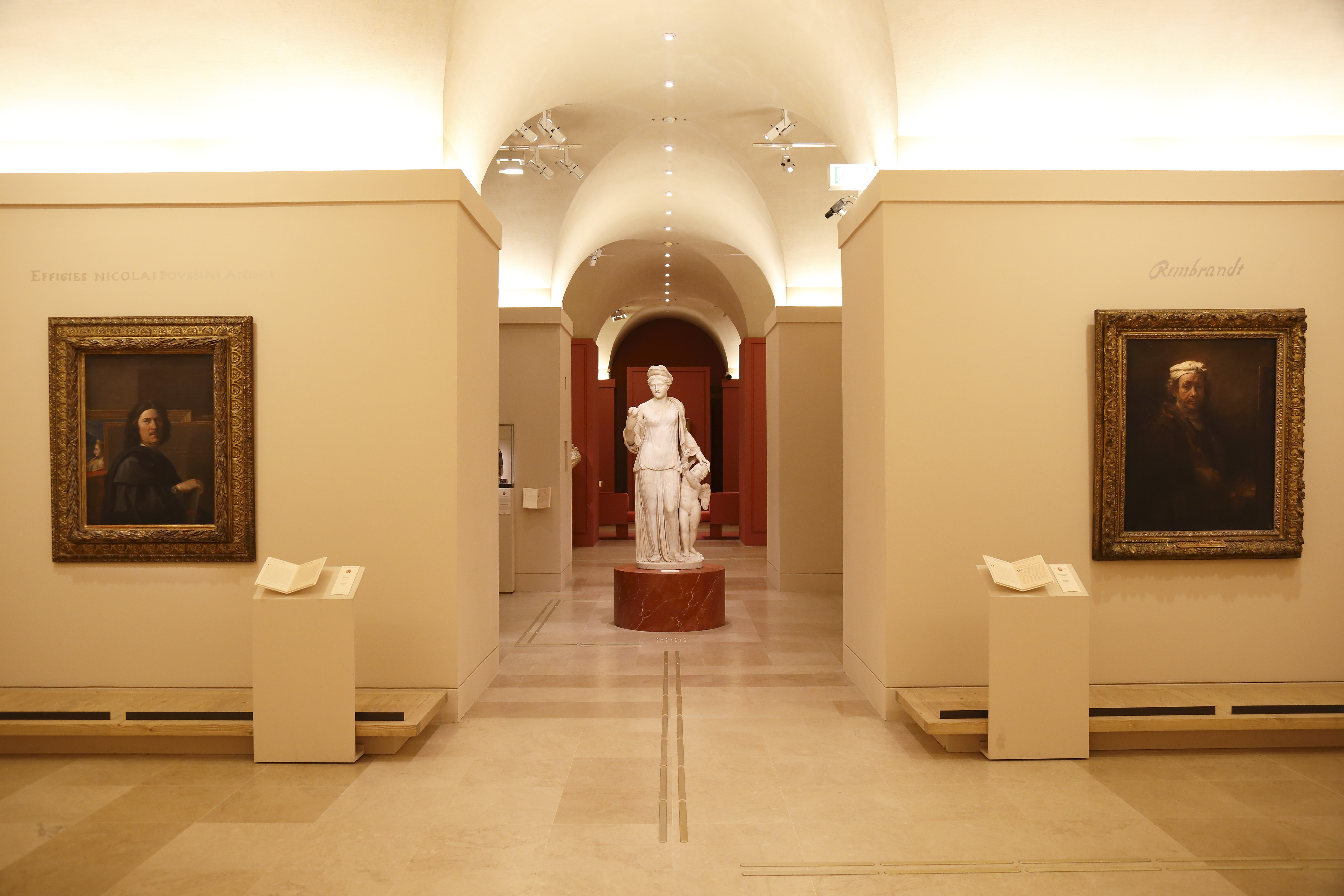
    Offering virtual tours and online exhibitions can engage global audiences who cannot visit in person, providing an immersive experience from the comfort of their homes. The Louvre‘s virtual tours allow users to explore its renowned art collections online.


    Social Media Engagement

    Platform Diversification

    Active presence on multiple social media platforms (e.g., Facebook, Instagram, Twitter, TikTok) helps reach diverse audience segments. Tailoring content to each platform’s unique characteristics can maximize engagement. The Smithsonian National Museum of Natural History uses Instagram effectively to showcase its exhibits and engage with followers.

    Interactive Content

    Creating interactive content such as live streams, behind-the-scenes videos, and Q&A sessions can foster a deeper connection with the audience and encourage participation.

    Influencer Collaborations

    Partnering with influencers and cultural ambassadors can amplify your reach and attract new visitors. Influencers can provide authentic and relatable endorsements to their followers.


    Community Engagement and Partnerships

    Local Collaborations

    Partnering with local businesses, schools, and community organizations can strengthen ties and create mutually beneficial opportunities, such as co-hosted events and educational programs. The New York Public Library collaborates with local schools and community organizations to offer educational programs and events.

    Inclusive Programming

    Developing inclusive programs that cater to diverse communities can enhance your institution’s relevance and appeal. Ensuring accessibility for all, including people with disabilities, is crucial.

    Volunteer and Membership Programs

    Building strong volunteer and membership programs can foster community and loyalty. Offering exclusive benefits and events for members can incentivize participation.


    Data-Driven Marketing

    Audience Analytics

    Data analytics can help understand visitor demographics, preferences, and behaviors, inform targeted marketing efforts, and improve the visitor experience.

    Personalized Marketing

    Leveraging data to deliver personalized marketing messages, such as tailored emails and recommendations, can increase engagement and conversion rates.

    Feedback and Improvement

    Regularly collecting and analyzing visitor feedback can help identify areas for improvement and adapt strategies to meet audience needs better.


    Creative Content and Storytelling

    Compelling Narratives

    Creating compelling narratives around exhibitions, collections, and events can captivate audiences and enhance their connection to the institution. The J. Paul Getty Museum‘s blog provides rich storytelling about its collections and exhibitions.

    High-Quality Visuals

    Investing in high-quality visuals, including photographs, videos, and graphics, can make your content more appealing and shareable.

    Educational Content

    Providing educational content, such as blogs, podcasts, and webinars, can position your institution as a valuable resource for learning and discovery.


    Innovative Technologies

    Augmented Reality (AR) and Virtual Reality (VR):
    Incorporating AR and VR technologies can offer immersive experiences that enhance visitor engagement and bring exhibits to life in new ways. The Smithsonian Institution offers AR experiences that allow users to interact with exhibits in a virtual space.

    Mobile Apps

    Developing mobile apps with features like interactive maps, audio guides, and personalized recommendations can enhance the visitor experience.

    Beacon Technology

    Using beacon technology for location-based services and information can provide visitors relevant content and enhance their interaction with exhibits.

    Conclusion

    In the 21st century, GLAM institutions must embrace a multifaceted marketing approach that combines digital innovation, community engagement, data-driven insights, and creative storytelling. By adopting these strategies, galleries, libraries, archives, and museums can expand their reach, enrich visitor experiences, and ensure their continued relevance in a rapidly changing world.

  • Milwaukee: A Rising Star in Cultural Tourism

    Milwaukee: A Rising Star in Cultural Tourism

    Milwaukee, Wisconsin, often overlooked in favor of its larger Midwestern neighbors, has made significant strides in cultural investments, transforming itself into a vibrant destination for culture vultures. From museums to performing arts centers, Milwaukee offers a rich tapestry of experiences that attract visitors from around the globe. Here’s a closer look at how Milwaukee has invested in its cultural infrastructure and the positive outcomes of these efforts.

    Milwaukee Art Museum: An Architectural and Artistic Marvel

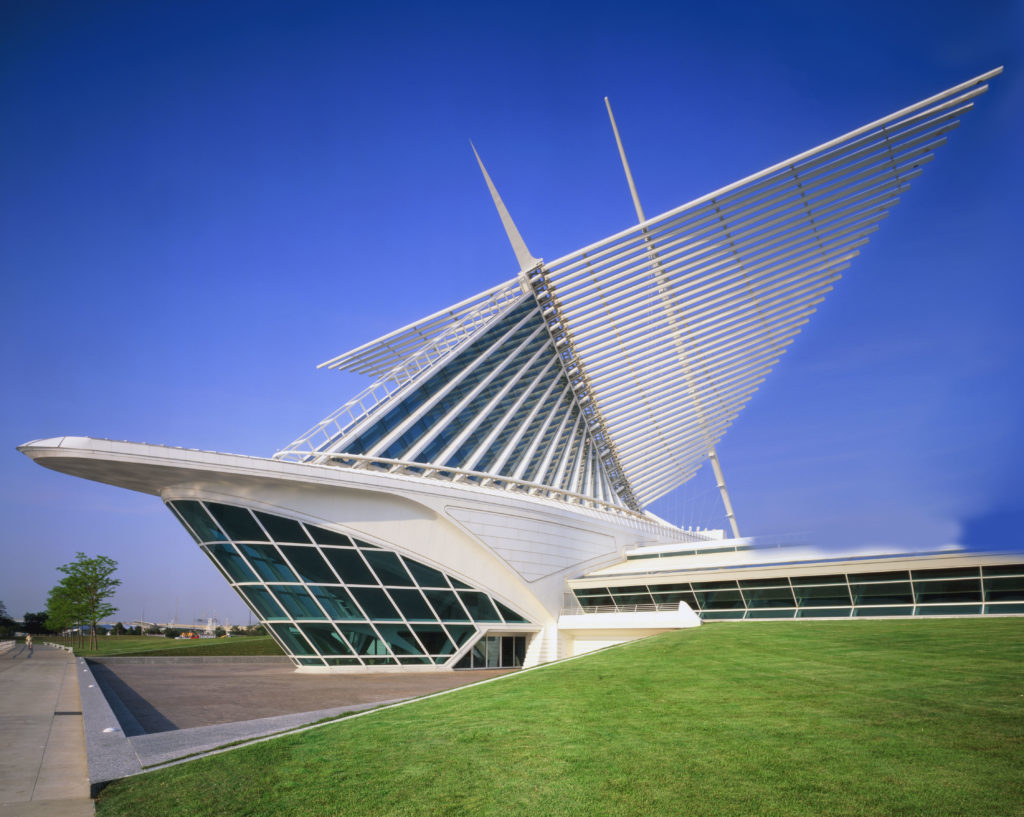
    The Milwaukee Art Museum (MAM) is a centerpiece of the city’s cultural landscape.

    • Quadracci Pavilion: Designed by Santiago Calatrava, this stunning addition, with its iconic wing-like structure, has become a symbol of Milwaukee.
    • Expansive Collections: The museum houses over 25,000 works of art, including American, European, modern, and contemporary pieces.

    The Milwaukee Art Museum’s unique architecture and extensive collections have significantly boosted tourism, drawing art enthusiasts and architecture admirers.


    Harley-Davidson Museum: Celebrating a Legendary Brand

    Milwaukee is home to the Harley-Davidson Museum, a must-visit for motorcycle enthusiasts.

    • Extensive Exhibits: The museum showcases the history and heritage of Harley-Davidson, with over 450 motorcycles and artifacts.
    • Interactive Displays: Visitors can engage with interactive exhibits and learn about the engineering and cultural impact of Harley-Davidson.

    The Harley-Davidson Museum has become a significant tourist attraction, celebrating Milwaukee’s industrial heritage and drawing visitors worldwide.


    Milwaukee Public Museum: A Journey Through Time

    The Milwaukee Public Museum (MPM) offers an immersive experience of natural and human history.

    • Dynamic Exhibits: Featuring diverse exhibits, from ancient civilizations to dioramas of local wildlife.
    • Haymarket Plaza: A newly developed public space that enhances the museum experience with outdoor exhibits and events.

    MPM’s engaging exhibits and interactive experiences have enhanced its appeal, attracting families, educators, and tourists interested in history and science.


    The Pabst Theater: A Historic Venue for Performing Arts

    The Pabst Theater, a historic gem in downtown Milwaukee, is a key player in the city’s performing arts scene.

    • Rich History: Built in 1895, it is one of the oldest continually operating theaters in the United States.
    • Diverse Programming: Hosts various performances, from concerts and plays to comedy shows and lectures.

    The Pabst Theater’s blend of historical charm and modern entertainment has made it a cultural cornerstone, boosting local tourism and providing a platform for diverse artistic expressions.


    Discovery World: Science and Technology for All Ages

    Discovery World is a premier science and technology center on Milwaukee’s lakefront.

    • Innovative Exhibits: Focuses on science, technology, freshwater resources, and maritime history.
    • Educational Programs: Offers hands-on learning experiences for children and adults, fostering a love for science and innovation.

    Discovery World’s interactive and educational exhibits have made it a popular destination for families and school groups, promoting STEM education and boosting tourism.


    The Marcus Performing Arts Center: A Cultural Hub

    The Marcus Performing Arts Center (MPAC) is Milwaukee’s premier venue for performing arts.

    • Broadway Shows: Hosts touring Broadway productions, enriching the city’s cultural offerings.
    • Local Performances: Home to the Milwaukee Ballet, Milwaukee Symphony Orchestra, and other local arts organizations.

    MPAC’s diverse programming and support for local arts have strengthened Milwaukee’s cultural scene, attracting audiences and supporting local talent.


    Conclusion: Milwaukee’s Cultural Renaissance

    Milwaukee’s strategic investments in cultural infrastructure have transformed it into a vibrant cultural destination. The city’s rich museums, theaters, and interactive experiences offer something for every culture vulture. These investments have enhanced the city’s cultural landscape, driven significant economic growth, increased tourism, and fostered a thriving local arts community. Milwaukee stands out as an exciting and dynamic destination for culture enthusiasts seeking a blend of history, art, and innovation.

  • Gems of Cultural Tourism: Investments in International Cities Yield Remarkable Results

    Gems of Cultural Tourism: Investments in International Cities Yield Remarkable Results

    Regarding cultural tourism, some cities have made remarkable strides in the past 30 years, transforming their landscapes through significant investments in museums, galleries, libraries, and historic sites. These cities, often overshadowed by global metropolises, have successfully attracted cultural tourists and revitalized their local economies.

    Bilbao, Spain: A Cultural Renaissance

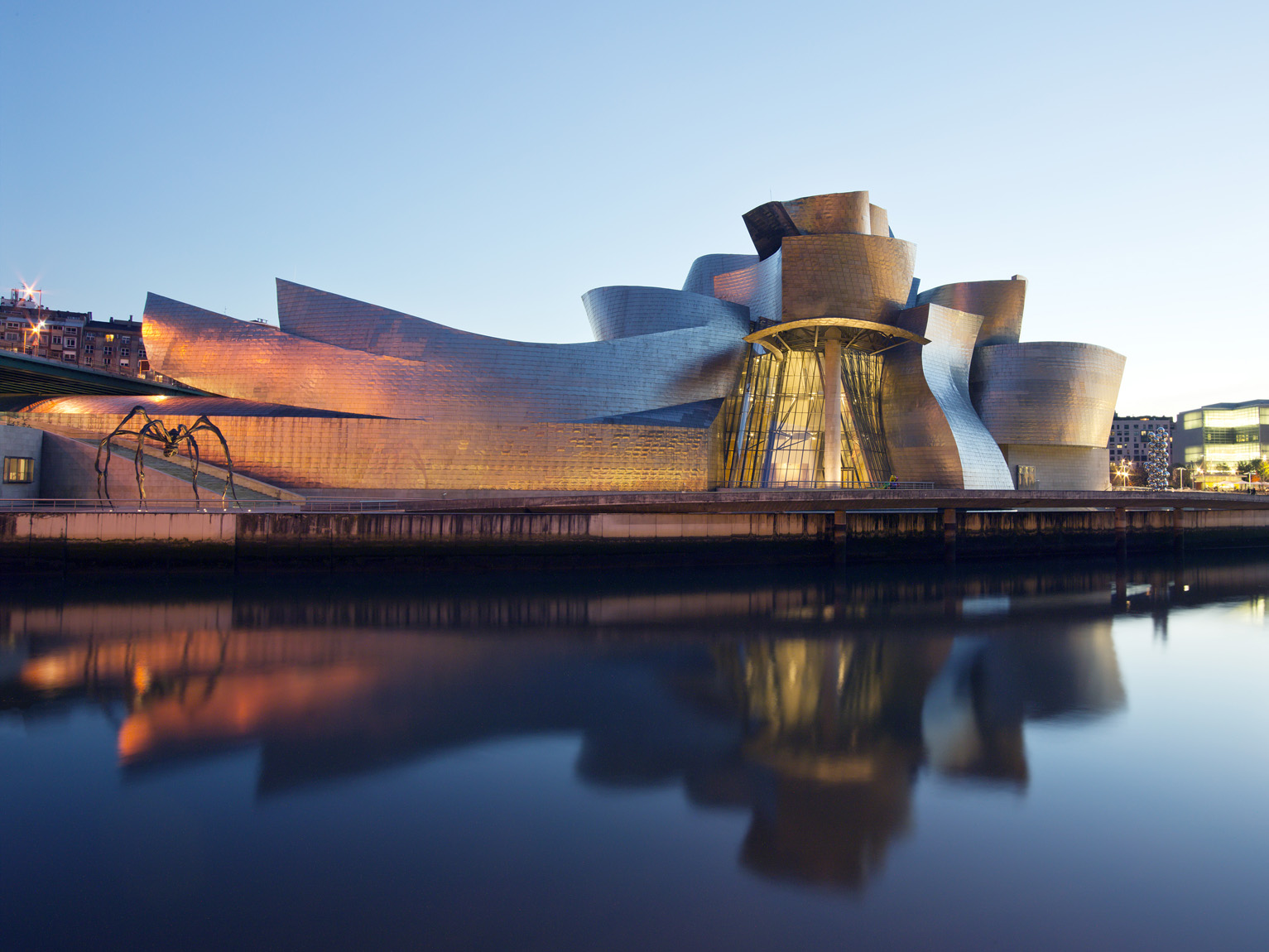
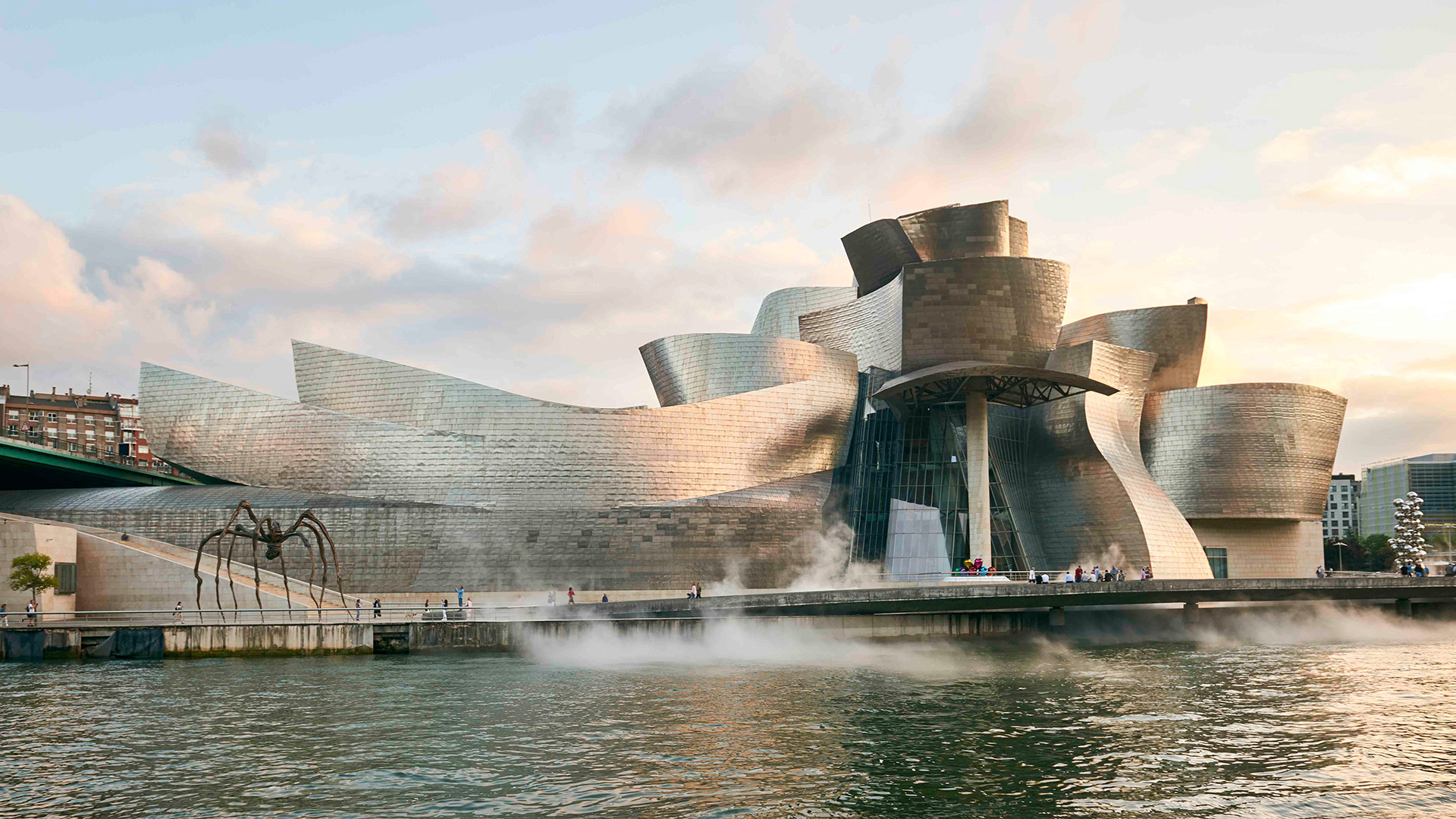
    Once an industrial city, Bilbao has reinvented itself as a cultural destination. The Guggenheim Museum, opened in 1997, catalyzed this transformation. Continued investments in cultural infrastructure, including enhancements around the museum, have made Bilbao a vibrant cultural hub. The city’s success is evident in the surge of tourists, who have boosted local businesses and positioned Bilbao as a must-visit European destination.

    Valletta, Malta: A Historic Jewel

    Valletta’s cultural investments have paid off spectacularly. The opening of MUŻA (Museum of Fine Arts) in 2018 and the renovation of historic sites like Fort St. Elmo have enriched the city’s cultural offerings. As a result, Valletta has seen a significant increase in cultural tourism, leading to a thriving local economy and heightened global recognition of Malta’s rich heritage.

    Matera, Italy: From Caves to Culture

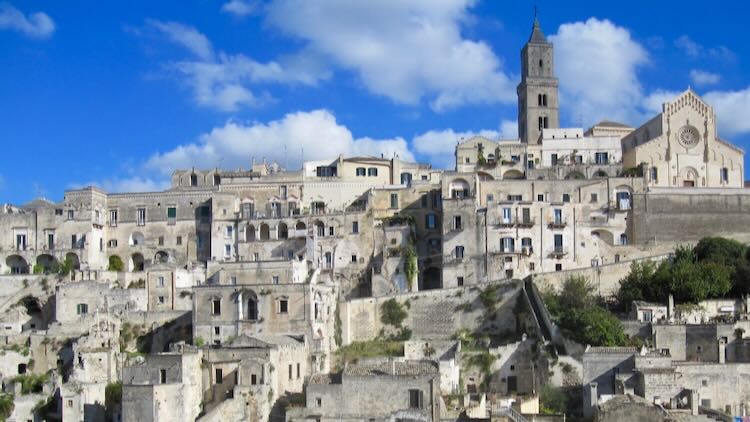
    Matera, known for its ancient cave dwellings (Sassi di Matera), was named the European Capital of Culture in 2019. Substantial investments in cultural infrastructure have transformed Matera into a vibrant cultural destination. This transformation has attracted international tourists, fostering economic growth and elevating Matera’s profile on the global stage.

    Ghent, Belgium: A Blend of History and Modernity

    Ghent has seamlessly blended its medieval architecture with modern cultural investments. The SMAK (Stedelijk Museum voor Actuele Kunst) and the renovated Museum of Fine Arts have become major attractions. These efforts have increased tourism and enhanced Ghent’s reputation as a dynamic cultural city.

    Ljubljana, Slovenia: A Cultural Capital

    Ljubljana has focused on modernizing its cultural infrastructure, including the City Museum of Ljubljana and the renovated Ljubljana Castle. These investments have turned Ljubljana into a cultural hotspot, drawing tourists and boosting the local economy. The city’s blend of historic charm and contemporary culture has made it a favorite among cultural travelers.

    Aarhus, Denmark: A Modern Art Mecca

    Thanks to investments in the ARoS Aarhus Art Museum and Moesgaard Museum, Aarhus has emerged as a cultural powerhouse. These attractions have elevated Aarhus’s status in the cultural tourism sector, attracting art and history enthusiasts worldwide and significantly contributing to the city’s economic vitality.

    Wroclaw, Poland: European Capital of Culture

    Wroclaw’s designation as the European Capital of Culture in 2016 spurred substantial cultural investments, including the National Forum of Music. These efforts have revitalized Wroclaw’s cultural scene, drawing international visitors and boosting the local economy. The city’s cultural renaissance continues to attract attention globally.

    Kaunas, Lithuania: A Cultural Awakening

    As the European Capital of Culture for 2022, Kaunas has invested heavily in its cultural infrastructure. New galleries, public art projects, and renovations have transformed Kaunas into a vibrant cultural destination. These investments have increased tourism, stimulated local businesses, and enhanced Kaunas’s cultural reputation.

    Plovdiv, Bulgaria: A Cultural Revival

    Plovdiv, another European Capital of Culture in 2019, has seen extensive renovations of its cultural and historic sites. Investments in places like the Ancient Theatre of Philippopolis have attracted tourists, fostering economic growth and revitalizing the city’s cultural heritage.

    Valencia, Spain: A Modern Cultural Haven

    Valencia’s ongoing investments in the City of Arts and Sciences and the Institut Valencià d’Art Modern (IVAM) have solidified its status as a cultural tourism destination. These attractions have drawn visitors worldwide, contributing to the city’s economic growth and enhancing its cultural landscape.

    Conclusion: The Power of Cultural Investments

    The strategic investments made by these lesser-known cities have not only enriched their cultural offerings but also driven significant economic and social outcomes. Increased tourism, economic growth, and enhanced global recognition are positive results. These cities serve as inspiring examples of how cultural infrastructure can transform local communities and attract the world’s attention. Whether you’re a cultural enthusiast or a casual traveler, these destinations promise a rich and rewarding experience.

  • Innovating Audio-Visual Digitization

    Innovating Audio-Visual Digitization

    Digitizing audio and video files in museums and libraries is a complex and multifaceted task that demands cutting-edge technologies and sophisticated methodologies. For insiders in the field, understanding and leveraging emerging technologies such as AI (Artificial Intelligence), AR (Augmented Reality), and digital recognition is crucial to overcoming the challenges inherent in this work. This article delves into the technical aspects and solutions transforming digitization and accessibility practices in these institutions.

    Artificial Intelligence (AI) in Digitization

    Automated Metadata Generation

    AI-powered tools such as natural language processing (NLP) and machine learning algorithms can automatically analyze and extract metadata from audio and video files. By generating detailed metadata, including content descriptions, keywords, and timestamps, these tools significantly reduce the manual effort required and enhance the searchability of digitized materials. Tools like Google Cloud Video Intelligence and IBM Watson Media are leading.

    Audio Restoration

    AI-based audio restoration software, like iZotope’s RX series, uses advanced algorithms to identify and mitigate noise, hum, clicks, and other audio imperfections. These tools apply spectral repair techniques, leveraging deep learning models trained on large datasets of clean and noisy audio to restore audio files to near-original quality.

    Video Enhancement

    AI techniques such as deep learning-based super-resolution (e.g., Topaz Video Enhance AI) and frame interpolation can upscale low-resolution video footage. These methods analyze multiple frames to predict and generate intermediate frames, thereby improving the resolution and smoothness of video playback.

    Speech Recognition

    AI-driven speech recognition technologies, such as Google Speech-to-Text and Amazon Transcribe, can accurately transcribe spoken words in audio and video files. These tools utilize deep learning models trained on diverse linguistic datasets to handle various accents and dialects, making the content more accessible and searchable.

    Facial Recognition

    Facial recognition technologies like Microsoft Azure Face can identify and tag individuals in video footage. By training models on vast facial datasets, these tools can accurately match faces across different frames and conditions, aiding in the cataloging and study of archival materials.


    Augmented Reality (AR) for Interactive Experiences

    Interactive Archives

    AR applications can overlay contextual information onto physical spaces or artifacts within museum and library archives. Using platforms like ARKit for iOS or ARCore for Android, developers can create immersive experiences that enhance user engagement and understanding.

    Virtual Tours

    AR enables the creation of virtual tours, allowing remote users to explore archives interactively. Tools like Matterport and Unity facilitate the development of these virtual environments, making it possible to visualize and interact with digitized materials in a 3D space.


    Advanced Audio-Visual (AV) Technologies

    High-resolution scanning

    Advanced AV technologies, such as the NextEngine 3D Scanner and Phase One’s high-resolution cameras, enable the high-resolution scanning of physical media. These devices capture fine details in film reels, vinyl records, and other physical formats, producing superior digital copies.

    3D Scanning and Reconstruction

    Technologies like Artec 3D and Geomagic allow for the digitization of physical objects related to audio and video materials. These tools use structured light and laser scanning to create detailed 3D models, preserving the physical context of artifacts and making them accessible for study and virtual interaction.


    Digital Recognition Technologies

    Optical Character Recognition (OCR)

    OCR technology, such as Adobe Acrobat Pro DC and Tesseract, digitizes text from scanned documents like scripts, notes, and annotations. These tools use machine learning models to recognize and convert text into searchable digital formats, enabling easier access and retrieval of information.

    Image Recognition

    Image recognition platforms like Clarifai and Google Cloud Vision identify and tag visual content within video files. These technologies analyze frames to detect objects, scenes, and faces, facilitating the categorization and searchability of large video archives.

    Music Recognition

    Music recognition tools like ACRCloud and Gracenote identify and tag music tracks in audio and video recordings. These services use acoustic fingerprinting to match audio against vast databases, providing detailed metadata such as song titles and artists.


    Additional Emerging Technologies

    Blockchain

    Blockchain technology ensures the integrity and provenance of digitized files by creating tamper-proof records of file histories and edits. Platforms like Storj and Filecoin offer decentralized storage solutions that leverage blockchain for enhanced security and reliability.

    Cloud Computing

    Cloud computing services such as Amazon Web Services (AWS), Google Cloud Platform (GCP), and Microsoft Azure provide scalable storage and powerful processing capabilities. These platforms enable institutions to manage and access large digital archives remotely, offering robust storage, computing, and data analytics solutions.

    Machine Learning

    Machine learning models can be trained to enhance various aspects of the digitization process. Tools like TensorFlow and PyTorch allow for the development of custom algorithms that predict the best digitization methods for specific media types or automate quality checks, ensuring high fidelity in digitized outputs.


    Enhancing Accessibility of Digitized Audio and Video

    Transcripts and Captions

    Providing transcripts for audio and captions for video content ensures accessibility for individuals with hearing impairments. AI-driven tools like Verbit and 3Play Media automate transcription and captioning, delivering high accuracy and quick turnaround times.

    Audio Descriptions

    Adding audio descriptions to video content makes it accessible to individuals with visual impairments. Verbit and 3Play Media also offer these services, using AI to generate descriptive audio tracks that narrate essential visual elements.

    Accessible Formats

    Ensure digitized files are available in multiple formats, such as MP3 for audio and MP4 for video, to accommodate various devices and user preferences. This flexibility enhances accessibility for a wider audience.

    User-Friendly Interfaces

    Design intuitive user interfaces with large, readable fonts and keyboard shortcuts for users with mobility impairments. Consider using accessibility guidelines like WCAG (Web Content Accessibility Guidelines) to ensure your digital platforms are inclusive.

    Multilingual Support

    Offer translations and subtitles in multiple languages to make your digitized content accessible to a global audience. Tools like Google Translate and AI-based translation services can facilitate this process.


    Institutions and Digital Vendors

    Museums

    • The Museum of Modern Art (MoMA) – Vendor: Canto
    • The British Museum – Vendor: Axiell
    • The Smithsonian Institution – Vendor: Preservica

    Libraries

    Companies Providing Equipment and Technology

    • Google Cultural Institute: Provides high-resolution scanning and online exhibition platforms.
    • Sony: Supplies high-end audio and video recording and playback equipment.
    • Canon: Provides high-resolution scanning equipment for digitizing photographic and film materials.
    • AVPreserve: Offers consulting services and technologies for audio-visual preservation.
    • Northeast Document Conservation Center (NEDCC): Provides digitization services and preservation consulting.
    • Verbit: Specializes in AI-powered transcription, captioning, and audio description services.
    • 3Play Media: Offers comprehensive captioning, transcription, and audio description services.

    By leveraging these advanced technologies and collaborating with specialized vendors, museums and libraries can overcome the challenges of digitizing and preserving their audio and video collections. These efforts ensure that cultural heritage remains accessible and engaging for future generations.
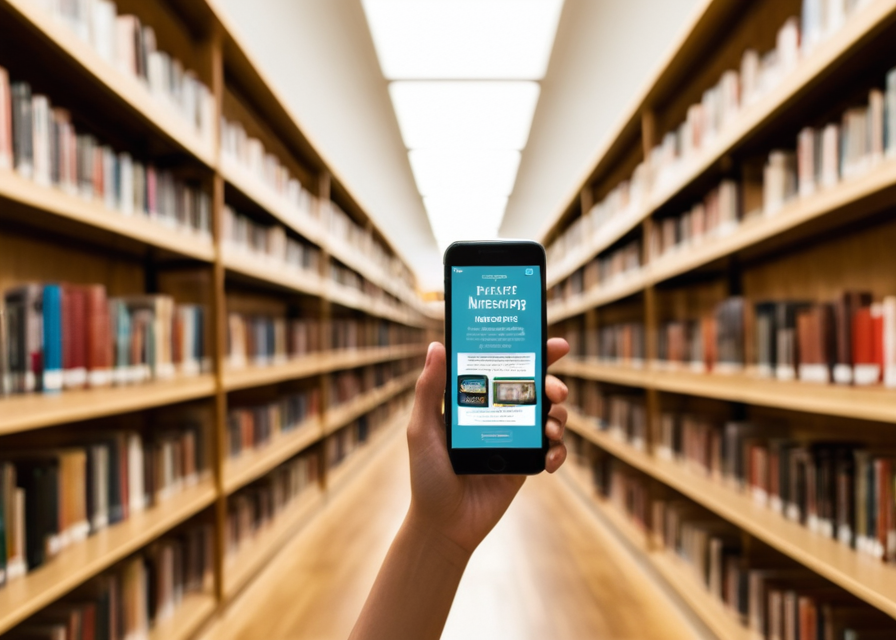
  • The Future Museum Experience: A Seamless Blend of Physical and Digital Engagement

    The Future Museum Experience: A Seamless Blend of Physical and Digital Engagement

    The future of museum visits promises to be an exciting blend of physical presence and digital engagement, creating a seamless, personalized, and immersive journey for every visitor. From discovery and planning to post-visit interaction, here’s how the ideal user experience unfolds for the museum-goer of tomorrow.

    Pre-Visit: Discovery and Planning

    The journey begins long before setting foot in the museum. Potential visitors discover upcoming exhibits and events through engaging social media campaigns on platforms like Instagram, Facebook, and TikTok. The museum’s visually appealing website and mobile app offer an intuitive interface where users can explore detailed previews of exhibits via virtual tours and augmented reality (AR) experiences.

    Creating an account unlocks personalized recommendations based on the user’s interests and previous visits, ensuring a tailor-made experience. Ticket purchasing is streamlined, with options for timed entries to manage crowd flow and digital tickets sent directly to the user’s device. Interactive content such as polls, quizzes, and countdowns on social media keeps potential visitors engaged and excited about their visit.

    Arrival: Seamless Entry

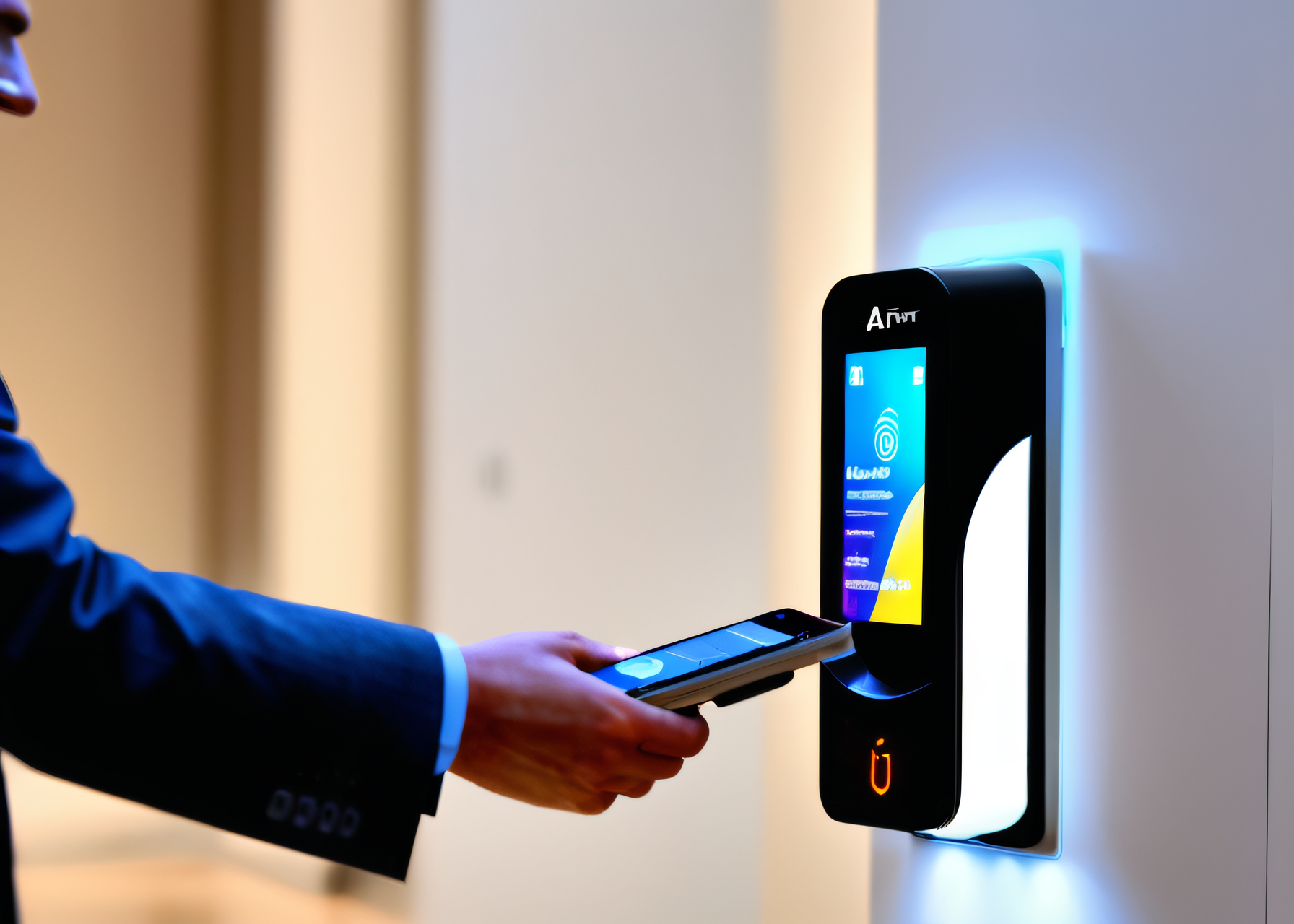
    On the day of the visit, seamless entry is facilitated by digital tickets or membership cards that allow quick, contactless check-in via QR codes or NFC technology. Welcome kiosks provide a brief orientation, current events, and exhibit highlights, ensuring visitors are well-informed and ready to explore.

    Social media engagement begins as soon as visitors arrive, with encouragement to share their check-in on social platforms using location tags and museum-branded hashtags. Custom AR filters enhance these posts, allowing visitors to create unique and shareable content.

    During the Visit: Exploration and Engagement

    Once inside, cutting-edge technology elevates the museum experience. An interactive map on the museum’s app provides real-time navigation, guiding visitors to their points of interest. AR technology allows users to scan exhibits for immersive experiences, offering in-depth information, 3D models, and historical context.

    Personalized self-guided tours cater to individual preferences and time constraints, ensuring a bespoke journey through the museum. Touchscreens and holographic displays bring exhibits to life with interactive elements, while virtual reality (VR) installations offer immersive experiences, such as historical reenactments or interactive art pieces.

    Social media remains integral, with the museum posting live updates and stories highlighting special events, live performances, or surprise guest appearances. Visitors can participate in social media challenges or scavenger hunts, exploring exhibits and sharing their progress online. Designated photo spots with unique backdrops encourage visitors to take and share photos, enhancing the communal experience through shared hashtags.

    Post-Visit: Continued Engagement

    The experience doesn’t end when visitors leave the museum. The app sends personalized follow-up content, such as articles, videos, and notifications about upcoming exhibits, ensuring ongoing engagement. Visitors are prompted to share their favorite moments and discoveries on social media, tagging the museum and using official hashtags, which the museum can then share on its channels to foster a sense of community.

    Feedback and reviews collected via social media help the museum continually improve future experiences. Visitors can access an online library of educational resources, including videos, articles, and virtual lectures, allowing them to continue learning. Opportunities for collaborative projects, such as community-curated exhibits or digital archives, provide further avenues for engagement.

    Building a Connected Community

    Social media engagement is pivotal in building a connected community around the museum. Consistent use of unique hashtags for different exhibits or events allows the museum to track engagement and foster a sense of belonging among visitors. Partnerships with influencers and local content creators broaden the museum’s reach and attract new audiences.

    Through social media stories and live streams, interactive storytelling offers behind-the-scenes looks at exhibit setups, interviews with curators, and other exclusive content. Informative posts share educational insights related to exhibits, keeping the audience informed and engaged. Virtual events like live Q&A sessions, virtual tours, and workshops on social media platforms enable remote audiences to participate and engage.

    Embracing Technology and Sustainability

    AI and data analytics play a crucial role in optimizing the museum experience. By analyzing visitor behavior, the museum can enhance exhibit layouts and personalize future visits. AI-driven tools also provide real-time translation, sign language interpretation, and other accessibility features, ensuring inclusivity for all visitors.

    Sustainability is also a key consideration. Digital tickets and information reduce paper usage, while energy-efficient technologies and eco-friendly materials promote sustainable practices. Information on the museum’s sustainability efforts and ways visitors can contribute enhances environmental awareness.

    Conclusion

    The future museum experience is characterized by a seamless integration of physical and digital interactions, personalized content, and continuous engagement. By leveraging advanced technologies and social media, museums can create unique, educational, and memorable experiences for every visitor, fostering a connected and engaged community.

  • Offbeat Museums: Discovering Unique Exhibits Around the Globe

    Offbeat Museums: Discovering Unique Exhibits Around the Globe

    When it comes to museums, the world is filled with extraordinary and offbeat collections that defy traditional expectations. From peculiar subjects to unconventional locations, these quirky museums offer visitors a one-of-a-kind experience that is sure to pique their curiosity. Whether you’re fascinated by the history of toilets, the culture of bread, or the biology of parasites, there is a museum out there to cater to your interests.


    The Sulabh International Museum of Toilets, located in New Delhi, India, is a must-visit for those intrigued by the evolution of sanitation and toilet technology throughout history. Explore the Sulabh International Museum of Toilets to discover how toilets have transformed over the centuries.


    In Ulm, Germany, the Museum of Bread Culture celebrates bread’s significance in various cultures and offers insights into the art of baking and wheat cultivation. Dive into the history of bread at the Museum of Bread Culture for a unique culinary experience.


    Journey to Tokyo, Japan, and visit the Meguro Parasitological Museum, the world’s sole museum dedicated to parasites. Delve into the mesmerizing world of parasites at the [Meguro Parasitological Museum](https://www.kiseichu.org/en/) and gain a newfound appreciation for these fascinating organisms.


    If you find yourself in Gatlinburg, Tennessee, don’t miss the chance to explore the Salt and Pepper Shaker Museum, home to an impressive collection of over 20,000 novelty shakers from around the globe. At the Salt and Pepper Shaker Museum, you can experience the creativity of kitchen collectibles and uncover the stories behind these everyday items.


    Venture to Mexico’s Underwater Museum of Art, an immersive sculpture park showcasing over 500 life-sized underwater sculptures. Dive into marine artistry at the Underwater Museum of Art and witness the stunning beauty of submerged artworks.


    In London, England, the Museum of Brands chronicles the evolution of consumer products and branding, offering a nostalgic journey through advertising history. Explore the Museum of Brands and discover how brands have shaped consumer culture.


    For enthusiasts of cryptids and mythical creatures, the International Cryptozoology Museum in Portland, Maine, is a treasure trove of evidence, artifacts, and stories related to Bigfoot, the Loch Ness Monster, and other elusive beings. Explore the mysteries of cryptozoology at the International Cryptozoology Museum and delve into the realm of hidden animals and legendary beasts.


    Embark on a journey to these offbeat museums worldwide for a truly unique and unforgettable experience. Whether your interests lie in unusual subjects or you crave a break from the ordinary, these quirky museums offer a fascinating glimpse into the extraordinary and the bizarre. So, step off the beaten path and uncover the hidden gems of the museum world for a memorable adventure.

    Remember, “Offbeat Museums: Discovering Unique Exhibits Around the Globe” is your key to unlocking a world of quirky wonders and uncovering the extraordinary in the everyday. Explore, learn, and be inspired by the unconventional at these offbeat museums that defy the norm and celebrate the extraordinary in the ordinary.


  • The 2025 GLAM Project: A Vision for the Future of Galleries, Libraries, Archives, and Museums

    The 2025 GLAM Project: A Vision for the Future of Galleries, Libraries, Archives, and Museums

    As we look to the future, the “2025 Project” envisions a transformative era for cultural institutions such as galleries, libraries, archives, and museums (GLAM). This initiative outlines a strategic roadmap designed to embrace digital innovation, promote inclusivity, and ensure the sustainability of cultural heritage. For GLAM professionals, understanding and preparing for these changes is crucial. Here’s what you need to know about the 2025 Project and its impact on your work.

    Digital Transformation in GLAM Institutions

    The 2025 Project emphasizes the integration of digital technologies to enhance user experiences and operational efficiency. By 2025, expect a significant shift towards:

    • Virtual Reality (VR) and Augmented Reality (AR): These technologies will offer immersive experiences, allowing visitors to explore exhibits in entirely new ways. For instance, VR could recreate historical events or lost artifacts, providing a deeper understanding of our heritage.
    • Digitization of Collections: Accelerated digitization efforts will make collections more accessible globally. This will preserve fragile items and increase public engagement through online platforms.

    Promoting Cultural Diversity and Inclusion

    A core component of the 2025 Project is fostering cultural diversity and inclusion. GLAM institutions will play a pivotal role by:

    • Amplifying Underrepresented Voices: Curating exhibits and collections highlighting marginalized communities and their contributions to society.
    • Inclusive Programming: Developing programs and events that are accessible to all, including those with disabilities and non-English speakers.

    Sustainability in Cultural Practices

    Environmental sustainability is a pressing concern for the future. The 2025 Project encourages GLAM institutions to adopt eco-friendly practices such as:

    • Green Exhibits: Utilizing sustainable materials and energy-efficient technologies in exhibit design.
    • Climate-Resilient Preservation: Implementing strategies to protect collections from climate change impacts, such as temperature and humidity fluctuations.

    Innovation in Arts and Media

    The intersection of technology and creativity will give rise to innovative forms of art and media. By 2025, GLAM professionals can anticipate:

    • AI and Machine Learning: These technologies will aid in curating and interpreting collections, offering new insights and connections between items.
    • Interactive Experiences: Enhanced visitor engagement through interactive displays and installations that respond to user input.

    Global Cultural Convergence and Localization

    Globalization will continue to influence cultural trends, leading to a blend of global and local cultures. GLAM institutions will need to balance:

    • Cultural Exchange: Facilitating international collaborations and exchanges to enrich cultural understanding.
    • Local Identity: Preserving and promoting local traditions and histories globally.

    Education and Cultural Literacy

    Educating the public about cultural heritage will remain a cornerstone of GLAM institutions. The 2025 Project supports:

    • Technology-Enhanced Learning: Utilizing digital tools to make cultural education more engaging and accessible.
    • Cross-Cultural Programs: Offering programs that encourage understanding and appreciation of diverse cultures.

    Impact of Technology on Human Interaction

    As technology reshapes how we interact, GLAM institutions must navigate:

    • Digital Communication: Balancing online and offline engagement to maintain meaningful human connections.
    • Ethical Considerations: Addressing the moral implications of technology use, such as data privacy and digital equity.

    Cultural Policy and Governance

    Finally, effective policies and governance will be essential to support the goals of the 2025 Project. This includes:

    • Public-Private Partnerships: Collaborating with various stakeholders to fund and promote cultural initiatives.
    • International Cooperation: Working with global entities to tackle challenges like digital piracy and cultural preservation.

    Preparing for the Future

    For GLAM professionals, the 2025 Project presents both challenges and opportunities. By embracing digital innovation, promoting inclusivity, and committing to sustainability, you can ensure that your institution remains relevant and impactful in the years to come. Stay informed, be proactive, and engage with your peers to navigate this transformative period successfully.

    The future of culture is bright, and with the 2025 Project, galleries, libraries, archives, and museums are poised to lead the way into this exciting new era.

  • 10 of the Most Beautiful Libraries in the World: A Visual Feast for Culture Enthusiasts

    10 of the Most Beautiful Libraries in the World: A Visual Feast for Culture Enthusiasts

    Libraries are sanctuaries for knowledge, culture, and inspiration. Their architectural splendor and historical significance hold a special allure. Here, we delve into ten of the most beautiful libraries in the world, each a testament to the written word’s timeless beauty and cultural richness.

    Strahov Monastery Library, Prague, Czech Republic

    Nestled in the heart of Prague, the Strahov Monastery Library is a Baroque masterpiece dating back to the 12th century. Its Theological Hall and Philosophical Hall are adorned with frescoes and intricate woodwork, offering a serene and awe-inspiring atmosphere for bibliophiles and historians alike.

    Trinity College Library, Dublin, Ireland

    Home to the legendary Book of Kells, Trinity College Library is a marvel of Georgian architecture. The Long Room, with its high vaulted ceiling and rows of ancient texts, exudes a timeless charm that captivates visitors. It’s a must-visit for anyone passionate about literary history and architectural grandeur.

    Biblioteca Vasconcelos, Mexico City, Mexico

    A modern architectural wonder, the Biblioteca Vasconcelos, known as the “mega library,” features a striking open design with suspended bookshelves and lush indoor gardens. Its innovative layout and vast collection make it a hub for knowledge seekers and a symbol of contemporary library design.

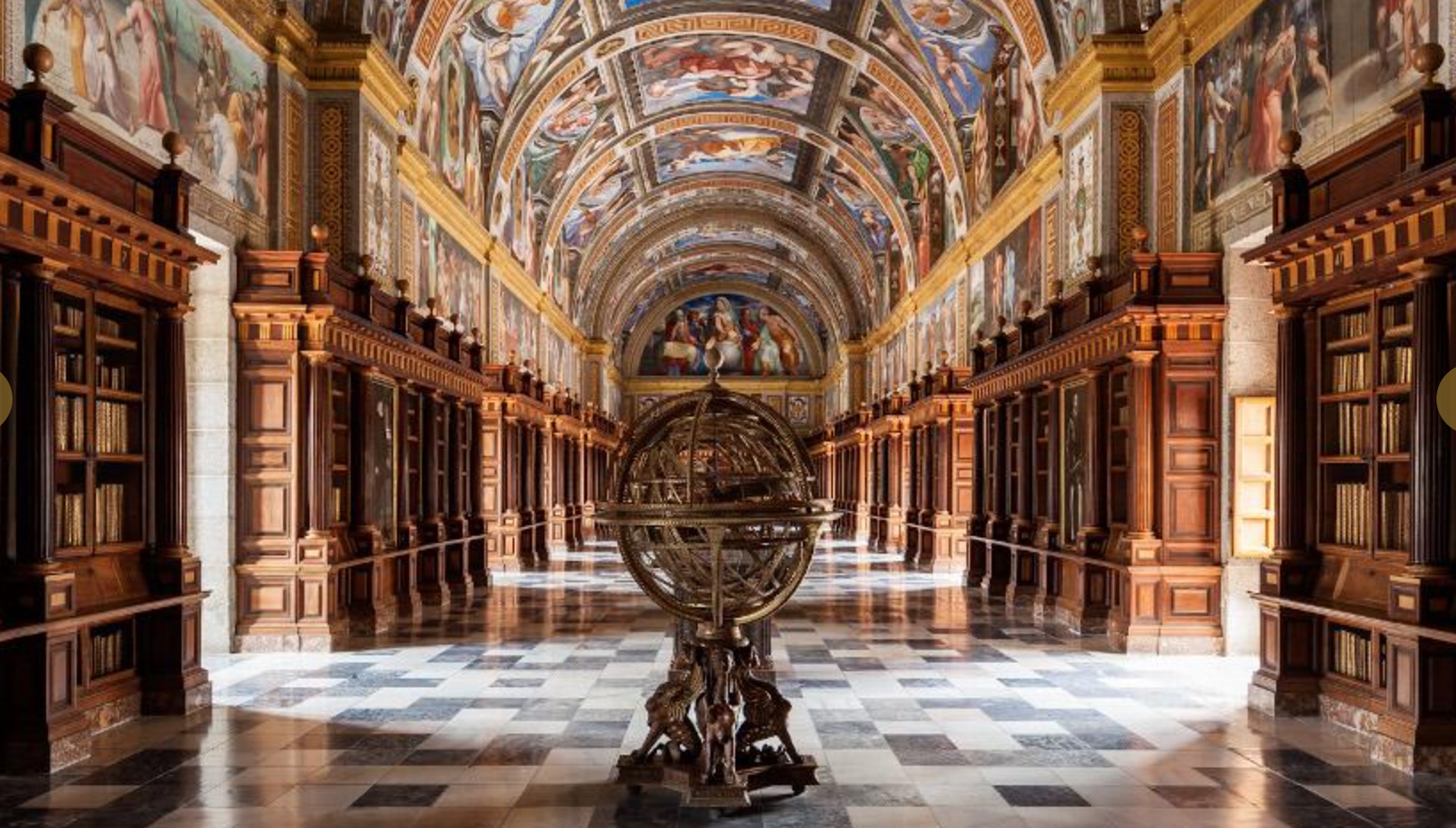
    Library of El Escorial, San Lorenzo de El Escorial, Spain

    The Royal Site of San Lorenzo de El Escorial houses one of the most magnificent libraries in Europe. Built in the 16th century, the library’s Renaissance design, with its stunning frescoed ceiling and ancient manuscripts, reflects the grandeur of the Spanish Golden Age.

    Admont Abbey Library, Admont, Austria

    Known as the “Eighth Wonder of the World,” the Admont Abbey Library is the most extensive monastic library in the world. Its Rococo architecture, complete with golden statues and ceiling frescoes by Bartolomeo Altomonte, creates an opulent and inspiring environment for scholars and visitors.

    Stuttgart City Library, Stuttgart, Germany

    A beacon of modern design, the Stuttgart City Library, designed by Eun Young Yi, is a cube-shaped structure that embodies simplicity and clarity. Its all-white interior and open-plan spaces provide a tranquil setting for readers and reflect a futuristic vision of library architecture.

    Bibliothèque Sainte-Geneviève, Paris, France

    This historic library, named after the patron saint of Paris, combines neoclassical and Beaux-Arts elements. The reading room, with its grand arches and cast-iron columns, offers a picturesque and serene environment ideal for literary contemplation and scholarly pursuits.

    Library of Parliament, Ottawa, Canada

    An iconic symbol of Canadian heritage, the Library of Parliament boasts a Victorian Gothic design with ornate woodwork and a stunning domed ceiling. Its picturesque setting and rich collection make it a treasured national landmark and a haven for researchers and historians.

    Seattle Central Library, Seattle, USA

    Designed by renowned architect Rem Koolhaas, the Seattle Central Library is a striking example of contemporary architecture. Its innovative design features a unique mix of steel and glass, creating a dynamic and light-filled space that redefines the traditional library experience.

    New York Public Library, New York City, USA

    One of the most famous libraries in the world, the New York Public Library’s main branch is an architectural gem. The Beaux-Arts building, with its majestic Rose Main Reading Room, offers a grand and inspiring setting for readers and researchers. Its rich history and cultural significance make it a beloved institution in the heart of Manhattan.

    Conclusion

    These libraries are more than just repositories of books; they are cultural landmarks that celebrate the fusion of knowledge, history, and architectural beauty. Each library on this list offers a unique and enriching experience, inviting visitors to explore the world through the pages of its collections. Whether you’re a librarian, archivist, museum curator, or simply a culture lover, these stunning libraries will inspire and captivate your imagination.

    By appreciating these extraordinary spaces, we can better understand libraries’ vital role in preserving our cultural heritage and fostering a love of learning across generations. So, plan your visits, explore these magnificent libraries, and let the beauty of their design and the wealth of knowledge they hold inspire your journey.

  • Exciting New Cultural Destinations Opening in 2024

    Exciting New Cultural Destinations Opening in 2024

    The cultural landscape is set to expand significantly in 2024 with the opening of several noteworthy museums, galleries, and libraries worldwide. Here are some of the most anticipated new venues, each promising to offer unique and enriching experiences for visitors.

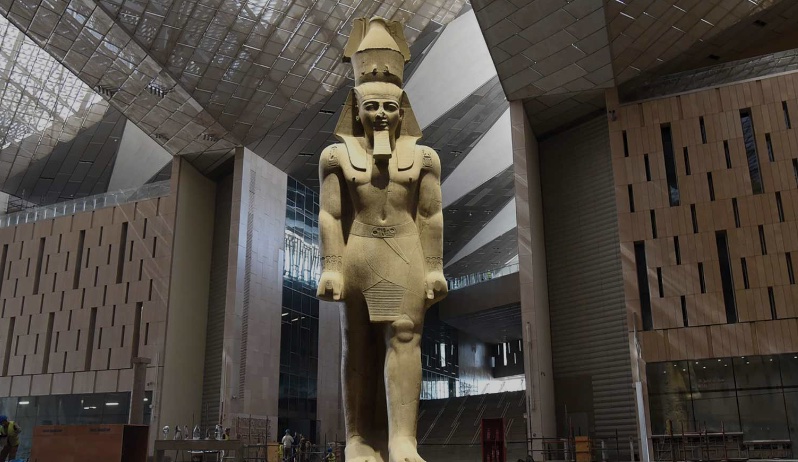
    Grand Egyptian Museum (GEM), Giza, Egypt

    One of the most eagerly awaited openings is the Grand Egyptian Museum near the Pyramids of Giza. Scheduled for late spring 2024, the GEM will be one of the most significant archaeological museums in the world. It will feature over 100,000 artifacts, including the complete collection of treasures from Pharaoh Tutankhamun’s tomb, many of which will be displayed for the first time since their discovery.


    Kunstsilo, Kristiansand, Norway

    Opening its doors in May 2024, Kunstsilo is a repurposed grain silo transformed into a state-of-the-art museum. This innovative space will host the Tangen Collection, the most extensive collection of Nordic modernist art, along with works from the Southern Norway Art Museum. Kunstsilo aims to blend traditional and contemporary art in a unique architectural setting.


    Museum of Shakespeare, London, UK

    In spring 2024, the Museum of Shakespeare will open on the historic site of the Curtain Theatre in London. This immersive museum will recreate the ambiance of 16th-century London, offering visitors a sensory-rich experience of the time when Shakespeare performed. The museum will also display original artifacts from the period, making it a must-visit for literature and history enthusiasts.


    Palmer Museum of Art, Pennsylvania, USA – Now Open!

    The Palmer Museum of Art opened its new building at Penn State’s Arboretum in June 2024. This new facility will nearly double the museum’s exhibition space, allowing for an expanded display of its collection of over 10,000 works of art. The new museum will also feature educational spaces and a teaching gallery, enhancing its cultural and educational hub role.


    Universal Wine Museum, Beijing, China

    Opening in 2024, the Universal Wine Museum in Beijing will be the second-largest wine museum in the world. It will offer a comprehensive exploration of the history and production of wine, featuring exhibits from various wine-producing regions and an organic vineyard on-site. This museum aims to celebrate the global culture of wine.


    Marksbury Family Branch Library, Lexington, Kentucky, USA – Now Open!

    In 2024, the Lexington Public Library will unveil the Marksbury Family Branch, a new $17 million facility. This two-story library will nearly triple the space of the current Village Branch, offering community and study rooms, a dedicated classroom, an outdoor reading area, and expanded sections for adults and children. It will also feature a drive-thru window for convenient book pick-ups and returns.


    Kafka: Making of an Icon Exhibition, Bodleian Libraries, Oxford, UK

    From May 30 to October 27, 2024, the Bodleian Libraries will host “Kafka: Making of an Icon,” an exhibition marking the 100th anniversary of Franz Kafka’s death. The exhibition will display a significant collection of Kafka’s manuscripts, drawings, diaries, and letters, many on loan from international institutions. This comprehensive exhibition aims to provide a deep insight into Kafka’s life and work.


    These upcoming openings represent diverse cultural offerings, from historical artifacts and modern art to immersive literary experiences. Each new venue promises to enrich its respective field and provide visitors unforgettable experiences.


  • Conservative Heritage Foundation’s Project 2025: Implications for GLAM Workers

    Conservative Heritage Foundation’s Project 2025: Implications for GLAM Workers

    Project 2025, an initiative led by the Heritage Foundation, outlines a conservative agenda for potential future Republican administrations, with significant ramifications for museum and librarian professionals. The plan emphasizes stringent oversight of educational and cultural institutions, advocating for substantial changes in how these entities operate and the materials they provide. Here’s what you need to know about Project 2025 and its potential impact on your career.

    One of the most controversial aspects of Project 2025 is its approach to content deemed inappropriate, particularly materials related to sexual education, LGBTQ+ issues, and critical perspectives on race and history. The project calls for the removal of such content from schools and libraries, arguing that it contradicts conservative values.

    For librarians, this means stricter guidelines on what can be included in collections. In several states, laws have been introduced to impose severe penalties on librarians who provide access to banned books. For instance, Indiana has enacted legislation classifying the distribution of “obscene” or “harmful” materials to minors as a felony, with penalties including up to 2½ years in prison and $10,000 in fines.

    Professional Consequences

    Under Project 2025, librarians who resist these censorship efforts and continue to provide access to controversial materials could face significant professional consequences. The Heritage Foundation’s blueprint suggests that educators and librarians who distribute what they consider “pornographic” materials should be classed as registered sex offenders. This policy aims to deter the inclusion of diverse viewpoints and sensitive topics in library collections, leading to increased self-censorship among library professionals.

    Impact on Museums

    Museums are not exempt from Project 2025’s reach. The initiative advocates for a review and potential overhaul of exhibits and educational programs to ensure they align with conservative values. This could involve the removal or recontextualization of exhibits that address topics such as racial injustice, gender identity, and other progressive themes. Museum professionals might face similar legal and professional risks as librarians if they fail to comply with these new standards. The push for a more conservative interpretation of history and culture could limit museums’ ability to provide comprehensive and inclusive educational experiences.

    Navigating the Challenges

    As these policies take shape, museum and librarian workers must be aware of the changing legal landscape and potential career risks. It is crucial to stay informed about state and federal legislation affecting your profession and to seek guidance from professional organizations such as the American Library Association (ALA) and the American Alliance of Museums (AAM).

    Both organizations offer resources and support for professionals facing censorship challenges. For example, the ALA provides guidelines on handling book challenges and advocates for intellectual freedom. Staying connected with these organizations can help you navigate the complexities of the evolving regulatory environment.

    Conclusion

    Project 2025 represents a significant shift in the governance of educational and cultural institutions, with far-reaching implications for museum and librarian workers. The initiative’s focus on censorship and conservative values poses legal and professional risks, making it essential for professionals in these fields to stay informed and seek support from their respective organizations. By understanding and preparing for these changes, museum and librarian workers can better navigate the challenges ahead while continuing to provide valuable educational resources to their communities.

    For more detailed information on Project 2025 and its impact, visit the Heritage Foundation’s Project 2025 page and the American Library Association’s Office for Intellectual Freedom.

    This article incorporates Media Matters for America and The Independent information, providing a comprehensive overview of Project 2025 and its implications for museum and librarian workers.