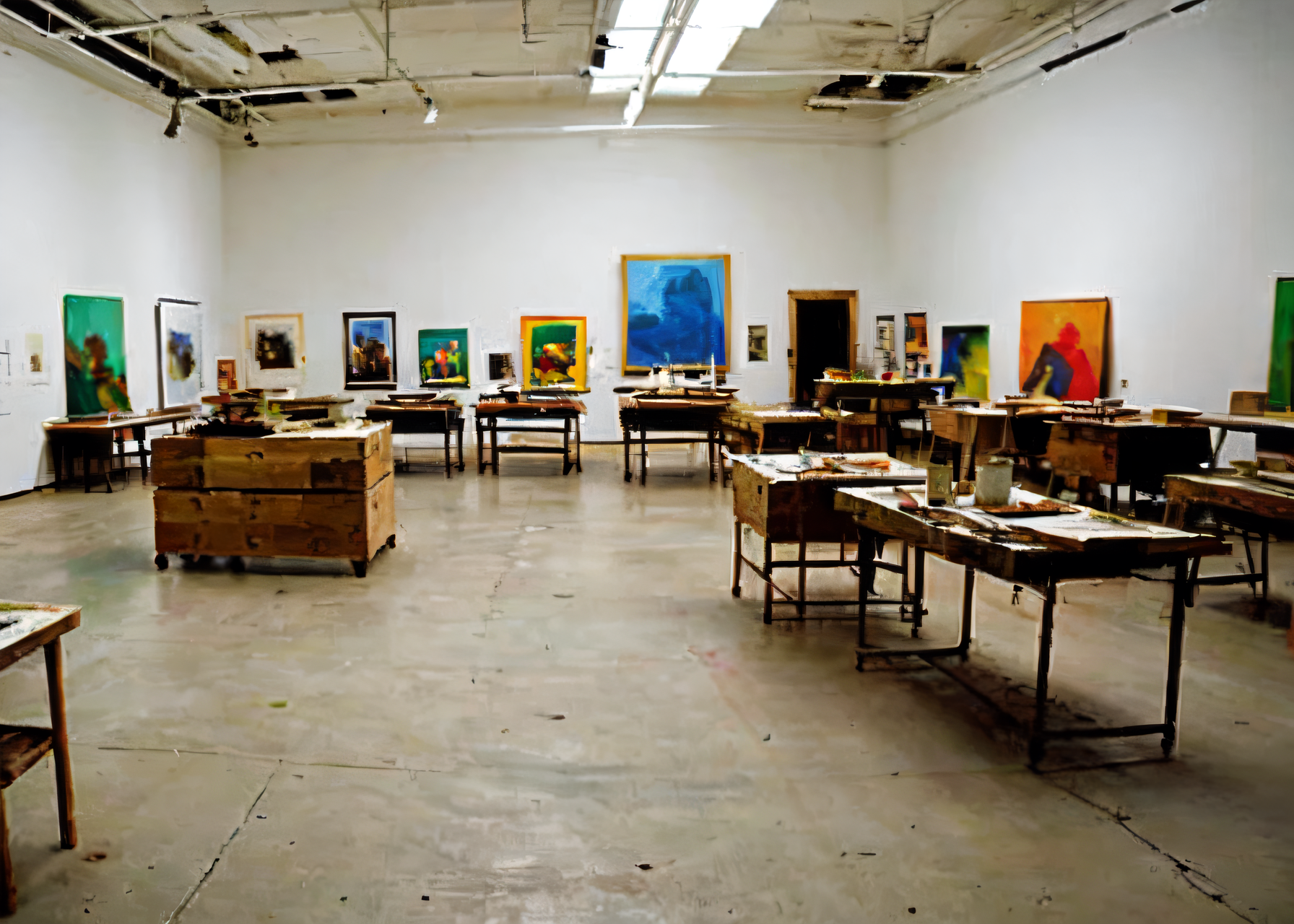
Over the past few years, the higher education landscape in the United States has witnessed a notable trend: the closure of several art schools. Once vibrant centers of creativity and cultural development, these institutions are now facing significant challenges that threaten their survival. This article explores the reasons behind these closures and the broader implications for the education sector and the creative economy.

Financial Instability and Declining Enrollments
Financial instability is one of the primary reasons for the closure of art schools. Many art institutions operate on tight budgets, heavily reliant on tuition fees and donations. The COVID-19 pandemic exacerbated these financial challenges by causing a sharp decline in enrollments and increasing operational costs. For example, the College of Saint Rose, struggling financially for years, finally closed in 2023 due to insufficient funds and dwindling student numbers.

Additionally, the rising cost of education has made it difficult for students to afford specialized art programs. As a result, many potential students opt for more financially viable career paths, leading to decreased enrollment in art schools. This decline in student numbers further strains the financial health of these institutions.
Reduced Funding and Support
Public funding for higher education has also been trending downward. State and federal budget cuts have forced many institutions to reduce their programs or shut down entirely. Art schools, which often depend on grants and state funding to support their unique programs, are particularly vulnerable. For example, the University of Wisconsin-Platteville Richland had to close its branch campus due to reduced state funding and shifting enrollment trends.
Mergers and Acquisitions
Some art schools have merged with larger institutions in an attempt to survive. These mergers can provide much-needed financial stability and access to broader resources. For instance, Compass College of Film and Media in Grand Rapids was acquired by Calvin University in 2023. While this preserved some educational opportunities, it marked the end of Compass as an independent entity.
Implications for the Creative Economy
The closure of art schools has far-reaching implications beyond the education sector. Art institutions play a crucial role in nurturing creativity, innovation, and cultural expression. They provide a pipeline of talent for industries such as design, entertainment, and media. With fewer specialized art schools, the creative economy may face a shortage of skilled professionals, impacting sectors that rely heavily on creative talent.
Loss of Cultural Heritage
Art schools are often seen as custodians of cultural heritage and artistic traditions. Their closures mean the loss of unique educational environments where students can immerse themselves in diverse forms of artistic expression. This can lead to a homogenization of cultural production, where mainstream and commercially viable art forms dominate at the expense of more experimental and diverse artistic practices.
Conclusion
The closure of art schools in the U.S. is a multifaceted issue rooted in financial instability, declining enrollments, and reduced funding. While mergers and acquisitions offer some respite, they also signal the end of many independent art institutions. The broader implications for the creative economy and cultural heritage are profound, highlighting the need for renewed investment and support for the arts in education.










 Picture a world where cities like Venice, New York City, Miami, and Paris harbor untold stories and hidden treasures beneath the water’s surface. We embark on a virtual expedition to these submerged realms through cutting-edge AR and VR technology, where history and technology intertwine in a mesmerizing blend.
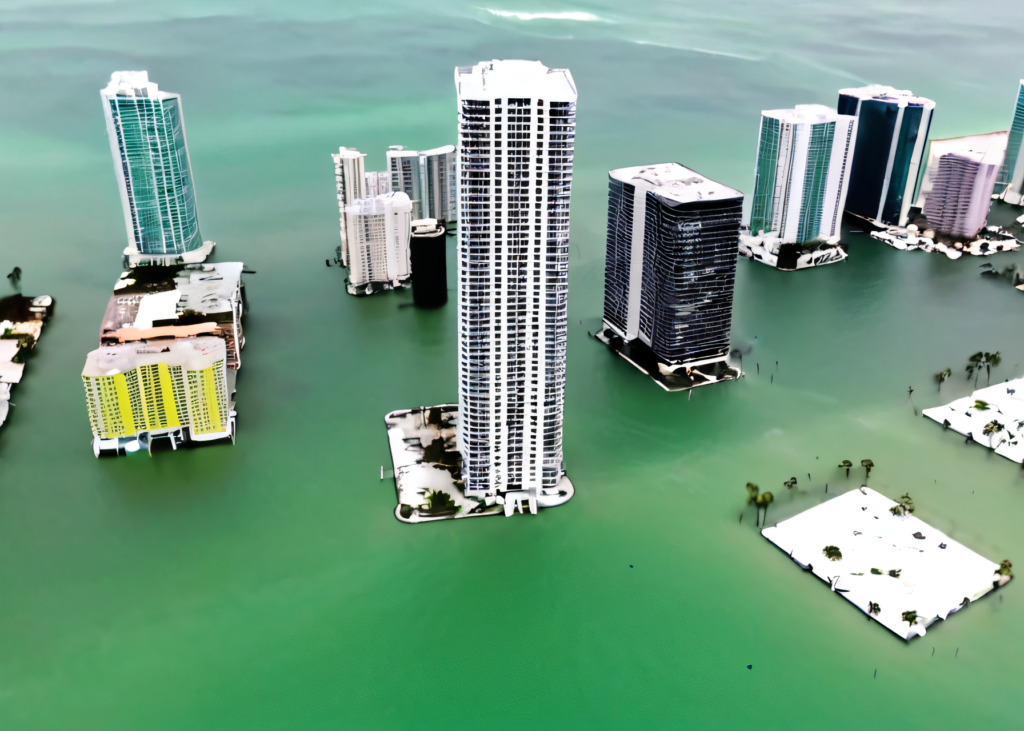 Our journey leads us to the
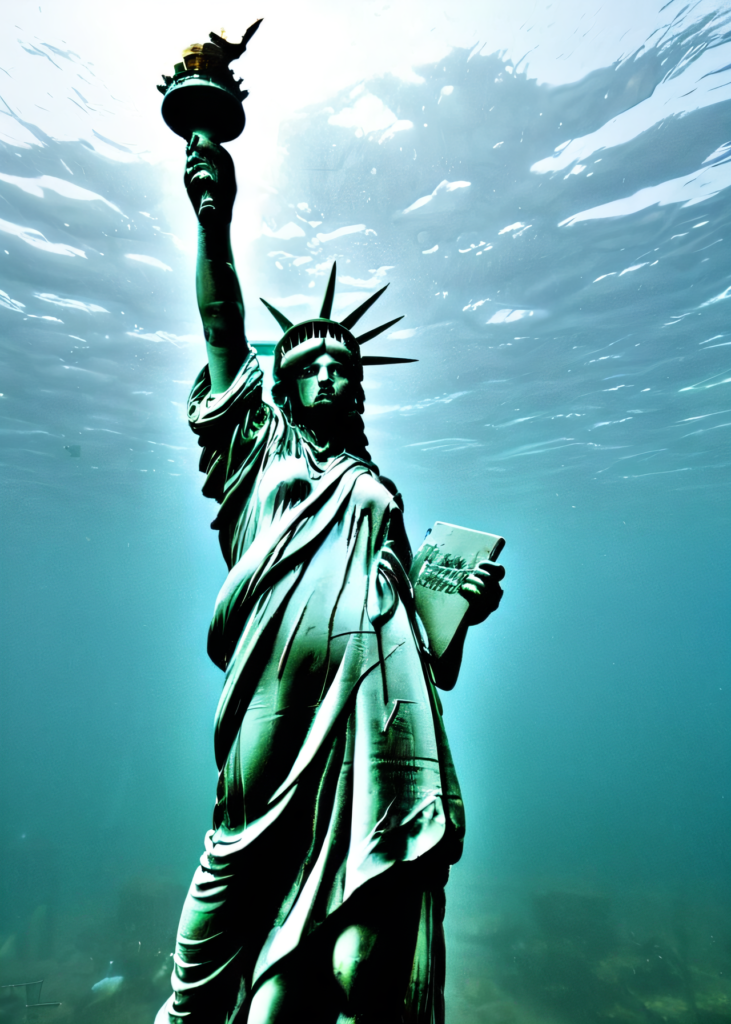 In the bustling streets of New York City, we uncover the city’s resilient spirit through digitized archives from the
 As we conclude our virtual expedition, we reflect on technology’s crucial role in protecting our cultural heritage. The imperative to preserve these underwater collections underscores the significance of digital innovation in conserving our history for future generations.
 Researchers Dr. Elena Cruz and Professor Marcus Chen embarked on an innovative expedition using advanced Virtual Reality technology to access submerged cultural collections from cities like Venice, New York City, Miami, and Paris. Equipped with cutting-edge VR headsets and haptic gloves, they delved into the digital realms, venturing through waterlogged streets and ornate buildings to uncover hidden treasures and long-forgotten artifacts.